
 0
0
 0
0
By Annonciata Byukusenge
Clean water is the foundation of good hygiene; without it, maintaining a healthy home is nearly impossible. This reality is stark in Mbazi Sector, where many women wake up each morning uncertain of how they will keep their families clean. For them, water is not just a tap away; it is a long and demanding journey.
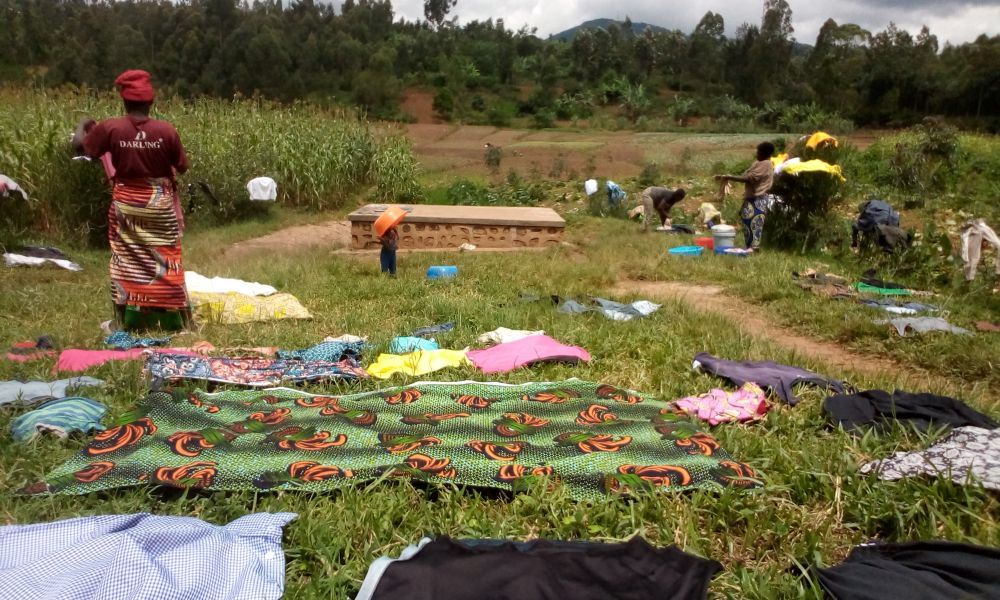
Kanakuze, a 35-year-old farmer living in Rugango Cell, Mbazi Sector, begins her day before sunrise at 5:30 am, walking to a nearby swamp to collect enough water to last the day.
On this Friday morning, she stands at the swamp’s water source, washing clothes, mostly those of her children, by hand. A mother of three, she speaks openly about the challenges she faces.
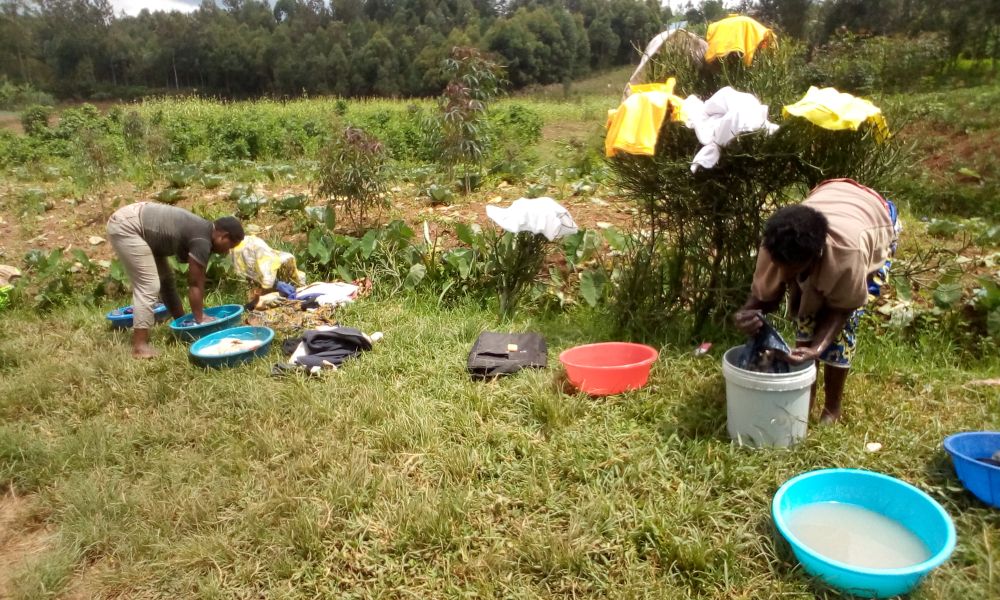
“I come all the way here to wash clothes because we simply don’t have water near our home. It’s a long walk, but this is my only choice. There’s nowhere else I can go.”
Her story is far from remote. Across Huye, women and vulnerable residents are navigating a water infrastructure that exists on paper but breaks down in practice, a gap that national surveys now confirm is widening.
Rwanda’s latest integrated household survey, EICV7, found that urban satisfaction with access to safe drinking water fell from 53% to 40% in recent years. Rural satisfaction also slipped, from 53% to 48%.
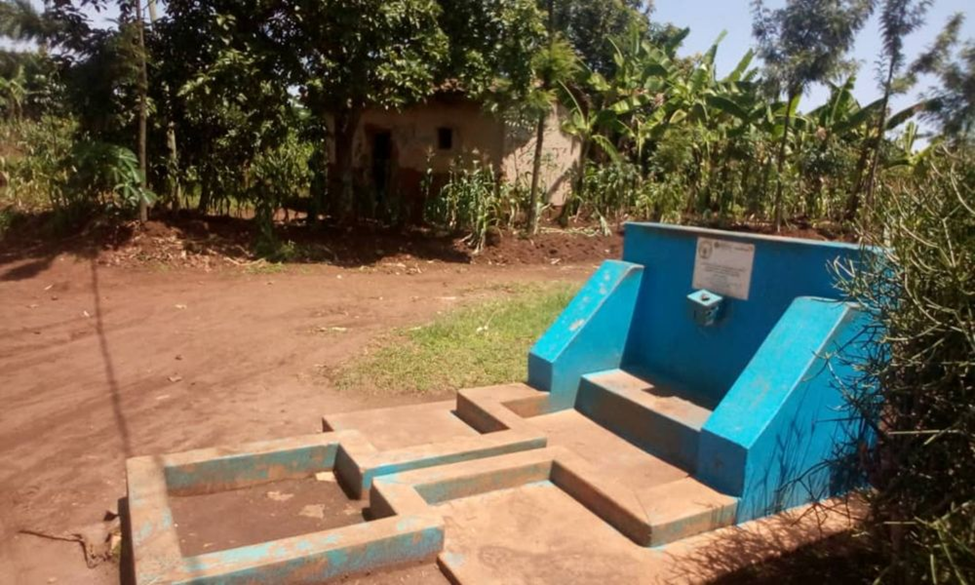
In Ndobogo Village, Kabuga Cell, Emmanuel Ndagijimana manages a village tap that has become symbolic of the problem. After the Easter holiday, he said the water dropped through three times, and it was beaten within two hours on each occasion.
“When the tap doesn’t have water, people go back to the swamp,” he said. “A jerrycan costs 200 francs there, and if you don’t have the money and you’re not strong enough to carry it yourself, you go to bed without eating supper.”
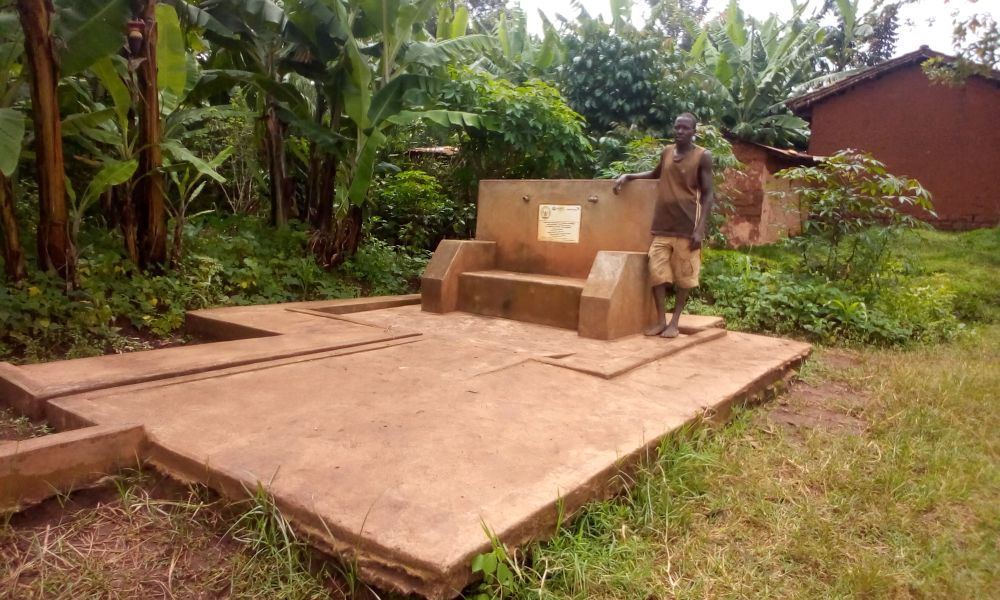
The burden falls hardest on those least equipped to carry it. Uwamariya, a resident of Ndobogo, said pregnant women and the elderly face a particular ordeal, fetching water from a source at the base of a hill, then climbing back up carrying full jerrycans.
Kamana, 55, described watching his pregnant daughter-in-law, who was unable to make the journey. “She needs water, but she can’t carry a jerrycan up the hill in her condition. “Elderly people face the same problem. They end up walking nearly 40 minutes to reach a neighboring village’s water tap.”
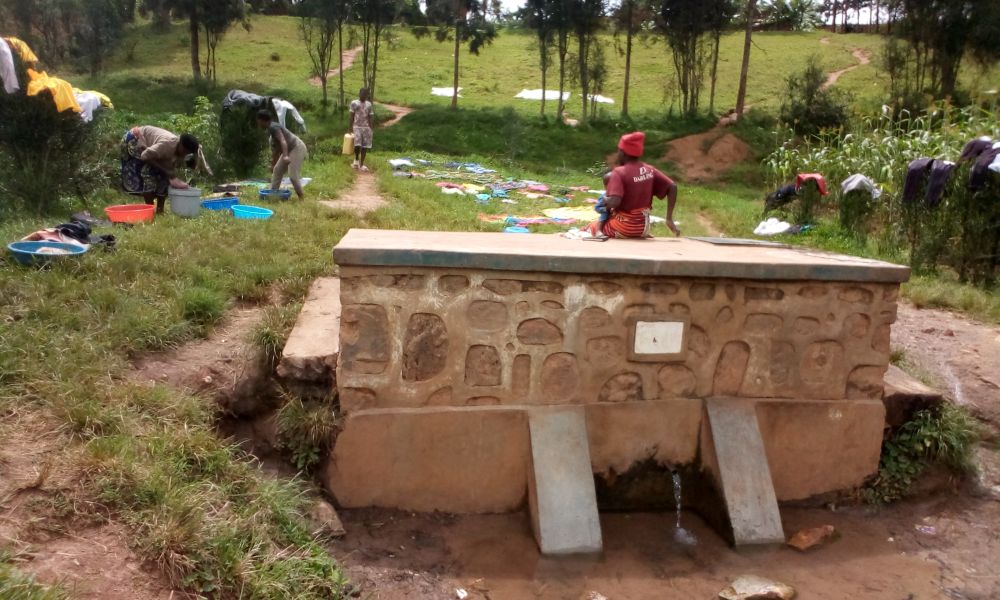
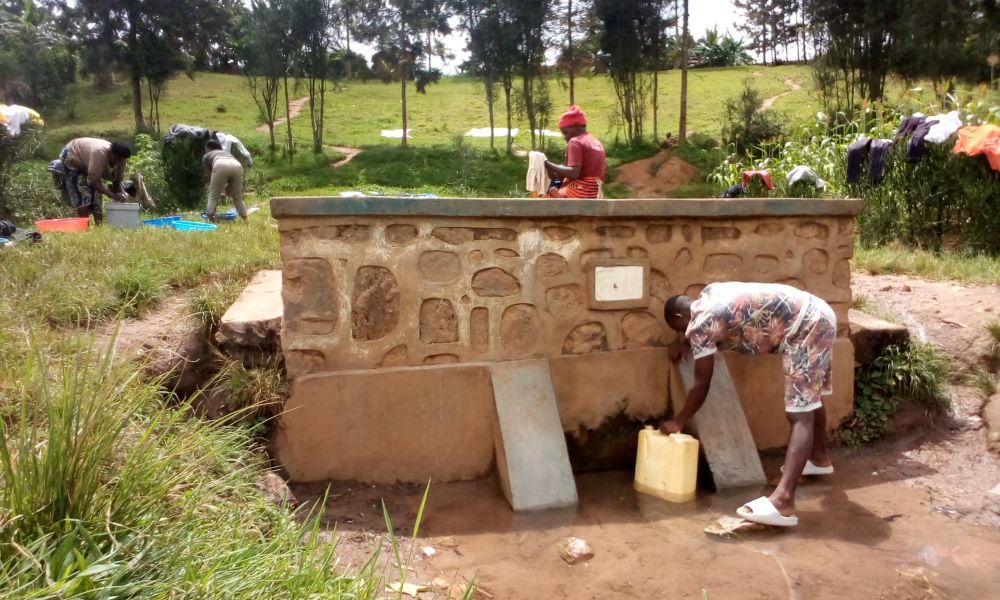
Huye District Mayor Ange Sebutege knows the gaps, attributing them to seasonal pressure and population growth. “When the dry season hits, water sources are reduced by drought, and pressure in the network drops. A project to expand the urban water supply was in the process.”
Rwanda’s government has set a target of 100% clean water access under its Second National Strategy for Transformation (NST2), which runs to 2029, up from a baseline of 90% at the end of 2024. The plan includes connecting one million new households to water supply systems.


