 0
0
 0
0
Annonciata Byukusenge
Electronic devices are among the most commonly purchased items in modern life and among the least likely to be thrown away. Many people keep them long after they’ve stopped working, partly because of their cost, even when a device is clearly crashed beyond repair. What most people don’t realize is that those forgotten devices sitting in the corner of a room are quietly releasing toxic substances into the air that their families respire every day.
What is waste?
Waste is any unwanted or unusable material, substance, or byproduct discarded after its primary use, essentially anything considered worthless, expired, defective, or excess that someone wants to dispose of, including solids like garbage; liquids, and gases (emissions). Wastes come from a variety of activities or processes.
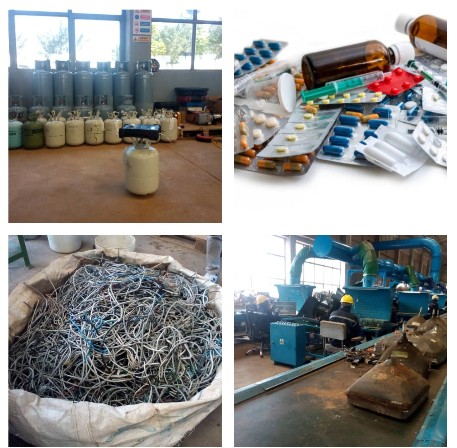
What is hazardous waste?
Hazardous waste is a discarded material (liquid, solid, or gas) that poses a substantial threat to human health or the environment due to its physical or chemical properties, such as toxicity, explosiveness, corrosiveness, or ignitability.
When you talk to people, you hear the same story in different forms: someone has an old phone in a drawer, another has an old fridge that no longer cools anything, and someone else is holding on to a dusty television, worn-out light tubes, or old charging cables. There are even people who’ve kept broken radios for years, unsure what to do with them.
Mary Uwiragiye lives in the Huye district. It says that rejecting electronic tools is not very easy because they cost a lot of money.
“I bought a fridge for 500,000 Rwfrs, a TV for 400,000 Rwfrs, and a radio for 150,000 Rwfrs, and after some years, I will reject them for free? Doesn’t make sense to me, even though they are no longer working. I have to keep them at home. But if there’s some amount to pay, I can give it to them. To understand this initiative requires many explanations to some people.”
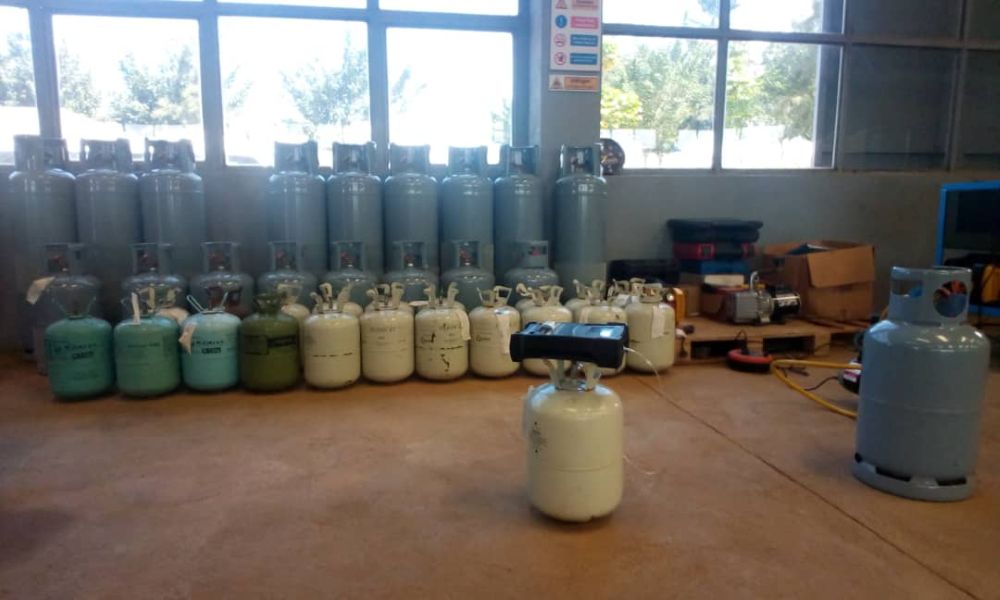
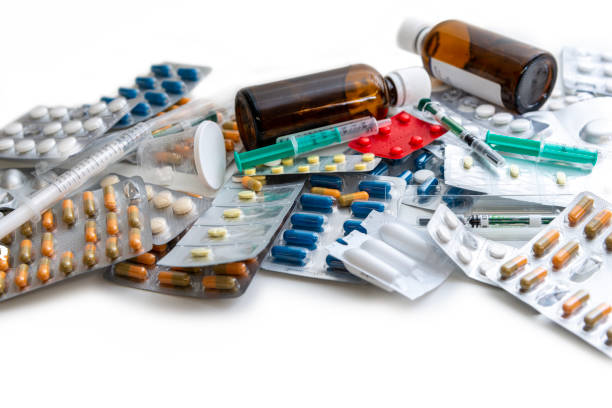
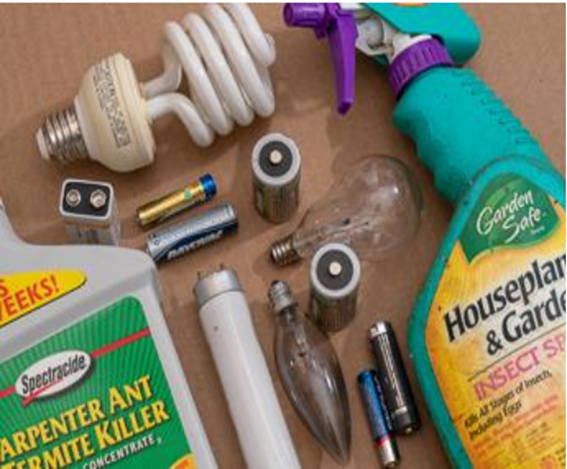
While these devices were openly useful during their working lives, the story changes once they age and begin to decline. The hazardous materials inside them don’t stay contained; they can outflow, off-gas, and enter the body through the air we respire, with long-term exposure linked to serious illnesses, including cancer.
Octavier Ngirabakunzi is an environment and climate change education officer at the provincial level at REMA. He says electronic waste has spread into nearly every corner of Rwanda, including homes, schools, health centers, and hospitals.
“This kind of waste has real consequences for human health; that’s why we’ve launched an awareness campaign to help Rwandans understand the dangers of holding onto old electronics. It pollutes the air we breathe and degrades the environment and soil, and the effects often don’t show up until years later, by which point the damage is already done.”
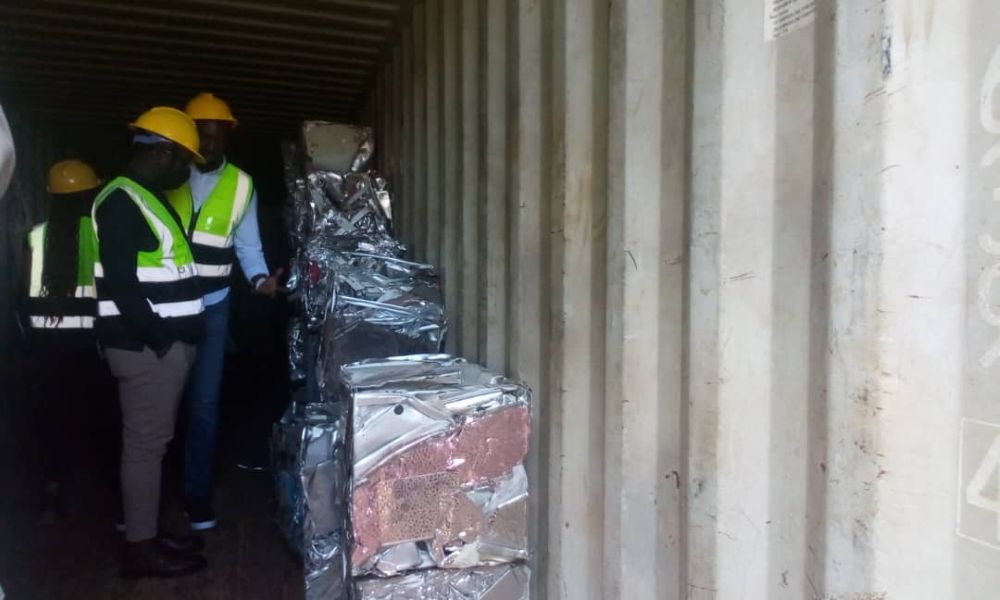
He adds that raising awareness and educating stakeholders, including the media, on understanding the health and environmental risks of mercury and mercury-containing wastes and how they can be safely managed and disposed of.
Types of wastes
Based on waste characteristics/properties, wastes are categorized into various types, including organic waste (biodegradable waste), inorganic waste (non-biodegradable waste), solid, liquid, and gaseous wastes, electronic waste (e-waste), hazardous waste, non-hazardous wastes, recyclable waste, and non-recyclable waste.
Based on their source, wastes can be categorized into different types, namely domestic (household) waste, municipal waste, industrial waste, agricultural waste, biomedical waste, commercial waste, and construction and demolition waste.
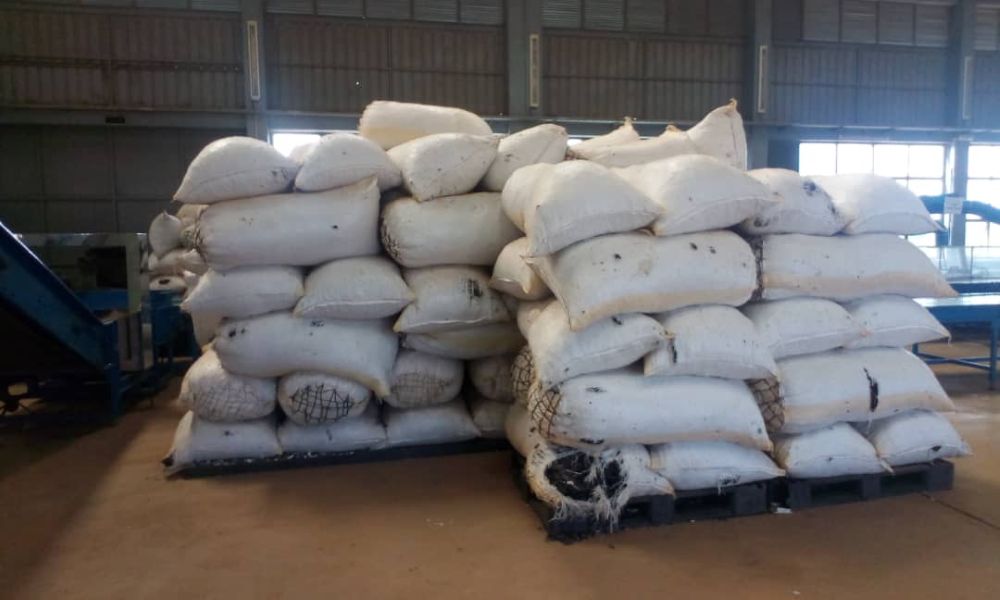
So where should e-waste actually go?
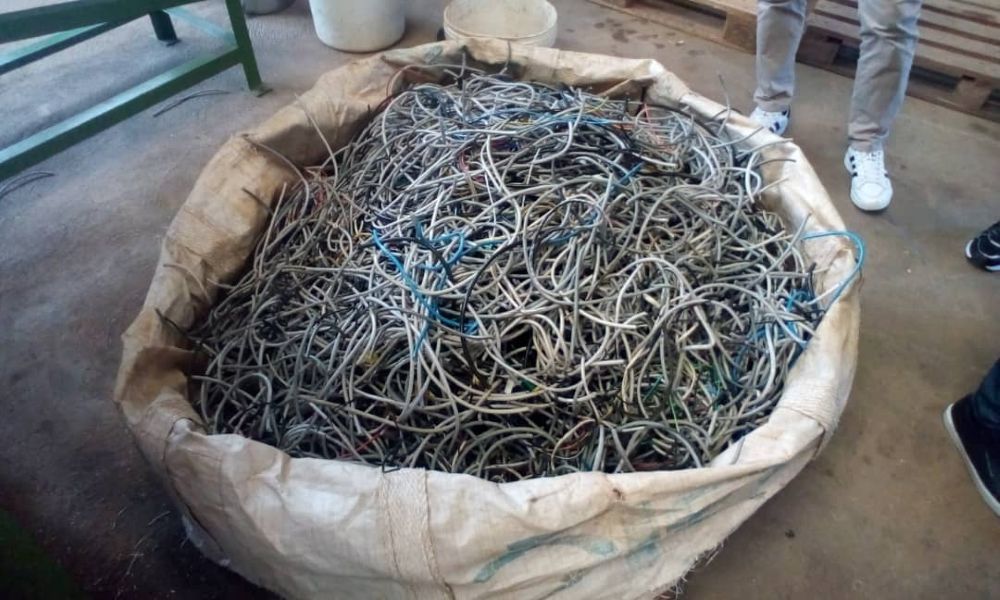
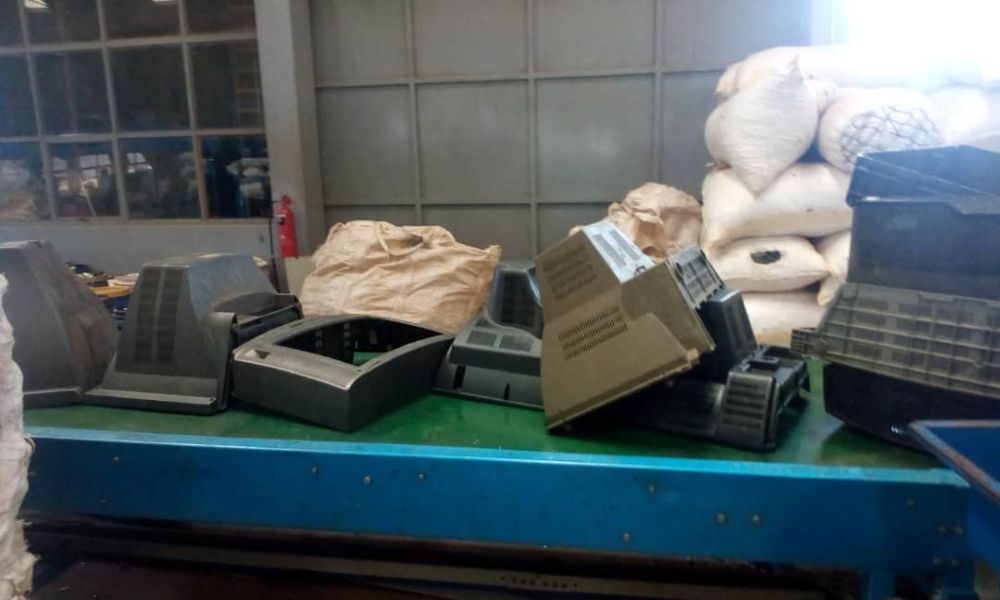
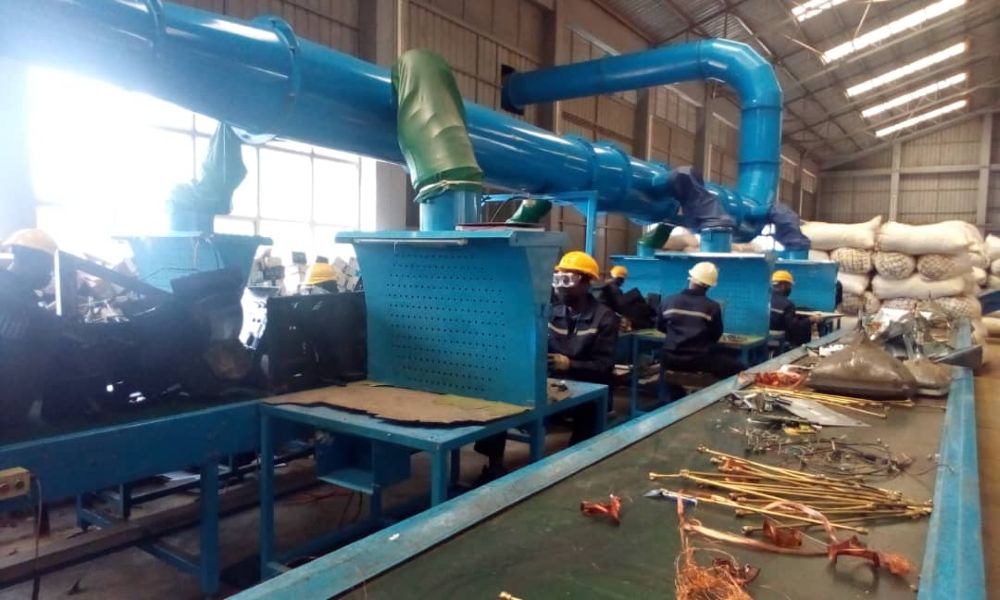
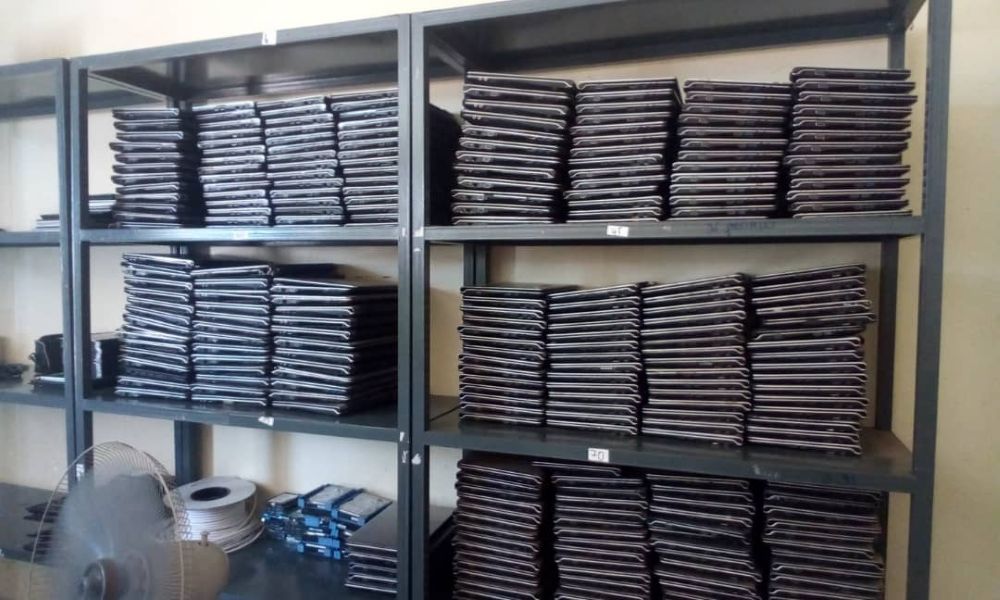
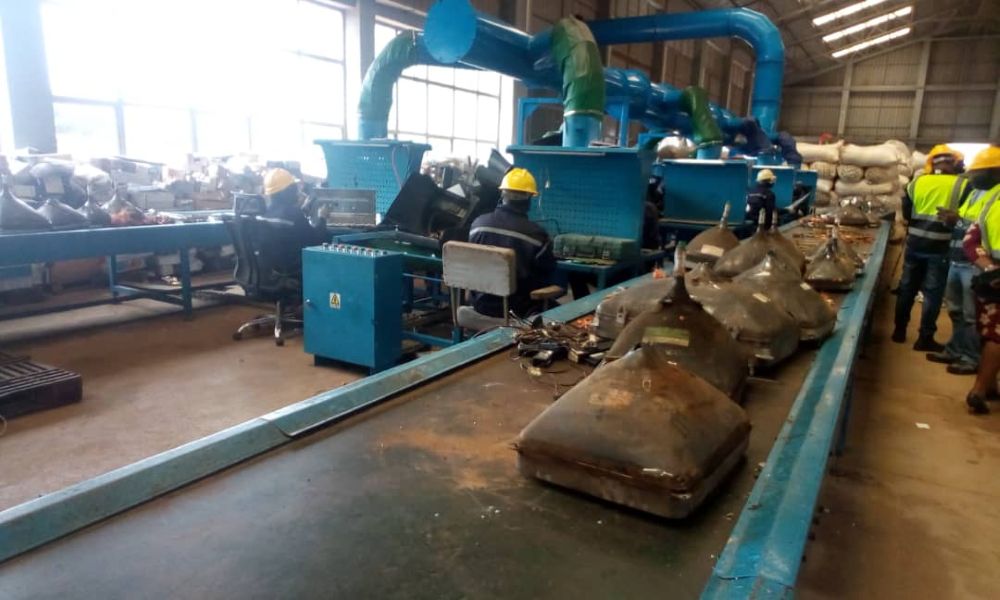
Since 2018, electronic waste in Rwanda has been collected and processed by EnviroServe. When devices are handed in, they aren’t simply dumped; components that still have value are carefully extracted and recycled, while others are exported abroad to be repurposed into new materials.
“We have e-waste collection points in different parts of the country. If you bring in an old phone, fridge, television, computer, or any other device, we’ll buy it from you depending on its condition. Inside our facility, workers carry out the painstaking process of separating materials, identifying what can be recycled locally and what needs to be sent abroad for further processing. Said Olivier Ndera, the manager of EnviroServe.
He added that people need to understand the real risk of keeping e-waste at home. Phone batteries, for instance, once they begin to swell, start releasing gases that damage the respiratory system, a danger that builds quietly over time.
Akimpaye Beatha, a director of a division of Environmental Compliance and Enforcement at REMA. Emphasizes that storing old electronics at home is not a neutral choice; it’s a health risk.
“Keeping these devices in your house puts you and everyone around you in danger. The harm doesn’t happen overnight; it accumulates slowly, and by the time symptoms appear, significant damage may already have been done. We strongly encourage everyone with an old electronic device, whether it’s a radio, a phone charger, or something heavier like a fridge, television, or computer, to bring it to a designated collection point. That’s the responsible thing to do, for yourself and for your community.”
What are the impacts of hazardous wastes?
1. Effects of hazardous waste on the environment: It is usually viewed directly as a health hazard to humans. However, pollution in this form can have a much more pronounced effect on the plants and animals of our environment. According to the EPA, “When chemicals are disposed of improperly, they can have harmful effects on humans, plants, and animals.
Environmental effects may include air, water, and land pollution;
Reproductive issues on biodiversity and biodiversity loss; hazardous waste has the power to shape evolutionary changes; PH change and oxygen depletion; heavy metals and toxic chemical accumulation (lead, mercury, cadmium, and arsenic) contribute to climate.
2. Effects of hazardous waste on humans: Long-term exposure to hazardous waste can impair the immune system, affect the endocrine system, affect the nervous system, resulting in cancer, affect the reproductive system/health, and cause mental disorders, disabilities, deformation, and death.
It’s very important to be concerned with environmental protection. It is our duty to ensure that hazardous chemical waste is disposed of separately from ordinary waste or taken to an area where it would not harm human health and the environment to ensure sustainable development.


