 0
0
 0
0
By Christophe Uwizeyimana
For decades, residents of Gicumbi District lived at the mercy of nature. Every rainy season brought anxiety as floods and landslides swept through vulnerable communities, destroying crops, damaging homes, and deepening poverty. In some villages, families watched fertile land disappear under severe soil erosion, while unpredictable weather patterns steadily reduced agricultural productivity. From restoring degraded forests and protecting vulnerable communities to creating more than 99,000 green jobs, the Green Gicumbi Project leaves behind a lasting legacy of climate resilience in Northern Rwanda.
Video: Testimonies (Kinyarwanda Version):https://www.tiktok.com/@christopheuwizey/video/7646068559633845512?is_from_webapp=1&sender_device=pc&web_id=7460108652995151365
Today, many of those landscapes tell a different story.
Hillsides once scarred by erosion are now protected by terraces and tree cover. Farmers are increasingly adopting climate-smart agricultural practices. Families formerly living in disaster-prone areas have been relocated to safer settlements. Across the district, signs of environmental restoration and community resilience are visible.
These changes are among the achievements of the Green Gicumbi Project, a six-year climate resilience initiative that officially concluded on May 29, 2026, after investing approximately USD 32 million in climate adaptation and sustainable development interventions.
Implemented by Rwanda Green Fund (FONERWA) with financial support from the Green Climate Fund (GCF), the project was designed to address the growing impacts of climate change in one of Rwanda’s most environmentally vulnerable regions.
A District on the Frontline of Climate Change
Located in Rwanda’s Northern Province, Gicumbi has long faced environmental challenges linked to its mountainous terrain. Heavy rainfall, deforestation, land degradation, and unsustainable agricultural practices contributed to recurring floods and landslides, placing thousands of households at risk.
Climate change further intensified these vulnerabilities.
Communities increasingly experienced extreme weather events that threatened food security, livelihoods, and infrastructure. Recognizing the urgent need for intervention, Rwanda launched the Green Gicumbi Project in 2019 as part of its broader strategy to strengthen climate resilience while promoting sustainable economic development.
Over six years, the project directly benefited more than 158,000 people and indirectly impacted over 464,000 citizens. Women accounted for 52 percent of beneficiaries, reflecting the project’s commitment to inclusive climate adaptation.
Beyond Environmental Protection
While environmental restoration formed a major component of the initiative, Green Gicumbi extended far beyond tree planting and watershed rehabilitation.
The project established 1,450 hectares of terraces for erosion control, planted agroforestry trees across more than 10,000 hectares, and rehabilitated approximately 2,200 hectares of degraded forest. In addition, more than 1,300 hectares of protective forests were established to strengthen watershed protection and reduce land degradation.
The project also invested heavily in climate-smart agriculture. More than 50 hectares of upland tea plantations were established, benefiting over 500 farmers, while 40 hectares of upland coffee plantations provided new opportunities for more than 130 farmers.
To support household resilience and improve livelihoods, 277 cows were distributed through the Girinka Programme, with all of them having successfully calved. More than 500 modern beehives were also provided to local beekeepers, helping diversify incomes while supporting environmental conservation.
For many beneficiaries, resilience was no longer an abstract concept discussed in policy documents—it became a reality reflected in safer homes, improved livelihoods, and greater economic security.
Climate Finance Delivering Community Impact
One of the most significant achievements of Green Gicumbi is its demonstration of how climate finance can generate tangible benefits at the local level.
The project supported 25 cooperatives in developing bankable projects and invested approximately RWF 1.3 billion in community-based adaptation initiatives.
According to project data, Green Gicumbi created more than 99,000 green jobs, including 45,102 direct jobs and 53,983 indirect jobs, making climate action a driver of local economic development.
Minister of Environment Dr. Bernadette Arakwiye described the initiative as a powerful demonstration of Rwanda’s commitment to linking environmental sustainability with economic transformation.
Similarly, Rwanda Green Fund Chief Executive Officer Teddy Mugabo noted that strategic investments in resilient infrastructure, ecosystem restoration, clean energy, and sustainable livelihoods have produced lasting impacts while creating a model that can be replicated across the country.
Building Safer and Greener Communities
Clean energy and climate-resilient infrastructure were also central to the project’s success.
More than 31,000 households gained access to improved cooking energy solutions, reducing dependence on firewood and helping protect surrounding forests. Additionally, 70 improved institutional cookstoves were provided to schools, significantly reducing energy consumption.
To improve water security, the project constructed 3,664 water tanks and installed three automated weather stations, strengthening climate information services and supporting early warning systems.
Meanwhile, 100 vulnerable households living in high-risk zones were relocated and resettled in two climate-resilient settlements, providing safer living conditions and reducing exposure to climate-related disasters.
The project also contributed to climate mitigation efforts, avoiding more than 275 tonnes of carbon dioxide equivalent (CO₂e) emissions through its interventions.
The Challenge of Sustainability
As Green Gicumbi comes to an end, an important question remains: how can these achievements be sustained?
Development experts often note that the true success of climate adaptation projects is measured not at their closure but years later, when communities continue applying acquired knowledge and maintaining infrastructure without external support.
Local leaders say they are committed to preserving the project’s gains.
Northern Province Governor Maurice Mugabowagahunde has emphasized that the project’s impact is already visible in local economies, landscapes, and communities, adding that lessons learned from Green Gicumbi will continue guiding future development initiatives.
Similarly, Gicumbi District Mayor Emmanuel Nzabonimpa described the project as one that restored not only ecosystems but also hope, dignity, and resilience among local populations.
A Model for Rwanda’s Climate Future
Beyond its local achievements, Green Gicumbi has generated practical lessons that could shape climate adaptation efforts across Rwanda.
Guidelines developed under the project on watershed management, climate-smart agriculture, sustainable forestry, energy efficiency, and climate-resilient settlements are expected to support broader national planning and implementation efforts.
As Rwanda continues implementing its climate commitments and pursuing a green growth agenda, Green Gicumbi offers a compelling example of what integrated climate action can achieve when environmental protection, community development, and long-term resilience are pursued together.
For thousands of residents in Gicumbi, the project’s legacy can already be seen in greener hillsides, safer homes, restored forests, and more secure livelihoods.
And in a world increasingly shaped by climate uncertainty, that legacy may prove more valuable than ever.
GREEN GICUMBI: SIX YEARS OF TRANSFORMING COMMUNITY LIVES
Key Achievements at a Glance (2019–2026)
• 1,450 hectares of terraces established for soil erosion control
• 600 hectares of radical terraces
• 850 hectares of progressive terraces
• More than 50 hectares of upland tea plantations established, benefiting over 500 farmers
• 277 cows distributed through the Girinka Programme, with 100% having calved
• Over 10,000 hectares planted with agroforestry trees
• Three automated weather stations constructed and operational
• 40 hectares of upland coffee plantations established, benefiting more than 130 farmers
• Over 1,300 hectares planted with protective trees
• 25 cooperatives supported to implement bankable projects
• RWF 1.3 billion invested in climate adaptation initiatives
• 2,200 hectares of degraded forest rehabilitated
• More than 31,000 households gained access to improved cooking energy
• Over 500 modern beehives distributed to beekeepers
• 70 improved institutional cookstoves provided to schools
• More than 275 tonnes of CO₂e emissions avoided
• 100 vulnerable households relocated to two climate-resilient settlements
• More than 25,000 beneficiaries trained on climate resilience and adaptation
• Over 99,000 green jobs created
• 45,102 direct jobs
• 53,983 indirect jobs
• 158,000 direct beneficiaries reached, 52% of whom were women
• 3,664 water tanks constructed
Impact in Numbers
- USD 32 million invested
- 158,000 direct beneficiaries
- 464,000+ indirect beneficiaries
- 99,000+ green jobs created
- 13,500+ hectares restored and protected
- 31,000+ households accessing clean cooking energy
- 100 households relocated to safer settlements
- A national model for climate resilience and sustainable rural development in Rwanda
As the curtain falls on the Green Gicumbi Project, its legacy remains firmly rooted in the communities it served. At the official closure ceremony held on May 29, 2026, at Kaniga Green Model Village, Dominique Habimana, Minister of Local Government, highlighted that the end of the project does not mark the end of its mission. Instead, the knowledge, infrastructure, and climate-resilient practices established over the past six years will continue to guide local development efforts. For the people of Gicumbi, Green Gicumbi leaves behind more than restored landscapes and improved livelihoods—it leaves a roadmap for a more resilient, sustainable, and prosperous future.
Photos:
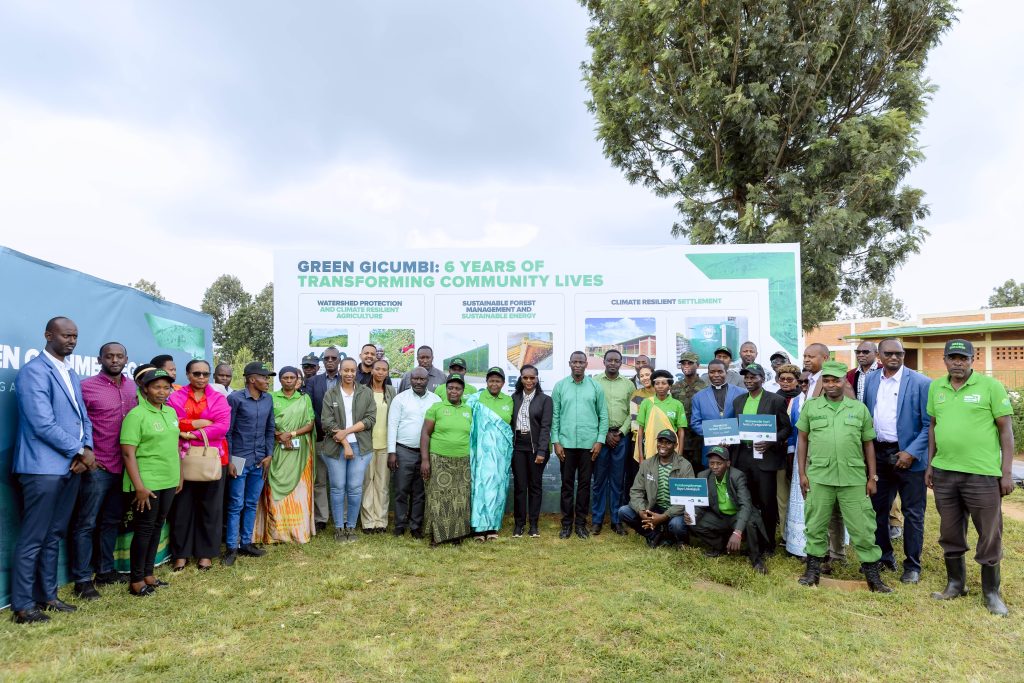
Photo:Community members and local leaders gather during the official closure of the Green Gicumbi Project, marking six years of climate resilience investment and transformation.
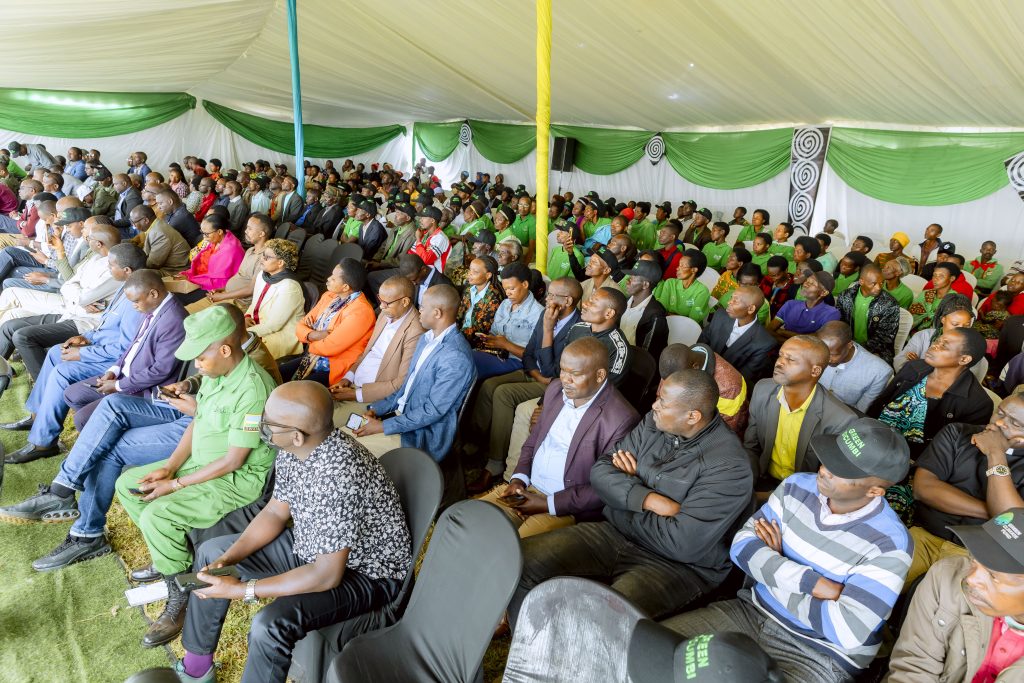
Photo:Local farmers who once struggled with declining harvests are now harvesting from terraced hillsides that have restored soil fertility and improved food security across Gicumbi.
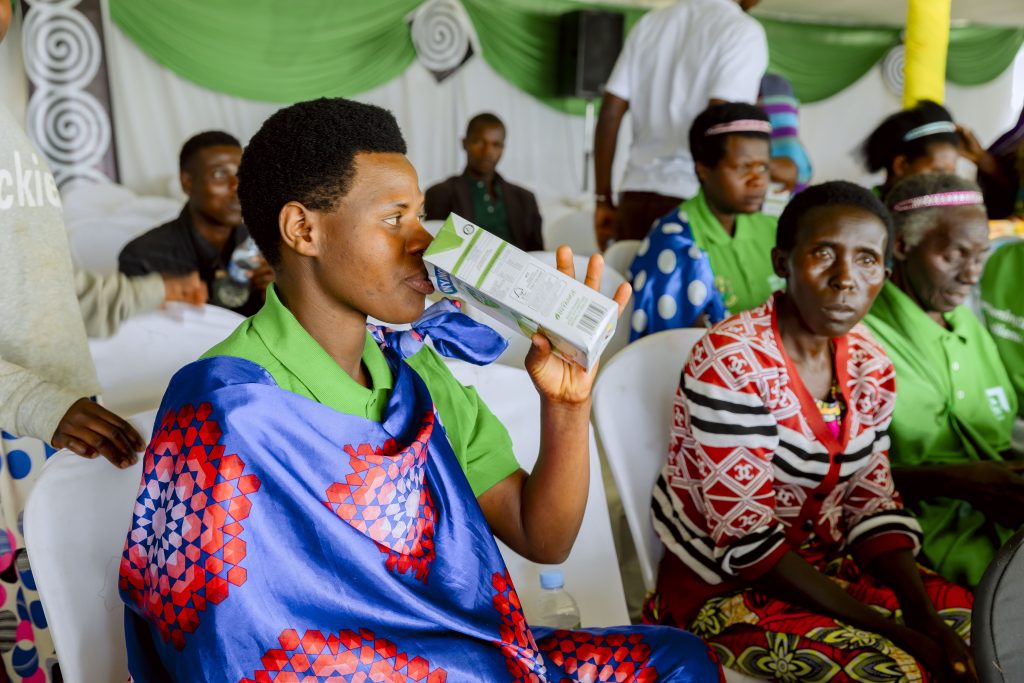
Photo:A beneficiary woman enjoys fresh milk at her home in Gicumbi, reflecting improved nutrition and household food security supported by the Girinka programme.
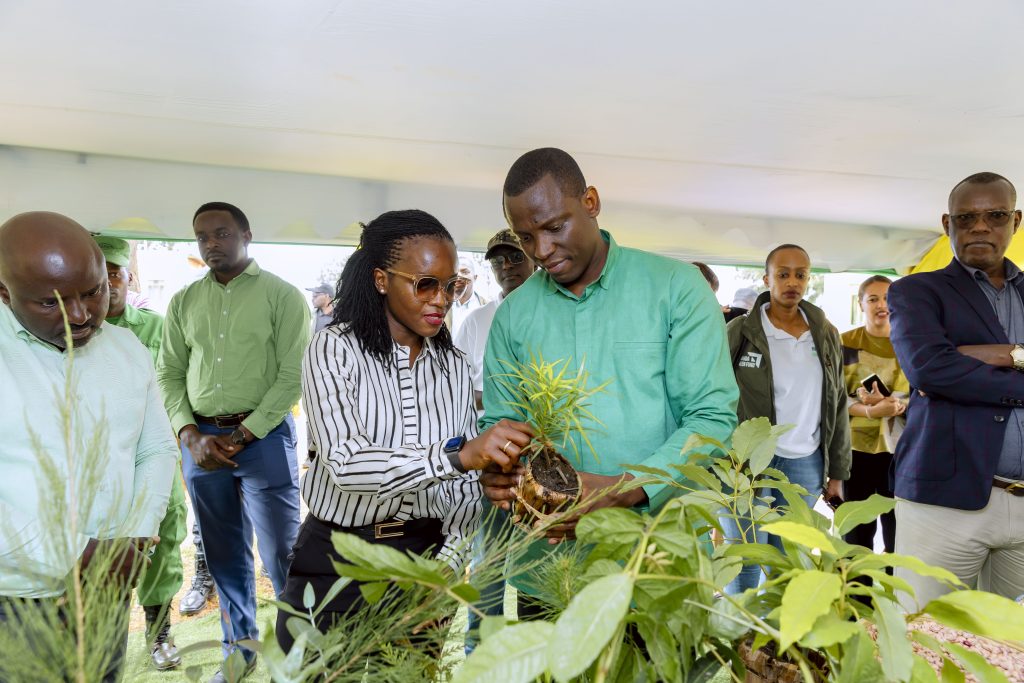
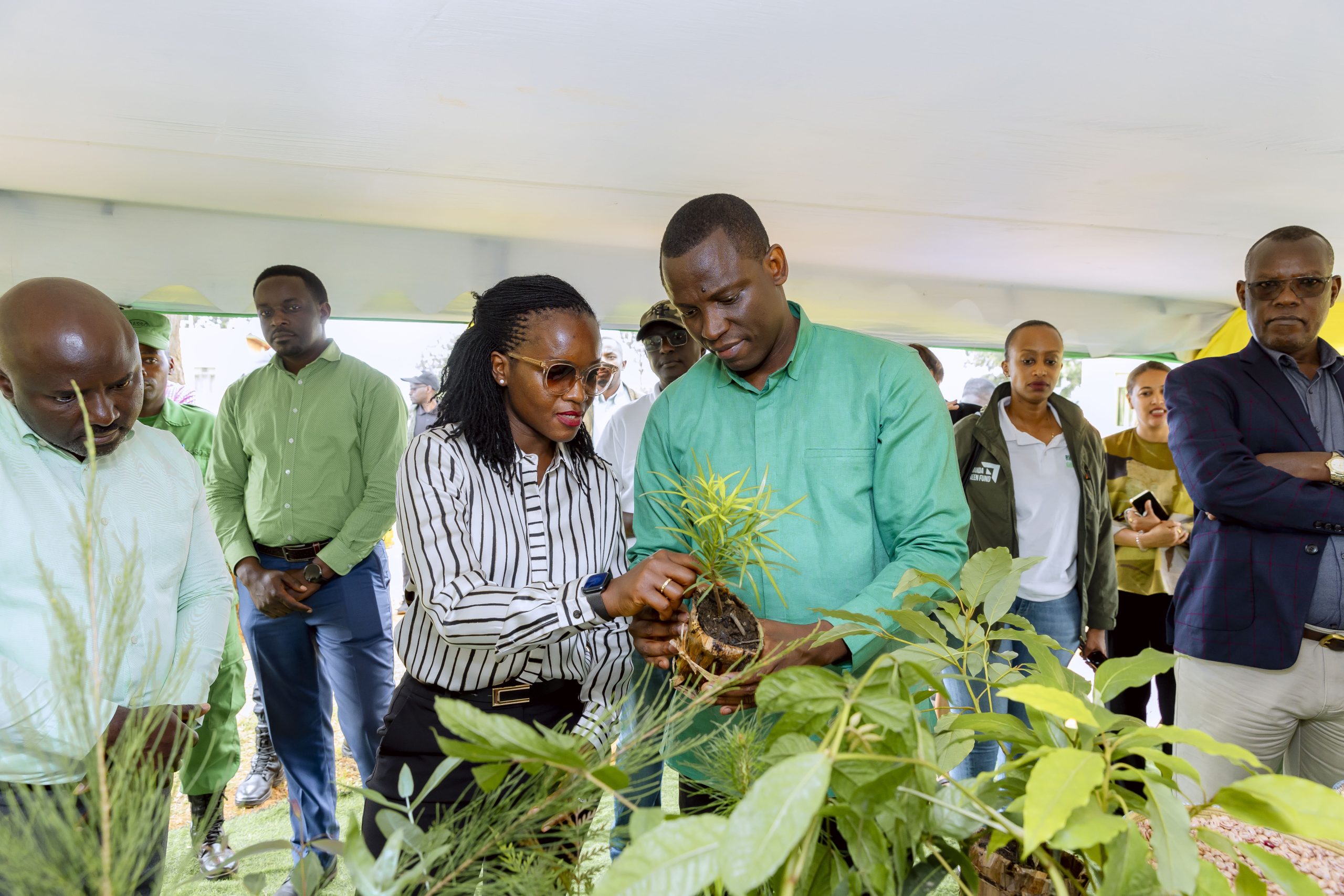
Photo:Senior government officials inspect project interventions under Green Gicumbi, highlighting progress in ecosystem restoration, agriculture, and community resilience.
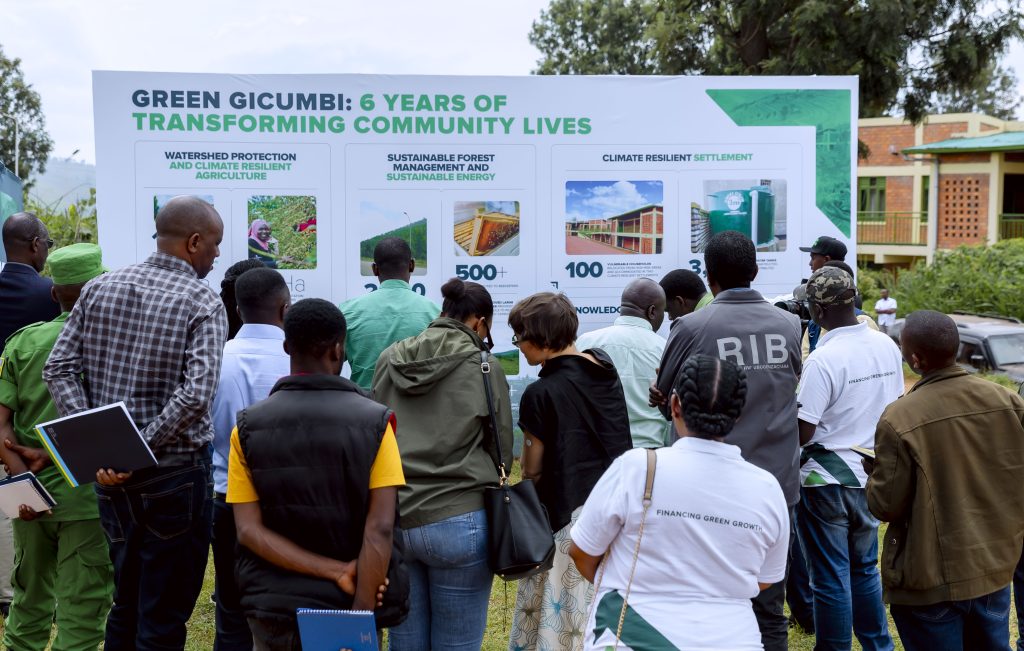
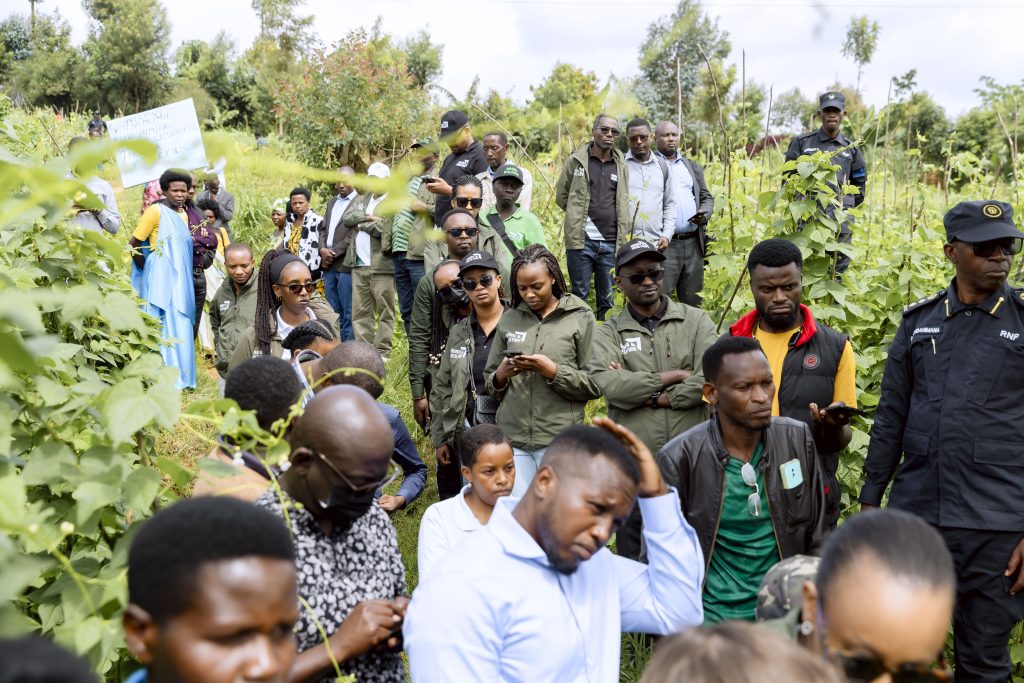
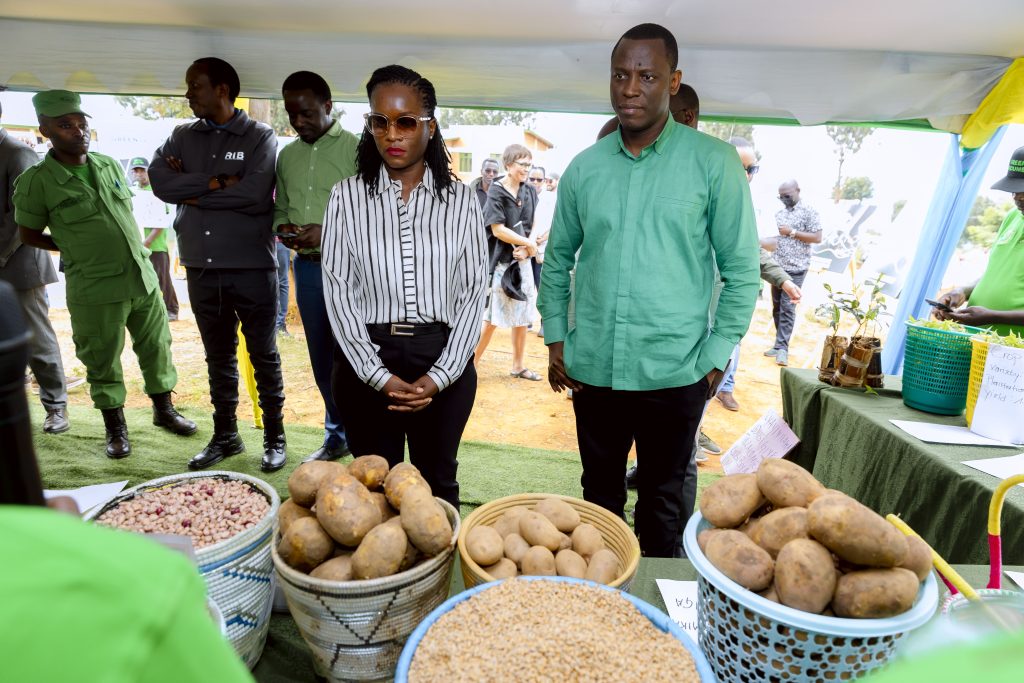
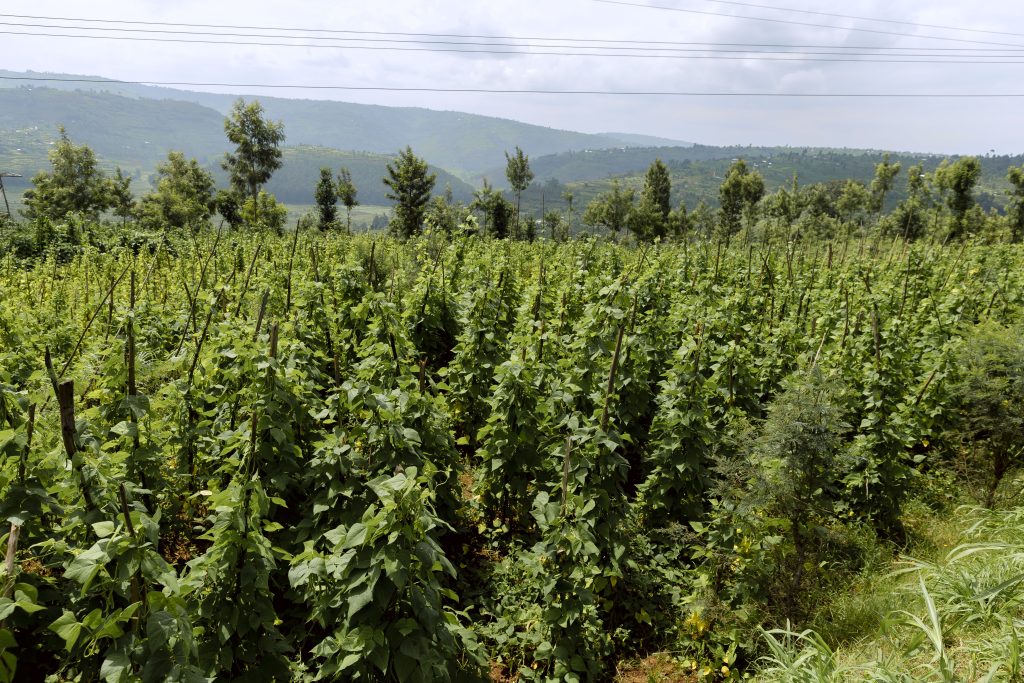
Photo:Green Gicumbi interventions have helped transform subsistence farming into more productive agriculture, significantly increasing food availability for local households.
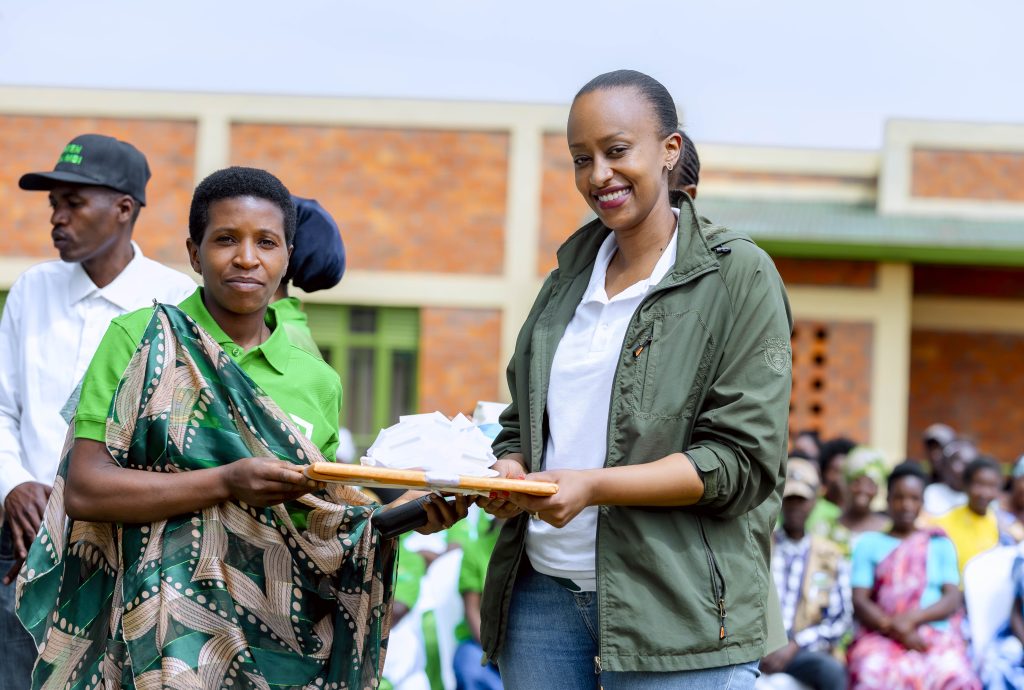
Photo:Local community beneficiaries were recognized for their dedication and role in transforming their environment through the Green Gicumbi initiative.
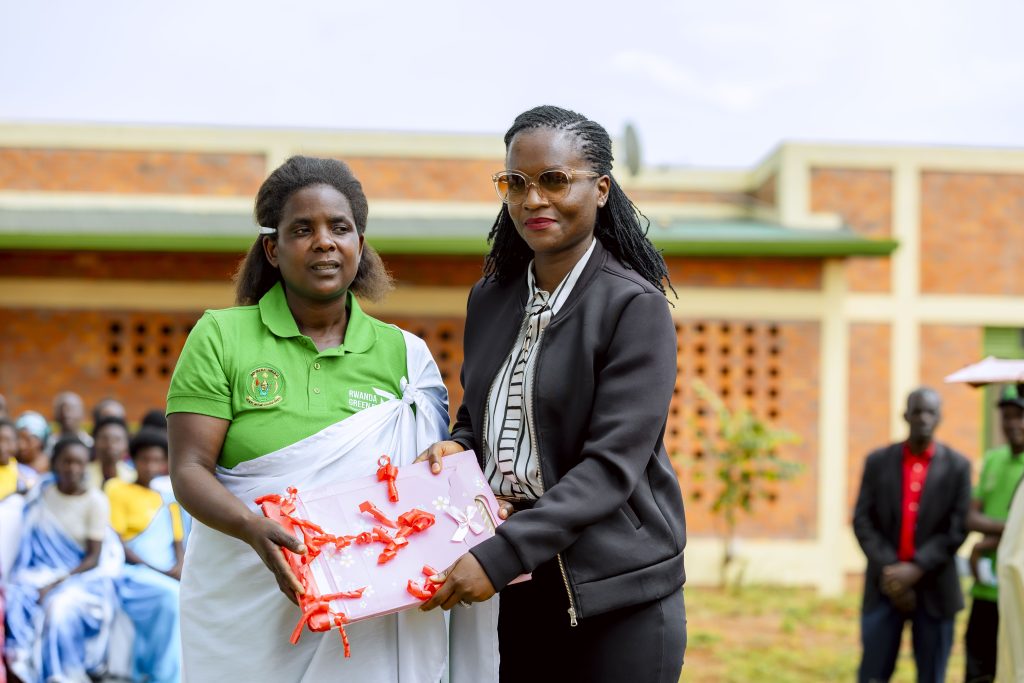
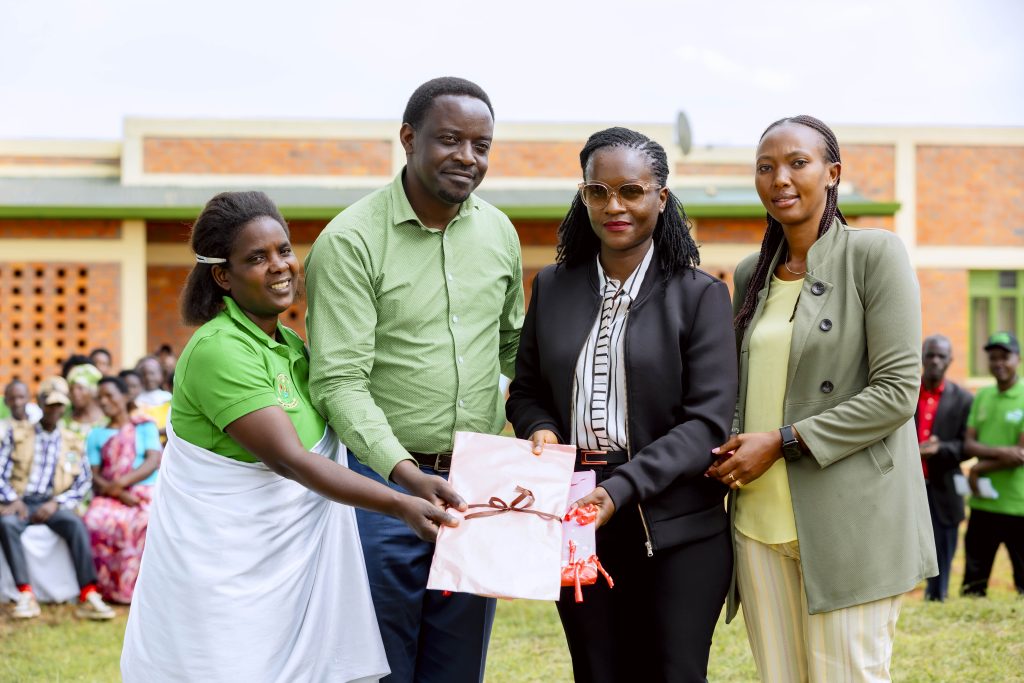
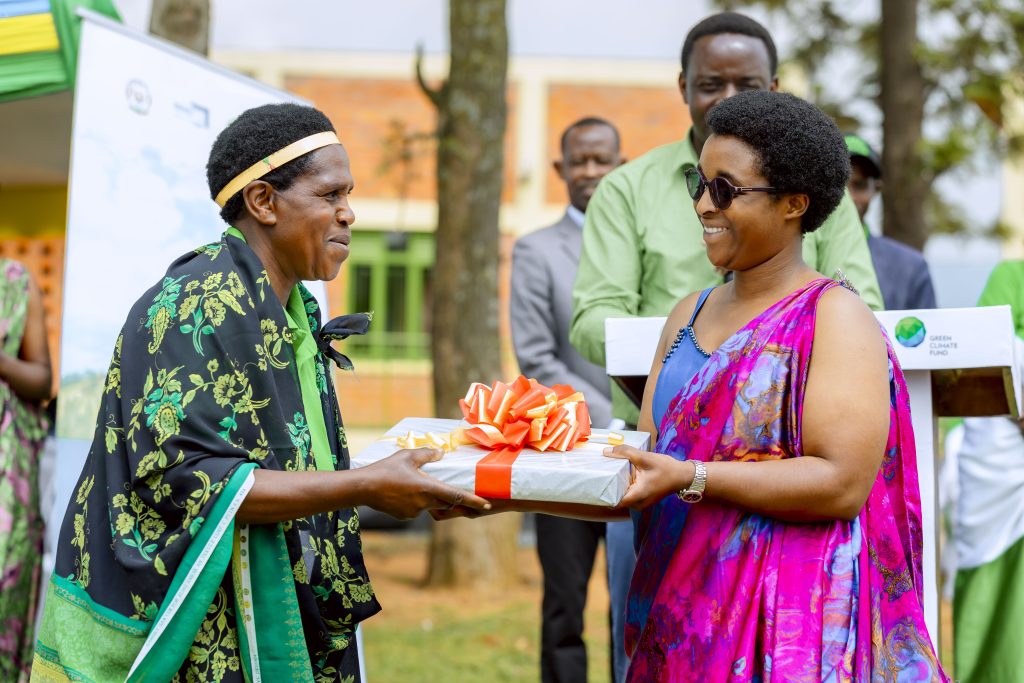
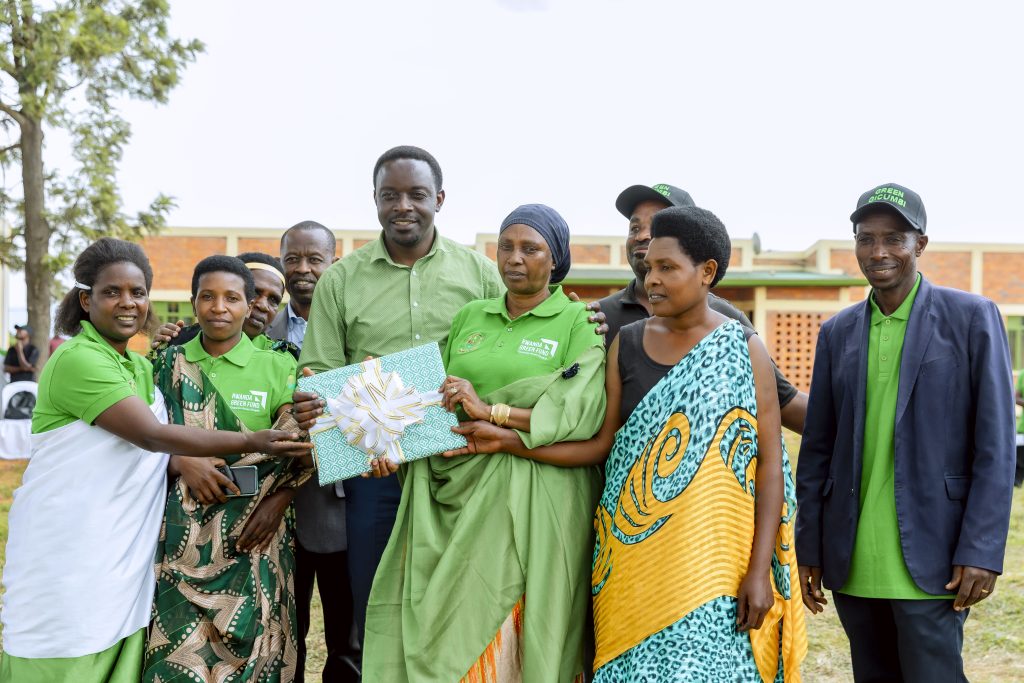
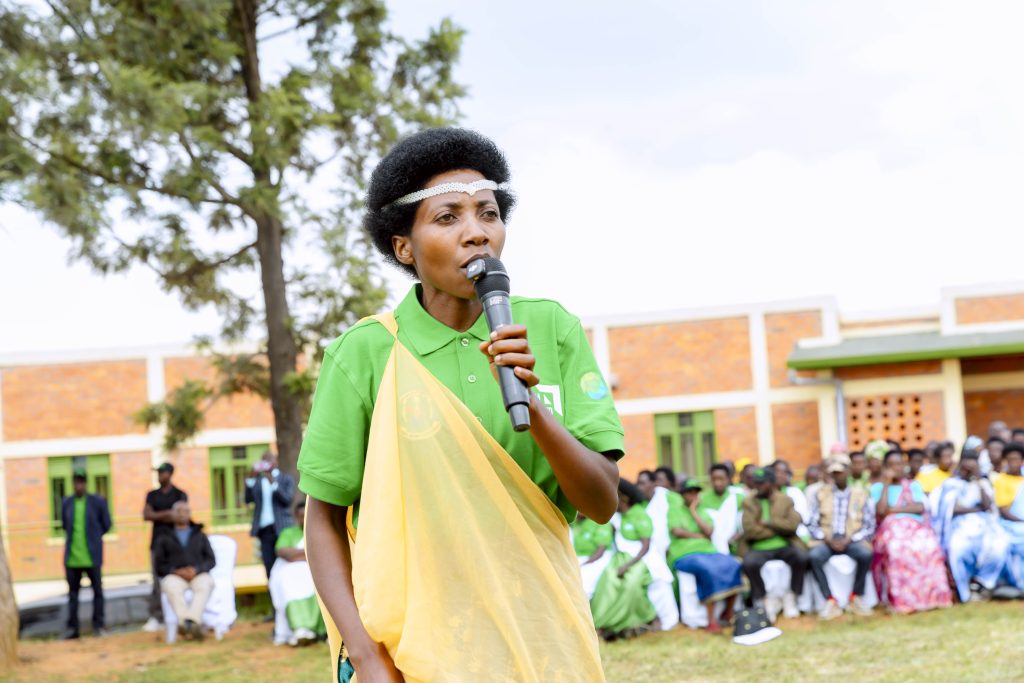
Photo: Community members will continue to build on the project’s achievements to strengthen resilience and improve their livelihoods.
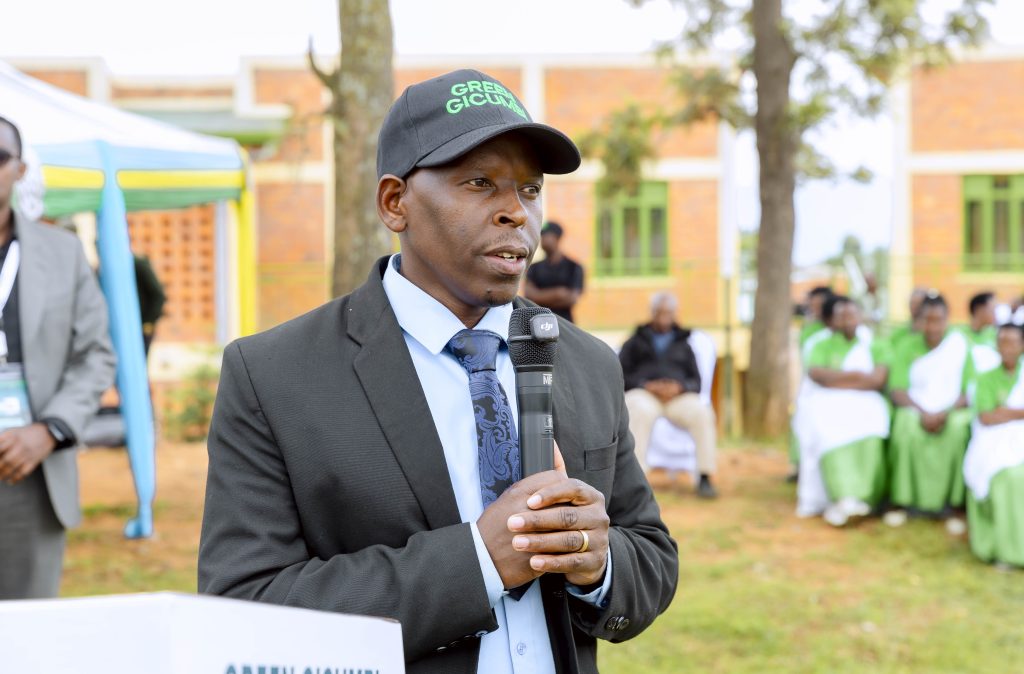
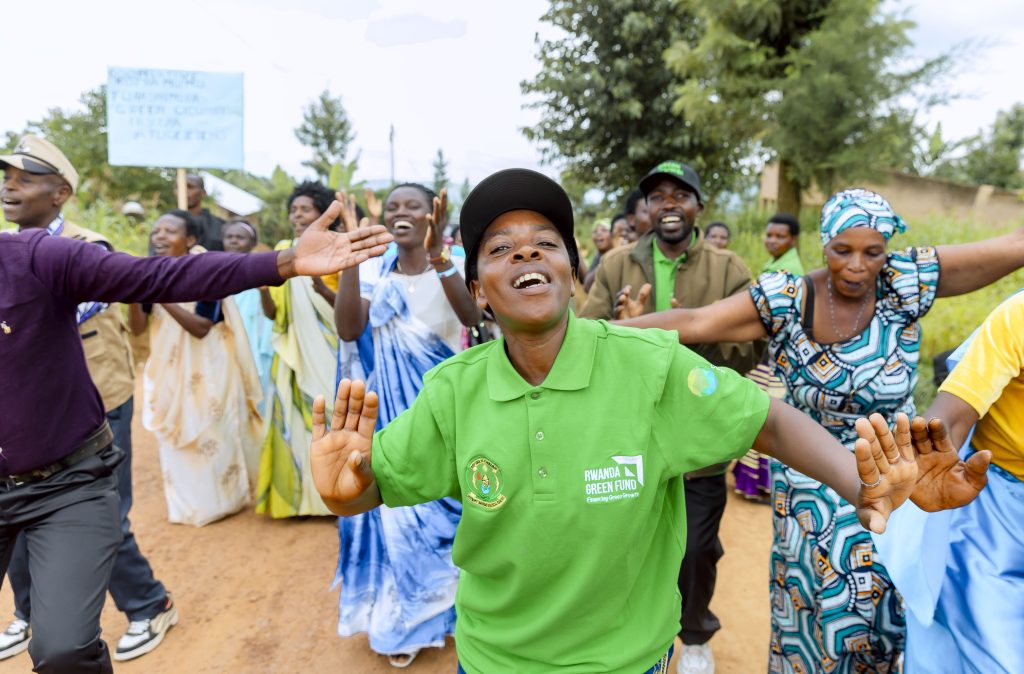
Photo:From restoring degraded forests and protecting vulnerable communities to creating more than 99,000 green jobs, the Green Gicumbi Project leaves behind a lasting legacy of climate resilience in Northern Rwanda.
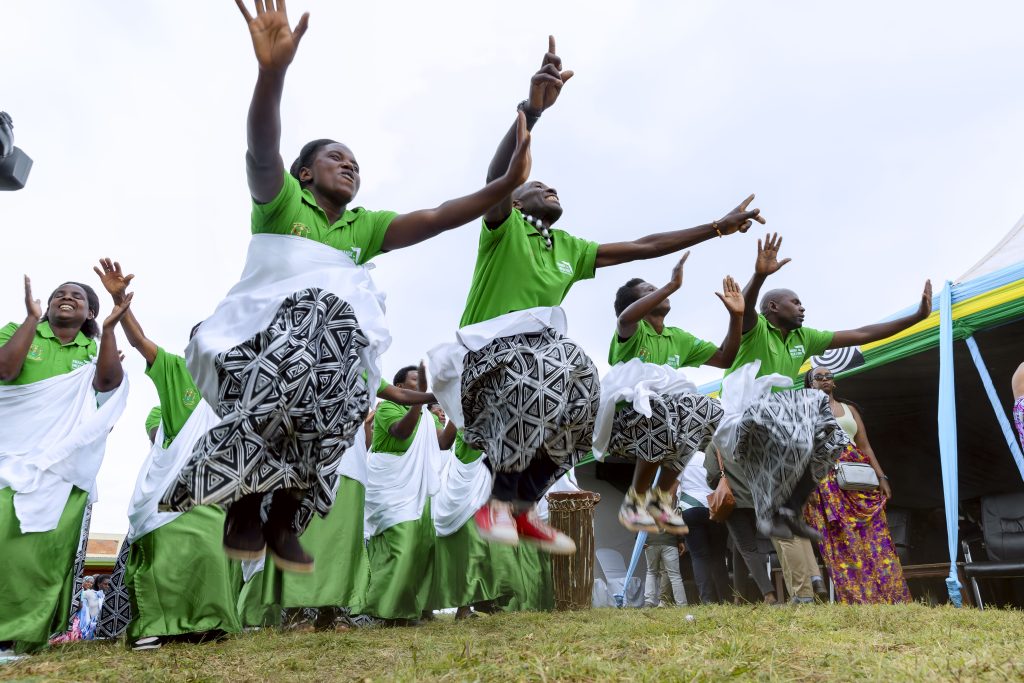
Photo:Community members are happy and proud of their role in the successful implementation of the Green Gicumbi Project.


