 0
0
 0
0
By Correspondent
The World Academy of Sciences for the advancement of science in developing countries (TWAS) and the American Association for the Advancement of Science (AAAS) brought together 12 pairs of scientists and policymakers from 13 countries, including Malawi, Paraguay, and Tajikistan, in Trieste, Italy, for the 13th AAAS-TWAS Course on Science Diplomacy.
The course deepens relationships between science and diplomacy to enable evidence-based solutions for addressing complex challenges such as climate change, food security, and biodiversity loss.
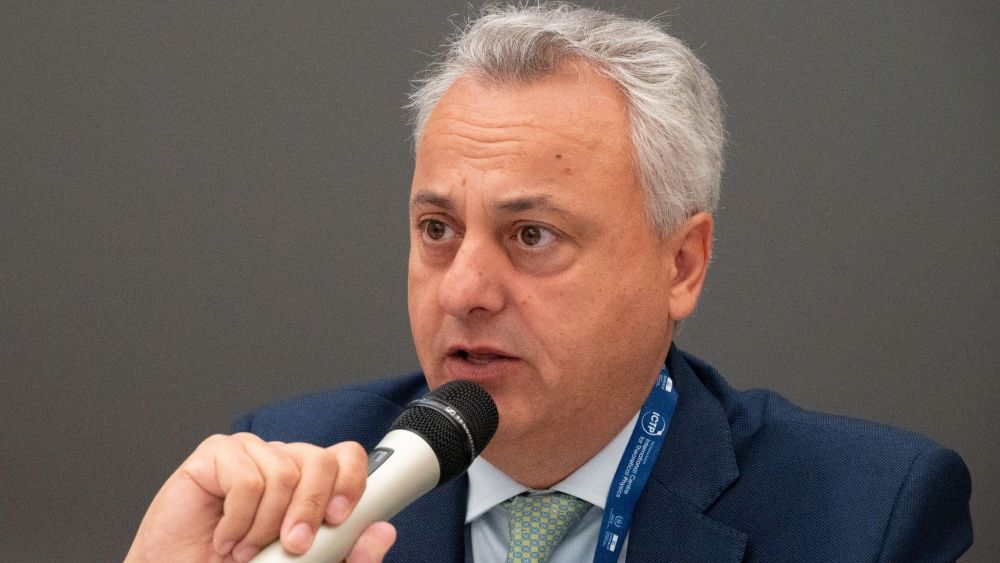
“Science is a shared driver of progress and not a geopolitical currency. Italy advances science diplomacy through international cooperation, fair competition, and trusted partnerships thanks to our extended network of research centers, universities, and scientific counselors at the Italian Embassies. We boost mobility and partnerships as a tool for common growth; we promote equitable access to knowledge, research infrastructures, and emerging technologies; and we support multilateral organizations like TWAS and ICTP that we proudly host in Trieste.
Science diplomacy must be the foundation for addressing complex challenges with evidence, transparency, shared responsibility, and common global standards and governance,” said Lamberto Moruzzi, Director for Scientific, Space, and Sports Diplomacy within the Directorate-General for Growth at the Italian Ministry of Foreign Affairs and International Cooperation (MAECI).
MAECI has supported TWAS since its founding, providing core contributions to its work, and remains a key partner in advancing science for development.
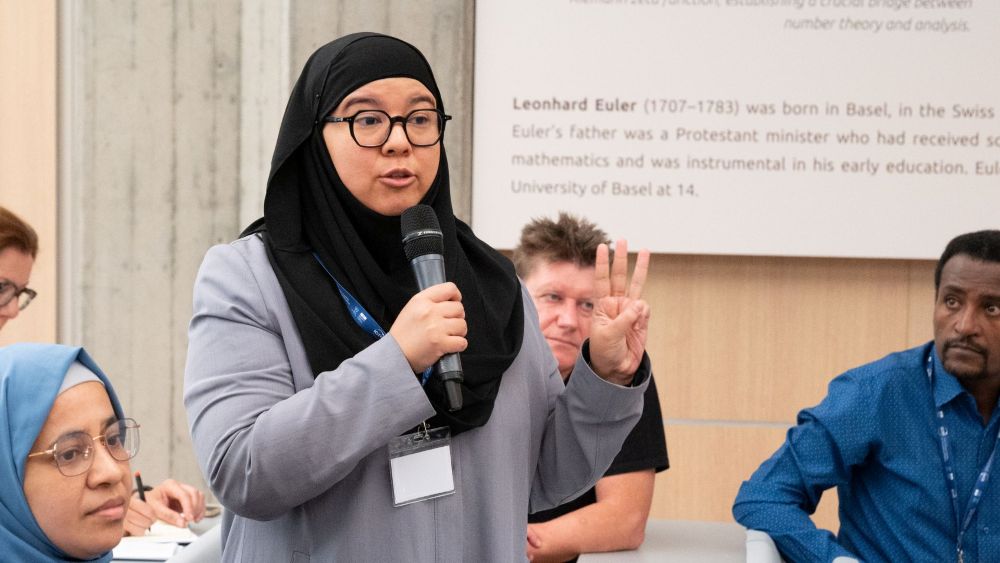
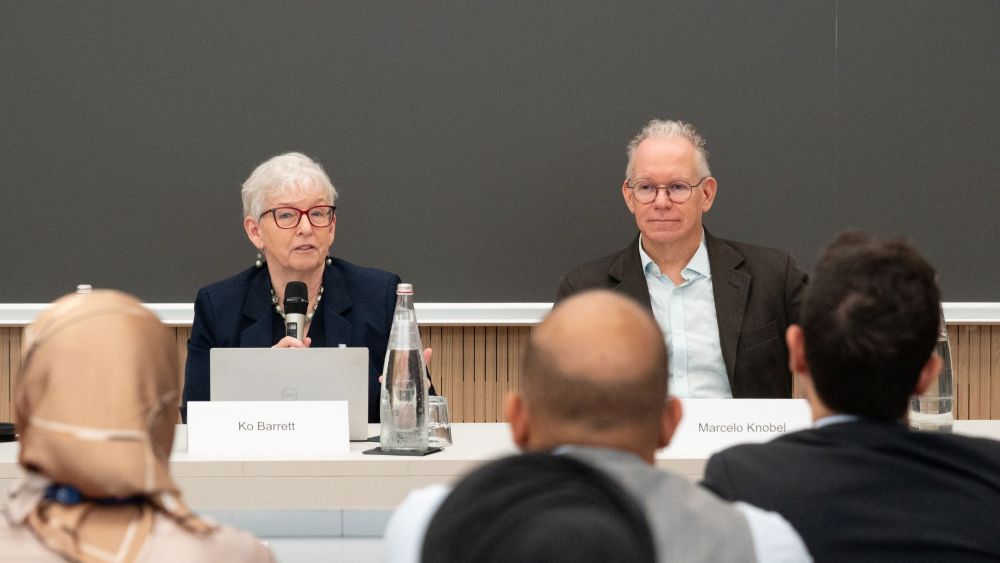
“Amid conflicts, the climate emergency, and the growing spread of disinformation, science diplomacy has become indispensable. It is a vital instrument for building trust, bridging divides, and ensuring that scientific cooperation remains inclusive and equitable,” said Marcelo Knobel, TWAS Executive Director.
“Through this training, we are contributing to the development of the next generation of science diplomats that developing countries urgently need to strengthen their voice in global decision-making processes.”
The course will begin on 21 July with the TWAS Budinich Science Diplomacy Lecture, delivered by Ko Barrett, Deputy Secretary-General of the World Meteorological Organization (WMO), focusing on the role of science diplomacy in addressing global challenges.
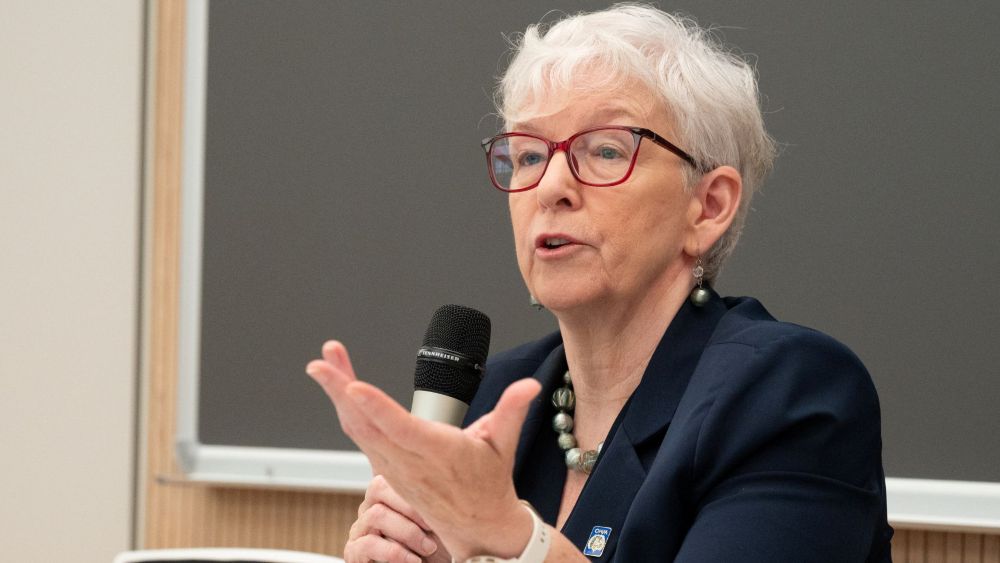
The lecture also pays tribute to Italian physicist Paolo Budinich, whose vision, developed together with Nobel Laureate Abdus Salam, led to the creation of major international scientific institutions, including The World Academy of Sciences (TWAS), and helped establish Trieste as a leading hub for scientific cooperation.
Over three days, participants will delve into topics of interest across countries, including science diplomacy in the current geopolitical landscape, mechanisms to influence decision-makers, the role of scientists amidst changes in multilateralism, and international efforts to build large-scale projects.
The course involves participant pairs from the same country. Each pair consists of an early-career scientist whose research and public engagement have implications for international policymaking and a policy or decision-maker in a science-relevant role such as a government official, diplomat, or representative from a research-funding institution.
“We are living in a disruptive era with the geopolitical context changing quickly and societies being upended by scientific and technological advances. Science diplomacy is an important tool to address the challenges and seize the opportunities of this time. This course exposes policymakers and scientists alike to that tool and provides an opportunity to build relationships with each other and the broader science diplomacy community,” said Kim Montgomery, AAAS Director of International Affairs and Science Diplomacy.
For over a decade, the AAAS-TWAS Science Diplomacy Course has prepared over 400 alumni who are now influencing policy and spreading knowledge about the fast-growing science diplomacy field throughout the developing world.