 0
0
 0
0
By Kellia Umutoniwase
An academic study has found that DelAgua’s improved cookstove program is associated with increased forest cover and vegetation in Rwanda, offering new evidence that cleaner cooking technologies could contribute to the country’s efforts to protect its forests.
The findings were presented on 13 October 2026 during a discussion on the environmental impact of the Tubeho Neza cookstove programme. The research examined whether providing households with more efficient cooking stoves could reduce demand for firewood and ease pressure on forests.
The study, titled The Forest Cover Impacts of Improved Cookstoves, was conducted by researchers affiliated with the University of Victoria, Trinity University, and Bryn Mawr College. It used more than two decades of satellite data and two analytical methods to assess changes in forest cover and vegetation.
A Programme Reaching Millions of Rwandans
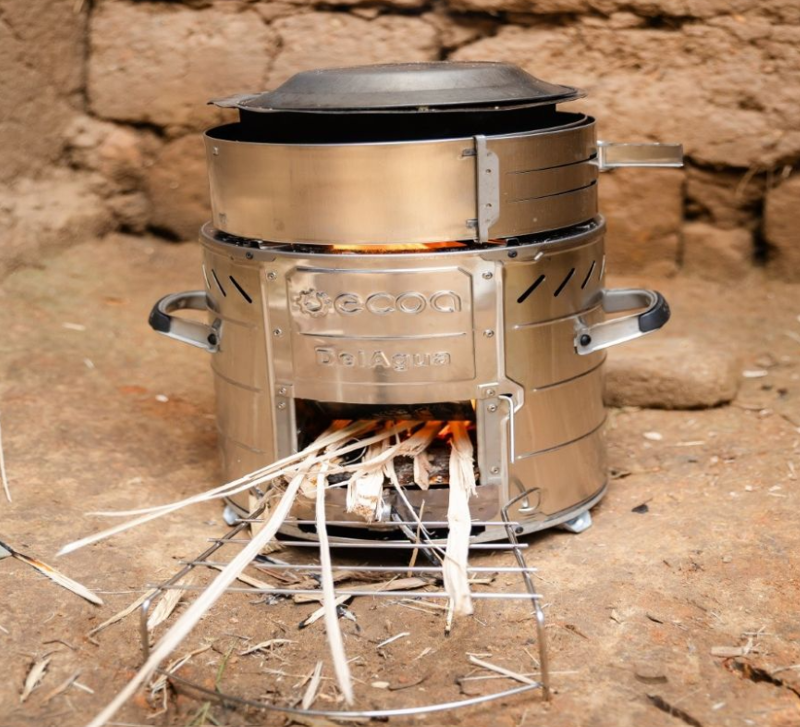
DelAgua’s Tubeho Neza program has distributed more than 1.9 million cookstoves in Rwanda, reaching over seven million people, according to the organisation’s press release. The program expanded across different parts of the country over several years, with early distributions in the Western Province in 2014, followed by the Eastern Province in 2016 and wider distribution from 2020. The improved stoves are designed to use less firewood than traditional cooking methods. During the presentation, program representatives explained that the technology can reduce wood consumption by approximately 70% under the conditions described.
By reducing the amount of firewood needed for cooking, the program aims to help households use energy more efficiently while reducing pressure on natural resources.
Research Shows Positive Changes in Forest Cover
The study found a 0.61 percentage-point increase in forest cover in areas receiving DelAgua cookstoves, equivalent to a 4.4% increase relative to average forest cover.
The findings also indicate that the difference in forest cover grew over time. In the years following stove distribution, forest cover averaged 1.59 percentage points higher in program areas than in comparison areas. By the seventh year, the difference reached 3.05 percentage points. The researchers estimated that the latter result was equivalent to approximately 0.35 square kilometers of additional forest cover per area studied. The study also reported a 1.26 percentage-point increase in other vegetation, including shrubs, grassland, and areas with scattered trees, while land without vegetation decreased by 1.87 percentage points.
These findings suggest that improved cookstoves may contribute to forest conservation and vegetation recovery, although the results describe estimated effects in the areas studied rather than a uniform change across the whole country.
Households Report Financial and Educational Benefits
The research also highlighted potential benefits for rural households.
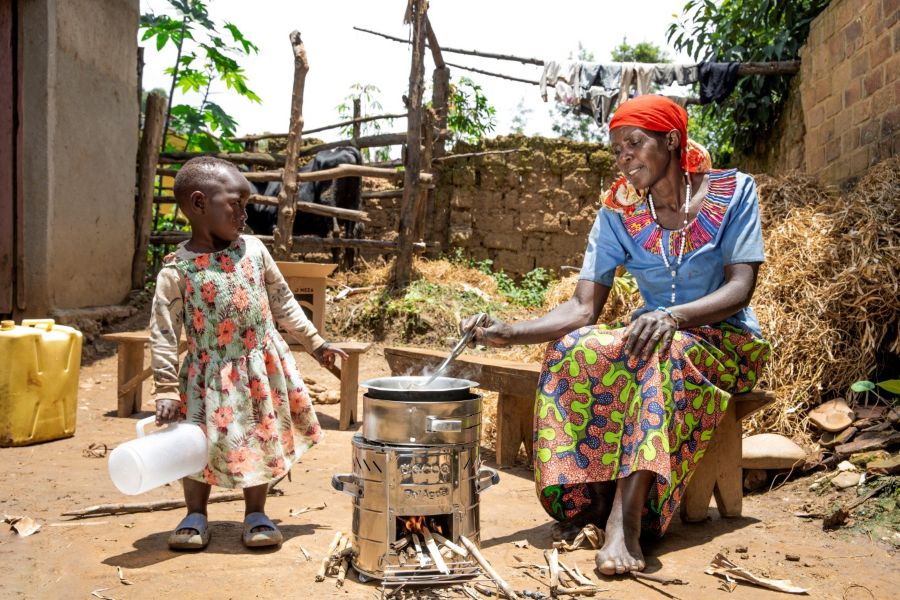
Qualitative findings reported that household spending on firewood declined from approximately RWF 10,000 to between RWF 3,000 and RWF 4,000. Children were also reported to be less likely to miss school to collect firewood.
To understand household experiences, researchers conducted 20 focus-group discussions involving more than 200 participants, including men and women. They also consulted district leaders.
The discussions explored whether families had fully adopted the improved stoves, continued using them alongside traditional cooking methods, or used the new technology inconsistently.
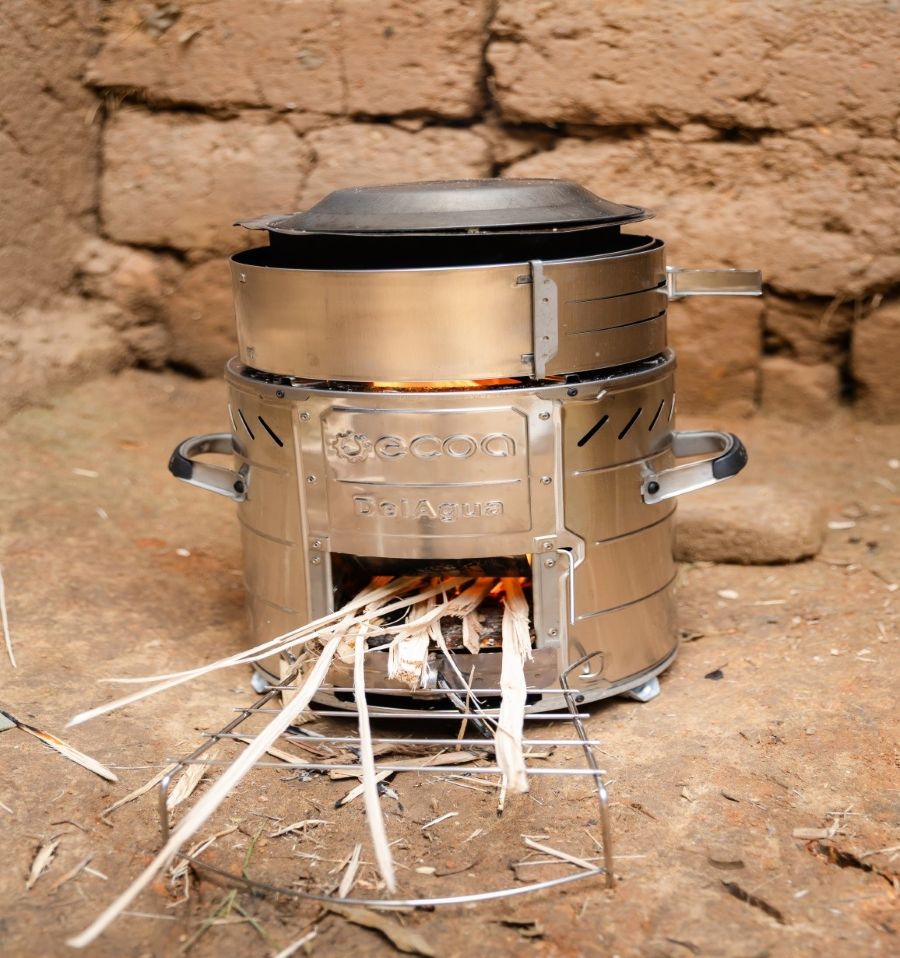
A program representative acknowledged during the presentation that some households continue to use traditional three-stone fires alongside improved cookstoves. Continued education and community engagement were identified as important ways to encourage consistent use.
The findings highlight that distributing cooking technology alone may not be enough to achieve its intended benefits. Household awareness, proper use, and ongoing community participation are also important.
Forestry Experts Raise Questions About Other Factors
During the discussion, a representative of the Rwanda Forestry Authority raised questions about other factors that may influence forest-cover changes.
The representative asked whether the research had sufficiently considered the effects of urban expansion, infrastructure development, and proximity to roads and cities.
These factors can affect tree cover independently of household cooking practices. For example, expanding settlements and construction may put pressure on existing vegetation, making it important to distinguish the contribution of cookstoves from other changes in land use.
The researchers explained that their analytical methods were designed to separate the program’s effects from alternative explanations, including other conservation initiatives and policy changes.
The questions raised during the presentation nevertheless highlighted the importance of continued research and careful interpretation of environmental data.

Turning research into action
Participants emphasised that research should help guide practical decisions rather than remain limited to academic findings.
Collaboration among universities, government institutions, program implementers, and local communities was identified as an important way to apply the evidence to environmental policy and improve program implementation.
The findings may also contribute to discussions about carbon finance, as independent evidence of environmental outcomes is important when assessing projects supported by carbon credits.
As Rwanda continues to address deforestation and promote sustainable household energy use, the research offers encouraging evidence that improved cookstoves can provide benefits beyond more efficient cooking.
However, continued monitoring, consistent household use, and further assessment of other factors affecting forest cover will be important in determining the program’s long-term contribution to forest conservation


