
 0
 0
Kigali, Rwanda – November 3, 2026 – Rwanda faces a growing challenge of translating technical and vocational education into quality employment, with 81.3% of the country’s 4.77 million employed people still working in the informal sector, often without formal contracts or social protection.
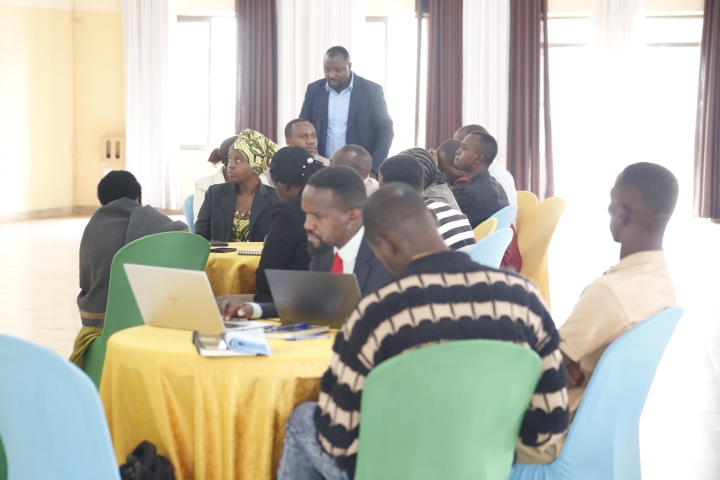
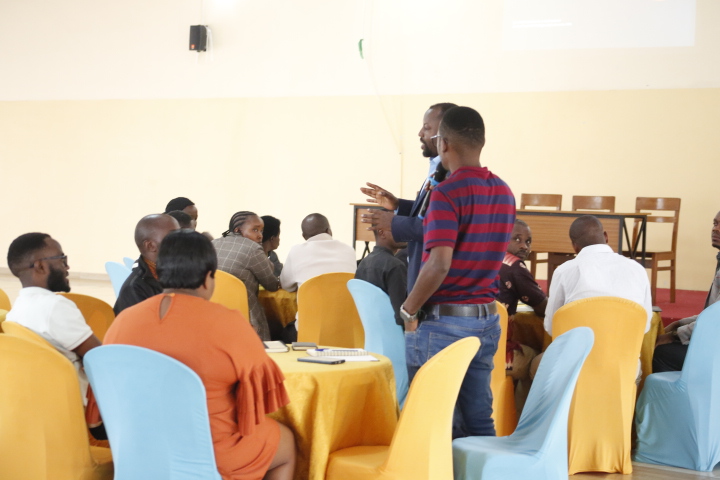
The issue took centre stage during the National Decent Work Dialogue held in Kigali on Tuesday, where public and Private representatives, employers, workers and Technical and Vocational Education and Training (TVET) institutions discussed how to improve employment conditions as Rwanda pursues its target of creating 1.25 million decent and productive jobs by 2029.
The dialogue was organized by the Salesians of Don Bosco through its Planning and Development Office, with support from Don Bosco Tech Africa.
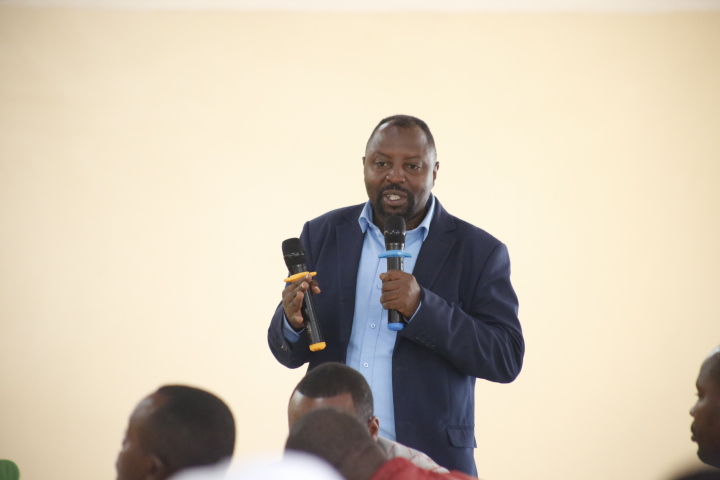
Presenting the keynote address, Decent Work Consultant Mr. Mukundabantu called for a shift in Rwanda’s employment priorities, arguing that creating jobs should go hand in hand with ensuring that workers enjoy dignity, fair income and social protection.
“We want a person coming from TVET to earn an income, to get a job that gives them dignity, to have a contract that governs them, and to be given social protection,” he said.
He explained that decent work, as defined by the International Labour Organization (ILO), goes beyond simply having employment. It involves productive work that provides fair income, workplace security, social protection and dignity.
Skills are available, but quality employment remains a challenge
One of the striking findings presented during the dialogue was that 78% of employers are satisfied with the knowledge and skills of TVET graduates.
However, the high level of employer satisfaction contrasts with the widespread informality affecting Rwanda’s labour market.
According to figures from the 2025 Labour Force Survey presented at the meeting, approximately 3.8 million workers are employed informally, representing 81.3% of the country’s employed population.
The figures suggest that while technical training is producing workers with skills valued by employers, ensuring access to stable and protected employment remains a significant challenge.
Mr. Mukundabantu emphasized that decent work must also be inclusive and free from discrimination, regardless of gender.
“When they talk about decent work, it is a good and suitable job for the person who does it, whether woman or man,” he said.
Women face greater barriers in the labour market
Gender inequality emerged as another major concern during the discussions.
The presentation showed that women’s labour underutilization in Rwanda stands at 63%, compared with 49% for men.
Women’s unemployment was reported at 14.2%, against 10.3% for men, highlighting the additional barriers women face in accessing and participating fully in the labour market.
The challenge extends beyond Rwanda. Globally, approximately 257 million young people are not in employment, education or training (NEET), with women accounting for more than two-thirds of this population.
Participants were therefore challenged to consider how employment policies and vocational training programmes can create better opportunities for young women while addressing inequalities in access to decent jobs.
Rwanda’s employment progress and remaining gaps
The Labour Force Survey 2025 figures presented during the dialogue indicate that Rwanda has made progress in several employment indicators, although significant challenges remain.
The country has approximately 8.54 million people of working age, defined in the presentation as those aged 16 and above, with 5.45 million participating in the labour force.
Of these, 4.77 million are employed.
The unemployment rate declined to 12.4%, from 14.9% in 2024, while the employment-to-population ratio improved from 53.5% to 55.9%.
However, the high level of informal employment remains a major concern.
The presentation also highlighted labour underutilization at 56%, indicating that many people are either working fewer hours than they would like or are outside employment despite their willingness and availability to work.
For the speakers, these figures demonstrate that employment statistics alone cannot fully measure the success of a labour market.
The quality, security and sustainability of jobs must also be considered.
Four priorities for creating decent jobs
The keynote presentation outlined four areas requiring coordinated action to improve employment conditions in Rwanda.
1. Formalising employment
Extending social protection and formal employment arrangements to the millions of workers operating informally was identified as a priority. Formal contracts and access to contributory social protection schemes would help improve workers’ security.
2. Addressing gender inequalities
Reducing women’s labour underutilization and unemployment requires more inclusive employment opportunities and measures that address barriers to women’s participation in the labour market.
3. Connecting vocational skills to employment opportunities
Expanding TVET programmes alongside stronger partnerships with industry was highlighted as an important way to ensure that training translates into productive and sustainable employment.
4. Strengthening social dialogue
The dialogue emphasized the importance of bringing workers, employers and government institutions together to develop practical solutions to labour market challenges.
A challenge for TVET institutions
The discussions also carried an important message for vocational training institutions, including those operated by the Salesians of Don Bosco and other training organizations.
The success of vocational education should not be measured only by the number of students graduating or acquiring technical skills, but also by whether graduates secure decent employment.
Graduates need more than technical competencies. They also need opportunities to earn fair incomes, access formal employment contracts and benefit from social protection.
The dialogue concluded with a central question for policymakers, employers and training institutions: How can Rwanda turn its employment numbers into better-quality jobs for young people and women?
As the country works towards its 2029 employment targets, the challenge will be ensuring that economic growth and skills development translate into work that provides not only income, but also dignity, security and long-term opportunities for workers.


