 0
0
 0
0
By Annonciata Byukusenge
The Green Amayaga Project stands as one of the most remarkable initiatives to have reversed the damage that climate change inflicted on parts of the Amayaga region. In certain areas, land had been so severely degraded that it could no longer support agriculture, and in some places, entire ecosystems had collapsed into what were effectively barren wastelands.
These challenges gave rise to the Green Amayaga Project, which was launched across the districts of Gisagara, Kamonyi, Nyanza, and Ruhango, the four districts that make up the Amayaga region. Its core mission was to restore degraded land, protect biodiversity, and improve the quality of life for local communities.
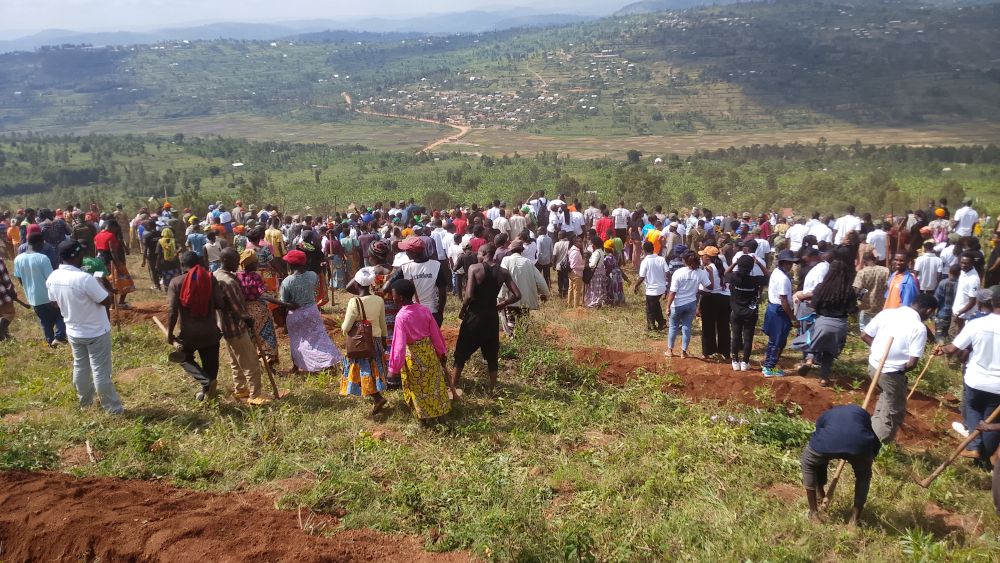
The project’s activities reached approximately 416,000 residents, of whom women made up 60.85%. It also opened doors for young people and other community groups to actively participate in environmental conservation and development efforts.
This is reflected in the testimonies of residents in Gisagara District who were directly touched by the project’s work.
Joseph Murobafi says that before the project arrived in his sector of Save, he farmed but harvested almost nothing due to soil erosion. Through the project, he gained practical knowledge in environmental conservation and proper land management.
“Erosion control structures help retain rainwater so it doesn’t wash the soil away. They also allow planted trees to grow well, since water no longer uproots them. It’s a powerful solution for protecting land and improving community harvests. Where I used to get 50 kg of beans, I’m now harvesting 200 kg, because the soil is no longer being carried off by erosion.”
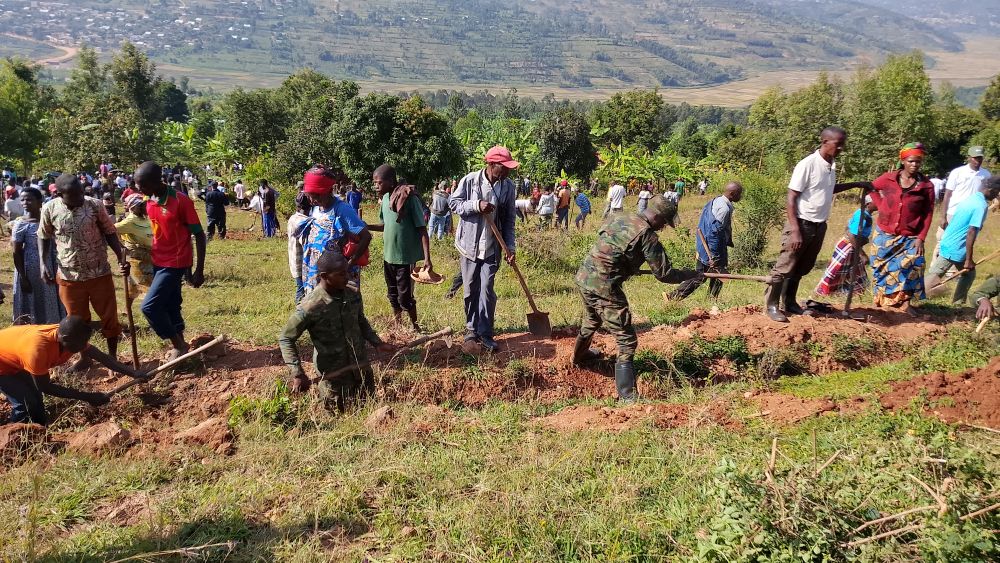
Alice Uwimana shared similar emotions, noting that erosion control structures play a critical role in slowing the speed of water running down hillsides and along houses, thereby preventing the soil below from being washed away.
“When rain falls on plain ground with no trees or erosion barriers, the water flows down with incredible force, carrying a lot of soil and destroying the land below. But where these structures are in place, the water slows down, and the soil retains its natural integrity.”
Jérôme Rutaburingoga, the Mayor of Gisagara District, noted that the project played a significant role in helping the district meet its targets ahead of schedule and in transforming the lives of its residents.
“We have seen huge benefits from the Green Amayaga project. It helped us reach our goals in environmental protection and community development. What has been achieved is evidence of the strong partnership between local communities and implementing partners.”
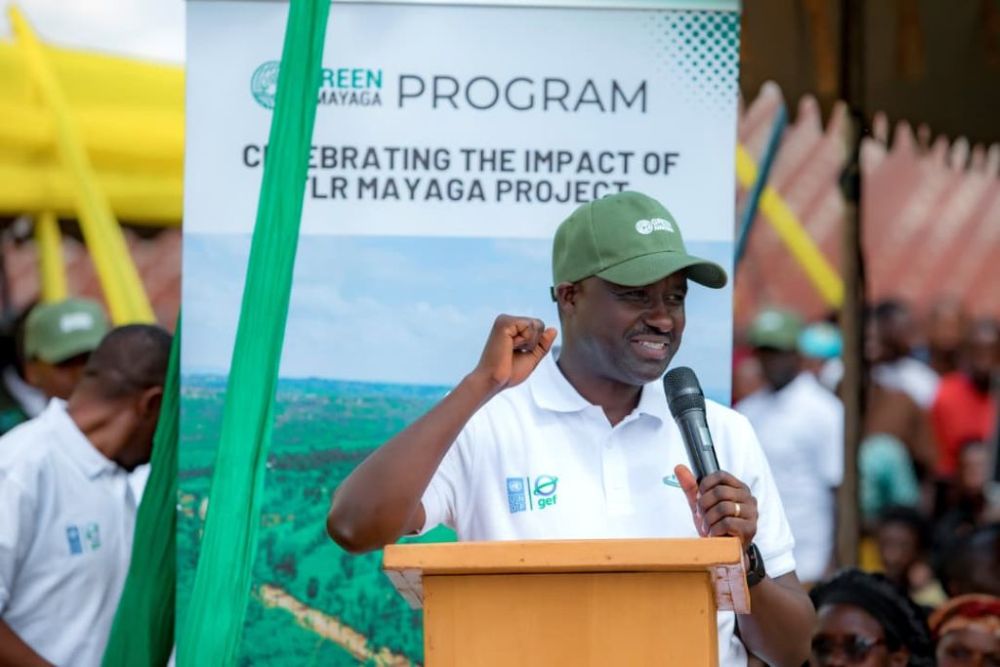
He added that trees and erosion control structures have become essential pillars in helping communities cope with the effects of climate change.
Green Amayaga also contributed meaningfully to reducing greenhouse gas emissions, with its activities preventing the release of over 625,000 tons of carbon dioxide equivalent. Furthermore, more than 224,000 households were provided with improved cookstoves that use less firewood, helping reduce deforestation while saving families money they would otherwise spend on fuel.
On May 30, 2026, an environmental week was launched in the Gisagara district, kicking off with a public awareness campaign aimed at encouraging everyone to take part in efforts to address the impacts of climate change in pursuit of sustainable development. The week also featured a volleyball tournament called the Climate Action Volleyball Tournament, organized jointly by the Rwanda Environment Management Authority (REMA) and the Rwanda Volleyball Federation (FRVB), as a way of inspiring youth and the wider public to engage more actively in environmental conservation.
Alice Kayitesi, Governor of the Southern Province, expressed her emotions on the achievements that Green Amayaga had delivered tangible solutions to the pressing challenges that had long weighed on communities across its target districts.
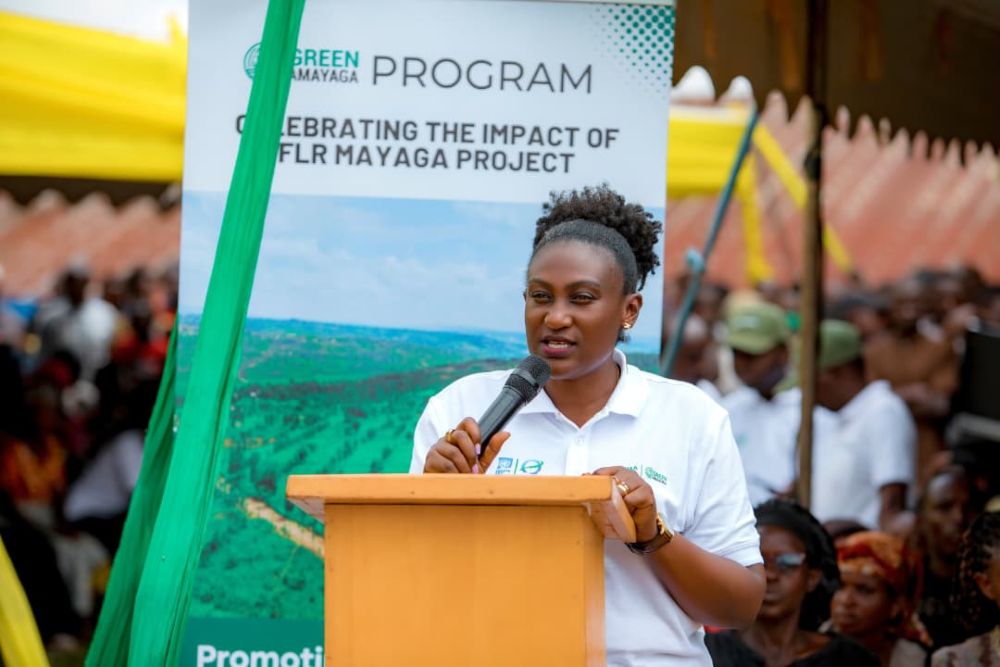
“Green Amayaga addressed many of the most urgent problems in Gisagara, Kamonyi, Nyanza, and Ruhango, and it contributed to both economic growth and improved livelihoods. We hope that the activities of the second phase will extend to other areas so that even more people can benefit from what this project has to offer.”
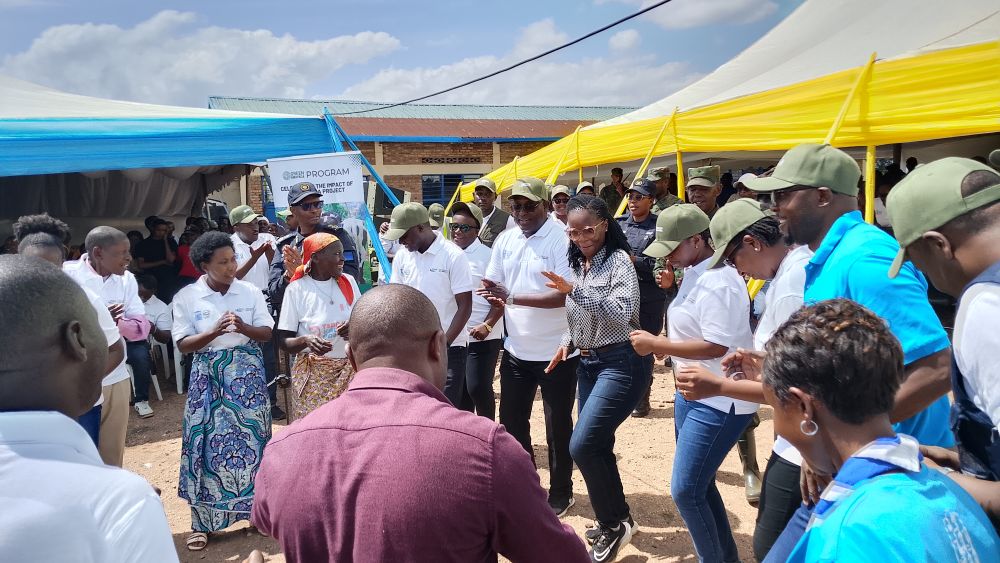
UNDP Rwanda Resident Representative Fatimata Essay, who attended the ceremony marking the close of the project’s first phase, appreciated the dedication of communities and various stakeholders in driving the project toward its goals.
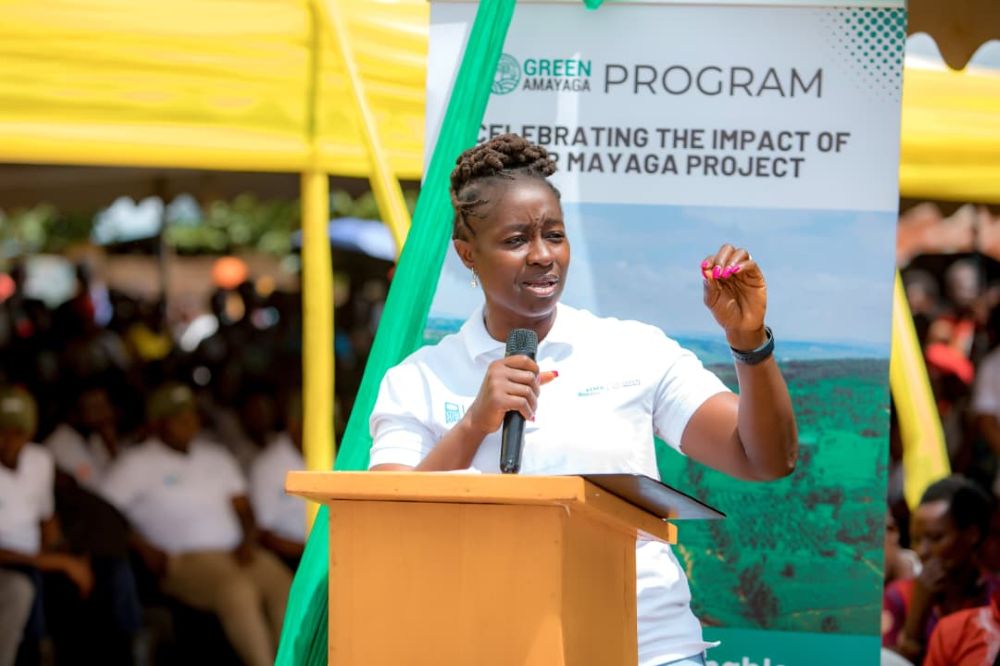
“As we celebrate what has been accomplished today, we must remember that restoring the environment is not a one-time effort; it is a long journey that demands commitment. The trees that were planted must continue to be tended, the restored areas must remain protected, and the partnerships we have built must only grow stronger.”
Minister of Environment Dr. Bernadette Arakwiye said the results of Green Amayaga’s first phase demonstrate clearly that environmental conservation and the improvement of people’s lives can go hand in hand.
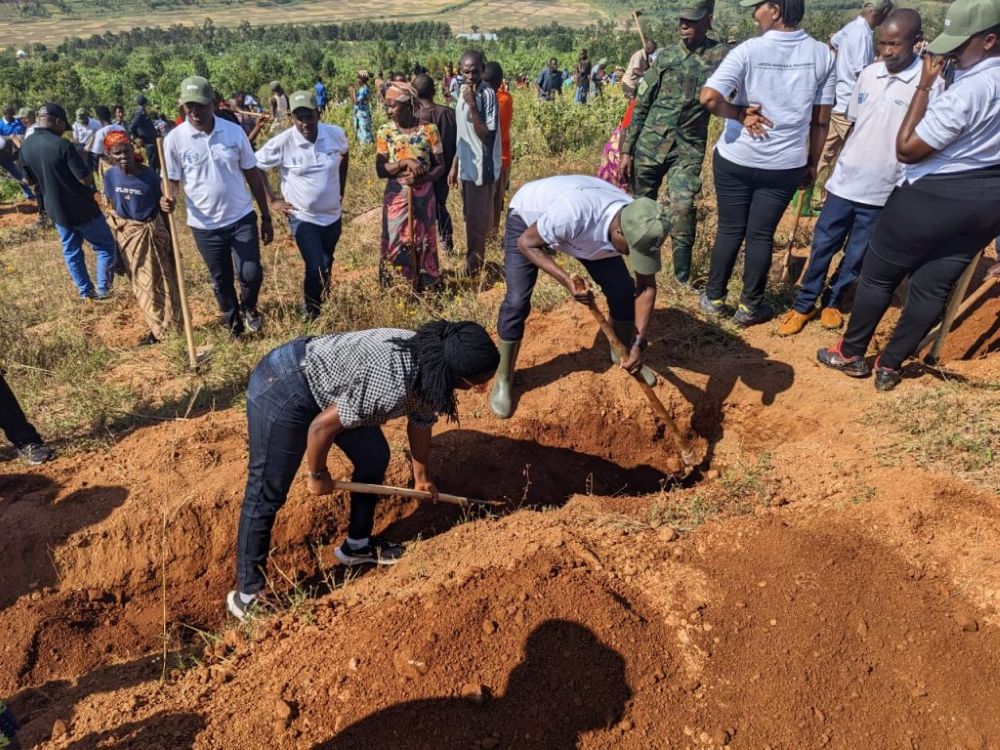
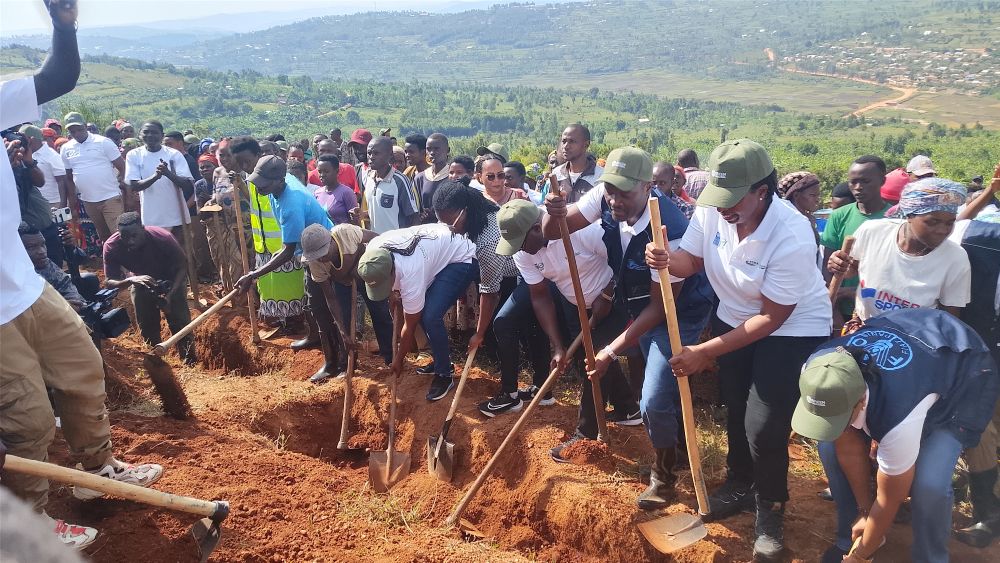
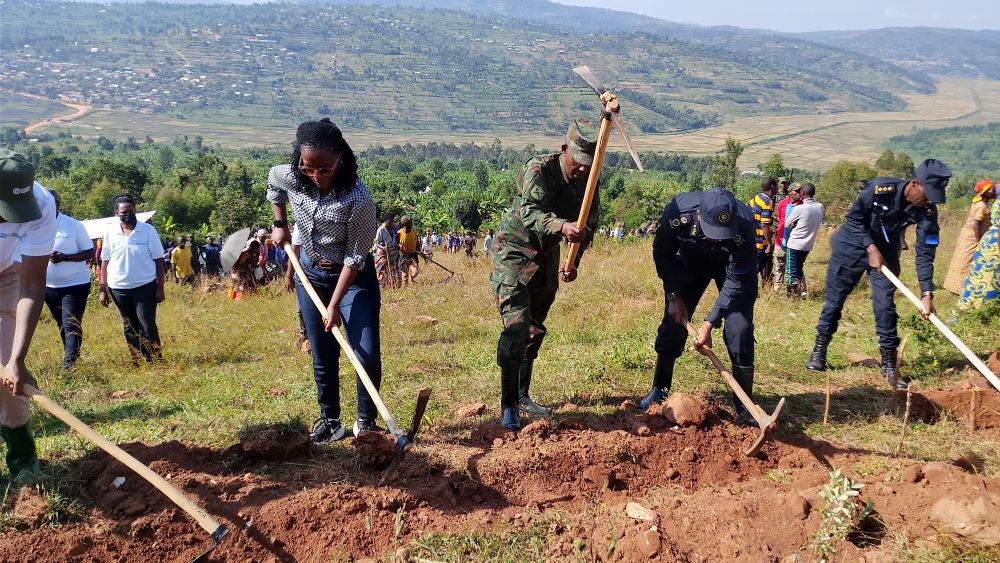
“A new chapter begins today. The project we are launching must serve as our answer to the ongoing challenges we face: land degradation, climate change, and declining agricultural productivity. We are committed to continuing to plant trees, build erosion control structures, and strengthen the resilience of our communities.”

She added that the second phase of Green Amayaga will deepen its focus on restoring ecosystems, protecting land, and advancing climate-resilient agriculture.
The first phase of Green Amayaga was implemented with a budget of USD 7 million, while the second phase will require an investment of USD 20 million, reflecting the government and partners’ commitment to scaling up climate resilience and environmental restoration efforts in the Amayaga region.
In line with both the Paris Agreement and the Kigali Amendment, the Government of Rwanda has put in place measures to protect and conserve the environment and to confront the realities of climate change. Among these measures is the commitment to restore land and combat erosion, which sits at the very heart of what the Green Amayaga Project has pursued across Kamonyi, Ruhango, Nyanza, and Gisagara.