 0
0
 0
0
By Wiydorven Clarisse
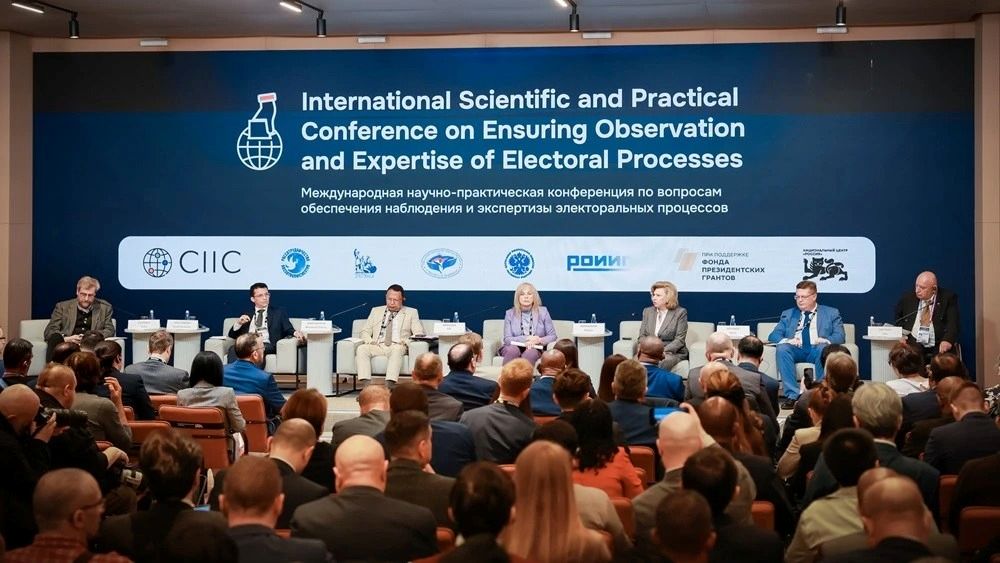
New global dynamics require new perspectives and alignments to meet the expectations of a more awakened multipolar society. The Russian Federation in April hosted the maiden International Research and Practice Conference on Ensuring the Observation and Expert Assessment of Electoral Processes.
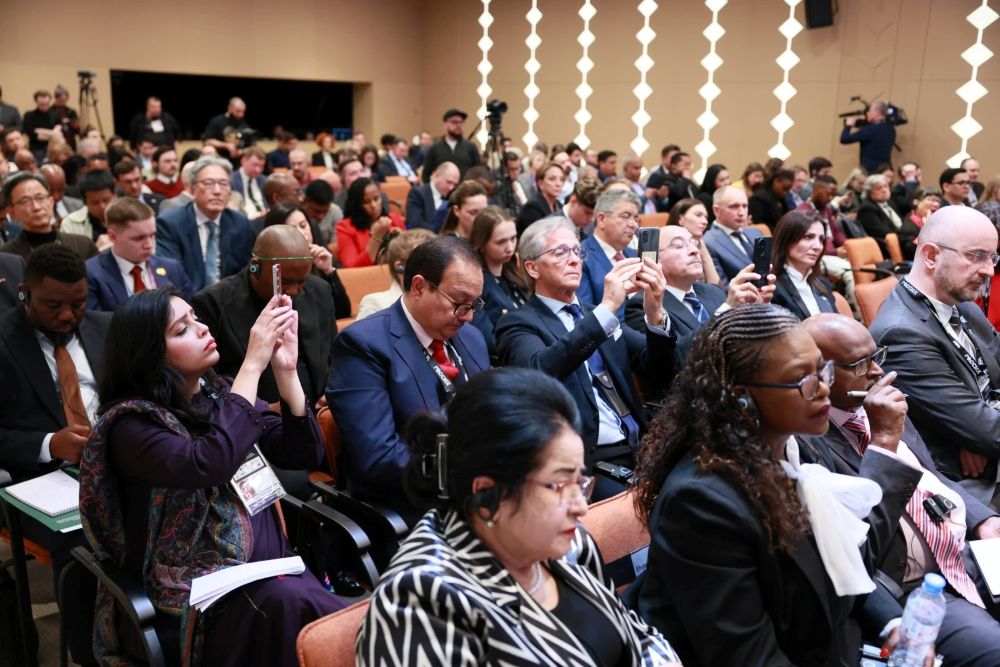
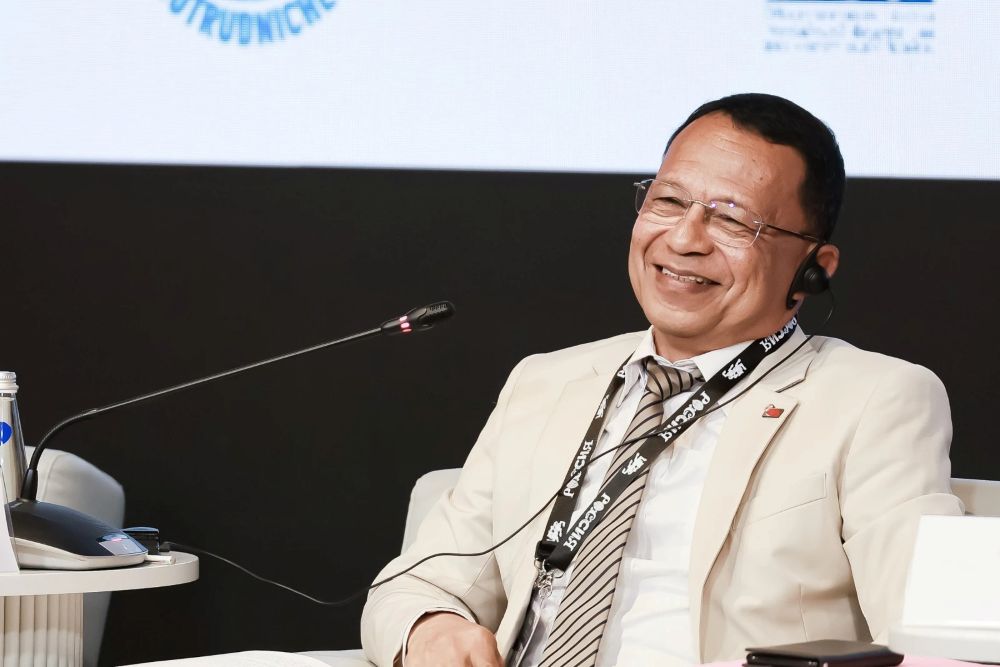
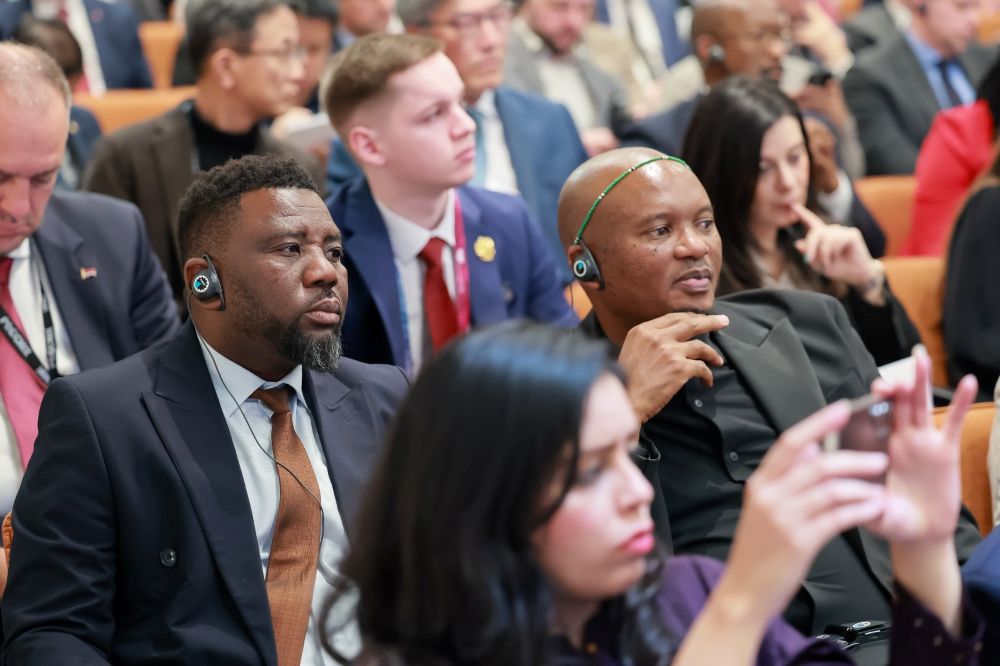
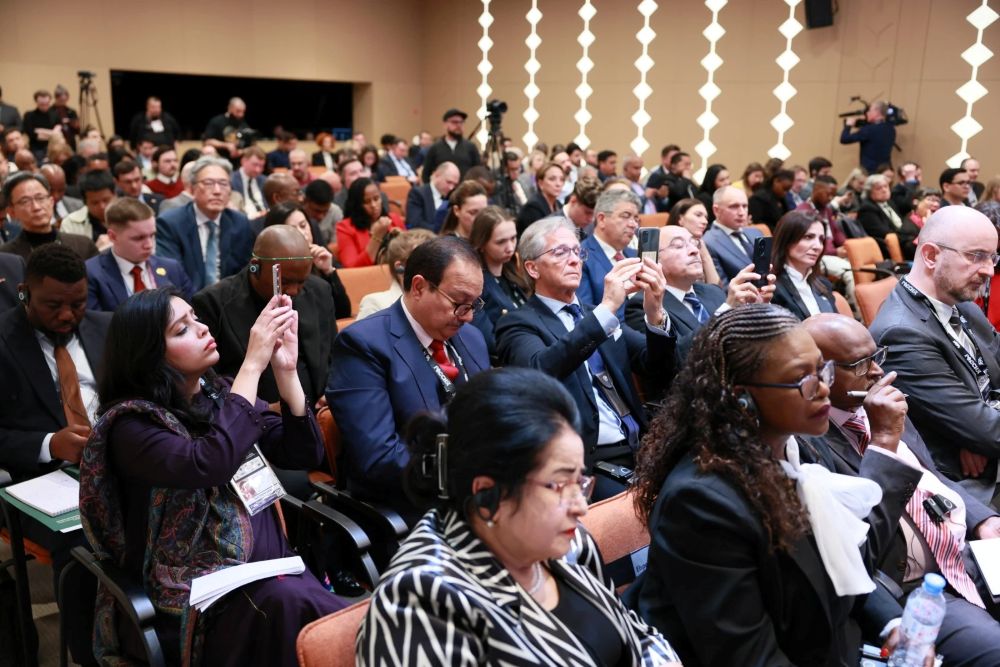
Held at the National Centre of Russia from April 14 to 15, 2026, the two-day event brought together more than 150 delegates, including diplomats, election experts, members of parliament, human rights advocates, journalists, and other stakeholders from 60 countries across Western and Eastern Europe, Asia, Latin America, the United States, Africa, and others.
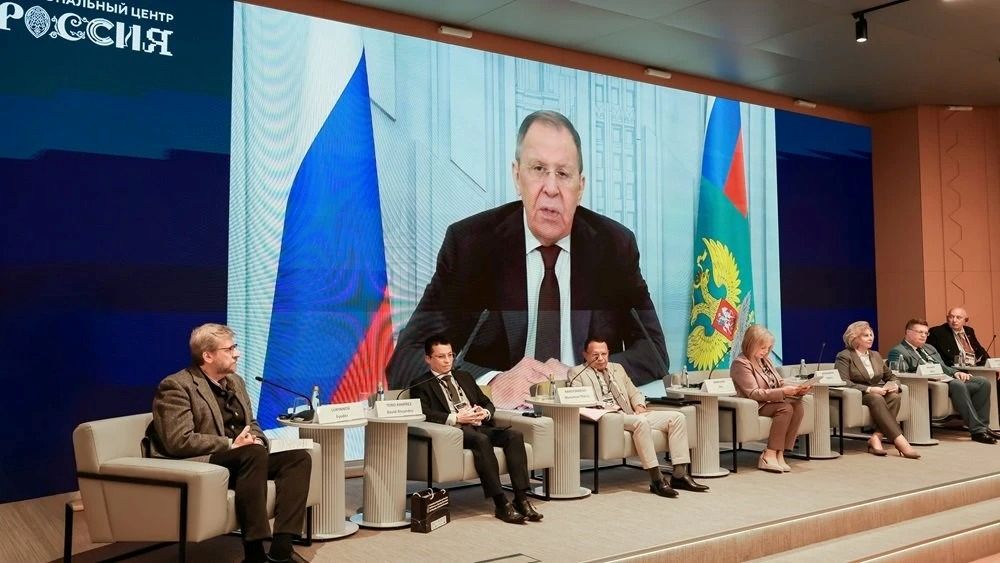
The first day of the conference featured keynote speeches from senior Russian officials, including Foreign Minister Sergei Lavrov. While addressing the conference, Lavrov underlined that the idea of creating an association for monitoring electoral processes could serve as an alternative institution for election assessment in a multipolar society.
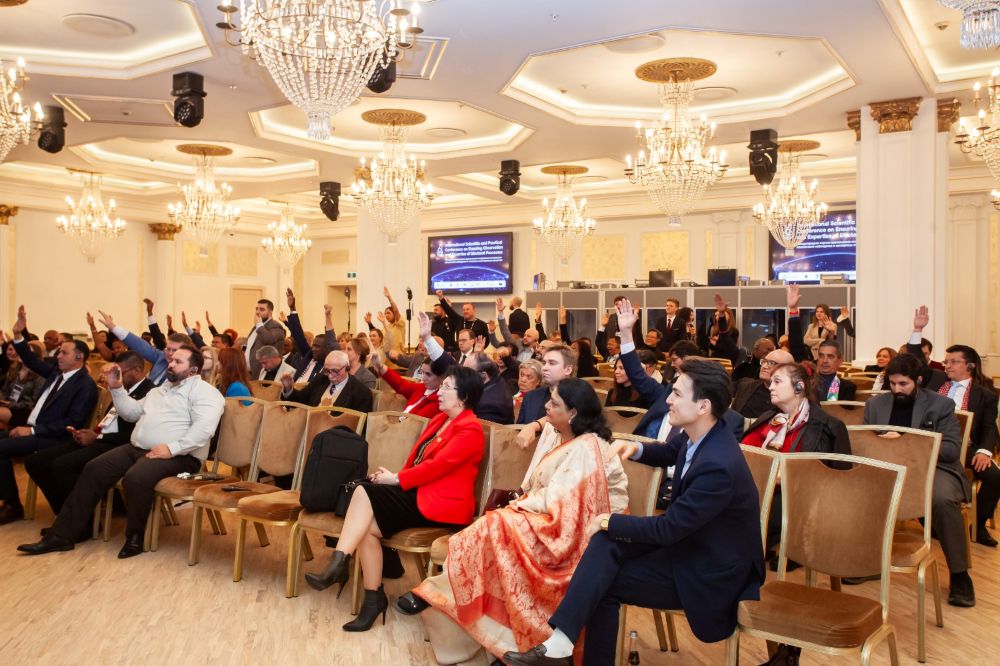
He reiterated that such a structure should ensure independent and depoliticized observation while offering a counterweight to Western approaches. “These initiatives are becoming a kind of immune response by the Global Majority to the long-standing imposition of uncontested development standards on countries, standards that take no account of their national, historical, or cultural characteristics,” Lavrov said.
The Russian official added that the creation of the association was a timely step towards providing an alternative to the traditional framework of international election observation. According to him, there is currently no international organization that brings together independent experts at a global rather than regional level.
Lavrov also said existing organizations in the field of electoral assessment often follow the agenda of Western countries, using international observation as a tool for interference in the internal affairs of other states and for the removal of undesirable governments.
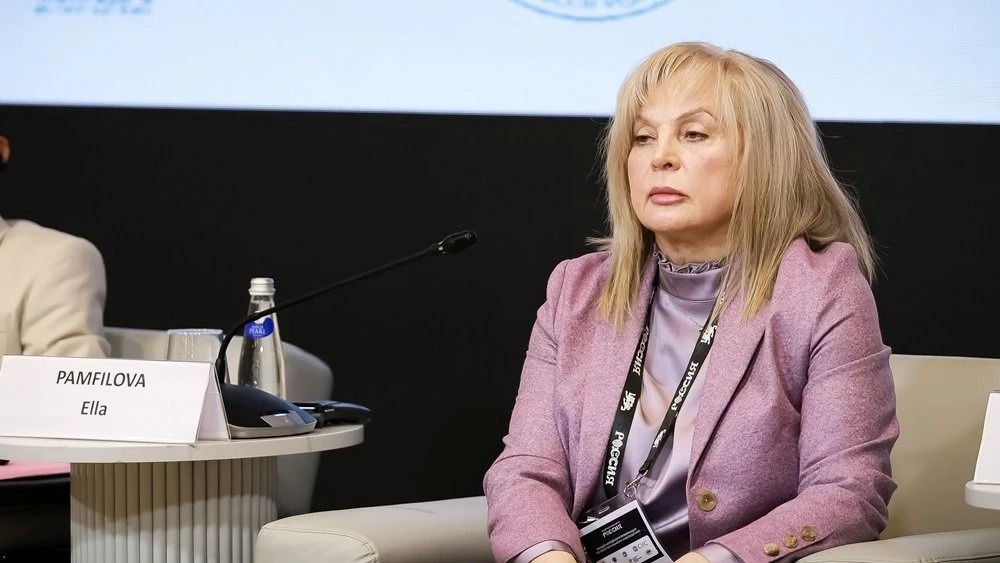
For her part, Chairperson of the Central Election Commission of the Russian Federation Ella Pamfilova underlined the importance of the non-governmental international association of this kind. She said Russia remained open to broad cooperation and engagement and expressed hope that many of the delegates would take part in observing the country’s elections. “We are genuinely open to broad cooperation and engagement with you, and I hope that we will see many of you taking part in observing the upcoming federal elections in Russia,” she stressed. “We will be pleased to share our accumulated experience with you.
We learn from our colleagues and share our own practices, treating with great respect the specific features, traditions, and characteristics of each country,” Pamfilova added. The head of the Russian Electoral Commission further expressed hope that international observers under the new association would be present during the September State Duma elections in Russia.
Why the Association Matters
The relevance of such an independent, apolitical, and international association lies in its stated mission of enhancing the credibility of electoral processes in order to strengthen confidence in elections globally, support national observation teams, and provide a scope to understand electoral sovereignty.
Participants at the conference also underlined that the association would respond to complex challenges in election observation and monitoring while improving transparency in electoral processes and referendums, as well as enhancing public trust in electoral systems. It intends to work in line with the realities and peculiarities of host countries.
The association is expected to provide additional support for electoral rights and the freedom of participants. In a broader context, it seeks to reinforce states’ commitment to international obligations regarding democratic standards in the planning, organization, and conduct of elections and referendums.
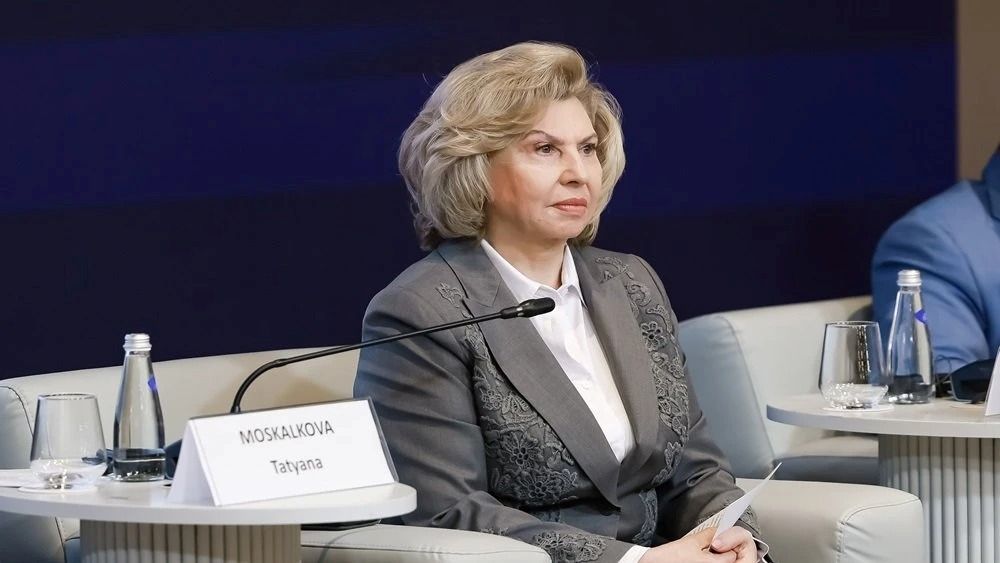
The initiative also appealed to the Human Rights Commissioner of the Russian Federation, Tatyana Moskalkova, who revealed that new forms of voting and observation have emerged, alongside a broader range of institutions and participants in the monitoring process. “We are developing new mechanisms that help raise the level of trust and transparency in our elections,” she said. “The more effective instruments we develop, compared to the West, the more negatively this is perceived in the West, and we, as human rights commissioners at both federal and regional levels, clearly feel this,” Moskalkova underlined.
The maiden conference featured expert presentations and roundtable discussions on topical issues, including Standards of International Observation: Balancing National Specificities and Common Principles; New Technologies in Electoral Monitoring; Best Practices in Organizing Electoral Processes; and Foreign Interference in Elections as a Threat to State Sovereignty.
Africa’s Participation
Africa’s voice resounded at the international conference through key interventions by Andriaharivola Reine Ramananjanahary, member of the “LIBERTY 32” association in the Republic of Madagascar, on inclusive and peaceful elections in transition; and Omar Mwinyi Shimbwa, member of the National Assembly and member of the Parliamentary Friendship Group with Russia from the Republic of Kenya.
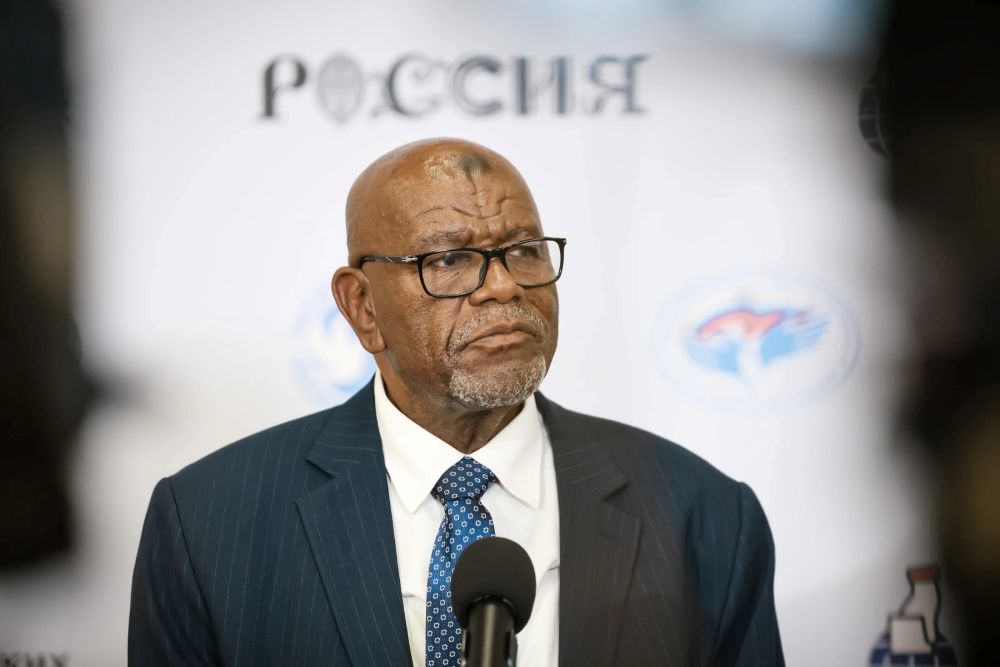
According to Hon. Omar Mwinyi, the “International Research and Practice Conference on Ensuring the Observation and Expert Assessment of Electoral Processes” is vital to upholding electoral integrity and fostering trust among policymakers, electoral officials, and democracy advocates. Despite the prevailing challenges of political interference, limited access, and resource and capacity constraints, including financial, technical, and human resources, as well as security risks in fragile zones, Omar underlined that the new association seeks to strengthen trust in elections while respecting national sovereignty.
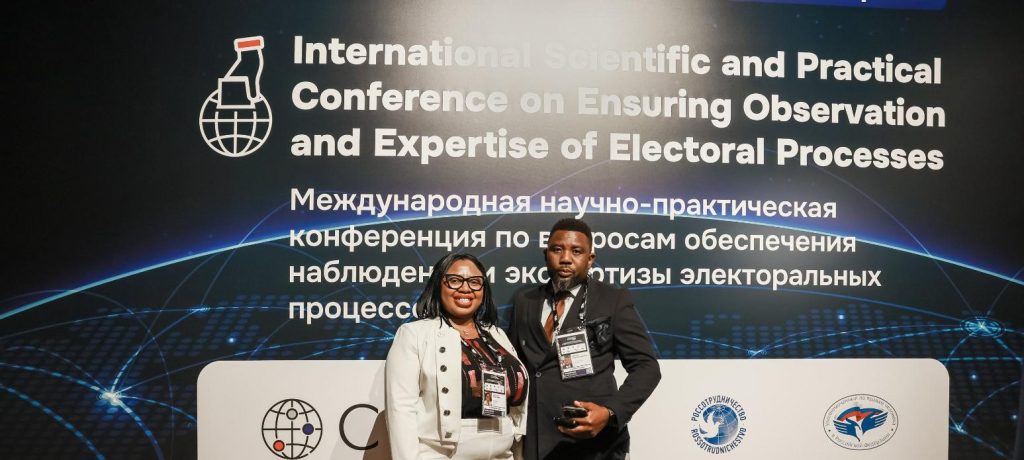
The continent’s presence was marked by the participation of politicians, diplomats, journalists, and scholars from Seychelles, the Democratic Republic of Congo, Cameroon, Uganda, South Africa, Namibia, Madagascar, Tanzania, Ethiopia, and other countries. It is also worth noting that Africa is highly represented in the governing body by Patricia Kishemeire, Ambassador of the BRICS Cooperation Forum in Uganda, and Zolani Mkiva from South Africa.
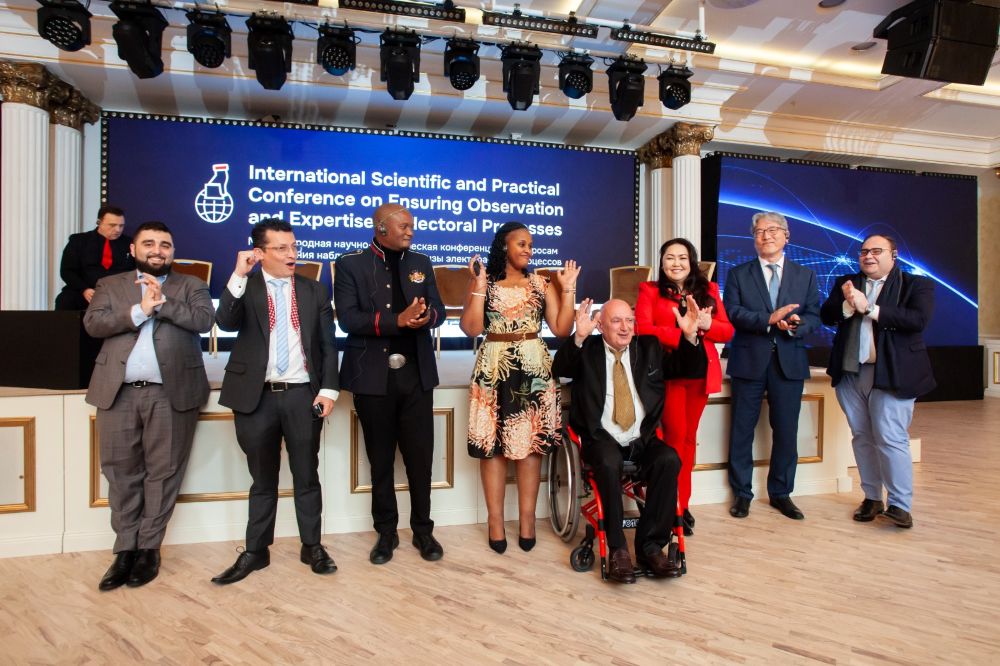
At the end of the two-day event in Moscow, delegates announced the formation of the International Association for Political and Electoral Expertise, which will operate under an eight-member governing council from Russia, Italy, Mongolia, South Korea, Argentina, Colombia, Uganda, and South Africa. A chairperson tasked with overseeing the association’s structure and operations in line with its principle of non-interference was unanimously elected by the participating nations.
The association has the primary role of assessing the openness and legitimacy of electoral processes, with emphasis on respecting the national interests of sovereign states. It equally emphasized adherence to the international observation missions and the promotion of sovereignty, international law, and political traditions.
Through this non-Western-dominated association, the voices of the Global South and other countries that are not aligned with the dogma of global elites and the collective West would be amplified. While this is a significant milestone, its status quo will shape changing realities in international relations and cooperation and the functional dynamics of a multipolar world.