 0
0
 0
0
By Annonciata Byukusenge
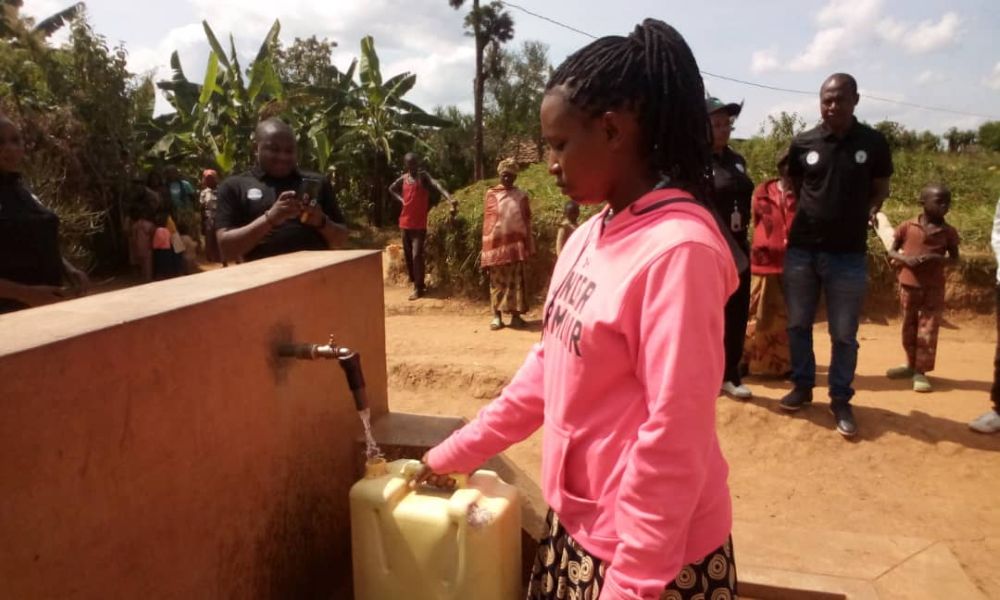
For years, the women of Shororo cell in the Busanze sector had one option when they needed water, a long walk to the Nshiri swamp. They were fetching water, which was dirty because there was no clean water in their village.
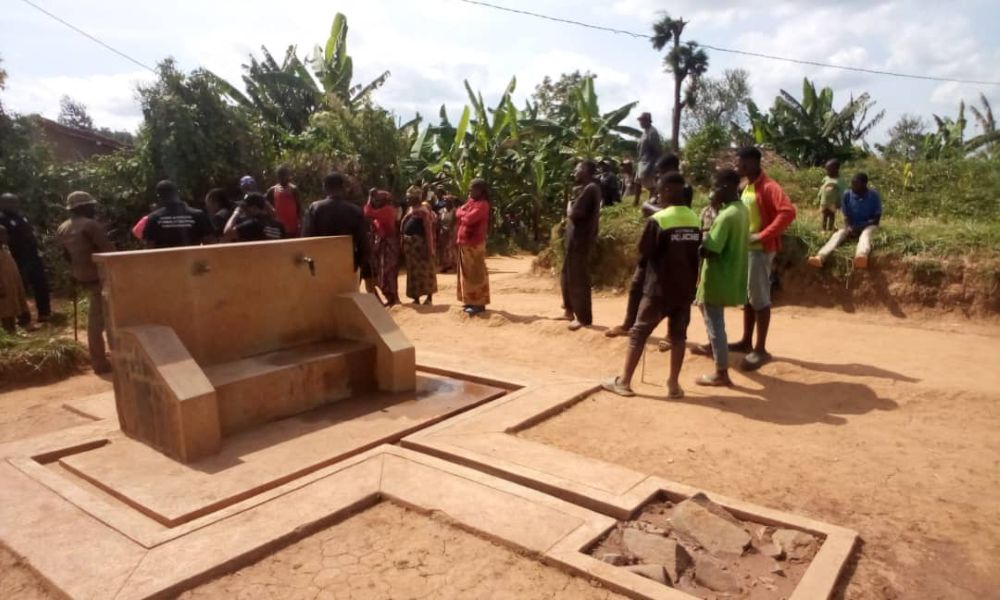
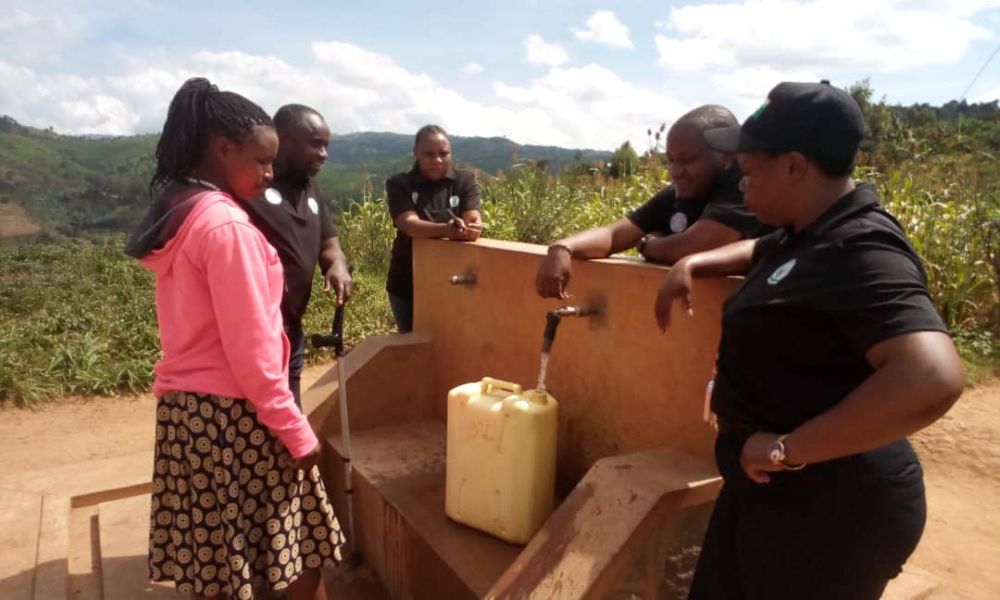
That changed in February 2025, when a new water tap was installed to serve the community. Today, residents say the difference is visible in everything from kitchen materials to cleaner homes.
“The dirty water we fetched from the Nshiri swamp made our households sick. For a grown, healthy person, it was an hour’s walk each way. For a pregnant woman, or an elderly man or woman, it took two hours.” Said Chantari, 17, who had made that long journey regularly since childhood.
Even on days they made the journey, the water never worried far enough. “A 20-liter jerrycan shared among five people had to cover drinking and cooking as priority needs in that period. But cleaning dishes, cleaning the room, washing clothes, and even cleaning our bodies were no priority to us.”
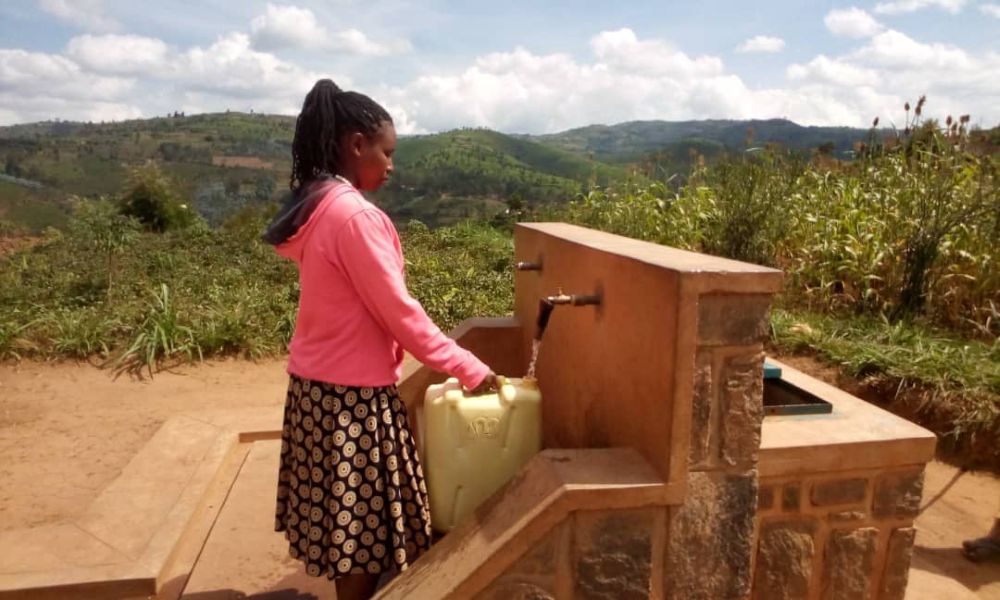
When someone fell ill or was too tired to make the trip to Nshiri Swamp, families paid neighbors who had turned water-fetching into a daily business. The going rate was 150 Rwandan francs per jerrycan, a sum that added up quickly. A household needing adequate water for the day could easily spend more than 1,000 francs.
Clean water in their village improved hygiene and sanitation
Since the Shororo tap was installed, residents say hygiene has improved markedly.
“We no longer fetch dirty water in the Nshiri swamp. Now we clean our household materials properly, our bodies, and our clothes. It’s not a problem anymore,” she said.
A visitor to her home notices it immediately, the kitchen materials drying on a table.
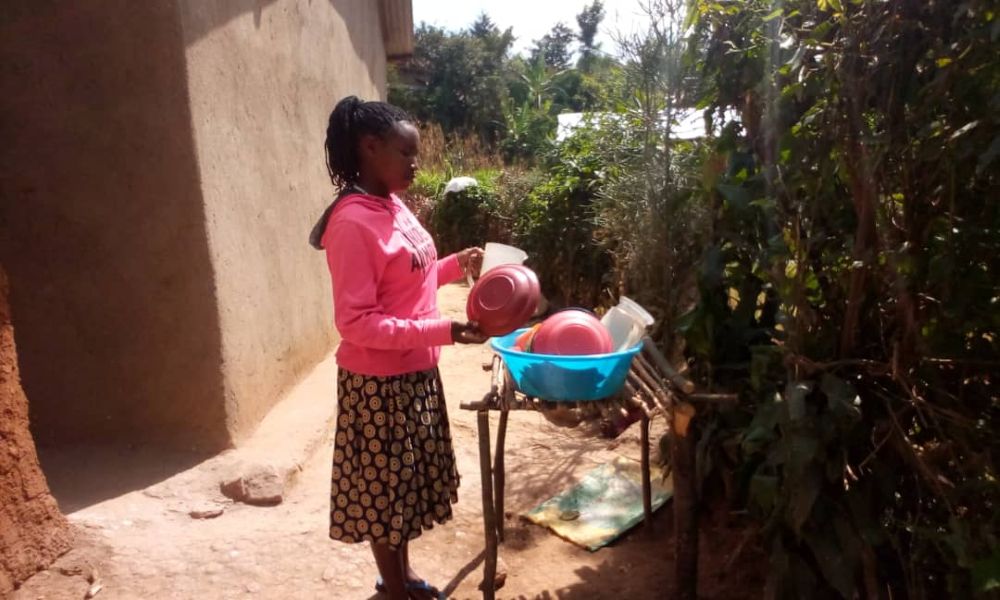
“Cleaning is easy now that water is close. I even dust the house regularly, something I never had time for before.”
The savings, she added, have had a tangible financial impact. Since the tap charges only 10 francs per jerrycan, a fraction of the old 150, she has been able to set money aside. So far, those savings have gone toward buying two pigs.
The Shororo tap was built by CPRP in partnership with the World Bank and currently serves more than 250 households.
National push toward universal access
The Nyaruguru district has reached an 86% clean water coverage rate, part of a broader national campaign that Rwanda’s government has made a centerpiece of its development agenda.
According to EICV7 indicators, it showed that the share of Rwandans satisfied with their drinking water supply dropped slightly in urban areas, from 53% to 40%, and in rural areas, from 53% to 48%, figures the government says underscore the urgency of continued investment.
Under Rwanda’s Second National Strategy for Transformation (NST2, 2024–2029), the country has set a target of 100% clean water coverage, up from the roughly 90% reached by the end of 2024. The flagship goal is to ensure every Rwandan has a water point within reach, including one million new households.