 0
0
 0
0
By Annonciata Byukusenge
Communities living around Rwanda’s national parks say the projects funded in their areas have genuinely improved their lives, especially by strengthening their households and local economies.
Uwamariya is one of the residents living near Volcanoes National Park. She says life has changed for her community because the money tourists spend also finds its way back to them through revenue sharing.
“We make handicrafts/art objects and sell them, because visitors who come to see the gorillas buy what we produce. The government gives us 10% of the park’s revenue, and that has built schools for our children and health facilities, brought us clean water for everyday use, and boosted our livestock farming. Livestock, in particular, has really helped us move forward.”
The Rwanda Development Board (RDB) confirms this. Since the program began giving communities around national parks 10% of park revenue, more than RWF 23 billion has gone into projects aimed at improving their livelihoods.
Eugene Mutangana, Executive Secretary of the Rwanda Nature Foundation (RNF), says tourism in Rwanda continues to grow strongly. In 2025, the sector brought in more than $685 million, up from $647 million in 2024.
“Most of this revenue comes from our various national parks. In 2025, Volcanoes National Park alone accounted for nearly 88% of total earnings across all national parks, generating over $35.8 million.”
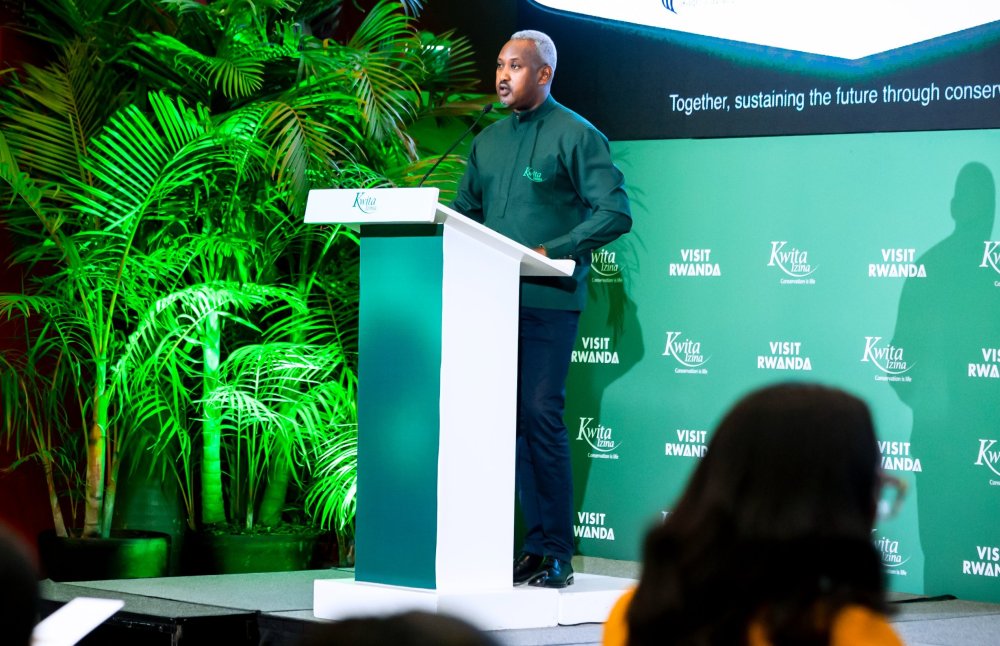
He adds that since the revenue-sharing program was introduced, more than Rwf 23 billion has been channeled into close to 1,300 community projects.
“To date, over Rwf 23 billion, roughly $16 million, has been invested in around 1,300 projects benefiting local communities. That includes schools, health centers, water infrastructure, and other initiatives that improve people’s daily lives,” he says.
For him, this is clear evidence of the value of conserving these parks and the biodiversity within them.
The Governor of the Northern Province, Maurice Mugabowagahunde, says having Volcanoes National Park in the region has played a major role in local development. As communities keep benefiting from these projects, they increasingly understand why conservation matters.
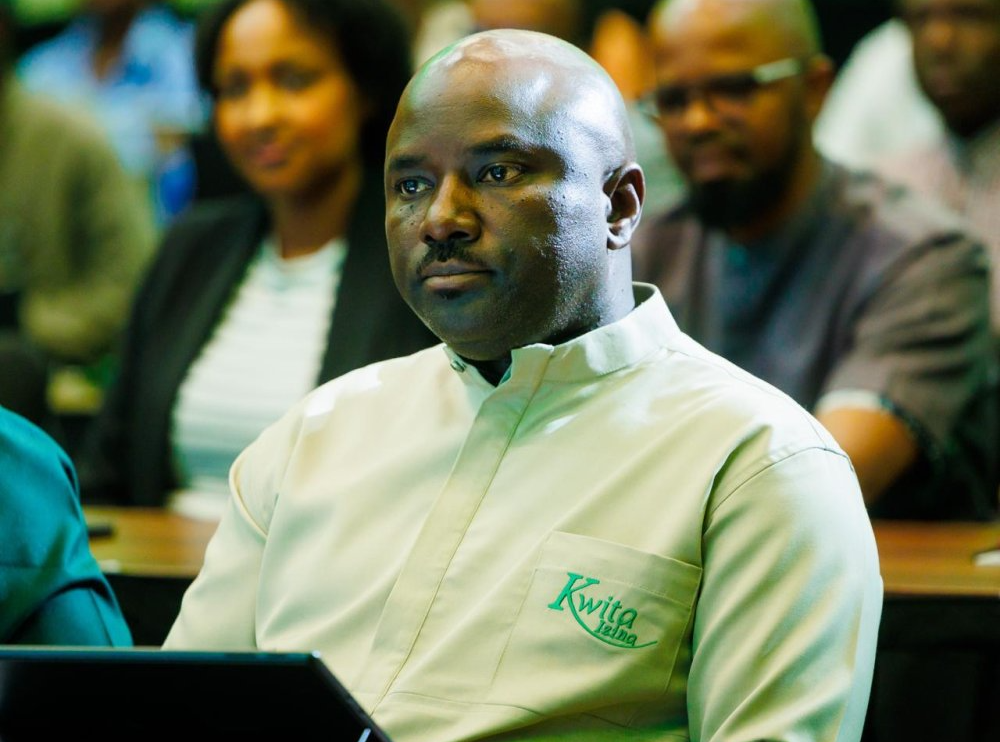
“People living around the park now have schools, electricity, water, markets, and roads, all thanks to the park. There are more projects planned for them too, including model villages. All of this shows the real value of living alongside a protected area and helping to conserve it. Today, these same communities are often the first to stand against poachers and anyone trying to harm the park.”
Beyond the funds channeled directly into community projects, residents have also seized the opportunity to build businesses around the growth happening in their areas.
“Today, the Northern Province has more than 50 star-rated hotels, many of them close to the Virunga region, so that visitors coming to see the gorillas never struggle to find a place to stay or eat (restaurant). None of that would exist without Volcanoes National Park driving development in the surrounding communities.”
The program supporting communities around national parks began in 2005, initially sharing 5% of park revenue. Since 2017, that share has doubled to 10%.


