
 0
 0
By Frank Raphael Maluwa, Malawi –
Nowadays, visiting a public hospital for treatment is no longer the same. You either return home without receiving treatment or are told that the drugs are unavailable and advised to buy them from nearby pharmacies.
In many cases, the problem may not necessarily be a shortage of drugs but rather theft or smuggling of medicines intended for patients in public hospitals.
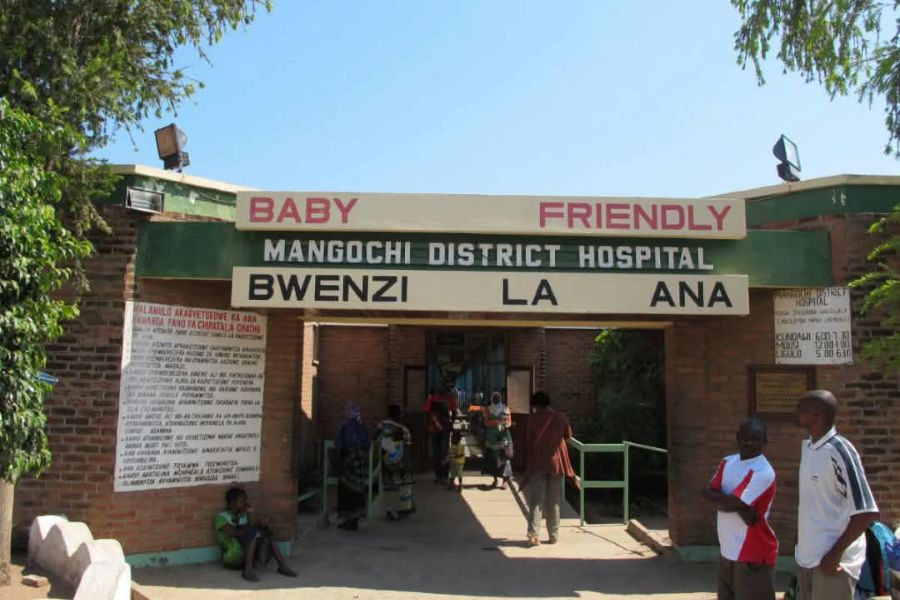
In this edition, Frank Raphael Maluwa exposes how medicines intended for patients in government hospitals are allegedly stolen and diverted for private sale. Frank takes us to the Mangochi district, where the investigation was carried out.
The Ministry of Health encourages Malawians to seek medical care at government hospitals, where healthcare services are generally provided free of charge. These facilities are also expected to provide appropriate medical advice and essential medicines to patients.
However, despite these efforts, many patients leave government hospitals with prescriptions but without the medicines they need. Instead, they are often advised to purchase the drugs from private pharmacies.
This raises serious concerns about the availability and management of medicines in public health facilities.
According to the World Bank in 2023, it found that approximately 35 percent of the medicines procured by the Malawi government are smuggled or diverted between central medical stores and final delivery points.
The research further highlights that most theft occurs after delivery at a public health facility rather than during transit.
Sustainable Development Goal 3 (SDG 3) focuses directly on health, aiming to ensure healthy lives and promote well-being for all ages by 2030.
Universal health coverage (UHC) corroborates SDG 3, ensuring all people receive quality health services without facing financial hardship.
The World Health Organisation (WHO) emphasises that enjoying the highest attainable standard of health is a fundamental right of every human being, regardless of race, religion, political belief, economic condition, or social condition.
But why do some healthcare workers engage in this malpractice? How are the medicines stolen and smuggled out of public hospitals? And, most importantly, what measures can be taken to bring this practice to an end?
A healthcare worker at Mangochi District Hospital, whom we shall call Angumbuchile Iman to protect her identity, shared her experience with us.
Iman recounts how, earlier this year, a colleague who operates a private clinic allegedly approached her during a night shift and persuaded her to steal medicines from the hospital and sell them to him.
According to Iman, the colleague told her that this was one of the ways some healthcare workers were making money.
Initially, she did not act on the suggestion. However, the idea continued to linger in her mind until she eventually gave in to the temptation.
Iman says she took the medicines and sold them to her colleague for K34,000. She alleges that the colleague could then resell the same medicines for as much as K300,000.
“That day I was broke, so I smuggled the medicine. The money I was given was less than I expected, as I had anticipated receiving at least K100,000 from him. I have done this year alone twice. As I speak now, I realize that what I did was unacceptable and wrong. I have promised myself I will never do it again,” she said.
The consequences of drug theft can be devastating, not only for patients but also for the healthcare workers involved.
In 2018, Yakumala Chimesya, not his real name, and some of his colleagues were dismissed from their jobs following allegations of stealing and embezzling medicines at a health center in the district.
Today, Chimesya says they are left to grapple with the consequences of their actions, including unemployment and regret.
Drawing from his experience, Chimesya explains that healthcare workers allegedly use different methods to smuggle medicines out of health facilities.
He describes how individuals may be used as a disguise to gain access to health personnel, while medicines are allegedly concealed in bags and taken out of the facility.
“It is a big cartel; people working at the hospital pharmacy are often the first point of contact for the diversion and smuggling of drugs. In my case, we were even selling drugs in Mozambique, and this behavior is worsening. I have seen patients dying because of scarcity of drugs. Those who are still doing this must stop and fear God. I lost my job because of smuggling drugs for wealth of K40,000, imagine?” Chimesya narrated.
Meanwhile, the Chairperson of the Health Committee at Mangochi District Council, Councillor Yusufu Abdullah, says reports of medicine smuggling and embezzlement at Mangochi District Hospital and other health facilities in the district are not new.
Abdullah expresses concern that, despite the committee’s efforts to combat the malpractice, some senior health officials appear not to be doing enough to bring it to an end.

He recalls that, some years ago, the committee, working together with hospital management, introduced measures to monitor the movement of pharmacy personnel and other key staff.
As part of the initiative, security guards were instructed to search employees at the hospital gates as they left the premises.
However, Abdullah says these measures have not yielded the desired results, raising questions about their enforcement and effectiveness.
Yusufu said, “The smuggling and embezzling of drugs in Mangochi is putting the lives of people at risk and needs to be abolished. As a committee, we are very much committed to ensuring that we intensify investigations to bring to book all the culprits.”
The concerns extend beyond the district. Chairperson of the Parliamentary Committee on Health, Anthony Masamba, acknowledges that the smuggling and theft of medicines remain a serious concern. He further alleges that some of the medicines are being smuggled across Malawi’s borders into neighboring countries, including Tanzania.

Masamba says Parliament has launched an investigation into the matter and that the inquiry is already underway.
“The smuggling and theft of government medicines remains a major challenge. It starts with procurement and right away at the health facility. Health workers like nurses and doctors are directly involved in the malpractice. I would like to assure Malawians that my committee is not sleeping until we put this to an end,” Masamba said.
Adding his voice to the debate, health expert Dr. Charles Masulani says the theft of medicines by some healthcare workers is a serious challenge facing government hospitals.

He observes that some health workers reportedly blame their involvement in the malpractice on low salaries. However, he stresses that this cannot justify stealing medicines intended for vulnerable patients.
Dr. Masulani recommends that the government install closed-circuit television (CCTV) cameras in public hospitals and strengthen collaboration between hospital management and the police to help identify and prosecute those responsible.
As concerns continue to mount, attention now turns to the authorities responsible for overseeing healthcare services in Mangochi District.
The spokesperson in the Mangochi District Health Office, Harold Kabuluzi, did not respond to our questionnaire despite sending him numerous reminders.
Behind every missing packet of medicine is a patient whose health and well-being may be put at risk.
Consider the ordinary Malawian who contributes to government revenue through taxes and the purchase of everyday goods. These resources help the government procure essential medicines for public hospitals and health centers.
Yet, when medicines intended for public use are stolen or diverted for private profit, it is ordinary citizens who bear the greatest burden.
Patients are left with little choice but to buy medicines from private pharmacies and clinics, often at prices they can barely afford, simply because the drugs they need may not be available at the public facilities where they seek treatment.
This is not just a matter of financial misconduct. It is a betrayal of public trust and a threat to the delivery of essential healthcare services.


