 0
 0
By Clementine Nyirangaruye –
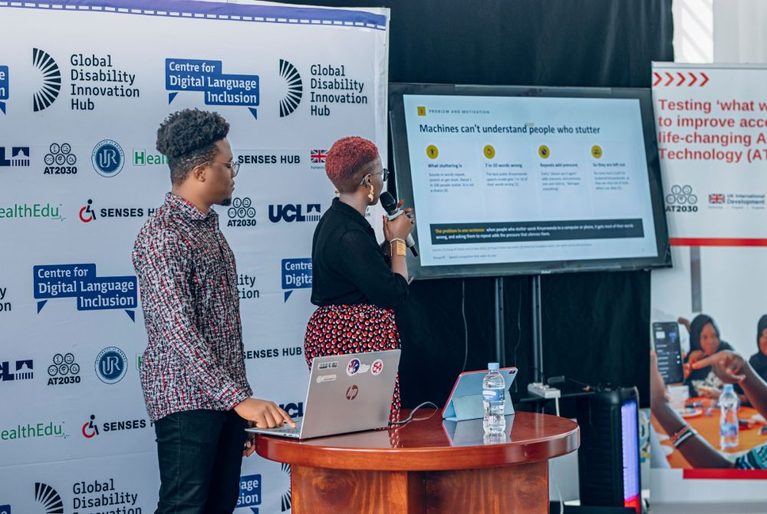
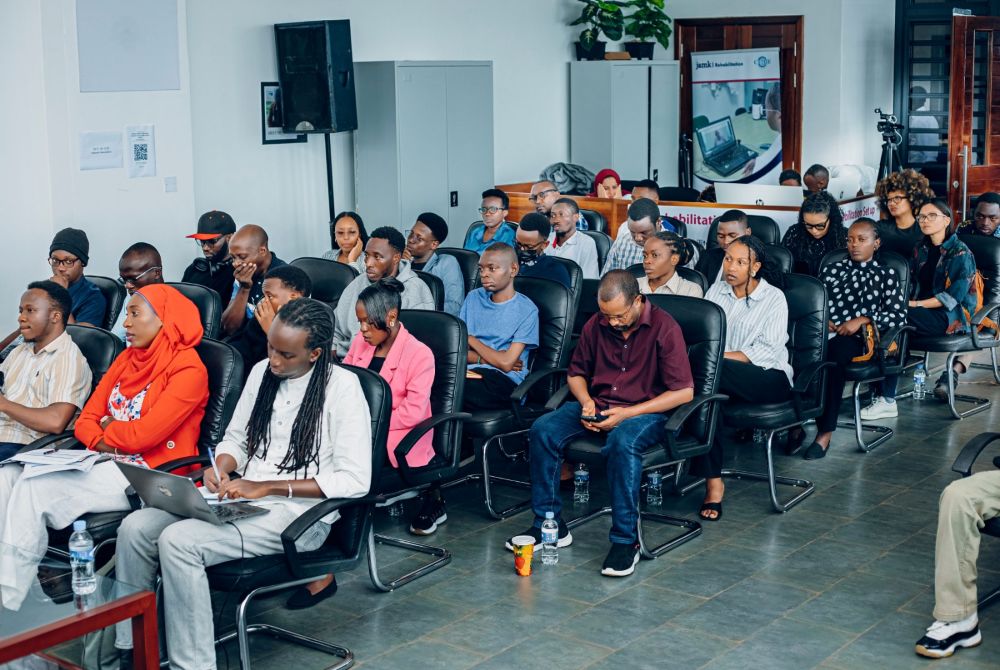
On Saturday, 28 November 2026, Rwanda’s growing innovation ecosystem reached an important milestone as innovators, healthcare professionals, academics, development partners, funders, and other stakeholders gathered for the ASR Sprint Rwanda Demo Day.
The event marked a significant moment in a collaborative initiative that brought together local talent and international expertise to explore how artificial intelligence (AI), automatic speech recognition, and digital technologies can address communication barriers faced by people with speech and language impairments.
As host and local partner, HealthEdu Ltd has been at the center of these efforts, connecting innovators with local mentors, healthcare professionals, and opportunities within Rwanda’s innovation ecosystem.
The initiative reflects a growing recognition that technology should work for everyone, including people whose communication needs have traditionally been overlooked by mainstream digital solutions.
Despite advances in AI and digital technology, millions of people with speech and language impairments remain underserved by voice-based technologies. Automatic Speech Recognition (ASR) systems often struggle to recognise non-standard speech patterns and are rarely designed to accommodate underrepresented languages such as Kinyarwanda.
In Rwanda, these challenges are further compounded by limited access to speech and language therapy services, particularly for communities outside major urban centers.
Recognising this need, HealthEdu is playing an important role in advancing inclusive speech technology in Rwanda through its partnership in the Automatic Speech Recognition (ASR) Sprint.
Building Inclusive Technology Through Local Innovation
The ASR Sprint brought together five selected innovation teams for a structured program of training, mentorship, and practical technology development.
Physical sessions were hosted at the University of Rwanda College of Medicine and Health Sciences (UR-CMHS), in partnership with the College of Medicine and Health Sciences. This provided innovators with opportunities to engage with clinical experts and rehabilitation professionals, gaining valuable insights into the realities of speech therapy and the challenges experienced by people with communication difficulties.
Speaking about the importance of developing inclusive speech technologies, Brian Mwenda, managing director of Senses Hub, highlighted the potential of artificial intelligence and automatic speech recognition to improve the lives of people with speech impairments.
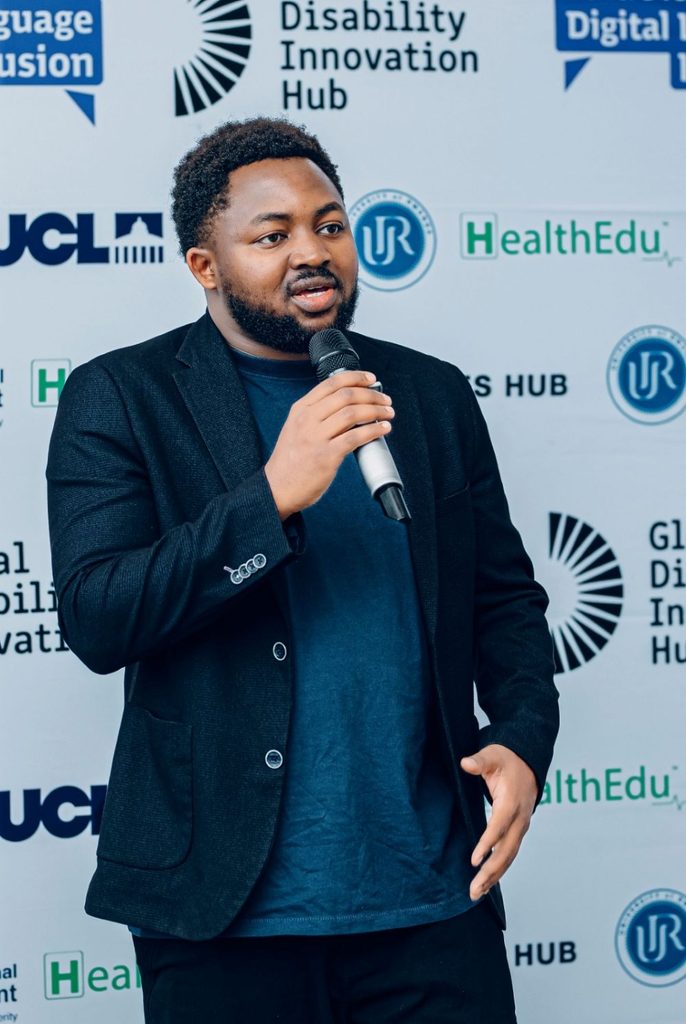
“Automatic speech recognition models and AI have significant potential to change people’s lives and make communication more effective for individuals with impaired or non-standard speech. However, most existing models and datasets are trained primarily on English and do not adequately represent the linguistic diversity we have in Africa,” he explained.
He emphasised that addressing this gap requires investment in locally relevant speech datasets and solutions developed with the communities they are intended to serve.
Through the Centre for Digital Language Inclusion, Senses Hub has been collecting speech datasets across Ghana, Kenya, Uganda, and Rwanda to support innovators in developing solutions for people with impaired speech in their respective countries.
Mwenda described this approach as an important part of ensuring that technology responds to local needs.
“It’s really Rwandans designing in Rwanda, for Rwandans and with Rwandans. That’s the only way we are going to develop truly inclusive solutions that work for everyone, particularly in Africa,” he added.
He also highlighted the program’s broader impact across the region, noting that approximately 100 innovators had been supported through innovation activities across four countries.
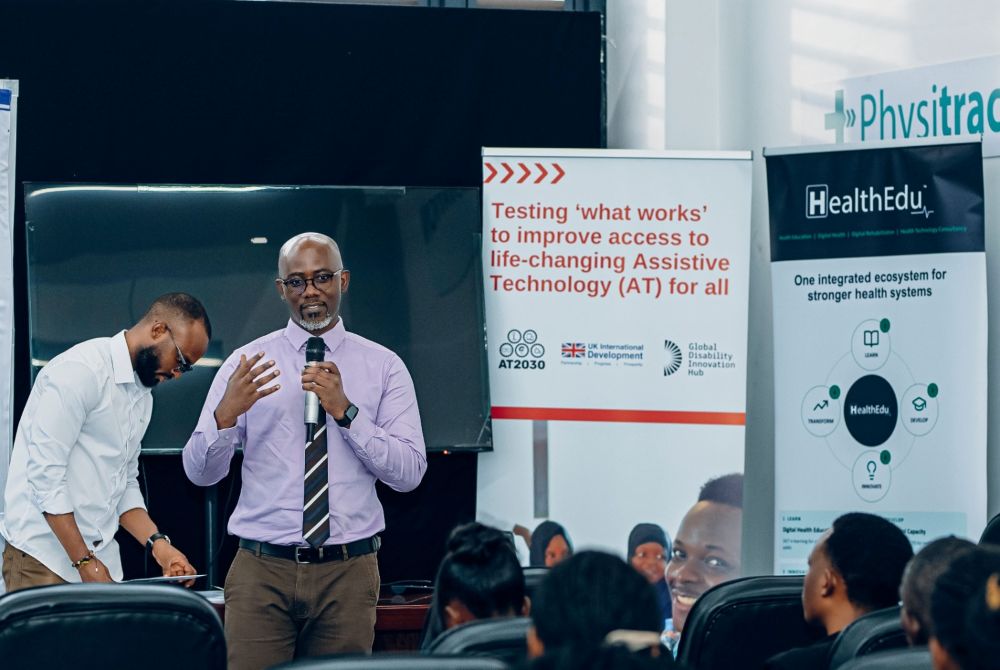
Commenting on HealthEdu’s contribution, Jean Damascene Bigirimana, CEO of HealthEdu, highlighted the importance of combining local mentorship with technical expertise.
“Local mentors facilitated through HealthEdu have supported the teams throughout their innovation journey, helping strengthen the connection between technology development and the realities of the Rwandan context. Meanwhile, the speech datasets and technical tools provided through Senses Hub, together with international mentorship, have enabled the teams to explore practical applications of automatic speech recognition and related digital technologies,” he said.
For HealthEdu, the partnership demonstrates the importance of building strong connections between local innovators and the institutions, professionals, and organisations that can help transform promising ideas into practical solutions.
From Innovative Ideas to Practical Speech Therapy Solutions
Throughout the Sprint, the five teams worked to transform their ideas into functional prototypes designed to improve support for people with speech and language impairments.
Their solutions explore how digital technologies can contribute to speech and language assessment, home-based therapy practice, therapy support, and improved communication.
Three of the most promising solutions were recognised through awards from a total prize pool of USD 5,000, supporting the next stages of their development.
Among the teams recognised during the ASR Sprint Rwanda Demo Day was a team featuring Annonciata Mukamugemana, whose innovation focuses on helping children who experience difficulties expressing themselves verbally.
Explaining the motivation behind their solution, Mukamugemana said the team began by researching the different challenges that prevent children from communicating clearly before developing a mobile application designed to support communication.
“We first conducted research to understand the challenges that make it difficult for some children to express themselves through speech. We then developed solutions to help people communicate through a mobile application,” she explained.
She described how the application is intended to help individuals communicate their needs in everyday situations.
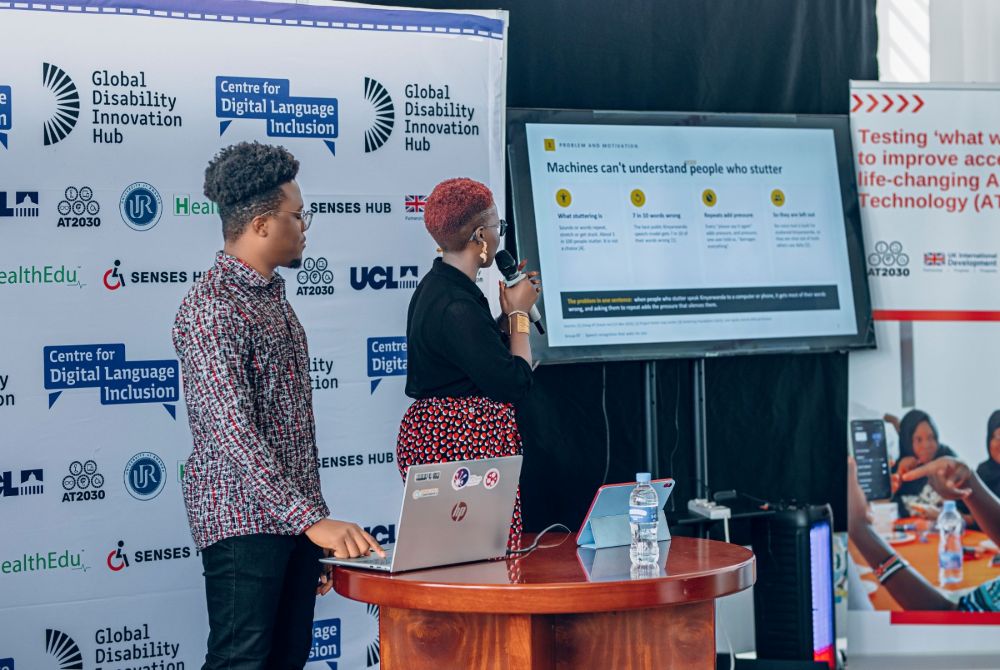
“For example, someone who wants to go shopping can use the technology to select what they want, and the application produces the corresponding voice output. If a child says a sentence that is difficult to understand, the technology can help make the message clearer so that the people around them can understand what they are trying to communicate,” she said.
The solution is intended for use in different settings, including schools, healthcare facilities, and other everyday environments.
The innovation demonstrates how locally developed digital tools can help address communication barriers while supporting greater participation and independence among children with speech difficulties.
The Demo Day also reinforced the importance of sustained support beyond innovation programs. Promising solutions require continued mentorship, technical development, testing, and access to relevant networks to move closer to real-world application.
Building a Future of Inclusive Digital Healthcare
The ASR Sprint represents an important step towards making digital technologies more inclusive for people whose voices and communication needs have traditionally been overlooked.
For Rwanda, the initiative presents an opportunity to harness local innovation and international collaboration to address challenges in speech therapy, rehabilitation, and digital accessibility.
With the ASR Sprint Rwanda Demo Day successfully held on 28 November 2026, attention now turns to the next phase: helping promising innovations move beyond prototypes through continued improvement, real-world testing, market access, and sustainable growth.