 0
 0
By Kellia Umutoniwase
On November 24, 2026, Transparency International Rwanda (TI-Rwanda) held discussions on environmental justice and inclusive settlement planning for climate resilience.
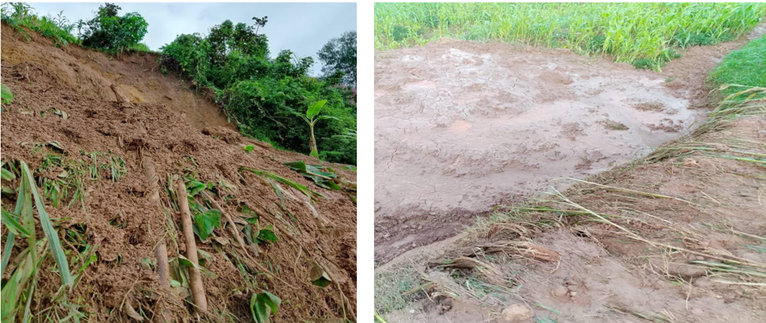
Some communities in Rwanda continue to experience the negative effects of development projects, including damage to crops, land, and property. At the same time, some residents say they have waited for years without receiving compensation.
Transparency International Rwanda (TI-Rwanda) highlighted these concerns during discussions on environmental justice and inclusive settlement planning for climate resilience.
In Nyamagabe District, a resident reported that electricity transmission lines destroyed crops belonging to several households in 2022. The affected residents sought compensation from Rwanda Energy Group (REG) and district authorities. However, according to TI-Rwanda’s report, they had not received compensation by the time the case was documented.
Another case was reported in Rubavu District, where a WASAC water pipeline crossed a resident’s farmland in 2022. Although compensation had reportedly been assessed, the resident said payment had not been received despite following up with the institution.
These cases were discussed during a national dialogue. The meeting brought together government institutions, civil society organisations and community representatives to discuss environmental challenges, citizen participation in planning, protection of citizens’ rights, and climate resilience.
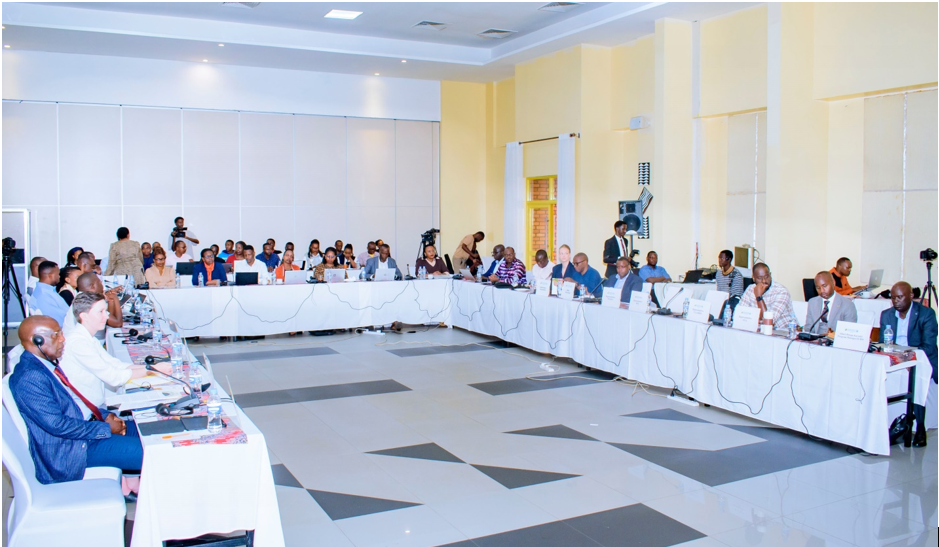
Participants from government institutions, civil society organizations and other stakeholders took part in a national dialogue, sharing insights and engaging in discussions on key issues affecting communities in Rwanda.
According to the report of the TI-Rwanda’s Advocacy and Legal Advice Centre (ALAC), 67 environment-related complaints were received in 2026. Of these, 56 remained pending, while 11 had been closed at the time of reporting.
Among the complaints, 41 were related to expropriation and infrastructure-related property damage, 11 involved REG, four concerned WASAC, and five were related to mining activities.
The reported cases included property damage during construction, houses affected by road compaction, and damage caused by rainwater flowing from roads and settlements with inadequate drainage systems.
Waste management remains an urgent environmental concern.
An assessment conducted by TI-Rwanda in the Nyamagabe, Nyaruguru, Rutsiro, Ngororero, and Nyagatare districts identified several environmental challenges, including waste management, deforestation, illegal mining, rainwater harvesting, climate financing, and compensation for affected residents.
Waste management was identified as the environmental issue requiring the most urgent attention, accounting for 41.11 percent of responses. Rainwater harvesting followed at 23.33 per cent, climate change-related financial support at 13.33 per cent, deforestation at 12.22 per cent, illegal mining at 6.67 per cent, and land and property expropriation and compensation at 3.33 per cent.
The assessment involved 90 community scorecard participants and interviews with five district-level environment officers.
Residents identified illegal waste dumping, inadequate waste collection services, and a shortage of designated waste disposal facilities as major challenges affecting their communities.
The reported consequences included air and water pollution, diseases, unpleasant smells, and blocked drainage channels.
Among the proposed solutions were improving waste collection services, establishing designated collection points, promoting waste separation and recycling, and strengthening cooperation between local authorities, service providers, and residents.
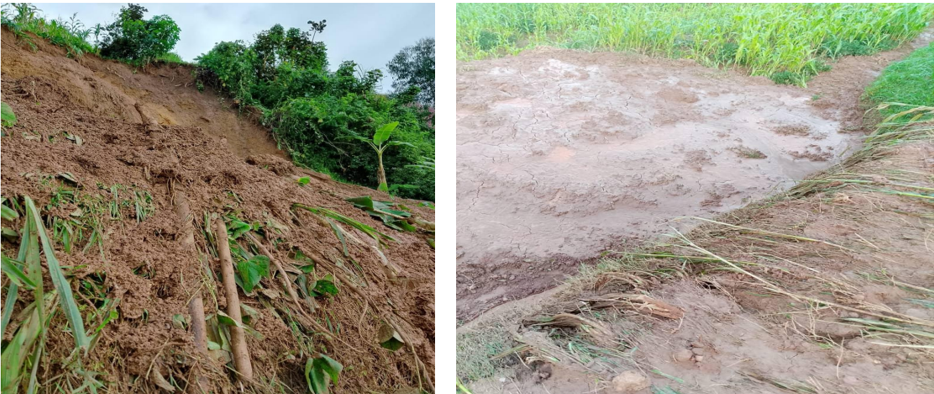
Residential settlement planning faces challenges in handling complaints.
Another TI-Rwanda assessment was conducted in residential sites in the Gasabo, Kicukiro, and Nyarugenge districts, as well as Rwamagana and Muhanga.
It examined residents’ access to infrastructure, including roads, water and electricity, waste management, drainage systems, flooding, soil erosion, land use, compensation, and access to information.
The assessment found that residents interviewed were not aware of dedicated mechanisms for receiving and resolving their complaints.
Complaints were generally handled through local site committees, with dissatisfied residents able to escalate their cases to higher administrative authorities.
However, concerns were raised about the independence of these committees, particularly where members could have connections to the disputes they were expected to resolve.
The assessment also identified weaknesses in record-keeping, including inadequate documentation of complaints, actions taken to resolve them, and information about people eligible for compensation.
Residents recommended establishing an additional independent body to review unresolved complaints, promote transparency, and strengthen accountability.
Citizen participation is essential for sustainable development.
During the November 24 dialogue, Abbas Mukama, Deputy Ombudsman in charge of preventing and fighting corruption, emphasised the importance of protecting citizens’ rights and involving communities in decisions affecting their areas.
He stressed that residents should be informed about projects planned in their communities and given opportunities to express their views before implementation.
Participants also highlighted the need for stronger cooperation between institutions responsible for infrastructure and environmental management, timely communication, and effective responses to citizens’ complaints.
The findings from TI-Rwanda show that environmental justice goes beyond protecting natural resources. It also involves safeguarding people’s health, land, homes, and livelihoods when development projects affect their communities.
Proposed measures include speeding up compensation, improving complaint-handling procedures, maintaining transparent records, strengthening environmental inspections, and establishing independent mechanisms for reviewing unresolved complaints.
As Rwanda continues to invest in infrastructure and climate-resilient settlements, development must go hand in hand with the protection of citizens’ rights, environmental conservation, and meaningful public participation in decisions affecting communities.
Sustainable development should not be measured only by the roads constructed, electricity connections provided, or new settlements established. It should also be measured by how effectively citizens are protected, how fairly their complaints are addressed, and whether compensation is paid transparently and on time.