 0
0
 0
0
By Correspondent, ROME
The photography exhibition Through Southern Lenses: Science in Focus officially opened today, May 7, 2026, at the Candido Portinari Gallery of Palazzo Pamphilj, at the Brazilian Embassy in Rome. Promoted by the Conrado Wessel Foundation (FCW) in collaboration with the World Academy of Sciences for the Advancement of Science in Developing Countries (TWAS), the exhibition will be open to the public until June 19, 2026, with free admission.
At the heart of the exhibition is the photographic reportage Planting Water by Musuk Nolte, winner of the first international edition of the Through Southern Lenses: Science in Focus award, launched by FCW and TWAS to highlight science in the Global South through photography.
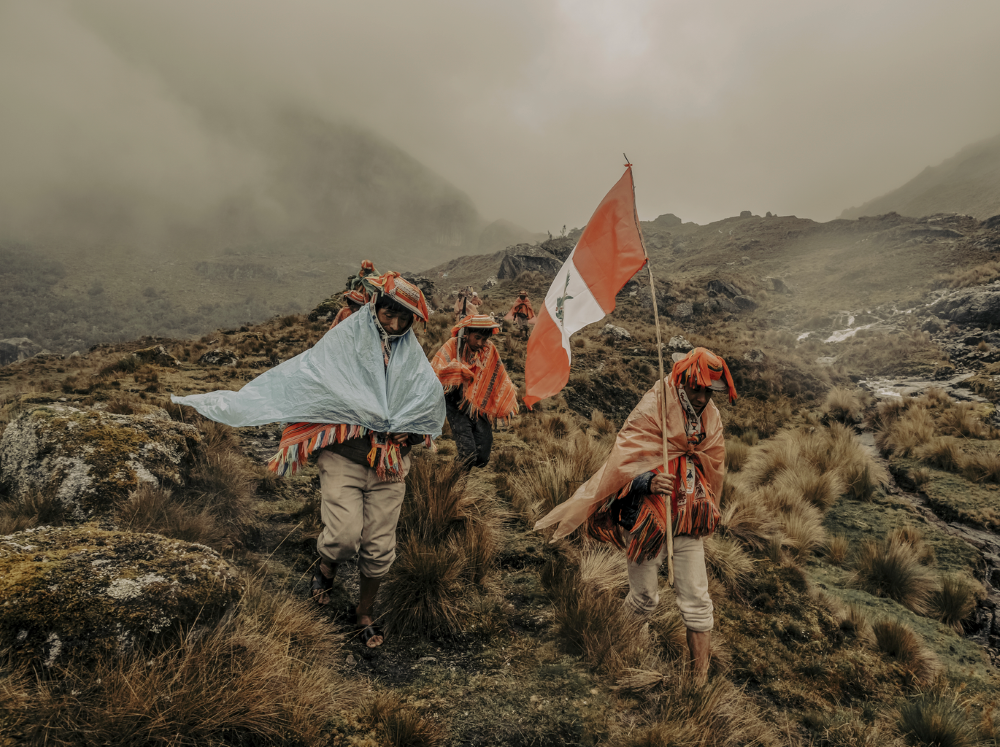
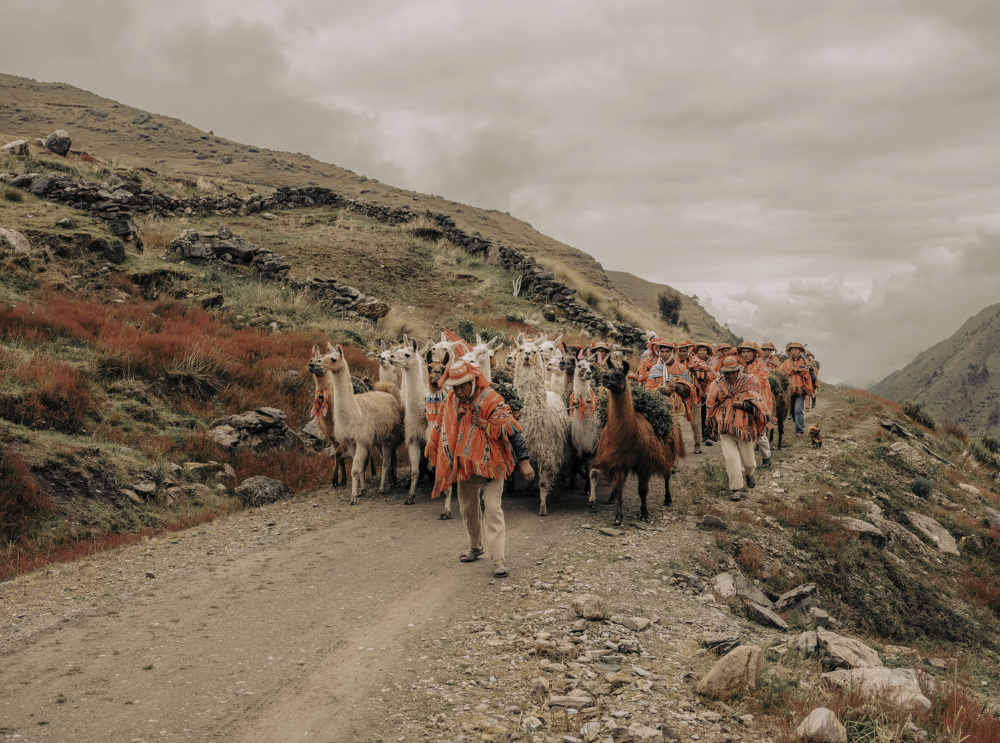
Nolte’s work was selected from submissions from 26 countries across four continents, standing out for its powerful visual storytelling and its ability to intertwine scientific research, ancestral knowledge, and community resilience in the face of the climate crisis. The reportage documents a revived practice in the Peruvian Andes, known as “water seeding”, which combines traditional techniques and contemporary science to help communities adapt to increasing drought and environmental stress.
The exhibition also features photographic reportages by three photographers awarded the FCW Photography Prize:
Érico Hiller (Minas Gerais), winner in 2025 with a project on climate change;
Luciana Whitaker (Rio de Janeiro), awarded in 2024 with the theme Brazil, a surreal country.
Fabiano Carvalho (Acre), winner in 2023 with a project focused on computer science.
The winner
Musuk Nolte, born in Mexico City in 1988 and a naturalized Peruvian, is a documentary and fine art photographer whose work focuses on cultural, social, and environmental issues. A National Geographic Explorer, he is currently developing a long-term project on South American water systems and the climate-related water crisis, with a particular focus on Lake Titicaca, where he is documenting the impact of severe drought on local communities. His work has been exhibited in museums and photography biennials in France, Singapore, South Korea, Brazil, and Spain. In addition to photography, he is the co-founder of KWY Ediciones, an independent photography publishing house that supports Latin American authors, and has published eight books, the latest of which is Geographies of Water.
The winner’s photographic essay
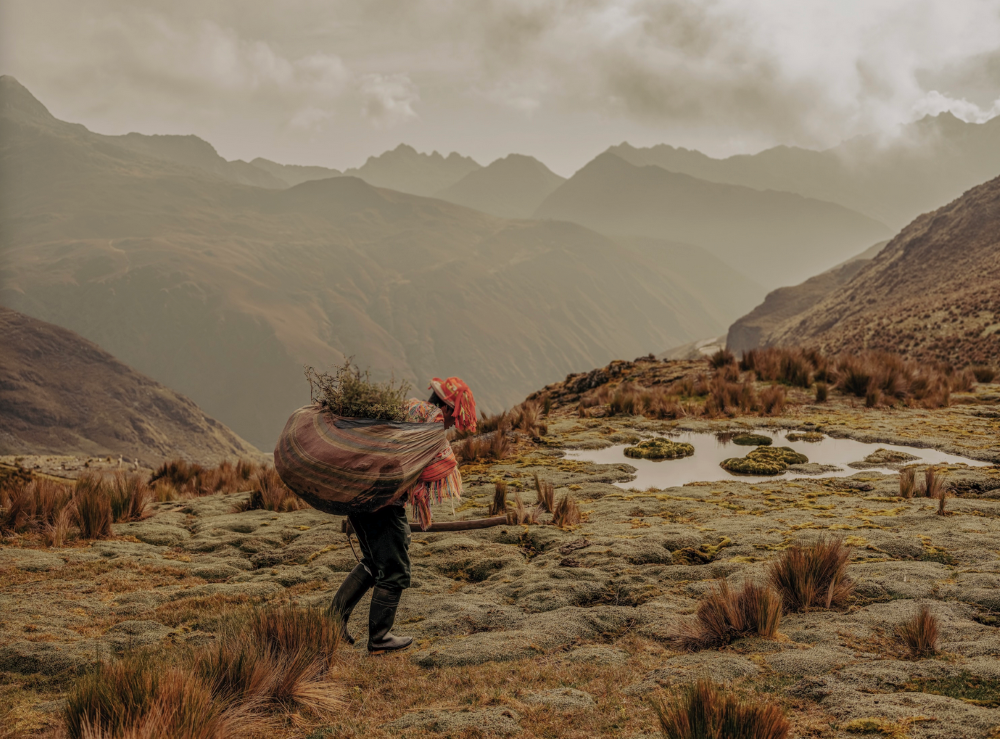
Planting Water: During the rainy season in the Peruvian Andes, communities in Cusco, with the support of ECOAN, have revived an ancient technique known as “water planting.” This technique involves collecting rainwater in wells so that it can infiltrate underground and be used during the dry season.
This practice is now complemented by the planting of Queñual, a native shrub that improves water infiltration in high-altitude soils. It also includes modern seed adaptation techniques, bridging ancestral knowledge and contemporary science.
This collective work prepares communities to face extreme events such as the severe droughts of the last decade. The Queñual Raymi, inspired by the Inca traditions of ayni and minka, brings people together to plant up to 150,000 shrubs in a single day, strengthening their identity and promoting a sustainable relationship with the land.
The prize
Through Southern Lenses: Science in Focus is an annual international photography award that celebrates scientific excellence in the developing world through photography. The initiative is a collaboration between the Conrado Wessel Foundation (FCW) and the World Academy of Sciences for the Advancement of Science in Developing Countries (TWAS), a UNESCO program unit dedicated to strengthening scientific capacity and excellence in the global South.
The award aims to highlight scientific achievements, challenges, and human stories from developing countries, using photography as a dynamic tool for science communication that transcends linguistic and cultural barriers.
The inaugural theme, Glaciers and Deserts, invited photographers to explore the visible effects of climate change, from melting glaciers to expanding deserts, and to highlight the resilience and adaptability of ecosystems and communities in developing countries. Each photo essay submitted included ten original photographs; content generated by artificial intelligence was excluded from the competition.
“Receiving the Through Southern Lenses Award is an honor I accept with great respect and gratitude, as it represents both an opportunity and a stimulus to continue documenting the environmental and social processes we are experiencing. This recognition also allows me to pursue one of the main goals of my work: reaching and raising awareness among a global audience about the transformation our planet is undergoing, with particular attention to the most vulnerable communities and territories.
Thanks to this award, I hope to continue adding new stories to this complex network in which water connects territories, testimonies, and memories,” commented Musuk Nolte, winner of the inaugural Through Southern Lenses: Science in Focus Award.
“The success of this first edition has exceeded our expectations and confirms that there is a powerful and urgent story to tell through the eyes of scientists and photographers from the Global South. Receiving submissions from 26 countries and four continents demonstrates that Through Southern Lenses has become a truly global platform. We are proud to celebrate this winner and continue building bridges between art and science, promoting a culture of curiosity and participation,” said Carlos Vogt, president of the Conrado Wessel Foundation.
“We are in the midst of a climate crisis, and each of us has a role to play. Photographers have the extraordinary ability to move people through the images they capture, and I am proud to see this initiative supporting the visibility of communities and scientific work engaged in one of the crucial challenges of our time,” said Marcelo Knobel, executive director of TWAS.


