
 0
0
 0
0
By Correspondent, Nairobi
A high-level webinar bringing together African energy experts, feminists, economists, and climate justice advocates on Friday challenged the long-held belief that oil and gas extraction will drive Africa’s development, warning instead that dependence on fossil fuels is entrenching poverty, inequality, and economic vulnerability across the continent.
The webinar, moderated by Kenyan journalist Edith Kimani, centered on findings from the Pipe Dreams report, presented by lead author Gregg Muttitt, climate and energy researcher. Speakers argued that after more than six decades of oil and gas extraction, many African countries remain trapped in fragile economies characterised by high inflation, corruption, and deepening inequality.
“Oil-based economies consistently perform worse than non-resource-intensive economies,” Muttitt said during the discussion. “They record lower economic growth, higher inflation, and greater vulnerability to external shocks.”
He noted that recent geopolitical tensions involving the United States, Israel, and Iran had once again exposed Africa’s dependence on volatile fossil fuel markets, triggering fuel price increases and rising food insecurity in many countries.
The discussion highlighted how ordinary citizens, particularly women and rural communities, bear the brunt of these recurring crises.
Women carry the burden of energy poverty
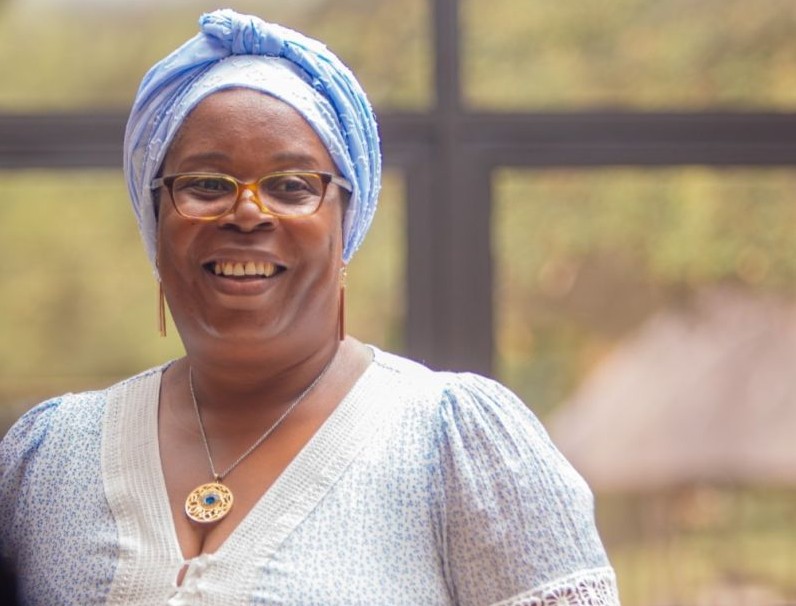
Dr. Mela Chiponda, the executive director of Shine Collab, a global feminist network advancing women-led energy access, climate justice, and community power across Africa, described Africa’s energy crisis as a “crisis of care and survival,” arguing that millions of women continue to subsidize failed energy systems through unpaid labor.
“The lack of access to clean, affordable, and safe energy increases unpaid care work for women and further impoverishes them,” Chiponda said. “This is not only an economic crisis; it is a crisis of dignity.”
She explained that in many rural communities, women continue to rely on firewood and charcoal for cooking because governments have failed to provide accessible energy alternatives. In some regions, speakers noted, up to 98 per cent of rural women still depend on dirty cooking fuels.
The webinar also explored the paradox facing many oil-producing African countries that continue importing refined petroleum products due to weak domestic refining capacity.
Countries such as South Sudan and Nigeria were cited as examples where oil wealth has not translated into affordable energy access or improved living standards.
Muttitt pointed to the limited impact of mega projects such as Nigeria’s Dangote refinery, arguing that global oil pricing systems continue to dictate domestic fuel costs despite local production.
Renewable energy seen as Africa’s best opportunity
Speakers repeatedly stressed that renewable energy offers Africa a more inclusive development pathway than fossil fuels.
Zimbabwean climate justice advocate Kudakwashe Manjonjo said African governments risk locking the continent into obsolete and extractive economic systems by continuing to invest heavily in oil and gas.
“Africa should not double down on fossil fuels,” Manjonjo said. “Renewable energy creates local incomes, stimulates local economic activity, and strengthens national sovereignty.”
Panelists revealed that Africans imported approximately 15 gigawatts of solar panels for private use, demonstrating growing grassroots demand for renewable energy solutions despite limited government support.
However, speakers warned that Africa currently receives only about two percent of global climate finance, severely constraining investment in renewable infrastructure.
Muttitt attributed this partly to high borrowing costs imposed on African countries by international financial systems and credit rating agencies.
“There needs to be a massive increase in climate finance if Africa is to transition effectively,” he said.

Regulatory barriers and corruption slowing progress
Energy expert Joab Okanda warned that corruption, weak regulation, and delayed infrastructure development continue to frustrate renewable energy investments across the continent.
He cited Kenya’s wind power projects, where electricity generation has often outpaced transmission infrastructure, leaving communities without access to available power.
Although Kenya generates nearly 90 percent of its electricity from renewable sources, panelists argued that energy access and affordability remain major challenges, particularly for low-income households.
Chiponda criticised what she termed Africa’s “extractive development model,” arguing that the rush for critical minerals needed for the global energy transition risks reproducing the same inequalities associated with oil and gas extraction.
“We must abandon development models that dispossess communities,” she said. “Even renewable energy projects can become exploitative if they are imposed on indigenous territories without community control.”
The panel advocated for decentralised renewable energy systems managed by local communities rather than large-scale corporate-controlled projects.
Calls for feminist and community-led alternatives
A recurring theme throughout the webinar was the need for alternative development models grounded in feminism, community ownership, and environmental justice.
Chiponda urged African governments and civil society to rethink economic development beyond neoliberal and extractivist frameworks.
“Women are already building alternative economies rooted in care, sustainability, and community well-being,” she said. “These are the models Africa should invest in.”
Participants also called for stronger enforcement of African legal frameworks, including the African Union’s Maputo Protocol, to protect indigenous communities affected by mining and energy projects.
Examples from Morocco, Algeria, and Libya were discussed as countries making significant investments in renewable energy or maintaining stronger domestic participation in the energy sector.
The webinar concluded with a broad consensus that Africa’s future lies not in expanding fossil fuel extraction but in accelerating a just and inclusive transition to renewable energy systems that prioritise local development, equity, and resilience.


