
 0
0
 0
0
By Eric, Penina, and Denis
Across East Africa, thousands of girls are losing their education to teenage pregnancy despite policies designed to keep them in school. Rwanda’s latest Demographic and Health Survey shows adolescent pregnancy rising from 5% in 2019–20 to 8% in 2025, while Tanzania reports more than 30,000 girls returning to education under its re-entry policy. In South Sudan, 30% of girls aged 15–19 are estimated to become pregnant, and child marriage remains widespread. Across the three countries, girls interviewed for this investigation described pregnancy, stigma, poverty, and family rejection as the barriers that most often end their education.
Rwanda: Pregnancy, Stigma and the End of School
When 13-year-old Eugenie Iradukunda discovered she was pregnant, she was a senior one student with dreams of completing her education. Before she could tell anyone, her mother had already realized she was pregnant. Instead of finding comfort at home, Eugenie was met with rejection. “My mother told me she could not bear the shame I had brought upon the family and said she was going to kill herself,” she recalls. “I became frightened and decided to run away from home. That was the beginning of my life outside school.”
After giving birth, Eugenie hoped she would be allowed to return to school. Instead, her parents told her they could no longer afford to educate both her and her child.
Her experience is echoed by Sandrine Umuhoza, now the mother of a three-month-old baby.
Sandrine became pregnant while still in primary school, in grade 4. Shortly afterward, the mother she lived with died, leaving her in the care of her grandmother.
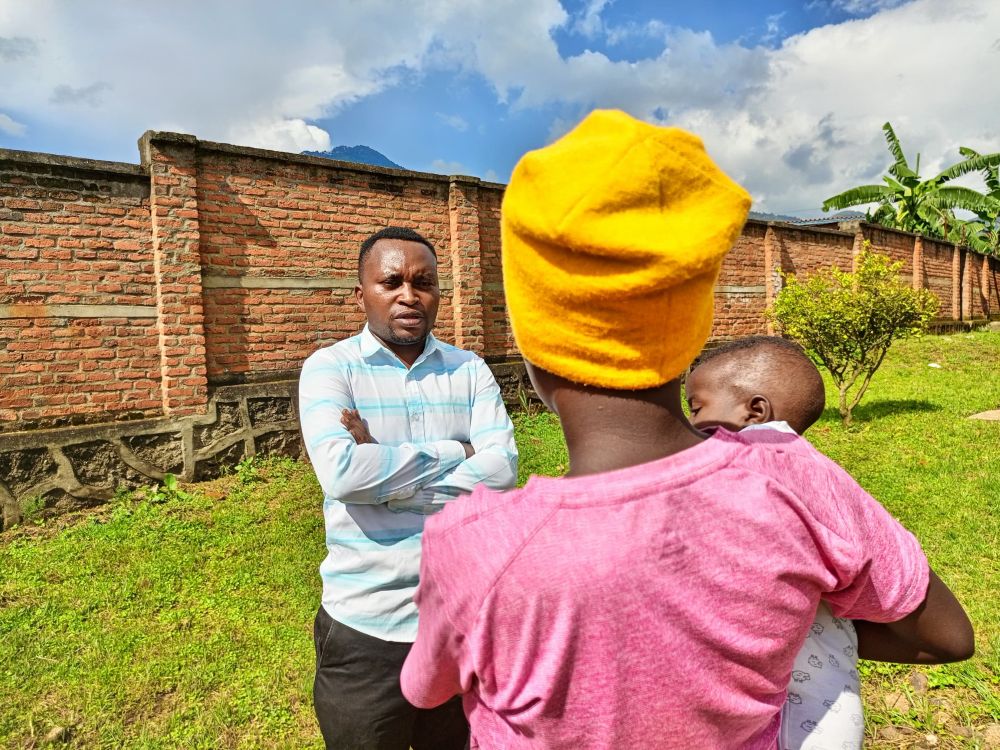
“My grandmother advised me to leave school because she could not support both me and my baby,” Sandrine says. “I still hope to return to school one day, but only after my child grows older. Right now, that is not possible.”
For Joyce Niyigena, pregnancy led not only to dropping out of school but also to homelessness.
She became pregnant while in Primary Six. When her family learned she was pregnant, they immediately chased her away. “They believed I had dishonored and disgraced the family,” Joyce says. “I ended up living on the streets, and that is where I gave birth. Health workers contacted my family, but they refused to take me back. Today, I am homeless, and returning to school is something I cannot even think about.”
Although their stories are different, they expose a common reality faced by many girls in Rwanda: pregnancy often marks the end of their education. Family rejection, financial hardship, stigma, and the responsibility of caring for a child create barriers that many young mothers never overcome.
Policies Promise Hope, Reality Tells Another Story
According to the Ministry of Health, more than 23,000 teenagers become pregnant each year in Rwanda. While the immediate concern is often the health risks associated with adolescent pregnancy, experts say the longer-term consequences include school dropout, poverty, unemployment, psychological trauma, and social exclusion.
The Government of Rwanda has introduced several measures to address these challenges. The Education Sector Strategic Plan (2024–2029) aims to reduce school dropout and strengthen reintegration pathways for out-of-school children and youth. National policies also allow adolescent mothers to return to school after childbirth.
However, interviews conducted for this investigation indicate that many girls never benefit from these policies. Poverty, childcare responsibilities, stigma, and limited family support continue to prevent many young mothers from resuming their education.
Gender-responsive healthcare expert Alice Bumanzi believes that many pregnancies could be prevented through better access to information.
“Many children do not know how to protect themselves as they experience physical and emotional changes during adolescence,” she says. “They need access to accurate and age-appropriate sexual and reproductive health information before pregnancy occurs. Without that knowledge, many only understand the consequences after they have already left school.”
Government officials acknowledge that addressing teenage pregnancy requires a coordinated response.
Aline Umutoni, Director General for Family Promotion and Child Protection at the Ministry of Gender and Family Promotion, says girls who become pregnant, especially as a result of sexual abuse, often experience severe emotional distress that contributes to school dropout.
“A child who becomes pregnant after sexual abuse may suffer trauma or leave school altogether. Responding to this challenge requires the support of families, schools, communities, and all institutions responsible for protecting children,” she says.
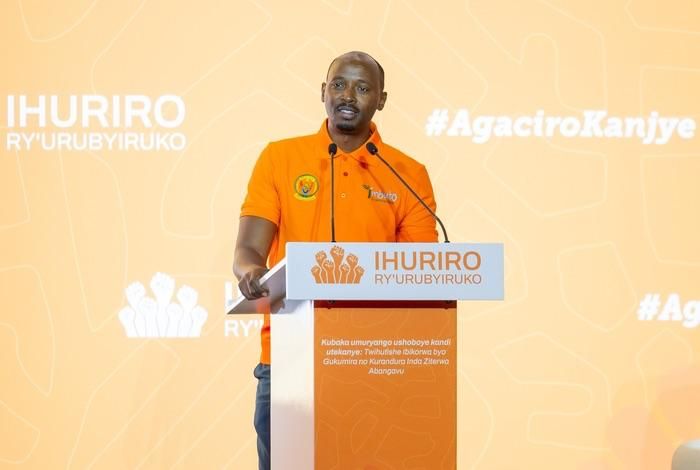
Minister of Health Dr. Sabin Nsanzimana says reducing teenage pregnancy is a shared responsibility.
“Teenage pregnancy is not only about girls becoming pregnant,” he says. “Many leave school, while families often make harsh decisions that worsen their situation. Teachers also have a responsibility because when a student becomes pregnant while at school, everyone must ask what could have been done differently. The Government of Rwanda is committed to ensuring that no girl leaves school because of pregnancy by expanding adolescent-friendly reproductive health services and strengthening comprehensive sexuality education.”
Tanzania: A Second Chance, But Not an Easy One
The policy allowing girls who dropped out of school due to pregnancy to return to education has opened a new chapter of hope for thousands of girls in Tanzania.
Since the re-entry guidelines were introduced in 2021, more than 22,844 girls have returned to both formal and alternative education systems by March 2024. Of these, 5,142 rejoined regular schools, while 17,702 enrolled in alternative education programs. Recent figures indicate that the number has continued to rise, with more than 30,000 girls now given a second chance to continue their education. However, their journey back to the classroom remains filled with challenges.
Girls who return to school after pregnancy face multiple challenges that threaten their education. Stigma from communities, classmates, and even teachers often affects their confidence and mental well-being. Many struggle to balance childcare responsibilities with their studies, making it difficult to perform academically. Poor school infrastructure, including the lack of breastfeeding and child-friendly facilities, further limits their participation. In addition, financial hardship places extra pressure on families, increasing the risk that young mothers will drop out of school again.
Education and child rights experts warn that simply allowing girls to return to school is not enough. They emphasize the importance of counseling services, social support, and investment in safe learning environments. This is particularly important given studies indicating that between 20 and 28 percent of girls who return to school eventually drop out again due to the challenges they face.
Despite these obstacles, government statistics show that between January 2021 and January 2022, a total of 9,011 female students became pregnant while in school. Among them, 1,554 were primary school students, and 7,457 were secondary school students.
Information previously presented in Parliament by the Ministry of Education, Science, and Technology showed that more than 9,000 students became pregnant between 2021 and 2022, with over 7,000 of them being secondary school students.
Consolata Chikoti, executive director of Msichana Initiative, says girls returning to school after pregnancy continue to face stigma, discrimination, and social exclusion despite the government’s re-entry policy. She noted that her organization supports government efforts to protect these girls, while Ministry of Education data show that many still struggle to reintegrate successfully into the education system.
“Statistics from the Global Women Institute indicate that approximately 60 million girls worldwide have experienced gender-based violence, while in Tanzania about 14.6 million girls face various challenges that hinder their right to education,” she said.
Chikoti explained that through the organization’s “Back to School” project, more than 500 girls have already been reached, and in 2026 alone the organization aims to support 250 more students. The project has identified stigma from peers, communities, and sometimes teachers as one of the major barriers facing girls returning to school.
Despite these challenges, success stories continue to emerge across the country. Girls who have returned to school have performed well academically, with some progressing to higher education.
Government statistics indicate that by March 2024, a total of 22,844 girls who had dropped out of school due to pregnancy had returned to the education system. Among them, 5,142 rejoined formal primary and secondary education, while 17,702 enrolled in alternative education programs.
According to Dr. Gladness Kirei, a Senior Officer at the Ministry of Education, Science, and Technology, there is a need for organizations and stakeholders to support students who dropped out due to various reasons, including pregnancy, and later returned to formal education.
She said the government recognized that some students who returned to school under the 2021 re-entry guidelines were dropping out again because of stigma from communities, teachers, and fellow students.
“There are students who fail to continue their studies because of discrimination and stigma, which make them feel unwelcome. The guidelines clearly state that if a student experiences stigma in one school, she has the right to transfer to another school,” she explained.
Dr. Kirei emphasized the importance of providing school supplies, emotional support, and encouragement to help these students achieve their goals. She added that the government continues to improve the learning environment to ensure that girls receive quality education free from discrimination.
The Minister for Education, Science and Technology, Prof. Adolf Mkenda, stated that since the implementation of the school re-entry policy in 2021, thousands of girls who had discontinued their education due to pregnancy have been given the opportunity to return.
He noted that by March 2024, approximately 22,844 girls had rejoined the education system. In 2025 alone, about 10,300 girls who became pregnant while in school resumed their studies either in their original schools or in other educational institutions after giving birth.
“Statistics show that between January 2021 and January 2022, 9,011 female students became pregnant while in school. Of these, 1,554 were in primary schools, and 7,457 were in secondary schools,” he said while presenting the ministry’s budget speech in Parliament.
A teen mother who dropped out of school due to pregnancy, identified here as Kuruthum Jumaa (not her real name), shared her experience. She said her dream was to become a psychologist and provide counseling to girls facing challenges at a young age.
Kuruthum explained that when she was 15 years old and preparing to begin secondary school, her father passed away. During that difficult period, she became pregnant due to various family hardships following her father’s death.
After becoming pregnant, she was forced to leave school. Life became even more difficult when the man responsible for the pregnancy disappeared out of fear of legal consequences.
“When I think about it, it still hurts. I had passed my exams with a First Division and was ready to start Form One when I became pregnant. I was chased away from home and struggled immensely. I decided to support myself by paying my own school fees while running my business and taking care of my child,” she said. “The biggest challenge I face is stigma. When I decided to return to school, many people, including relatives, discouraged me. Their comments almost made me give up. Even now, I do not wear a school uniform because I fear being judged by the community. Instead, I attend classes wearing ordinary clothes.” She added that she often takes her child to school with her.
“I carry my child to school. During breaks, I breastfeed and then return to class. That is my life. My dream is still to become a psychologist so that I can help other girls facing challenges similar to mine.”
South Sudan: When Pregnancy Closes the Classroom Door
When Juan (not her real name) left Kajo Keji after the ravaging 2016 national conflict that displaced several people to Uganda’s Morobi refugee camp, her hope for education was rekindled.
This came after she received an invite from her uncle, who resides in Juba, asking her to return to school and make up for the time she lost in the camp, a place where both short-term and long-term hopes grow mold.
Juan, who is currently over 18, would be dropped off at school every day by a boda boda rider so that she could attend classes on time like any other student. However, this arrangement would subsequently dampen her aspirations of attending school. It all started when she fell in love with the rider, who tricked her into having sex, which led to an unintended pregnancy that derailed her goals.
“I never knew I was pregnant until I stopped having my periods. I tried to do an abortion, but I was scared,” she narrates with tears soaking her cheeks and anger choking her.
Describing her ordeal from a primary healthcare center in Gurei, Juan says the five-month-old pregnancy has soiled her relationship with her parents, who now feel that she has betrayed them. Her dream of becoming a nurse is equally shattered.
“When my parents realized, they became angry with me and told me to look for my husband,” she recalls.
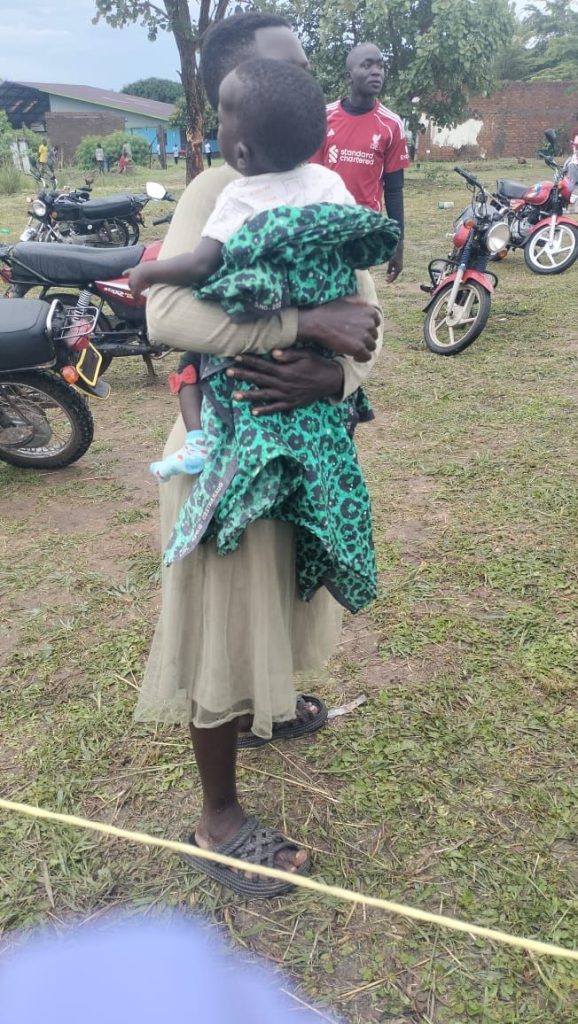
The same fate awaits 16-year-old Kiden (not her real name), who lives in Kajo Keji with her six-month-old son, whom she delivered at the refugee camp in 2025.
Kiden laments that after the incident, the man who impregnated her disappeared from the refugee camp, prompting her to return to her home village after her aunt made it clear to her that she could not continue taking care of her and the baby.
“I went to fetch water in the evening at the borehole, then I met a man who forced me to have sex. I could not inform my aunt about what happened because I feared that she would disown me,” she narrates.
She now survives by digging, where she makes a meager 5 USD per farm to provide for herself and the baby. Her hopes to return to school are as good as dead.
The duo represents thousands of girls in South Sudan who fall into the hands of sex pests taking advantage of their vulnerabilities, such as poverty, to lure them into sexual activities, resulting in dream-killing early pregnancies.
In South Sudan, teenage pregnancy continues to be one of the leading causes of school dropouts, alongside poverty, conflict, displacement, gender inequality, and harmful cultural practices.
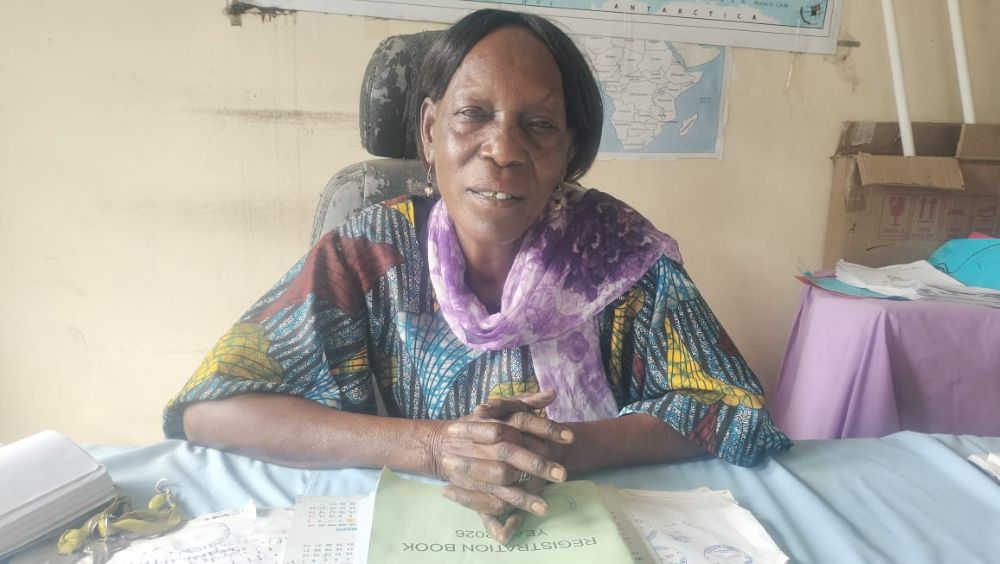
Clemetina Kiden Arkanjelo, the head teacher at Juba One Girls Primary School, concurs that teenage pregnancy remains a major factor in school dropout, despite policies that allow girls to continue their education after childbirth. “Lack of childcare remains another major barrier preventing teenage mothers from resuming education because nobody likes to take their own child to be a babysitter.”
The Girls’ Education South Sudan (GESS) project encouraged girls to remain in school when it provided cash to girls who were in primary four to primary eight.
But after it stopped, the girls from poor families are now caught in serious financial hitches.
In South Sudan, the Ministry of General Education and Instruction (MoGEI) has allowed pregnant learners and young mothers to continue their education, prohibiting schools from expelling them or denying them access to examinations. But much still needs to be done.
Zabib Musa Loro, a women’s rights activist and executive director of Women for Justice and Equality, says teenage pregnancy and gender-based violence continue to deny thousands of girls in South Sudan access to education.
Loro describes the crisis as a growing national challenge fueled by rape, poverty, conflict, and weak protection systems for girls and states that many girls are forced out of school after becoming pregnant.
She says poverty has pushed some families into marrying off daughters at an early age in exchange for financial gain. According to her, displacement caused by conflict has further increased the vulnerability of girls, exposing them to exploitation and abuse.
She blames domestic violence and abusive family environments for pushing girls away from home and into risky situations. “These are all issues that cause these girls to fall out of their schools, and then they also fall out of their families,” she says.
She also raises concern over cases of sexual abuse within schools, including incidents where teachers impregnate students.
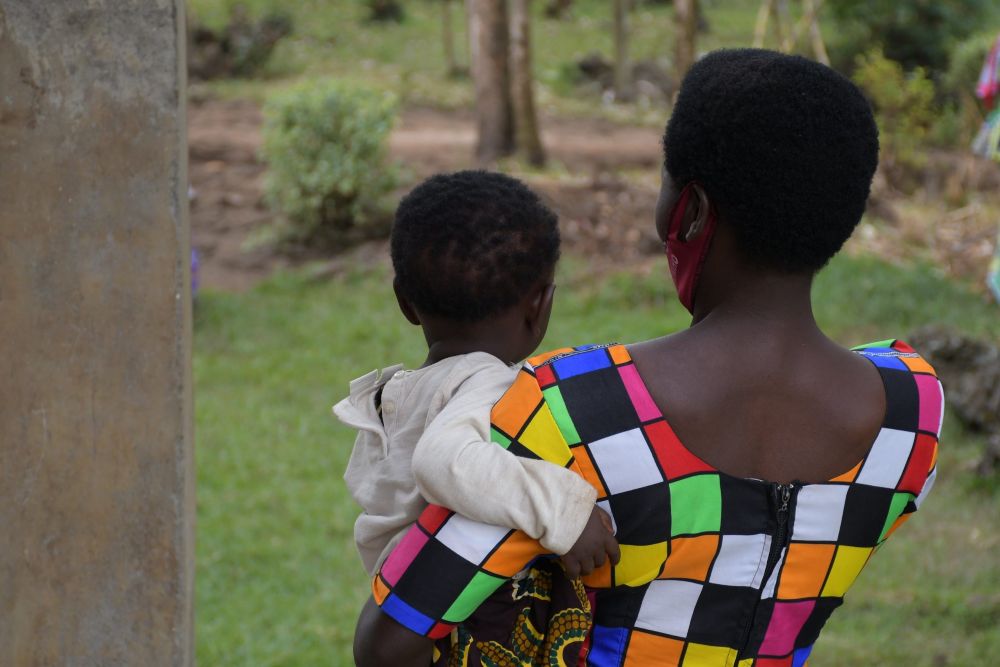
“Recently, we had a case somewhere in Juba of a teacher who impregnated a teenager. Someone who was meant to protect is abusing the child.”
According to the GBV protection cluster, 2025 reports indicate that child and forced marriage stand at over 52% of girls in South Sudan who are married before turning 18.
Across Rwanda, Tanzania, and South Sudan, the girls described different journeys but a similar outcome: pregnancy often became the moment their education stopped. Governments have introduced policies allowing young mothers to return to school, yet poverty, stigma, childcare responsibilities, and weak implementation continue to keep many out of the classroom. The challenge facing East Africa is no longer only preventing teenage pregnancy; it is ensuring that pregnancy does not permanently end a girl’s right to education.
This article is written by Twahirwa Eric from Rwanda, Denis Logonyi from Sudan, and Penina Malundo from Tanzania and supported by the Fojo Media Institute.


