
 0
0
 0
0
By Correspondent, Harare
Community leaders, legal advocates and grassroots organisations meeting in Harare at the ongoing African Ecofeminism Convening from July 6-10 renewed calls for governments, mining companies and international financiers to respect community land rights as mining and large-scale development projects continue to displace families and threaten livelihoods.
Participants at the meeting shared first-hand experiences from Kenya, Zambia, Zimbabwe, South Africa and other African countries, highlighting how communities are losing ancestral land, facing forced relocations, and suffering from pollution, inadequate compensation and limited participation in decisions that directly affect their lives.
They stressed that communities should not be treated as obstacles to development but as rightful custodians of their land whose voices must be heard before any mining or infrastructure project is approved.
“We cannot continue to see communities paying the price for development while receiving little or no benefit,” Dr Melania Chiponda, Executive Director, Shine Collab, a global feminist movement of CSOs, community groups, and Faith groups, said during the discussions. “Development must respect people’s rights, culture, and dignity. We are demanding that land compensation must be in kind and not cash; land for land,” added Dr Chiponda.
Tricia Abwooli, a lawyer working for Green Faith Africa in Uganda, raised several urgent concerns, including forced displacement of families without meaningful consultation, loss of ancestral land, cultural heritage and traditional livelihoods, and environmental pollution affecting community health, particularly women and children.
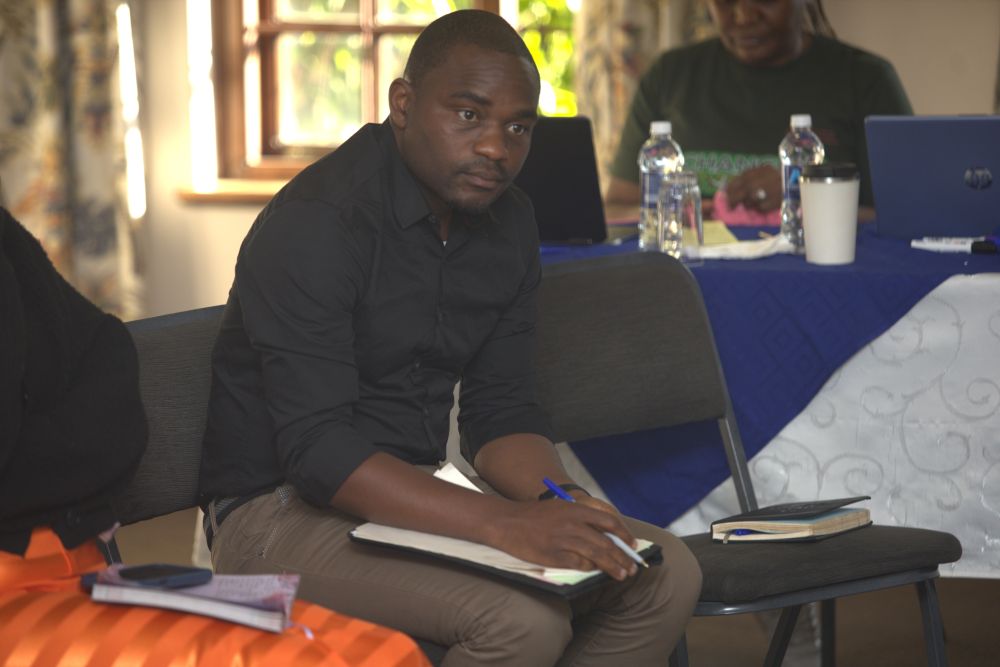
Abwooli noted the compensation packages that fail to account for long-term social, cultural and economic losses, weak enforcement of legal protections and limited access to justice and [lack of transparency around mining licences, geological information and development agreements.
The meeting highlighted examples of the Hanyanya community’s resistance and successful advocacy. Participants from Hanyanya Community in Bikita, Zimbabwe shared experiences where organised communities used research, documentation, legal action and peaceful mobilisation to delay harmful projects, negotiate improved compensation and secure commitments for schools, clinics and other essential services.
Tapiwa Gorejena,a movement legal advisor in Zimbabwe, called for stronger legal action where governments and corporations fail to meet their obligations. Strategic litigation, class actions, administrative justice processes, and international legal mechanisms were identified as important tools for protecting community rights.
A key message from the meeting was that affected communities must document evidence of land loss, environmental damage, and human rights violations to strengthen future legal cases and advocacy efforts.
The discussions further emphasised the importance of cross-border solidarity among African communities facing similar challenges. Participants agreed that communities can learn from one another by sharing legal strategies, advocacy experiences, and successful models for defending land rights.
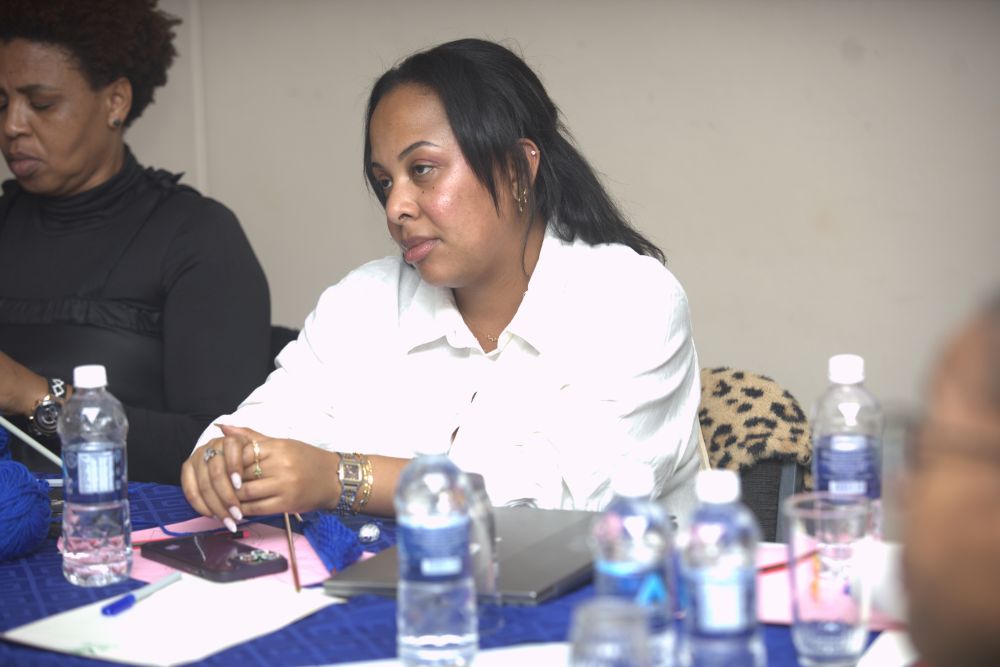
Concerns were also raised about international investment agreements and development initiatives that often prioritise foreign commercial interests while excluding local communities from decision-making. Participants called for greater transparency, stronger accountability, and legally binding commitments that protect African communities.
The meeting concluded with several immediate priorities, including strengthening community awareness of land and environmental rights, expanding access to legal support for affected communities, and building stronger networks among grassroots organisations across Africa.
They also called for an investigation of legal options for challenging harmful mining and development projects and exploring the establishment of community-led tribunals to ensure the voices of affected people are heard in national and international decision-making.
Community organisations reaffirmed that lasting development can only be achieved when local people are fully consulted, fairly compensated, and empowered to participate in decisions affecting their land and future.


