
 0
0
 0
0
By Annonciata Byukusenge
Religious tourists traveling to the Kibeho holy land have faced a frustrating ordeal: arriving for one of the most spiritually significant events around the world, especially in East Africa, only to find no rooms around the church.
That is about to change.
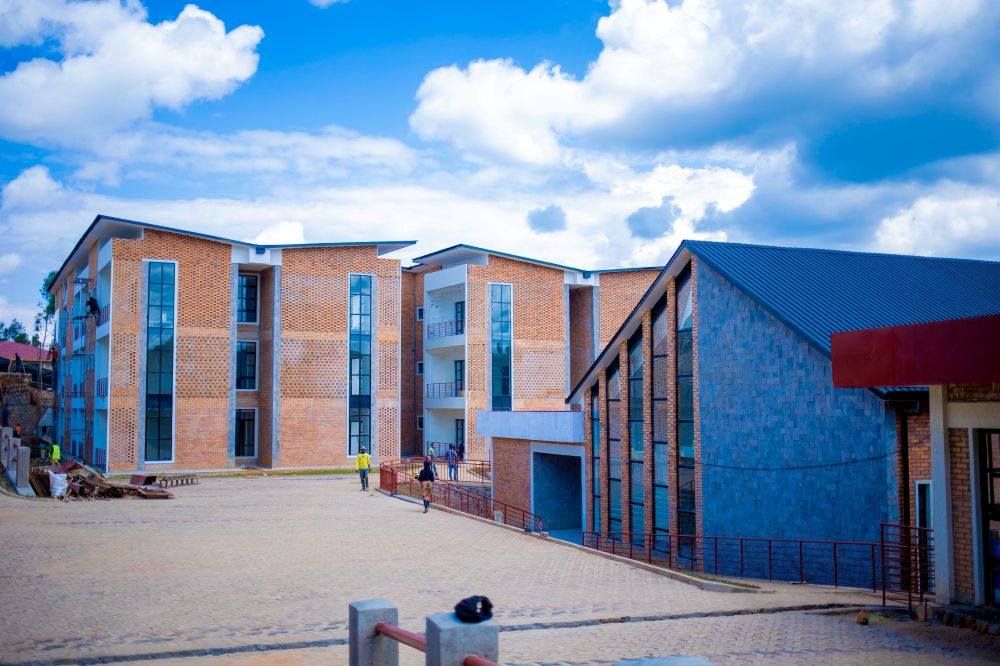
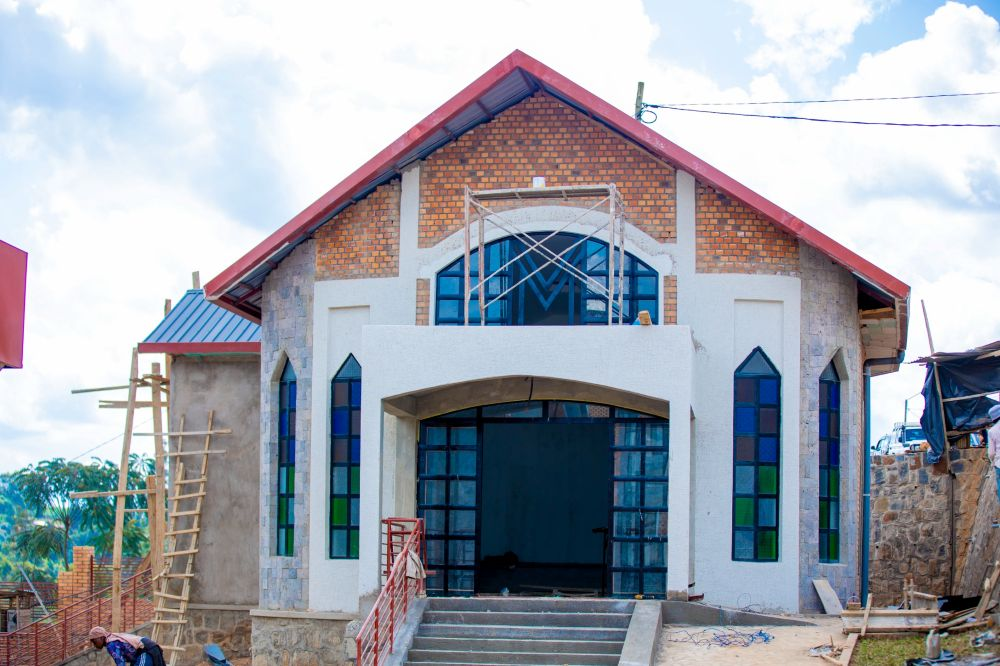
Two hotels in Kibeho are nearing full completion, and several others are under active construction, signaling a long-overdue shift for a district that has long relied on religious tourism as a pillar of its economy yet lacked the infrastructure to match its visitors’ wishes.
Nyaruguru District, in Rwanda’s Southern Province, draws an estimated 1.2 million visitors annually to Kibeho holy land. Shortages of accommodation have pushed visitors to sleep in neighboring districts such as Huye, Nyanza, and Nyamagabe, with Huye absorbing the largest number of visitors.
“I Have Never Found a Bed in Kibeho”
Kabunyi Fidelis, a Kenyan Catholic who has attended the Kibeho holy journey for three consecutive years, said finding accommodation at the sanctuary remained nearly impossible on prayer days, when worshippers converge from across the world.
“Every time I have attended, I have never managed to find a room in Kibeho. I always end up staying in Huye, and getting transport back to Kibeho on the day of prayer is terrible because of the crowds.”
She added that as a foreigner, navigating the unfamiliar area made the situation even more difficult.
“Sometimes we sleep in Kigali because of the time it takes to travel; some people drive all the way from Nairobi. It’s a long journey, and you need to rest properly. Sleeping in Kigali and then making the trip again the next morning is fatiguing.”
She said the arrival of new hotels with gardens and rest areas, even for meditation, which do not require sleeping, would make a meaningful difference, encouraging longer stays.
Sisters say that small accommodations are a challenge.
A Sister working full-time at Kibeho Parish confirmed to Forefront Magazine that the lack of accommodation was actively disturbing the flow of prayer services. Visitors who could not find rooms left before the prayer ended caught transport home while daylight remained.
“It is a real obstacle. Someone who has traveled from another province and has no vehicle must arrange a lift home early because they have nowhere to spend the night. There are hotels, but they are overwhelmed relative to the number of visitors. If beds were available, people would stay and pray in comfort.”
She also noted that transport overcrowding on prayer days was partly a consequence of the accommodation shortage; people rushed for vehicles precisely because they had no place to rest.
Traders welcome the change.
Vendors in Kibeho town, particularly those selling goods related to religious consecration, expressed their emotions about what the expansion would mean for their livelihoods. They made their feelings clear during a community week, a stakeholders’ dissemination organized by Nyaruguru District.
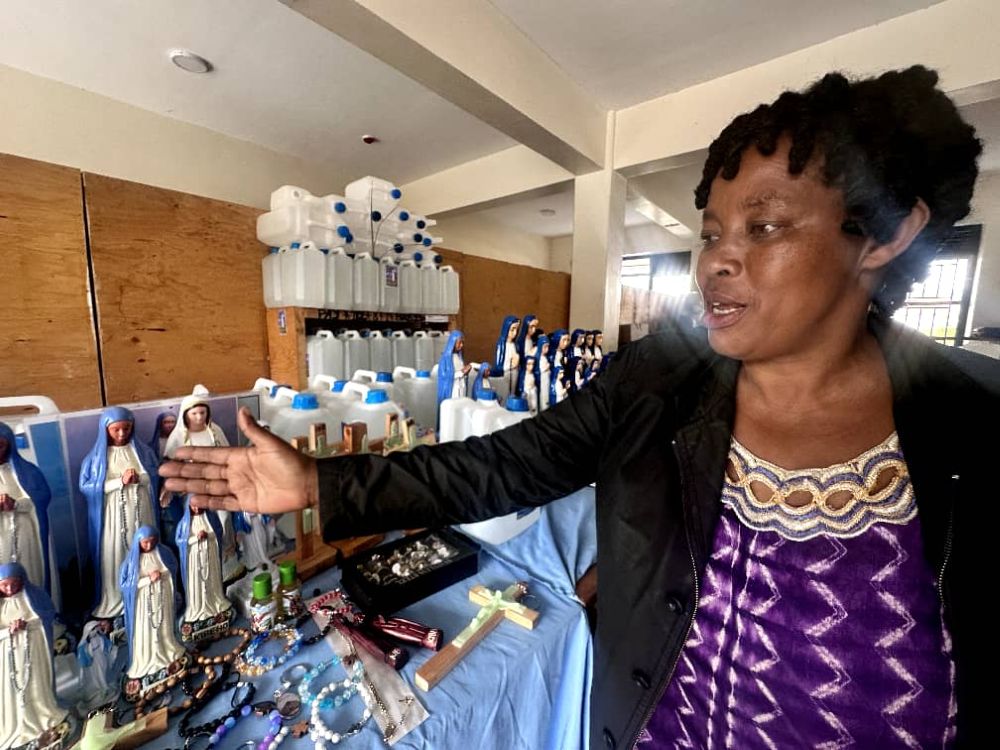
Therese Uwamariya, a Kibeho native in her sixties who has watched the area develop over decades, pointed to the improved road network as an early sign of progress.
“Before the road was built, visitors left their vehicles in Huye because they could not get through to Kibeho. Now the road is good, and travel is easy. More accommodation will only bring more visitors.”
She said her trade of clothing, rosaries, water, candles, and other items popular among the Mother of Jesus varied sharply between ordinary days and prayer days. On a typical day, she earns between 10,000 and 15,000 Rwandan francs. On a major prayer day, that figure jumps to between 100,000 and 150,000 francs.
Dusabimana Innocent, a businessman in the Holy Land, said the two peak dates on the Kibeho calendar, August 15th and November 28th, generated half of the annual income.

“On those days, I earn more than 140,000 francs. On slow days, it can drop to 5,000 or 10,000 francs. More hotels mean more customers, and that means business grows.”

Two hotels at 98 %
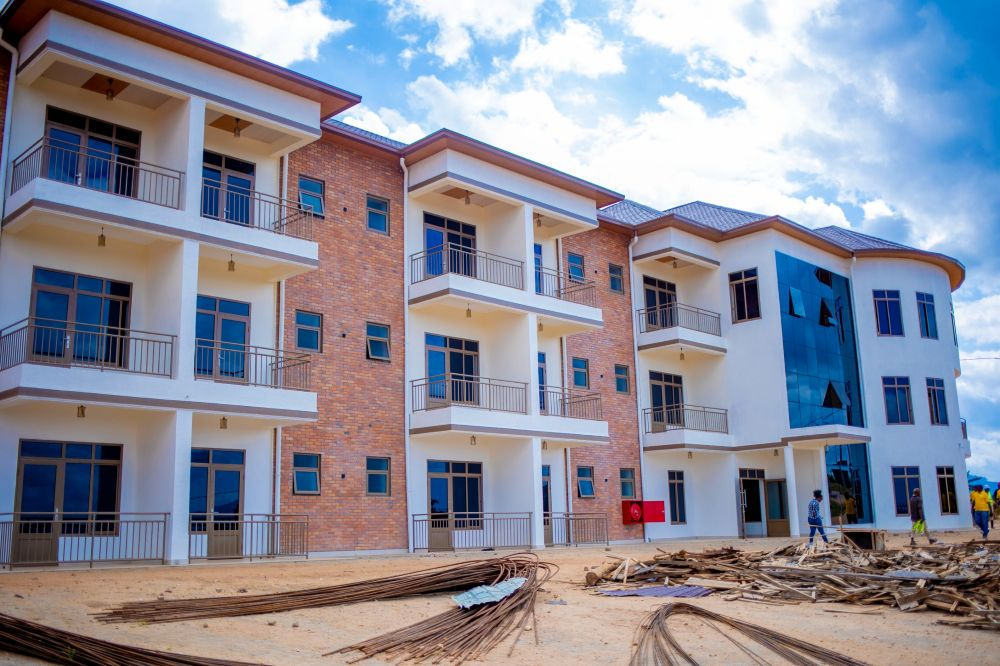
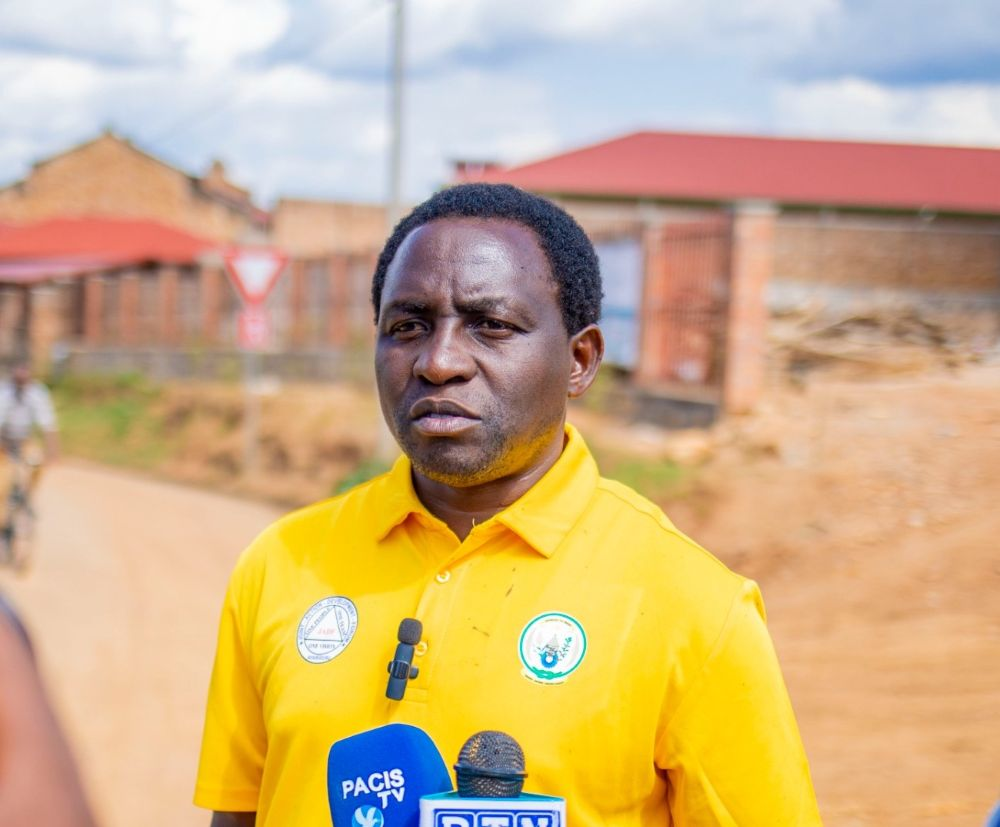
The Mayor of Nyaruguru district, Dr. Emmanuel Murwanashyaka, confirmed that Hotel Kibeho and Hotel Pacis were approaching 98% completion and would be fully operational by the end of June.
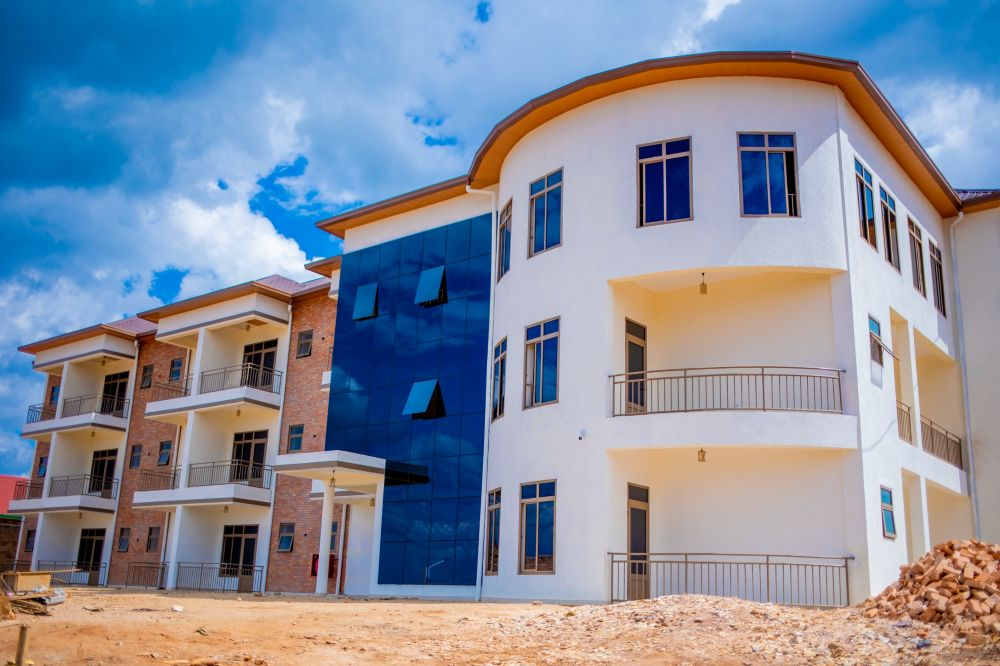
“We receive around 1.2 million visitors in Kibeho every year. Accommodation has been a problem, but it is being solved. By the end of this month, both hotels will be open, and together they will be able to accommodate 300 guests at the same time. We expect the accommodation crisis to be significantly less acute than in previous years.”
He listed additional establishments under construction, like Moreyare (currently being renovated); EAR Hotel; Nyarushishi Hotel; and a Health Community Workers’ hotel, as well as several guest houses and cheaper lodging facilities.
Pacis expansion driven by customer wishes
Sister Marie Emilienne Umutesi, a sister supervising construction at Hotel Pacis, said that the decision to expand came directly from observing the suffering of the visitors.
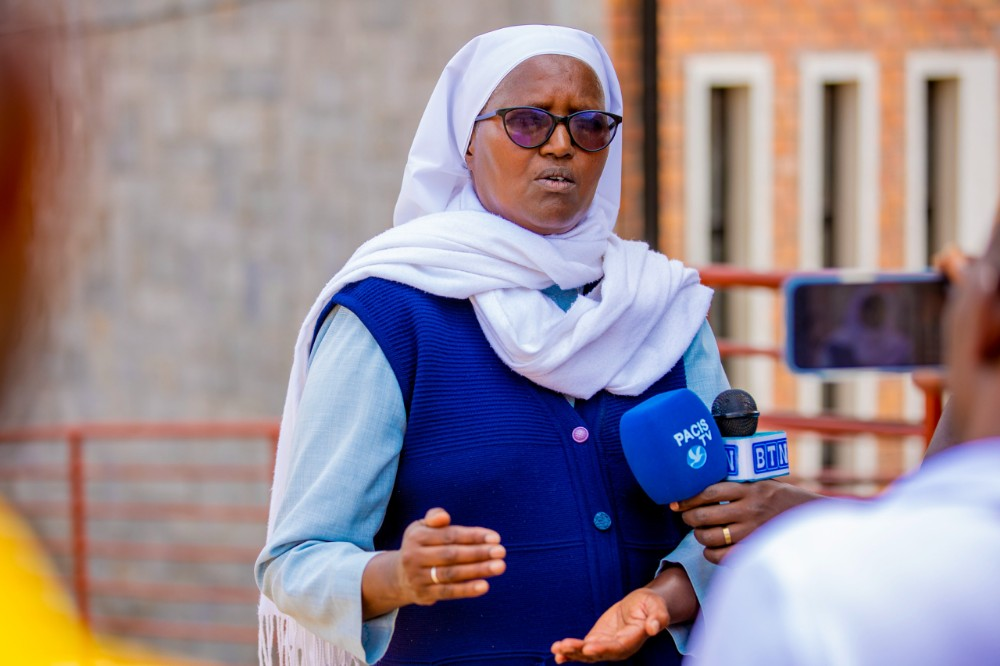
“We started as a small place offering simple food and drinks to passing travelers. Gradually, customers began asking us to add fast food because visitors were arriving with nothing to eat. Then requests for accommodation followed. We listened to each wave of demand, and now we are equipped to host around 200 guests, and we have already received and accepted bookings for the upcoming prayer season.”
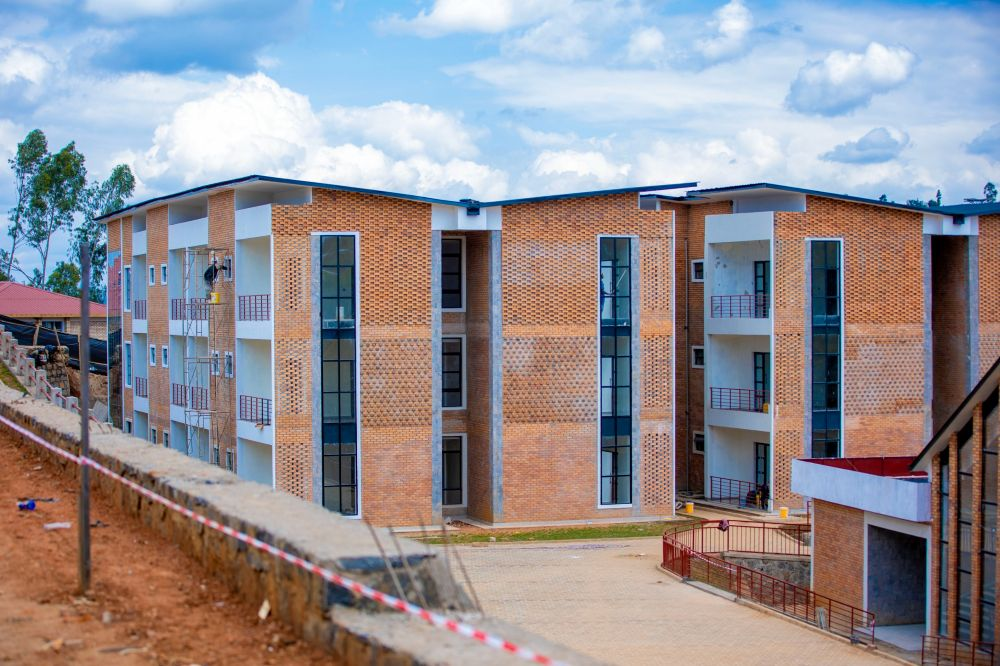
The original Pacis facility had 36 rooms and a dormitory with 68 beds. The newly completed wing adds 48 rooms, some fitted with double beds, plus a dormitory accommodating 120 people. Hotel Kibeho has 35 rooms.
The two hotels represent a combined investment of approximately 3 billion Rwandan francs. Hotel Kibeho cost 2.2 billion francs, while the Pacis expansion was completed at a cost of 1.8 billion francs.
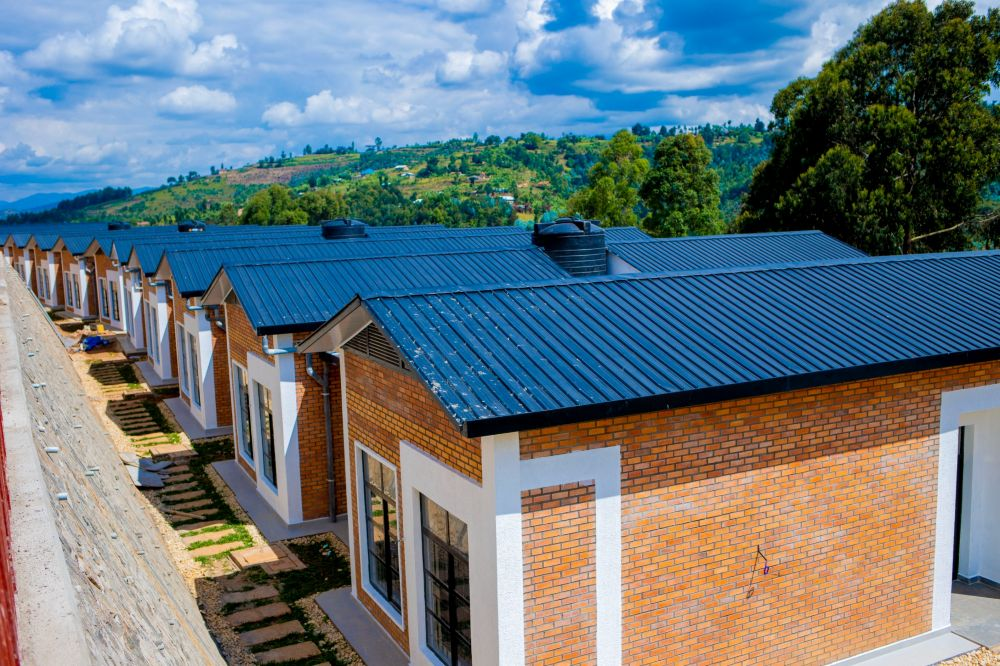
Soeur Umutesi said she hoped Pacis, which has been building for visitors for nearly two decades, would serve as proof of concept for private investors who might otherwise assume that accommodation at a religious site means building cheap dormitories and little else.
“We want to show that you can invest seriously in Kibeho. The demand is real, and it is growing.”
The Mayor of Nyaruguru district, Dr. Emmanuel Murwanashyaka, encourages investors to invest in hospitality at Kibeho Holy Land.


