
 0
0
 0
0
By Annonciata Byukusenge
When the government launched the crop and livestock insurance program, Rwanda’s National Agriculture Insurance Scheme (NAIS), locally known as TEKANA Urishingiwe Muhinzi Mworozi, in 2019, it covered only crops grown on open hillside schemes. That has now changed; the scheme has been expanded to include greenhouse farming.
Museruka Joseph, the TEKANA project manager at RAB-SIPU, explains that greenhouse farmers have long been vulnerable to weather-related losses and that this reality is exactly what pushed his team to bring them into the fold.
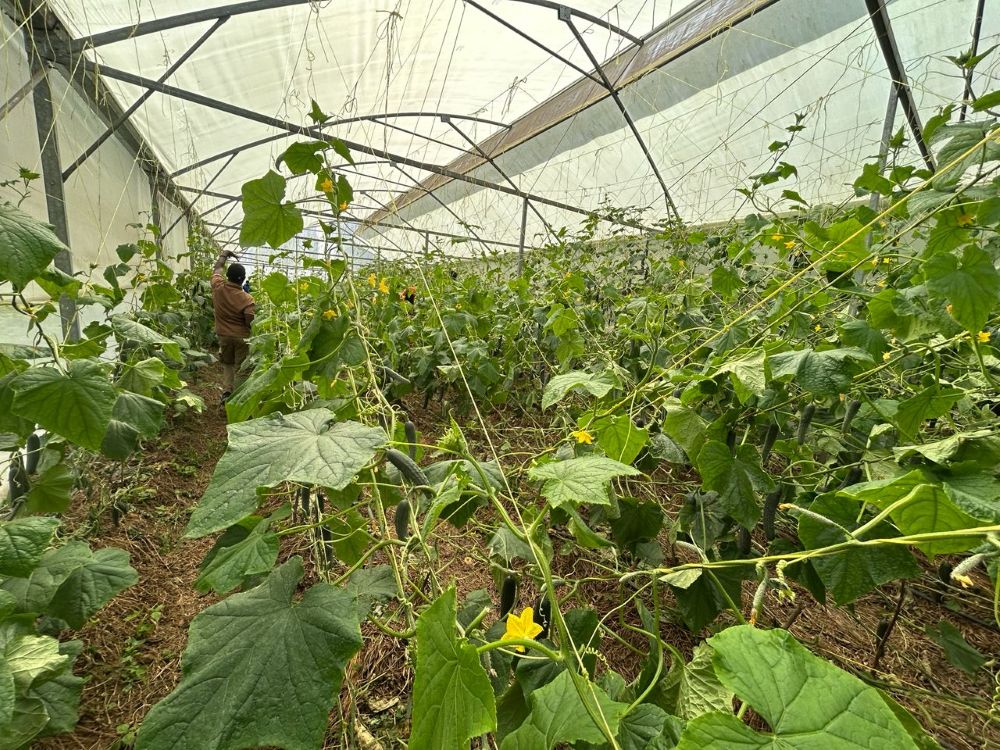
“The greenhouse insurance component officially launched on May 7th. It’s going to make a real difference. Farmers have been dealing with recurring damage, strong winds tearing off greenhouse roofs and carrying away everything inside, hail cracking the structure, pests coming in through gaps, or intense sunshine scorching crops when ventilation fails. All of that is now covered. Even when disaster strikes, farmers won’t be left waiting; support will come quickly.”
He went on to note that some farmers had previously been forced to absorb 100% of their losses because no insurance scheme covered them. Under TEKANA, that burden is now shared: the farmer contributes 60% of the premium, while the government subsidizes up to 40%.
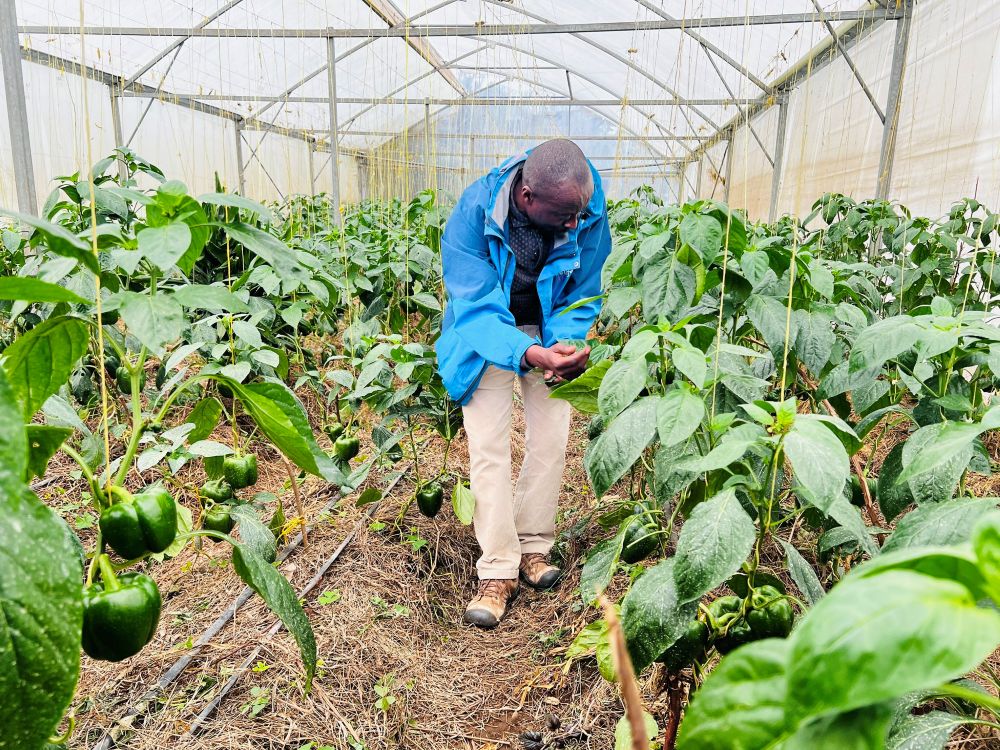
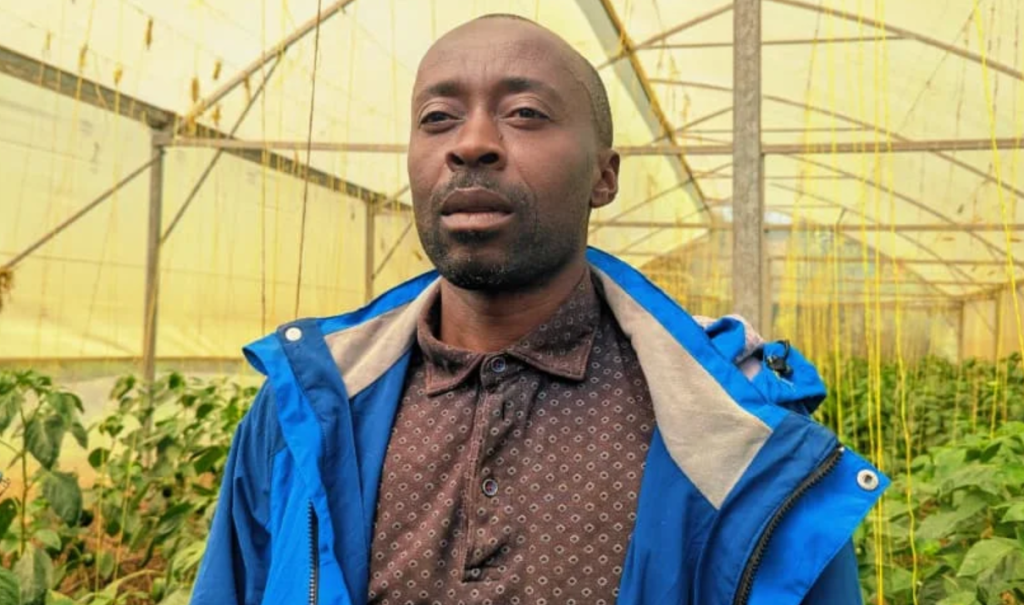
One farmer who welcomes the change is Jean Paul Kubwimana, a greenhouse vegetable farmer in Gacaca Cell, Rubengera Sector, Karongi District.
“TEKANA came at the right time. We’ve been hit by weather losses more times than I can count. Now, for the first time, I feel confident that we won’t keep bleeding money or paying full premiums with nothing to show for it.”
He says wind and snow have been his two biggest enemies, and he has experienced both more than twice.
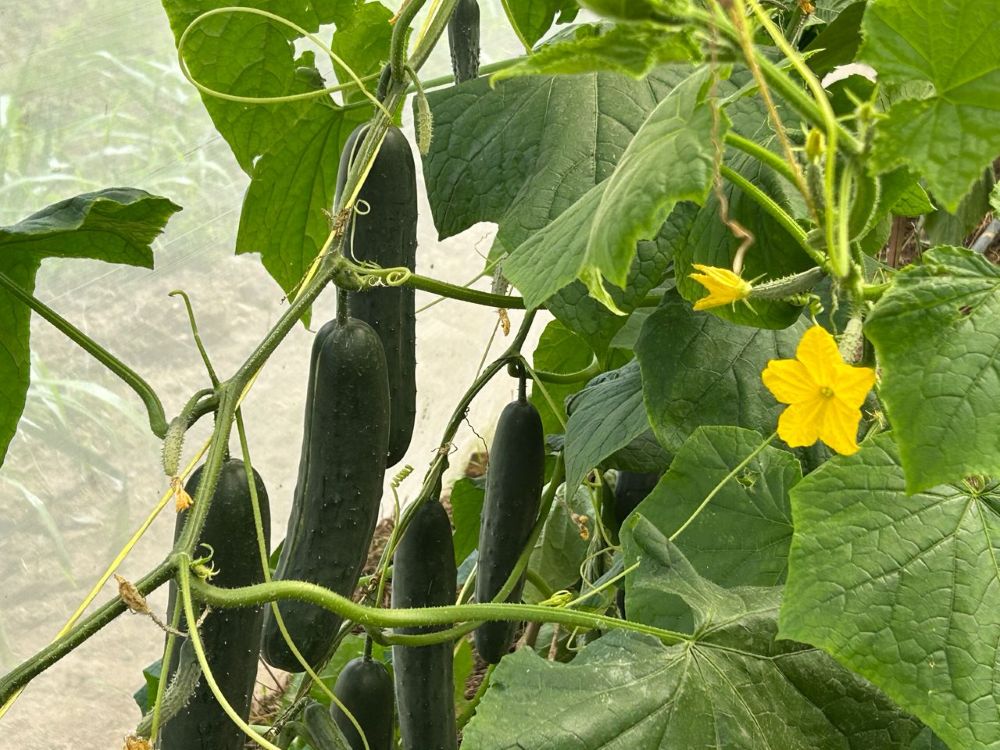
“I lost everything to a violent windstorm that ripped off my greenhouse roof. Once the walls gave way, the sun got in and burned the crops. It happened during the last growing season, and I had pepper seedlings. They turned limp and pale, like they’d been scalded with boiling water.”
He adds that insuring a greenhouse under the old, separate schemes was both expensive and inadequate, since coverage only applied to the physical structure, not the crops inside.
“What excites us greenhouse farmers about TEKANA is that it covers the structure and the crops together, and the government subsidizes up to 40%. For the other insurance, you paid 100% of the premium, and even then, your crops weren’t protected. I lost two full harvests and got nothing back, except greenhouse tools.”
So far in the 2025–2026 agricultural season, TEKANA coverage in Karongi District has extended to 39 hectares of maize and 20.4 hectares of Irish potatoes. On the livestock side, 810 cows, 2,000 chickens, and 476 pigs have been enrolled in the program.
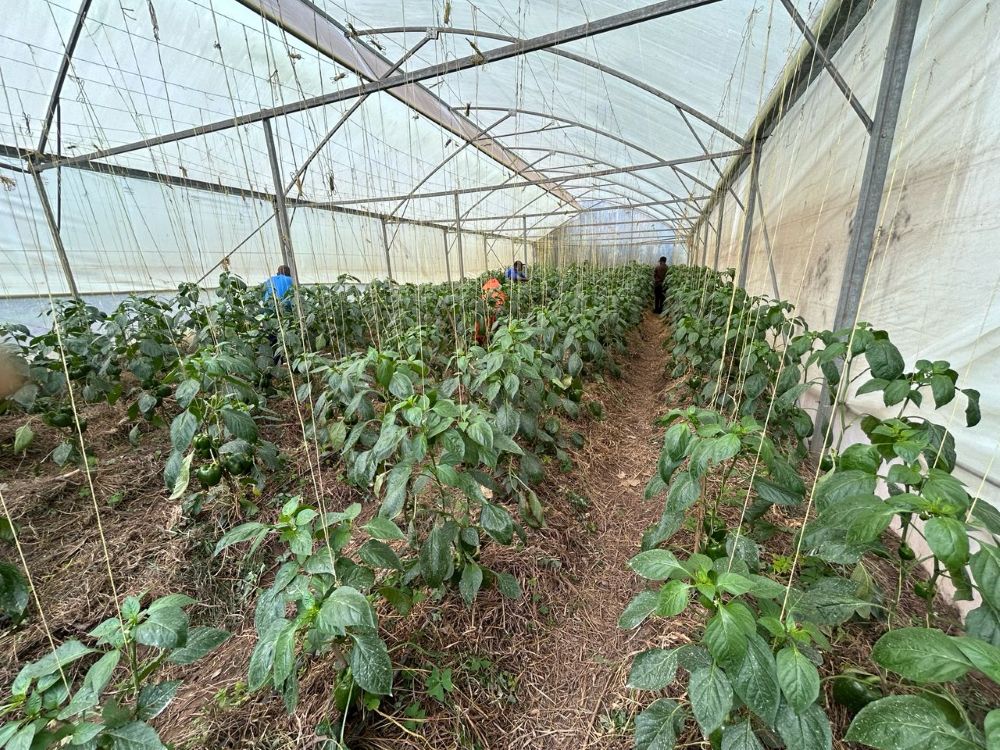
Joseph Museruka, the Project Manager of TEKANA under RAB-SPIU, acknowledges that the program has already delivered meaningful results but says awareness campaigns must continue to extend their reach.
“Each year, more than 200,000 farmers benefit from subsidized insurance under the TEKANA Urishingiwe Muhinzi Mworozi program. The government covers 40% of the subsidy, while the farmer or livestock farmer contributes the remaining 60%. To date, a total of 9,392,461,332 Rwandan francs has been paid out in compensation.”

He adds that crop farmers have received 5,260,214,761 francs in payouts, while livestock farmers have been compensated 4,132,246,571 francs. The total government subsidy extended to support both groups stands at 7,025,436,179.20 francs.
TEKANA is a government program under the Ministry of Agriculture and Animal Resources and is implemented by the Rwanda Agriculture and Animal Resources Development Board (RAB).


