
 0
0
 0
0
By Annonciata Byukusenge
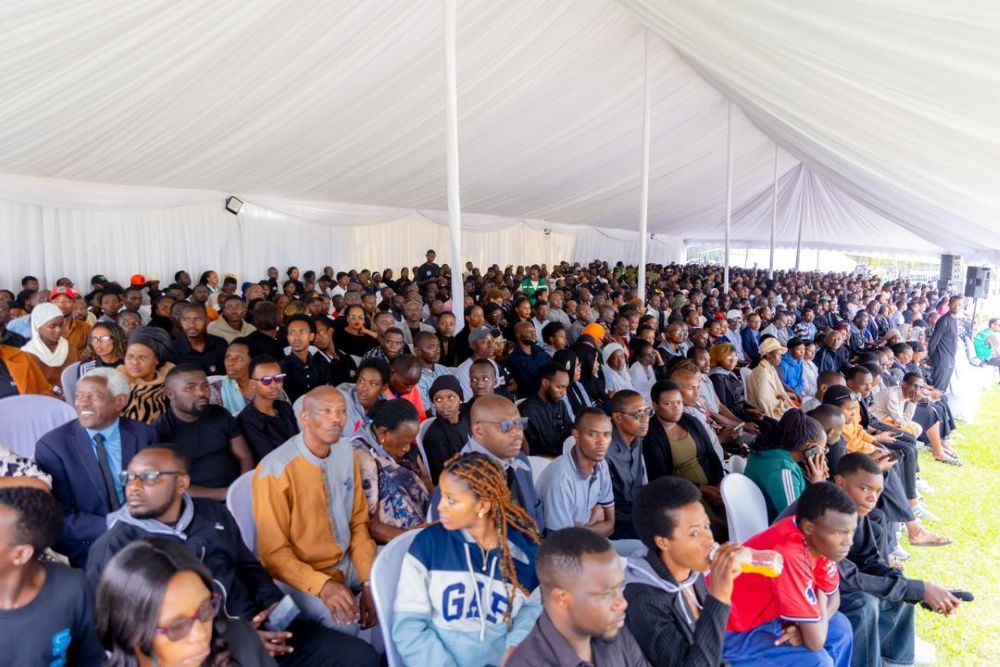
On April 13, 2026, a closing mourning week is held at the Rebero Genocide Memorial. The event honored politicians who were killed during the 1994 Genocide against the Tutsi, people who lost their lives because they stood up against a regime of oppression and its hateful ideology.
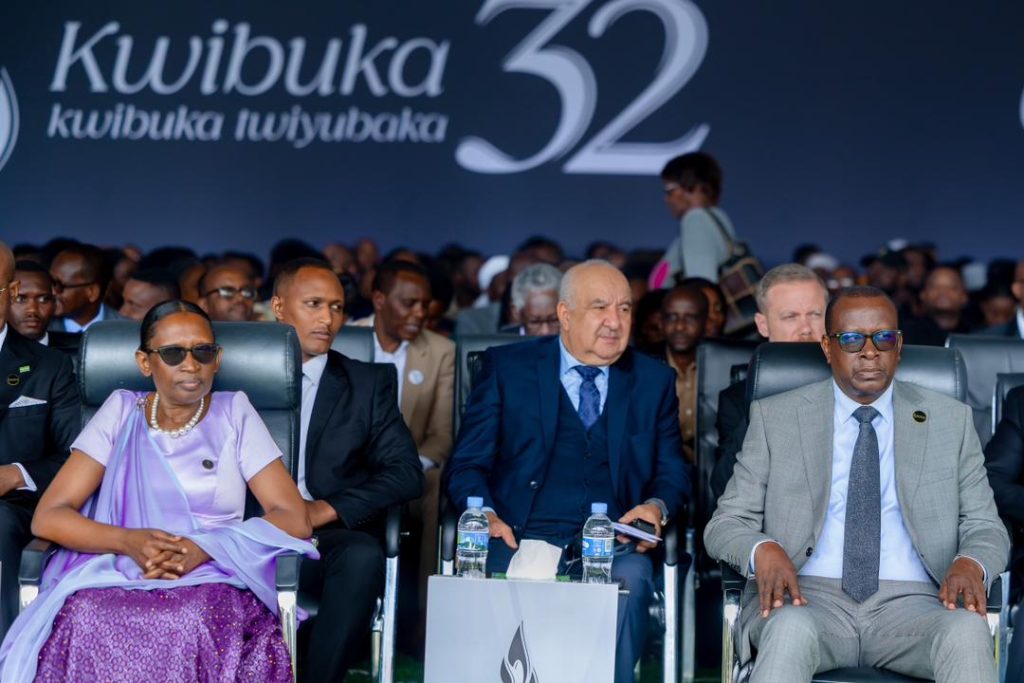
The ceremony brought together senior government officials, foreign diplomats, politicians, and families who lost loved ones. They gathered on the hill of Rebero to pay their respects and honor those who played a significant role in defending truth and national unity.
In his remarks, the President of the Senate of Rwanda, Dr. François Xavier Kalinda, who served as the Chief Guest, reflected on the foundational principles that Rwanda has committed to building its future upon. He emphasized that the Constitution is a critical pillar in preventing genocide and its ideology and reminded those present that the fight against genocide ideology is an ongoing struggle that demands the participation of every Rwandan. He stressed that unity remains the foundation of lasting development.
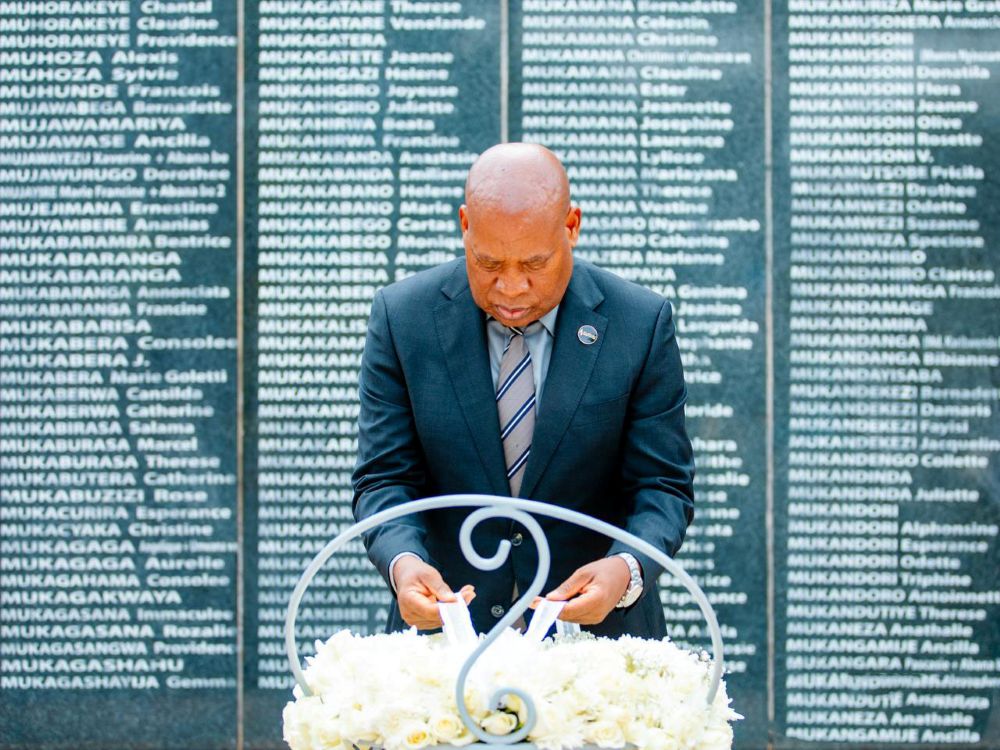
He went on to explain that the Constitution also prioritizes the complete elimination of discrimination and division while promoting the unity of Rwandans as a cornerstone of sustainable progress.
Dr. Kalinda further underscored that the battle against genocide ideology must never relent.
The fight against genocide ideology will continue until it is entirely uprooted. It requires everyone’s participation, and we will be empowered by staying true to our national choices.
He added that “the Constitution of the Republic of Rwanda, which we adopted through a referendum, enshrines the fundamental principles our country has committed to uphold, including the prevention and punishment of the crime of genocide, the rejection of genocide denial and minimization, and the complete eradication of genocide ideology in all its forms.”
The spokesperson of the National Forum of Political Organizations in Rwanda (NFPO), Dr. Frank Habineza, highlighted that Rwanda’s political landscape is built on cooperation and complementarity among political parties, where those who do not share the government’s positions do not seek to undermine it but instead contribute constructive solutions to national challenges.
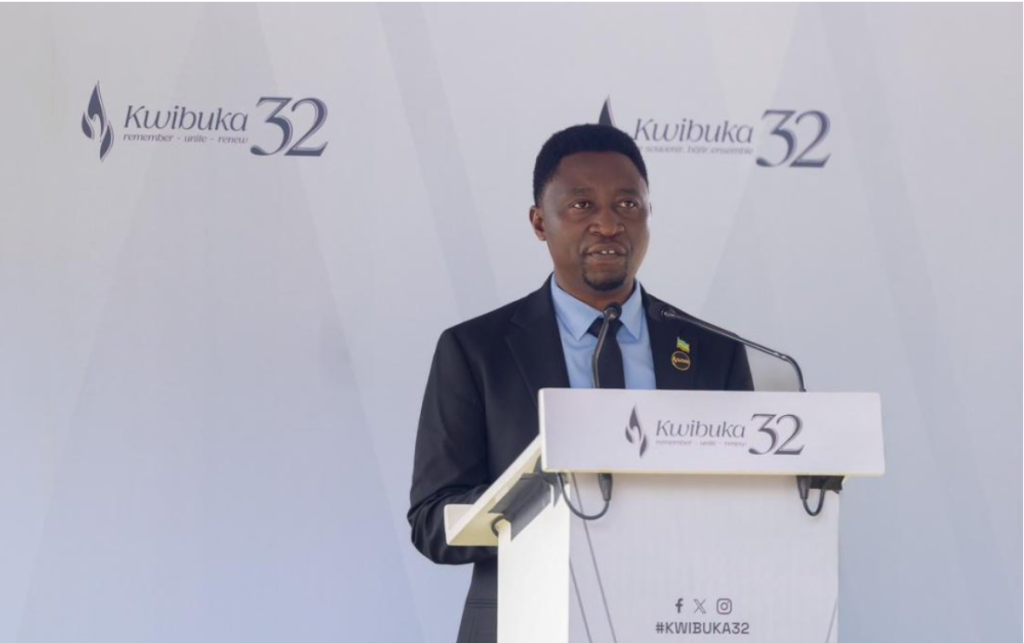
“Opposition in Rwanda does not mean fighting or destroying what people have built together over 32 years since the Genocide against the Tutsi. Our form of opposition means offering ideas and seeking solutions to existing problems, and we do so with full awareness that we live in a Rwanda that experienced a dark political history that led to the Genocide against the Tutsi.
Our opposition must respect the principles that people have collectively agreed upon, principles that each person is obligated to uphold and protect, because they help us remain united as Rwandans.”
He further expressed that the Forum of Political Organizations stands firmly behind the country’s leadership and will not accept anything that sets Rwanda back. He called on Rwandans still in exile to return home and join in building the nation.
“The Forum of recognized political parties in Rwanda calls on Rwandans still hiding in the forests of Congo and elsewhere in the world to separate themselves from those who have taken them hostage, people who refuse to return because of crimes they committed in Rwanda, including crimes related to the Genocide against the Tutsi. Let them come home, because Rwanda is at peace.”
Dr. Habineza also paid tribute to the politicians being commemorated, noting that they died because of the values and courage they stood for: “The politicians we honor today were killed because of their bravery in opposing a tyrannical regime and refusing to accept injustice. They did so while fighting for a country governed in a way that respects all Rwandans equally, without discrimination.”
The Minister of National Unity and Civic Engagement, Dr. Jean Damascène Bizimana, spoke about the special significance April 13 holds in Rwanda’s history, particularly in the journey toward liberating the country and rebuilding national unity.
“This is a day dedicated to recognizing the extraordinary, courageous, and decisive actions of politicians who refused to betray the commitment they had made to Rwanda, choosing to stand apart from Juvénal Habyarimana’s oppressive government and his allies who orchestrated the Genocide against the Tutsi.”
He continued by noting that commemorating politicians killed during the Genocide is a testament to Rwanda’s inclusive approach to remembrance. “It shows that Rwanda has a culture of memory that acknowledges every dimension of the Genocide against the Tutsi.
No one is remembered at the expense of another, contrary to the lies spread by Rwanda’s enemies, which could easily mislead younger generations. No person who did good during the Genocide against the Tutsi will ever be forgotten.
That is why, every year, research is conducted to identify those who protected others and those who may still be discovered today, and they are given a special place of honor and the recognition they deserve.”
Young people, in particular, were reminded of their responsibility to preserve history, to stand against those who seek to distort it, and to build Rwanda’s future on a foundation of truth, unity, and strong values.
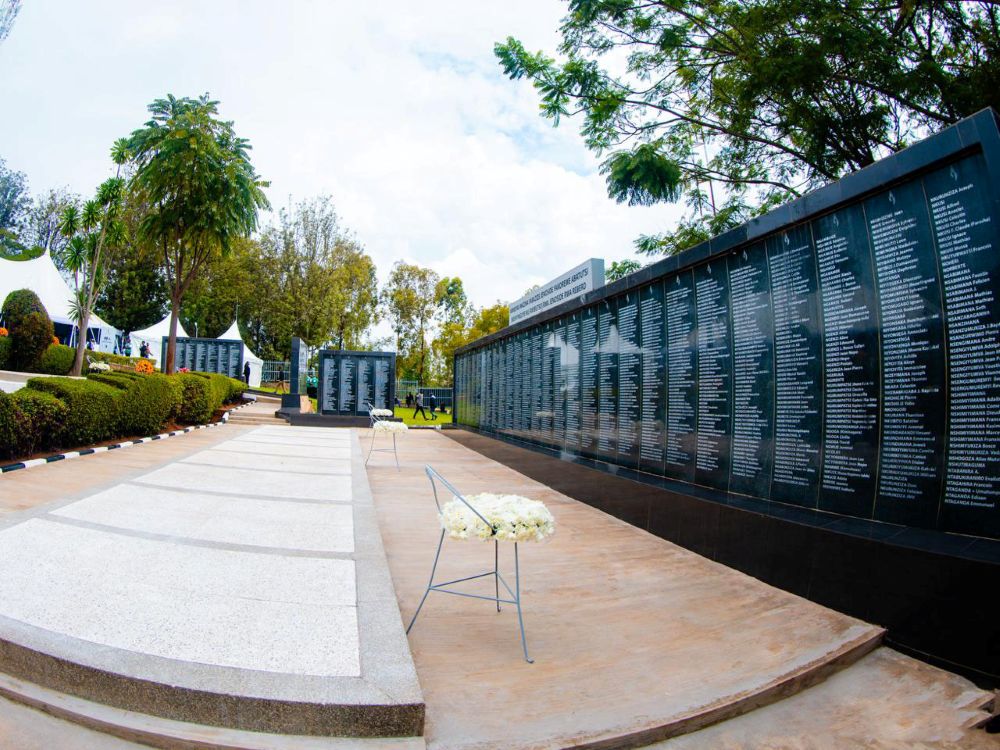
Since 2006, April 13 has marked the closing day of the annual Genocide Commemoration Week in Rwanda. It is also the day specifically dedicated to honoring politicians who were killed during the Genocide, individuals who paid the ultimate price for refusing to align themselves with a politics of hatred, injustice, and division, right up until their ideas and principles cost them their lives.
To date, the Rebero Genocide Memorial is the resting place of the remains of nearly 14,400 victims of the 1994 Genocide against the Tutsi.
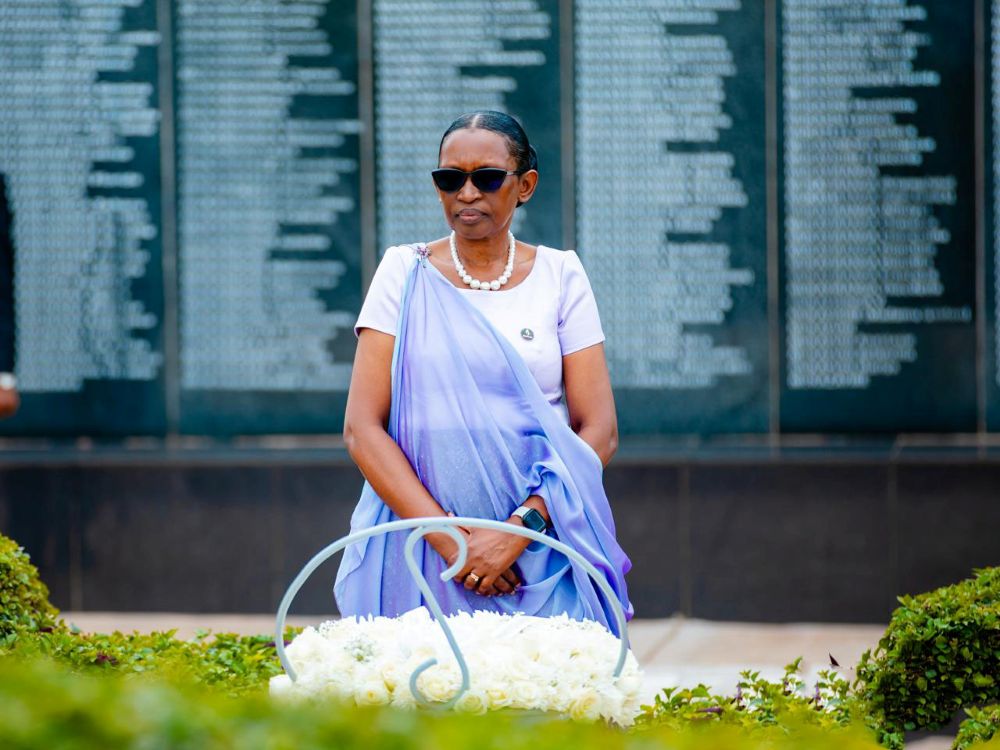
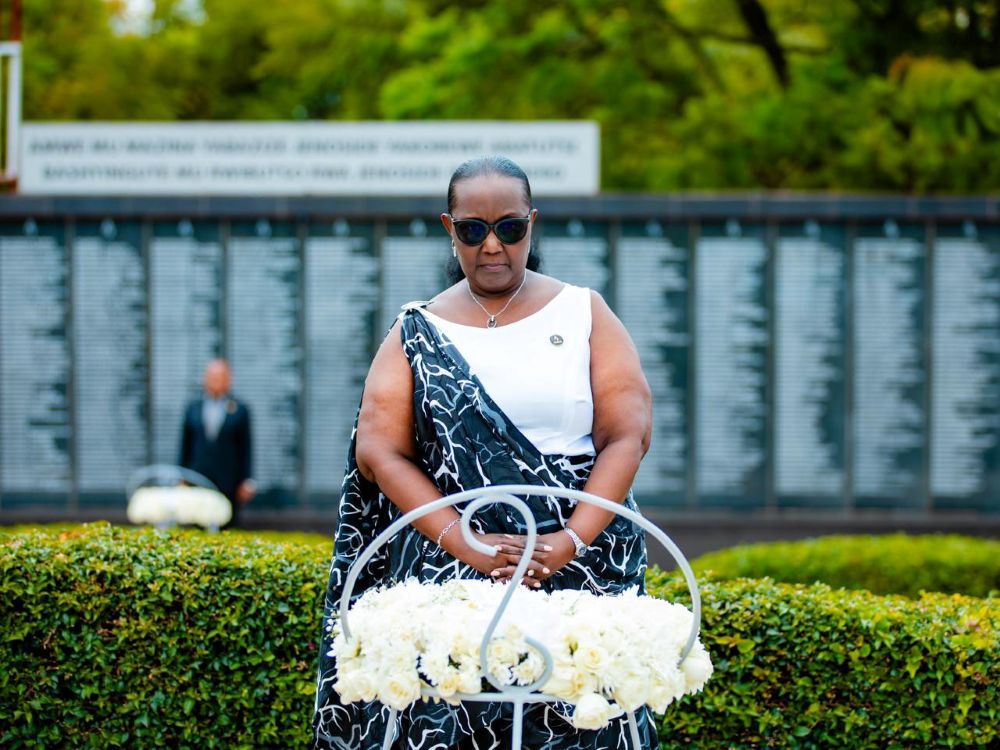
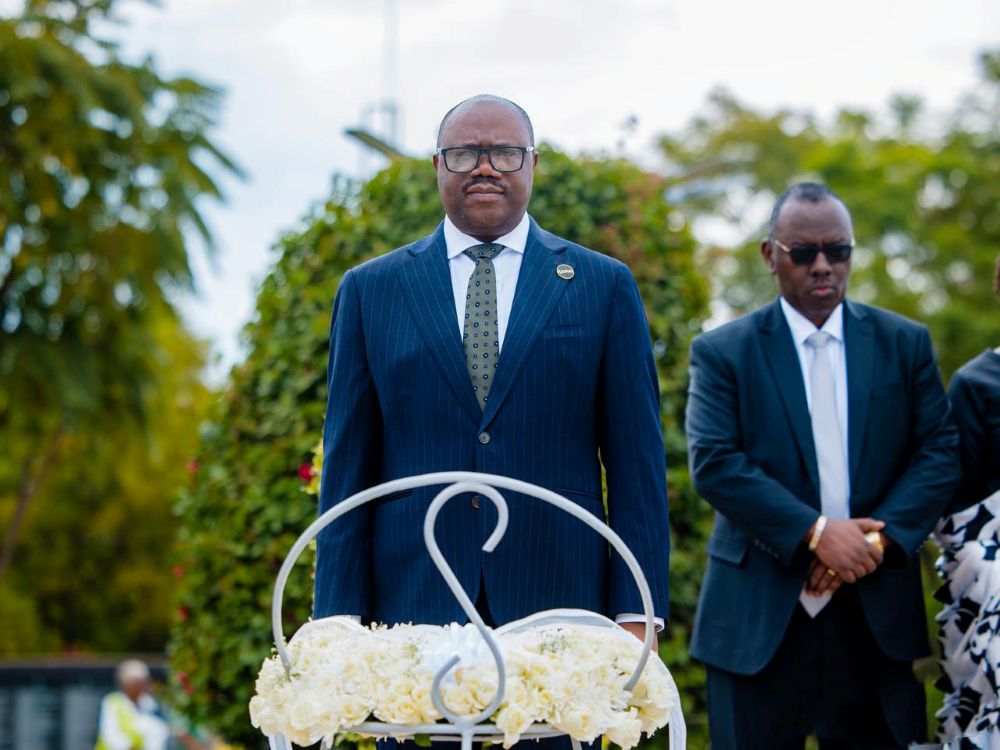
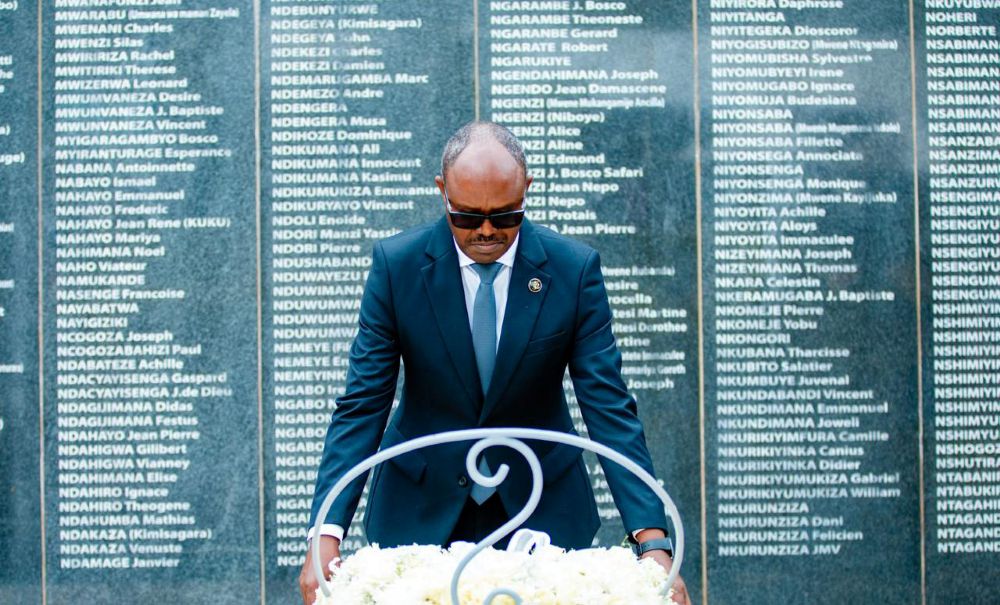
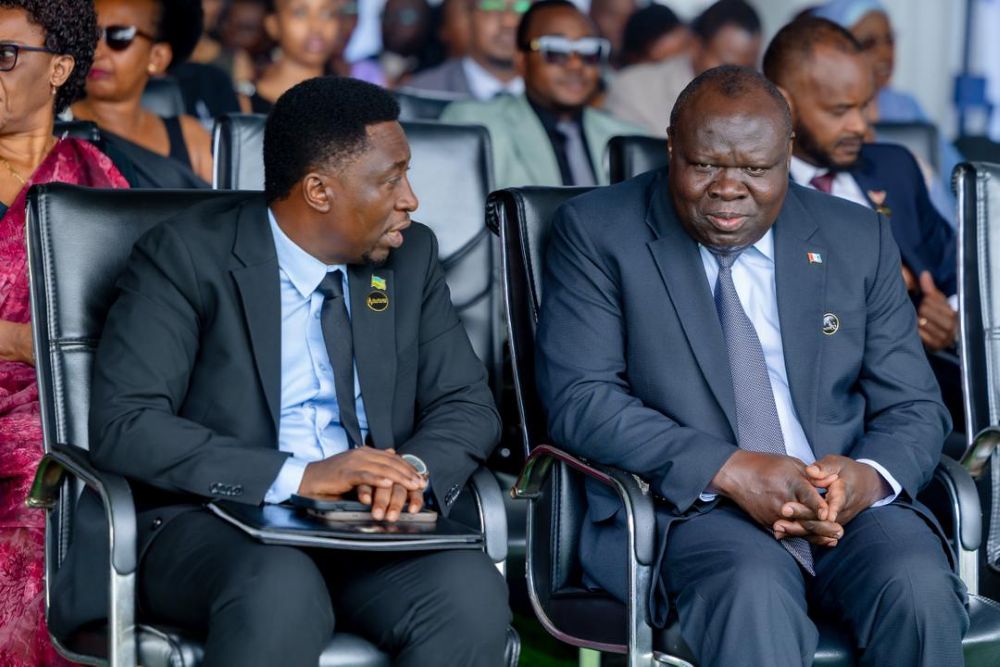
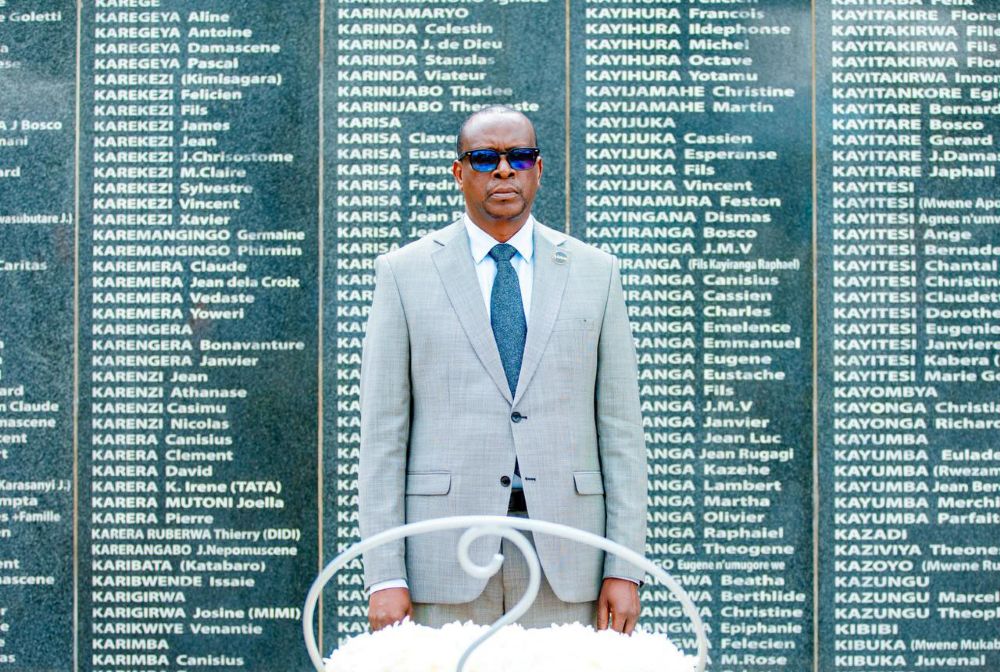
The spokesperson of the National Forum of Political Organizations in Rwanda (NFPO), Dr. Frank Habineza and Amb. Christophe Bazivamo


