 1
1
 0
0
By Emmanuel Mutangana
When Anne Marie Mushimiyimana needed eggs for her three children, she sometimes had to sell food from her household to afford them.
Today, her family has its own source of eggs after receiving laying hens through the Second Sustainable Agricultural Intensification and Food Security Project (SAIP II), a change she says has helped improve her children’s nutrition.
“I have three children. Before SAIP supported me to get eggs, it was difficult. I had to first sell some of the food I had grown so that I could buy eggs for my children. But after SAIP came and gave us chickens, they now lay eggs, and my children eat them. Things are different from how they were before,” Mushimiyimana said.
Mushimiyimana, a beneficiary from Kavumu Sector in Ngororero District, said one of her children had previously suffered from malnutrition and struggled to gain weight.
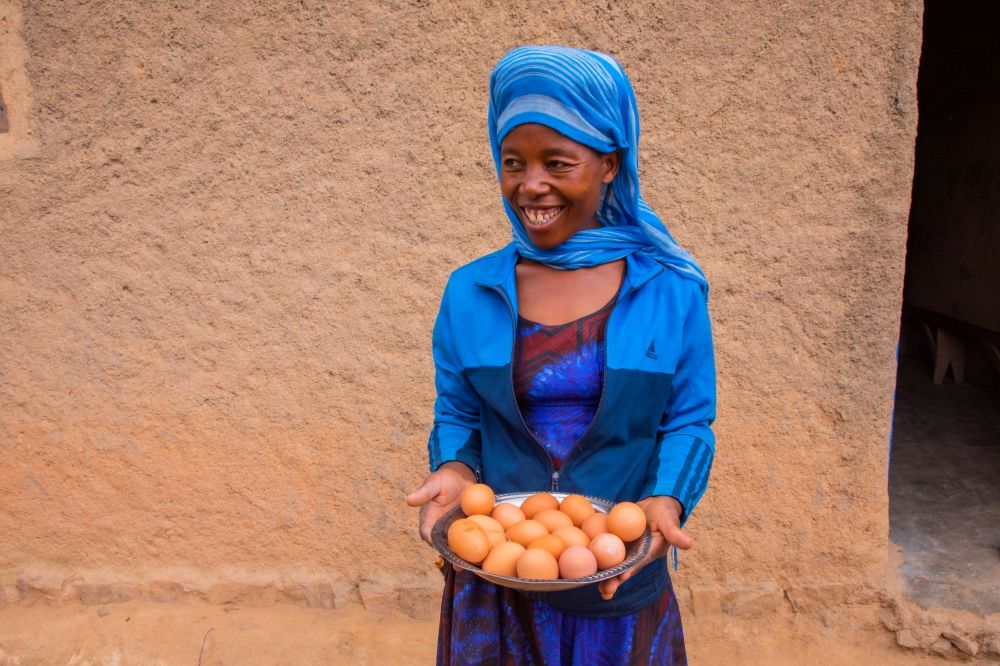
She said the child’s condition began improving after the family started having regular access to eggs.
“One of my children was malnourished and was often weak. We could not afford to buy eggs. But after SAIP came and the child started getting eggs regularly, the weight gradually increased,” she said.
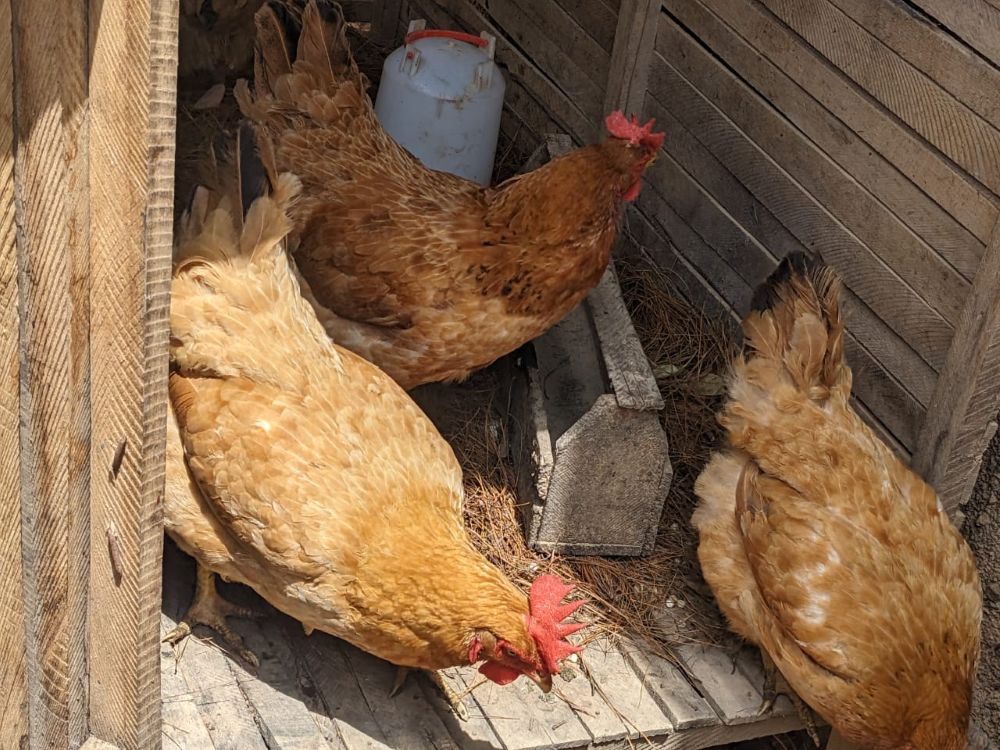
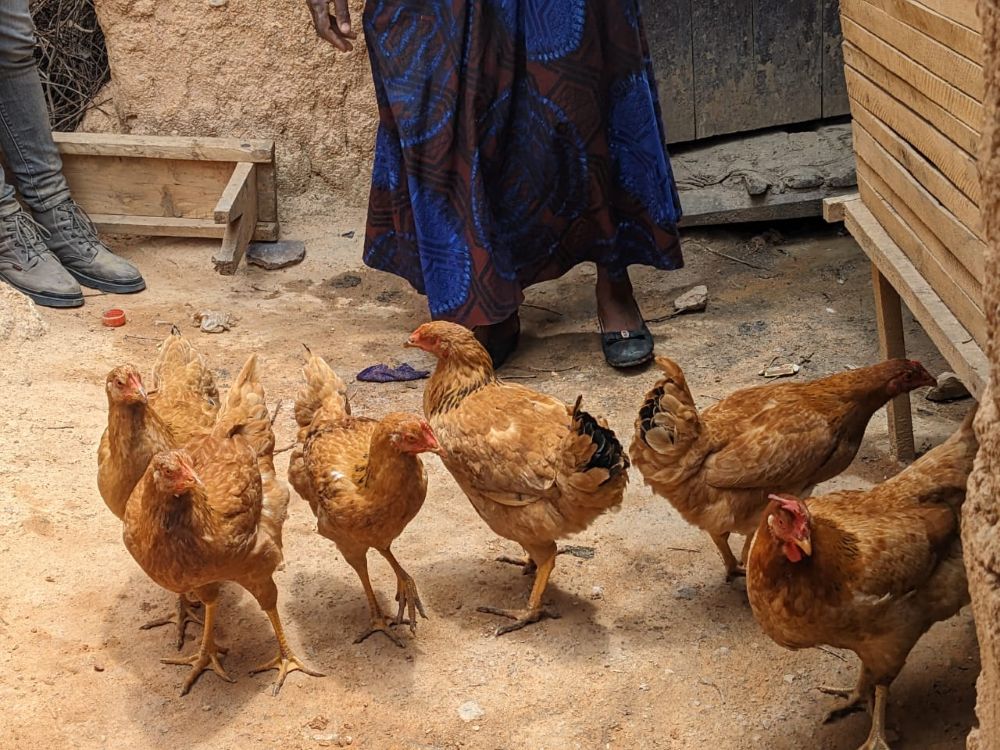
The four chickens she initially received have since increased to seven, with the flock producing about 12 eggs a week.
“We eat some of the eggs and sell the surplus to buy more chickens. The chickens have also helped me pay for health insurance on time,” she said.
Mushimiyimana’s experience reflects the approach SAIP II is using in Ngororero, where nutrition support is being combined with household food production, nutrition education and livelihood activities to help vulnerable families improve access to nutritious foods.
Yvonne Uwanyirigira, another beneficiary from Kavumu Sector, received support from SAIP II when her young child was experiencing malnutrition.
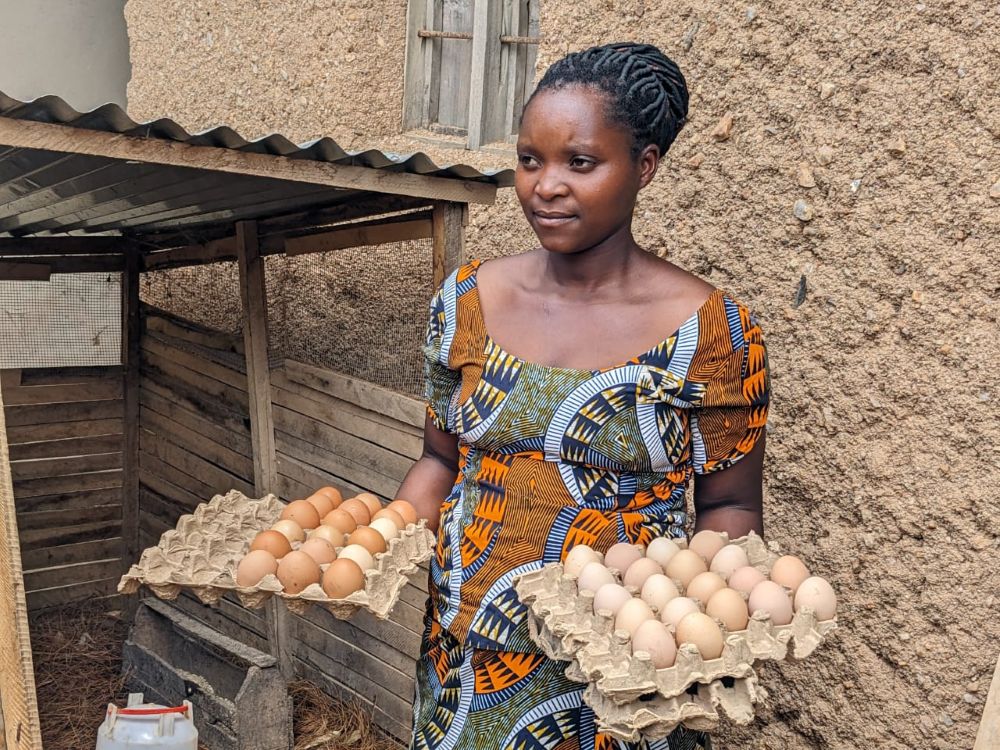
She was given four chickens, chicken feed and a poultry house, alongside training on balanced diets, household development and prevention of malnutrition.
“SAIP II came when I had a young child who was experiencing malnutrition. The project gave me four chickens so that I could get eggs to feed my child and help the child recover,” Uwanyirigira said.
She said the training also changed how her household approaches food and nutrition.
After receiving the chickens, Uwanyirigira increased their number as they began producing eggs. She also started using chicken manure to grow vegetables, giving her household another source of nutritious food.
“They now produce eggs, and I also use the manure to grow vegetables, which helps me provide my family with a balanced diet every day,” she said.
Her experience illustrates the project’s approach of combining practical household assets with nutrition knowledge, enabling families to produce some of the food they need while potentially generating income from surplus production.
Ngororero has historically faced a high burden of child malnutrition and stunting.
According to the Demographic and Health Survey (DHS), the district’s stunting rate among children under five stood at 50.5% in 2020.
Benjamine Mukunduhirwe, Ngororero District Vice Mayor in Charge of Social Affairs, said the latest DHS results released in 2025 show that the rate had fallen to 35.8%.

She said the progress has resulted from combined efforts involving the government, communities and different partners, with SAIP II contributing to the district’s efforts to address malnutrition and stunting.
“Stunting was a serious problem in our district. According to the 2020 DHS, we had a stunting rate of 50.5% among children under five,” Mukunduhirwe said.
She said SAIP II began working with the district in 2024, supporting its efforts to improve household nutrition.
“We thank RAB, particularly through SAIP, because in 2024 we received SAIP II to support us in the fight against malnutrition and stunting,” she said.
Mukunduhirwe said one of the project’s important contributions has been improving residents’ understanding of balanced diets.
SAIP II currently operates in four of Ngororero’s 13 sectors: Sovu, Kavumu, Kageyo and Ndaro.
“SAIP works in four sectors out of the 13 sectors of Ngororero District. But when you look at those four sectors, residents have improved their understanding. At least a resident now understands what a balanced diet is and knows its importance,” she said.
She said the reduction in stunting is encouraging, although the district still has a long way to go.
“We have reduced it from 50.5% to 35.8%. We are still above where we want to be, but the fact that we have reduced it is something for which we greatly appreciate the support of SAIP II,” she said.
Mukunduhirwe added that the district hopes to continue working with communities and partners to further reduce malnutrition and stunting, in line with the country’s target of bringing stunting below 15% by 2029.
What SAIP II has delivered in Ngororero
SAIP II began implementing its activities in Ngororero during the 2024/25 financial year, with interventions focusing on two broad areas: supporting farmer cooperatives to increase agricultural production and food security, and promoting better nutrition among vulnerable groups, particularly pregnant and lactating women and children under five.
Under the nutrition component, the project has provided households with a package of food production inputs, livestock, and nutrition education.
The project has so far distributed 11,700 laying hens to 2,925 households. Each household receives four chickens that are about three months old.
The project has also provided 119.925 tonnes of chicken feed, with each beneficiary household receiving feed to support the chickens during the period before they begin laying eggs.
Households receiving chickens are also provided with poultry houses, feeding and drinking equipment, intended to promote proper poultry management and prevent households from keeping the birds inside their homes.
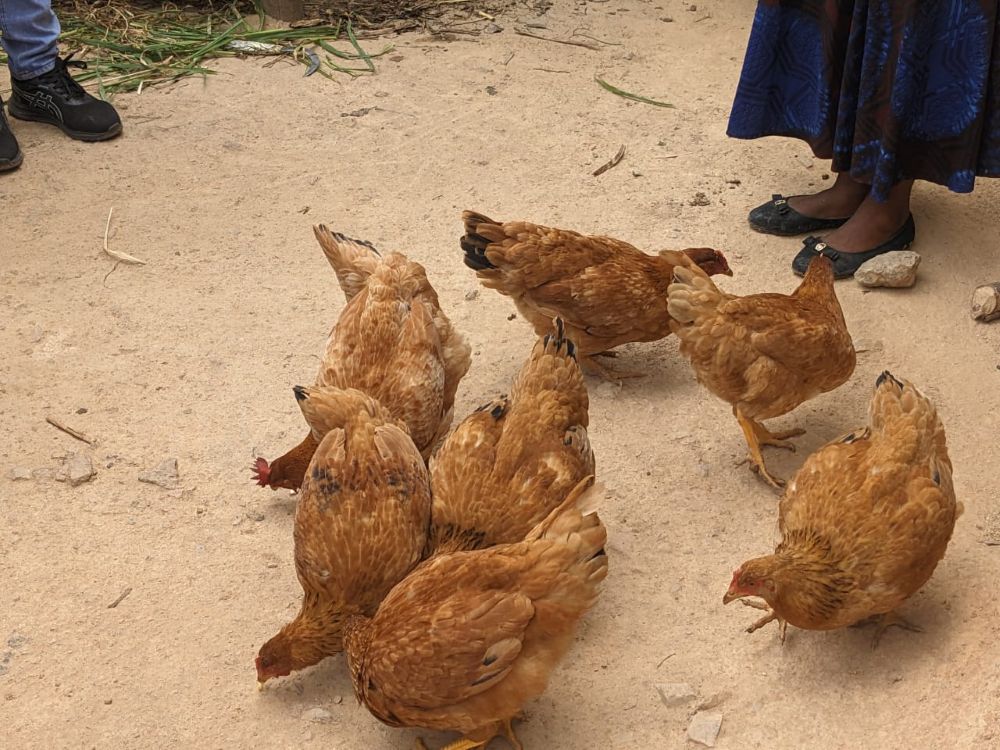
Beyond poultry, SAIP II has distributed 36,924 mushroom-growing tubes to 2,842 households, while 1.2 million orange-fleshed sweet potato cuttings have been provided to 600 households.
The project has also established 100 model kitchen gardens at 87 early childhood development centers, helping promote the production and consumption of vegetables.
For children experiencing poor nutritional status, SAIP II has provided nutritional supplements to 100 young children, including milk, porridge flour, and small dried fish.
The project has additionally supported eight village cooking demonstration groups, where parents and their children learn how to prepare balanced and nutritious meals.
Food consumption and dietary diversity improve
The changes being reported by individual households are also reflected in an assessment conducted by RAB-SPIU on the project’s nutrition component.
Evode Imanimurinde, RAB-SPIU Nutrition Specialist, said the assessment found significant improvements in food consumption among SAIP II beneficiaries in Ngororero, Nyamagabe, and Gisagara.
According to the assessment, the beneficiaries’ food consumption score increased from 28 when SAIP II started to 64.3 in June 2026.
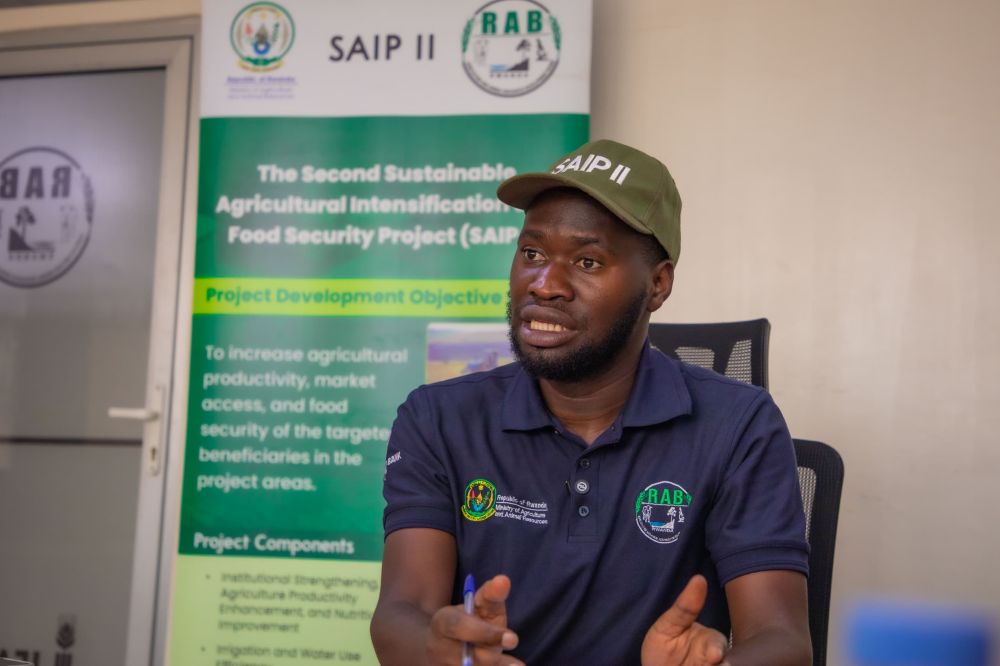
“This nutrition component of SAIP II has helped in the Food Consumption Score. When SAIP II started, we were at a score of 28. In the assessment we conducted in June 2026, we were at 64.3,” Imanimurinde said.
He said the increase means beneficiaries moved from a non-acceptable food consumption score to an acceptable level.
The number of meals consumed per day also increased.
“Before SAIP II started, the households we work with were consuming 1.7 meals per day. Now we have reached 2.4 meals per day,” Imanimurinde said.
But he stressed that improved nutrition is not only about the number of meals consumed.
“It is not just about eating enough times a day. What matters is what we eat,” he said.
According to Imanimurinde, SAIP II measures dietary diversity using different food groups. At the beginning of the project, beneficiaries consumed an average of 3.4 food groups, compared with 5 in the latest assessment.
He said consuming at least five food groups indicates that beneficiaries are beginning to achieve better dietary diversity.
The assessment also found that beneficiaries’ production of nutritious foods had reached 85.9%.
SAIP II is implemented by the Rwanda Agriculture and Animal Resources Development Board (RAB) through its Single Project Implementation Unit (SPIU).
As the project approaches its scheduled closure in December 2026, the experience in Ngororero highlights how combining nutrition education with household food production and livelihood opportunities can help families improve access to nutritious food while strengthening their ability to sustain those gains beyond the project’s support.