
 0
0
 0
0
By Emmanuel Mutangana
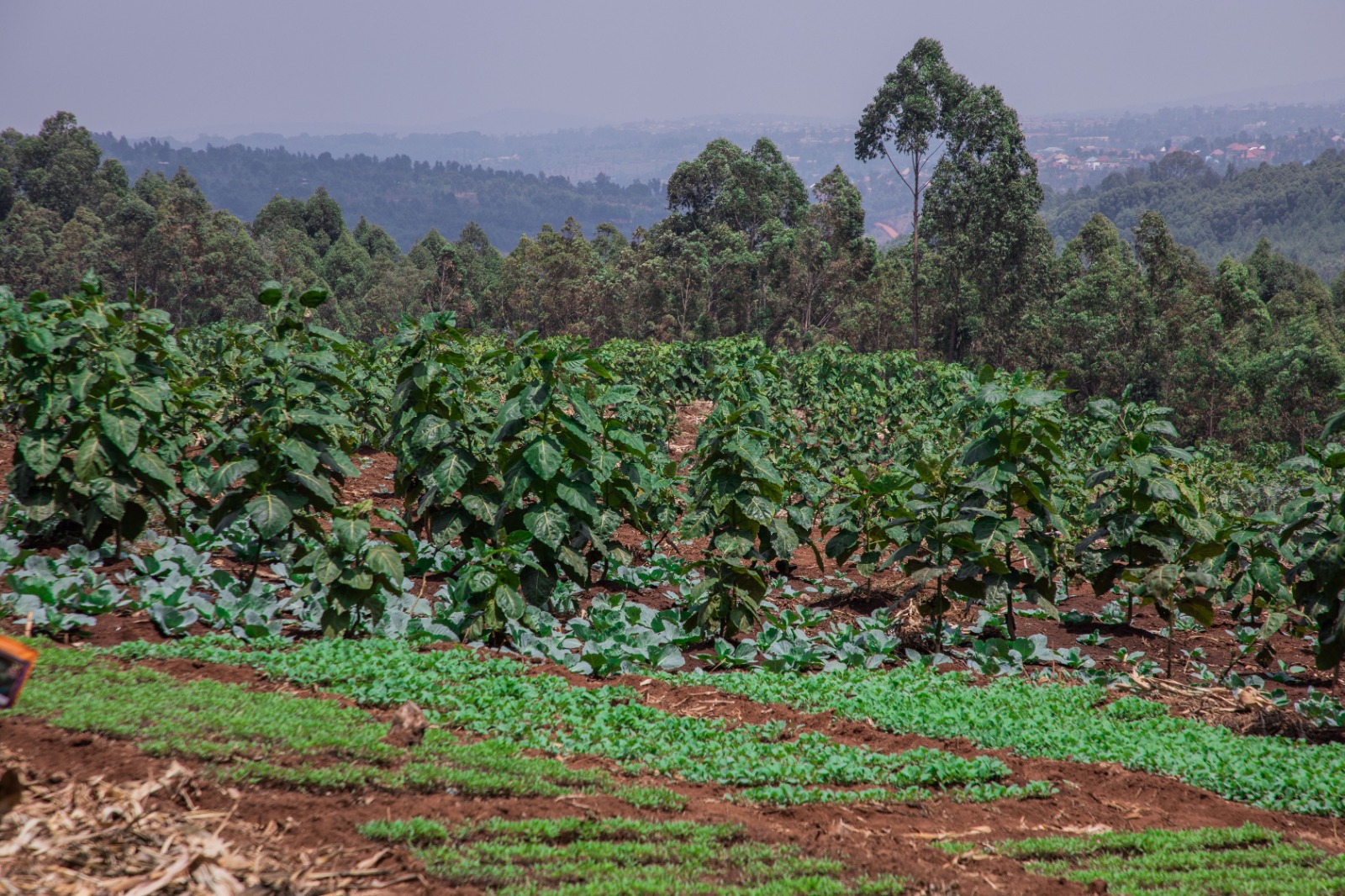
A once largely undeveloped piece of land at the Catholic University of Rwanda (CUR) in Gisagara District is being transformed into a fruit-production farm, with solar-powered irrigation enabling the university to cultivate thousands of tree tomatoes and passion fruit year-round.
Located in Gatoki Cell, Save Sector, the farm has about 16,000 tree tomato plants and 5,500 passion fruit plants, according to Cleophase Ntihabose, an agronomist at the Catholic University of Rwanda.
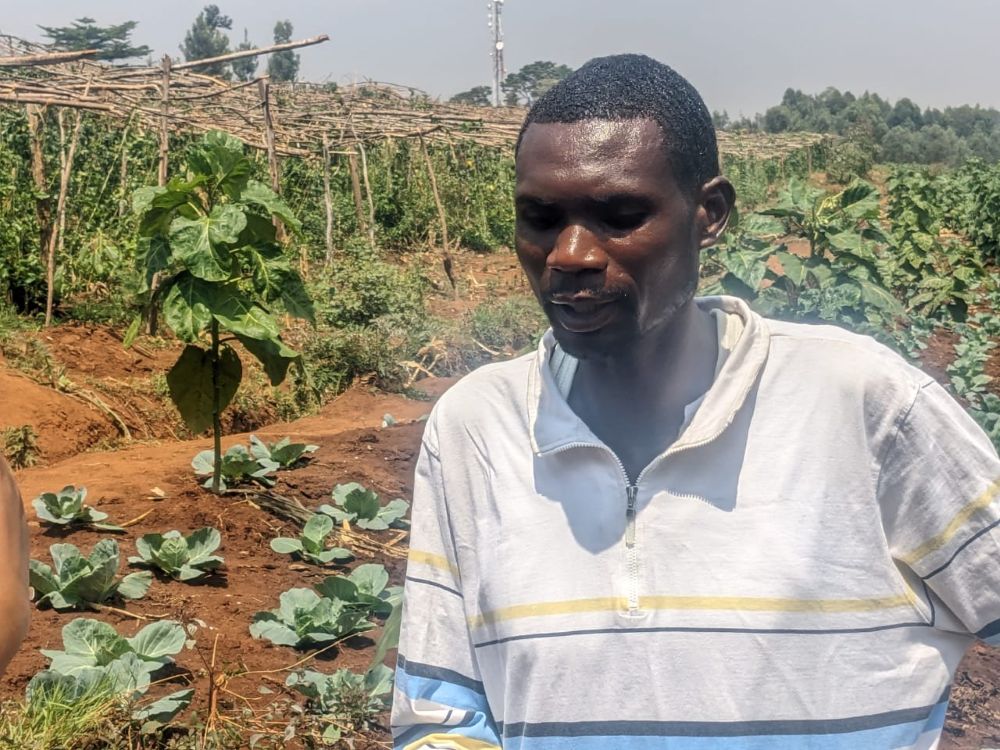
Before the university gained access to irrigation support under the Second Sustainable Agricultural Intensification and Food Security Project (SAIP II), much of the land was covered by trees. At the same time, the portion already under cultivation struggled with unreliable water availability.
“Before we received support from SAIP, much of this area was forest. Apart from the section along the road that was being cultivated, farming was not performing well because the strong sunshine dried the crops, while limited rainfall made production difficult,” Ntihabose said.
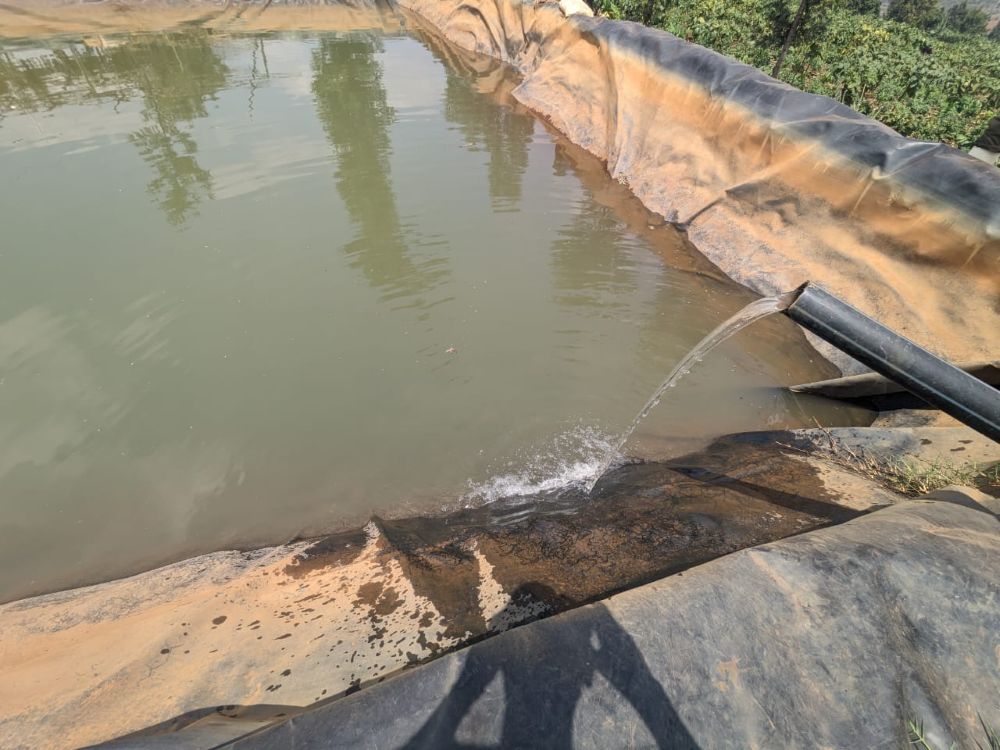
The situation changed after SAIP II supported the university with a solar-powered irrigation system that pumps water from the nearby Cyadisha wetland to the farm.
“SAIP helped us access a system for pumping water from the Cyadisha wetland, giving us the ability to irrigate. During periods of intense sunshine, we can now irrigate our crops. Without this support, we would not be producing fruit at the level we are today,” he said.
The irrigation system was installed as part of an investment valued at approximately Rwf96 million. CUR contributed about RWF24 million, representing 25 percent of the cost, while SAIP II provided the remaining 75 percent subsidy.
The university is already recording its first harvests.
“At the moment, we have harvested about 1.2 tonnes of tree tomatoes in one round. The crop takes time to mature because we planted it in January, but we expect production to increase significantly,” Ntihabose said.
The tree tomato plants are expected to remain productive for between three and five years, with harvesting taking place approximately every six months.
The university expects annual production to reach at least 12 tonnes of tree tomatoes and about 7 tonnes of passion fruit once the soil and crops become fully established.
Ntihabose said the availability of irrigation has also allowed the university to move away from traditional mixed cropping practices toward more organized and technology-driven fruit production.
“Before we had access to this water, we relied on traditional farming and mixed different crops. We would grow beans and maize, for example, but the production was not very good. Once we got irrigation, we were able to organize the farm and adopt modern farming practices and technology.
The solar-powered system, which includes solar panels and pumps, has also created employment opportunities around the farm.
“Daily, we have about 80 workers carrying out different activities here,” Ntihabose said.
For the university, however, the ambition extends beyond producing and selling fresh fruit.
Jean Damascene, Chief Accountant at the Catholic University of Rwanda, said the university plans to connect the farm with its academic programmes and add value to the fruit it produces.
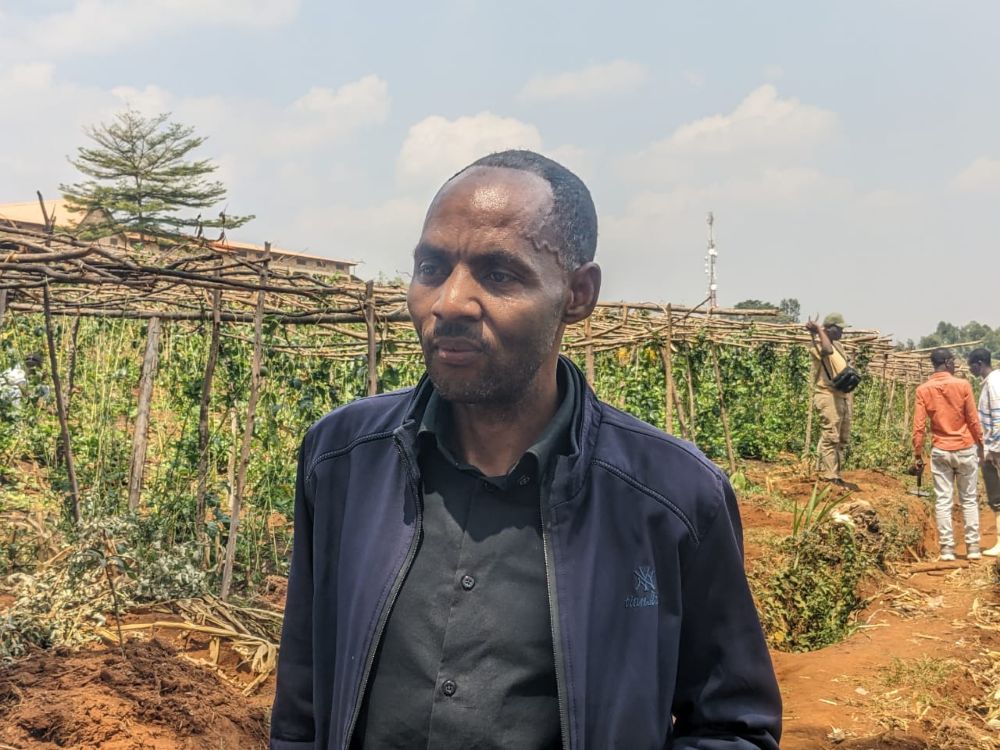
“Our university has a Faculty of Food Processing, and we plan to process the fruits we produce into products such as juice. We have already acquired the machines, and we intend to produce and sell packaged juice,” he said.
He described the agricultural project as a broader investment in the university’s development.
“It is a large project, and we want it to continue. The support from SAIP will help us further develop the university.”
The benefits of the project are also reaching people living around the farm through employment.
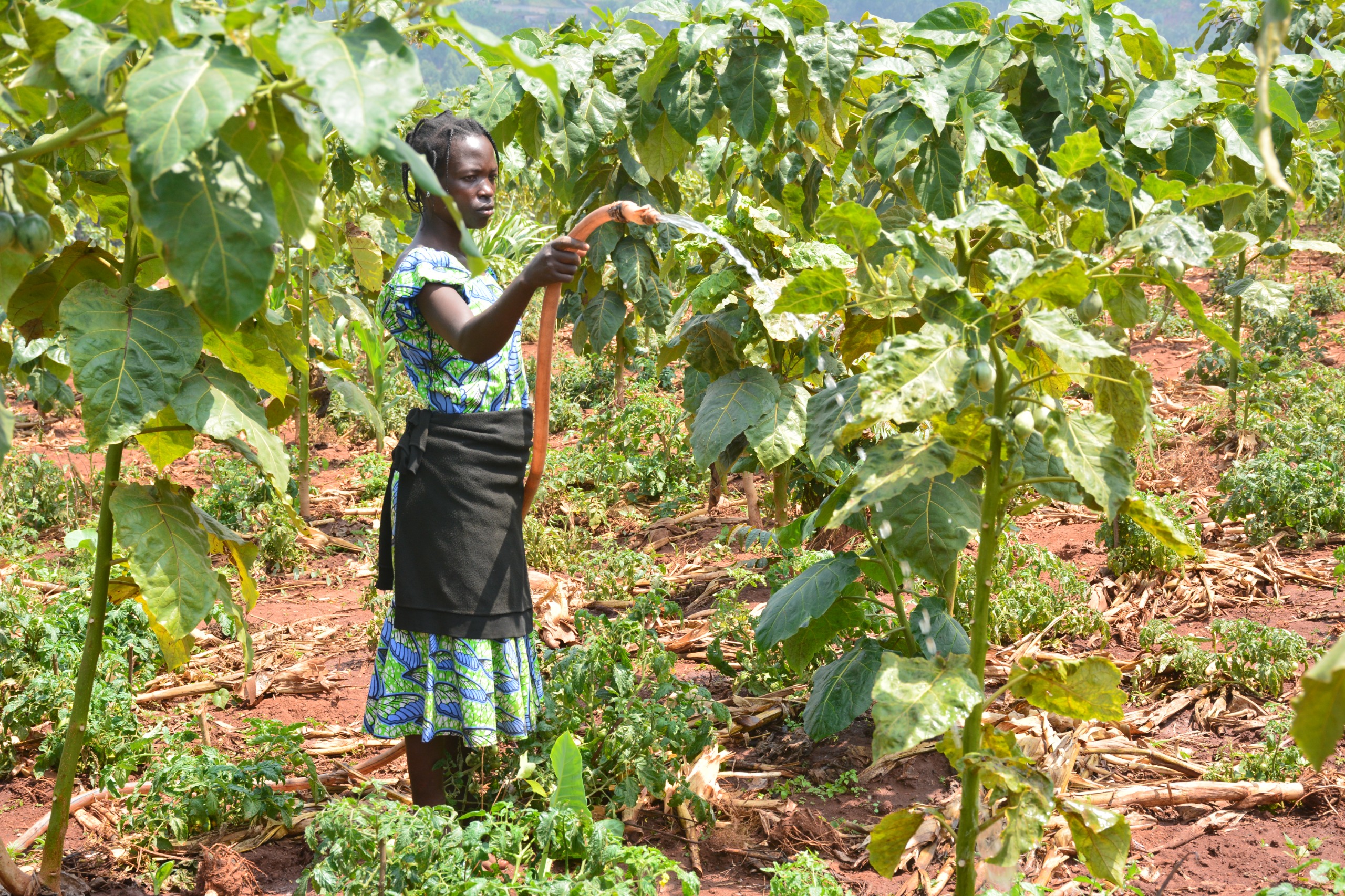
Dorcella Niyitanga, who comes from Shyanda Cell, is among those employed at the farm. She has worked there for two months, mainly watering fruit crops using a watering can.
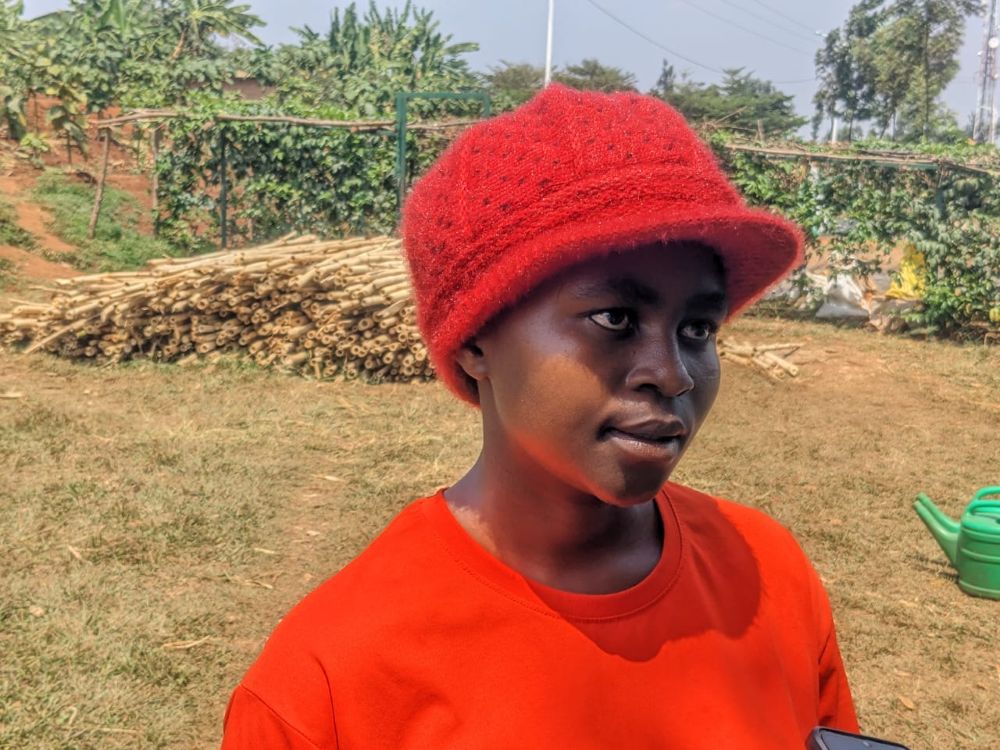
“Before I came here, I did not have a job. Getting this job has helped me improve my life. So far, I have bought two pigs, and I hope they will reproduce and provide me with more livestock,” she said.
Niyitanga also sees the job as an opportunity to gain skills that could benefit her beyond her current employment.
“The knowledge I am gaining here could also help me when I eventually farm my own land,” she added.
According to Innocent Nzabamwita, Irrigation Specialist at the Rwanda Agriculture and Animal Resources Development Board’s Single Project Implementation Unit (RAB-SPIU), SAIP supports farmers cultivating between 0.5 and 10 hectares to access Small-Scale Irrigation Technologies.
The technologies include diesel-powered pumps and solar-powered irrigation systems, depending on factors such as farmers’ location, land size, and preferred technology.
“For eligible farmers, the government subsidizes 50 percent of the cost of irrigation equipment, while farmers contribute the remaining 50 percent.
The subsidy is higher for farmers cultivating between five and 10 hectares who choose solar-powered irrigation systems. In such cases, farmers contribute 25 percent, while the government covers the remaining 75 percent.”
To qualify, farmers generally need agricultural land located near a reliable water source, the ability to contribute their required share of the equipment cost, and participation through farmer groups or cooperatives.
SAIP is funded by the Global Agriculture and Food Security Program (GAFSP) through the World Bank and implemented by the Rwanda Agriculture and Animal Resources Development Board through its Single Project Implementation Unit.
The second phase of the project currently operates in 20 districts, focusing on increasing agricultural productivity, improving market access, and strengthening food security.
SAIP II builds on the first phase, which introduced small-scale irrigation interventions in nine districts. Under SAIP I, more than 1,367 hectares were brought under irrigation, while SAIP II has already expanded irrigation to approximately 1,200 hectares, exceeding its initial target of 1,000 hectares.
Combined, the two phases have reached 3,369 beneficiaries, including 1,916 men and 1,453 women.
The irrigation initiative also aligns with Rwanda’s National Strategy for Transformation (NST2) 2024–2029, which targets annual agricultural growth of more than six percent while expanding irrigated farmland from 74,375 hectares to 132,171 hectares nationwide.


