
 0
0
 0
0
By Annonciata Byukusenge
Farmers and livestock farmers in Rusizi District have come to appreciate the value of insuring crops and animals after the program protected them from devastating climate-related losses. Their experiences have inspired them to encourage other farmers to join in the TEKANA Urishingiwe Muhinzi Mworozi program.
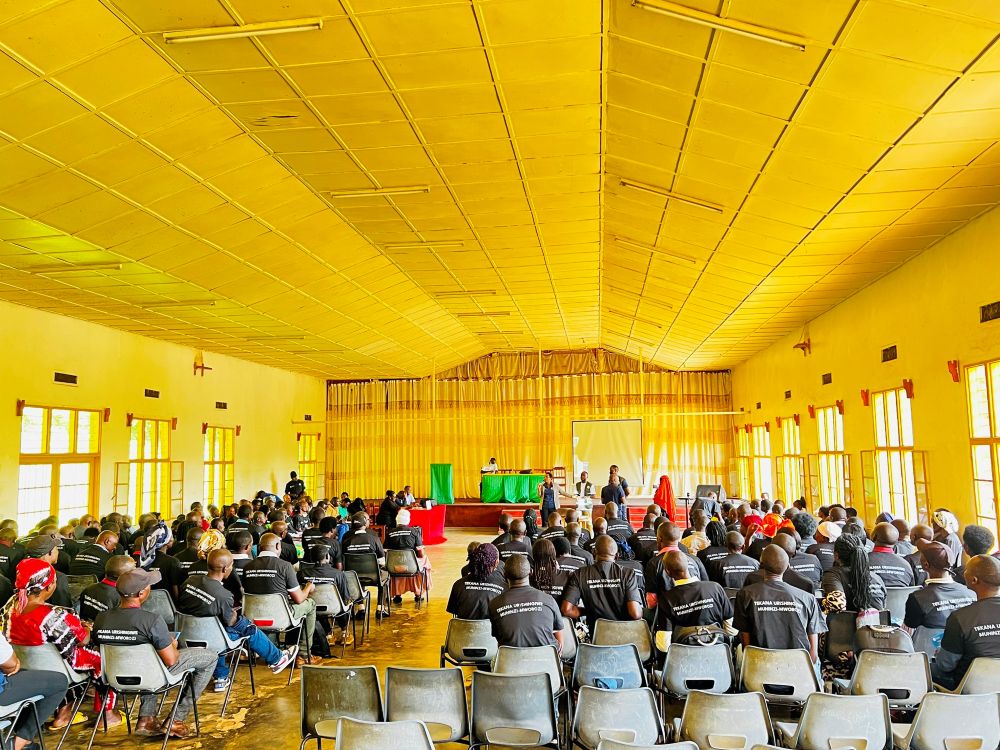
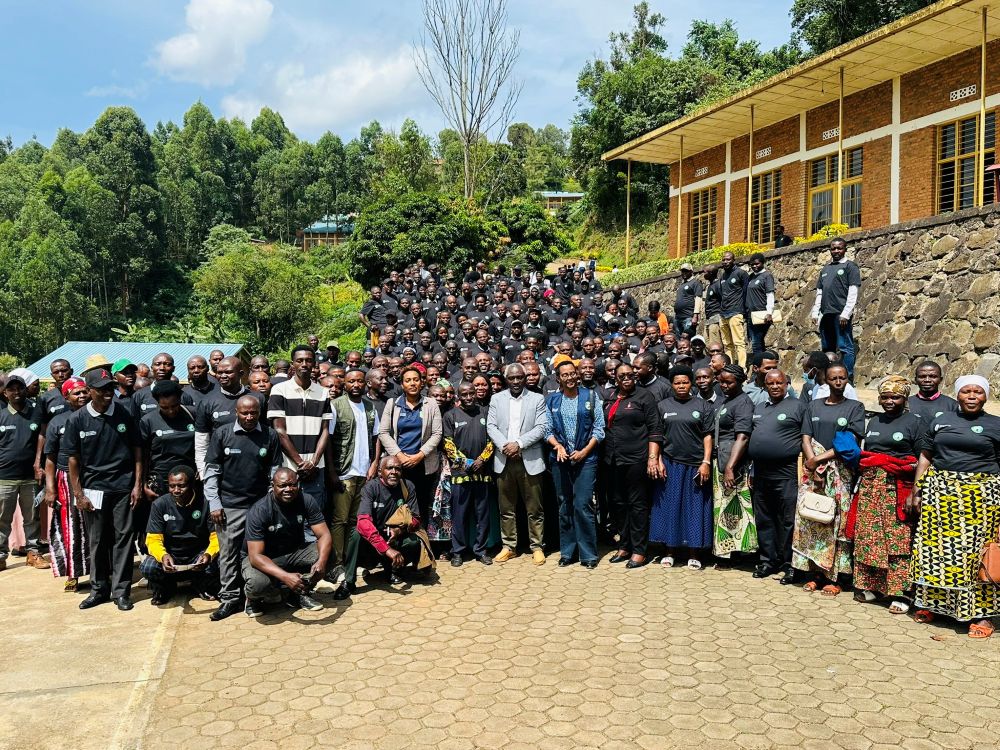
They share these testimonies after surviving various disasters that struck their livestock and crops, but after they had already taken out insurance, they were compensated rather than left with nothing, a stark difference from the total losses they suffered before joining the program. They express their emotions during the campaign dialogue on 26 May 2026 in the Rusizi district.
Mukayitesi Beatha is a livestock farmer from Nyakarenzo Sector. She says that in February 2025, her pigs fell ill. She reported the situation to a veterinarian, who treated them, but unfortunately, one of the pigs did not survive.
“As soon as my pig died, I immediately notified the insurance company. The veterinarian also filed a report since he had been monitoring the pig throughout its illness. We submitted everything and waited, and they did compensate me, even though it took some time.”
She adds that, before she started insuring her animals, whenever they fell sick and died, she had no safety net and simply absorbed the loss entirely.
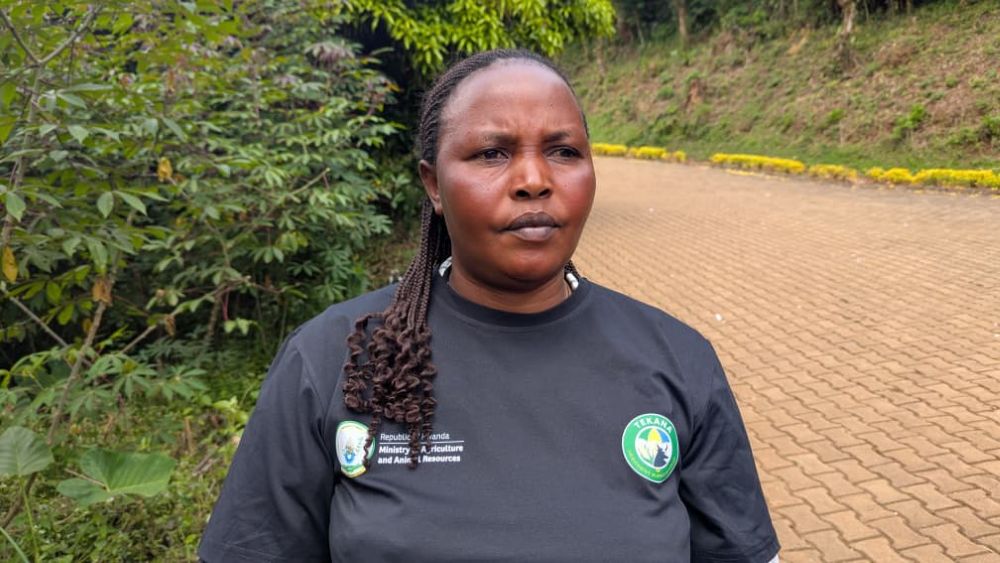
“They compensated me 500,000 Rwandan francs, which reflected the pig’s market value. I used that money to buy replacement pigs and immediately insured them as well, a completely different outcome from the losses I used to face before.”
Furahani Samuel is a rice farmer in Nyakabuye Sector. He and other farmers work together through a cooperative that cultivates rice across 345.5 ha. He says that before insuring their crops, they regularly suffered losses from climate-related disasters, especially floods and prolonged droughts.
“Climate-related disasters are the biggest threat to farming in our district. There are times when rice is just about two weeks from harvest, and a disease spreads out the entire crop, or a dry spell hits before the grain fully forms and everything withers, or heavy rains flood the fields beyond what the plants can handle. We’ve been able to move past those kinds of losses because TEKANA compensates us.”
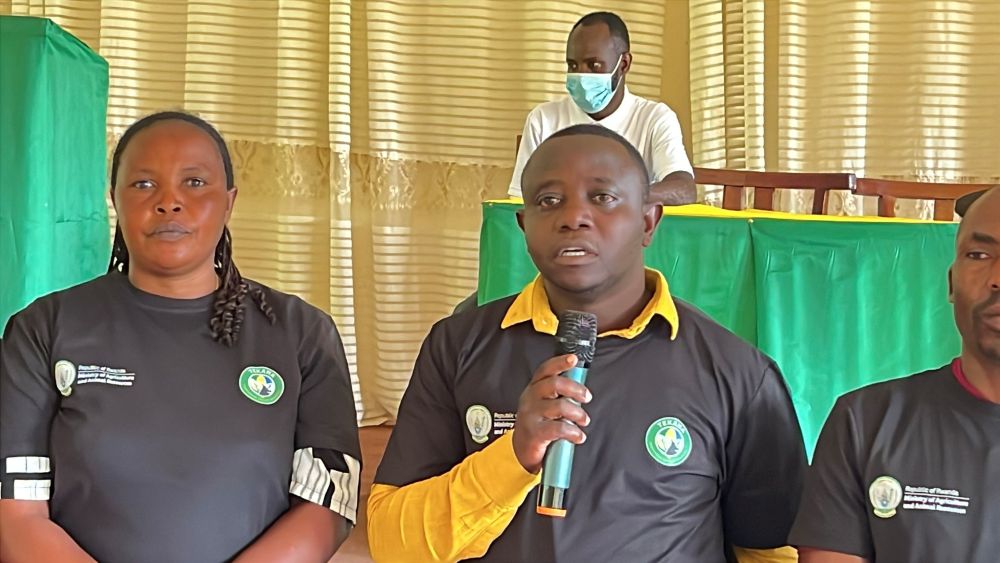
He adds that before they had insurance, such events were financially damaging. Now, even when disaster strikes, the farmers face it with confidence, knowing that insurance will support the blow.
“In 2025, we experienced a severe dry spell that caused the rice to wither badly. Fields that would normally harvest 2 tons per hectare produced only 500 kilograms. The insurance came through for us, and we received 4,200,000 francs in compensation. Over the six years we have been insuring our crops, TEKANA has paid out a total of 54,332,000 francs to our cooperative.”
The Mayor of Rusizi District, Sindayiheba Phanuel, speaking during an outreach campaign to encourage more farmers and livestock to join TEKANA, noted that the program has now been incorporated into the district’s performance targets.
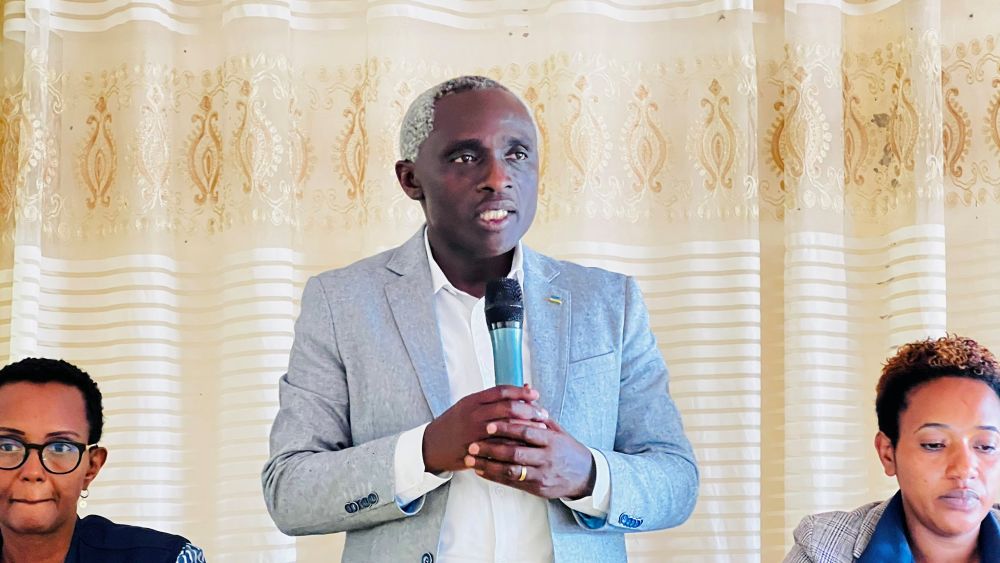
“We are urging farmers and livestock keepers to inspire their neighbors to join TEKANA. Their own testimonies speak for themselves. When a disaster strikes, those who are insured are compensated. As of now, rice leads with 95.7% coverage, but other crops still need more effort to bring them under the program.”
For the 2025–2026 agricultural season, Rusizi District has insured maize across 49 hectares, representing 4.7% coverage, and rice across 2,784 hectares at 95.7% coverage. Soybeans and beans have yet to join the program.
On the livestock side, 1,032 cows have been insured, accounting for 3.8% of the total; 5,141 chickens at 4.9%; 450 pigs at 0.9%; and 1,000 fish at 1%.
Joseph Museruka, the Project Manager of TEKANA under RAB-SPIU, acknowledges that the program has already delivered meaningful results but says awareness campaigns must continue to extend their reach.
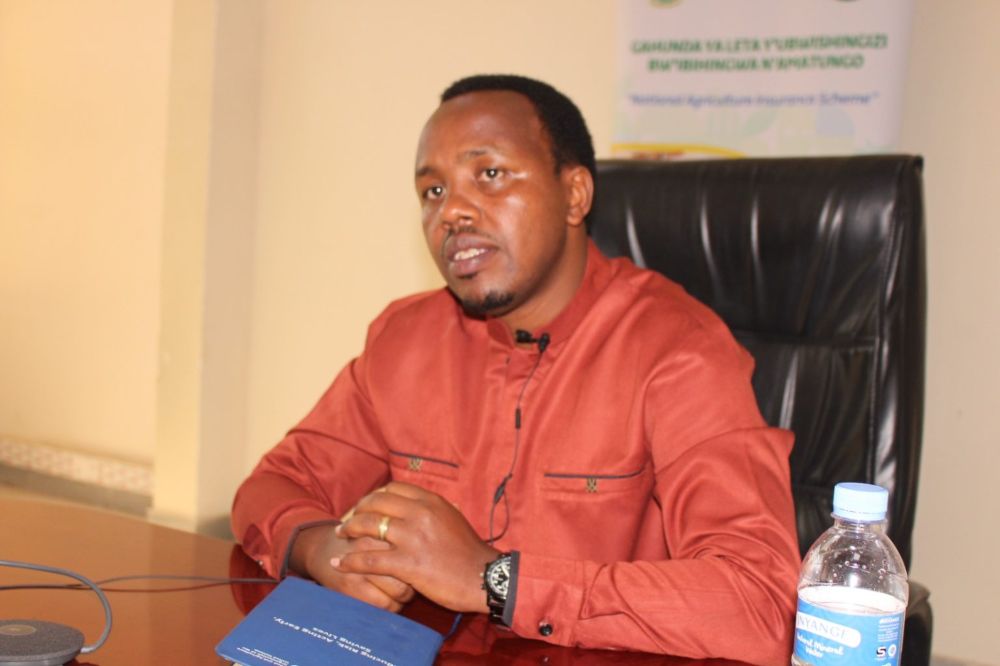
“Each year, more than 200,000 farmers benefit from subsidized insurance under the TEKANA Urishingiwe Muhinzi Mworozi program. The government covers 40% of the subsidy, while the farmer or livestock farmer contributes the remaining 60%. To date, a total of 9,392,461,332 Rwandan francs has been paid out in compensation.”
He adds that crop farmers have received 5,260,214,761 francs in payouts, while livestock farmers have been compensated 4,132,246,571 francs. The total government subsidy extended to support both groups stands at 7,025,436,179.20 francs.
TEKANA is a government program under the Ministry of Agriculture and Animal Resources and is implemented by the Rwanda Agriculture and Animal Resources Development Board (RAB).


