
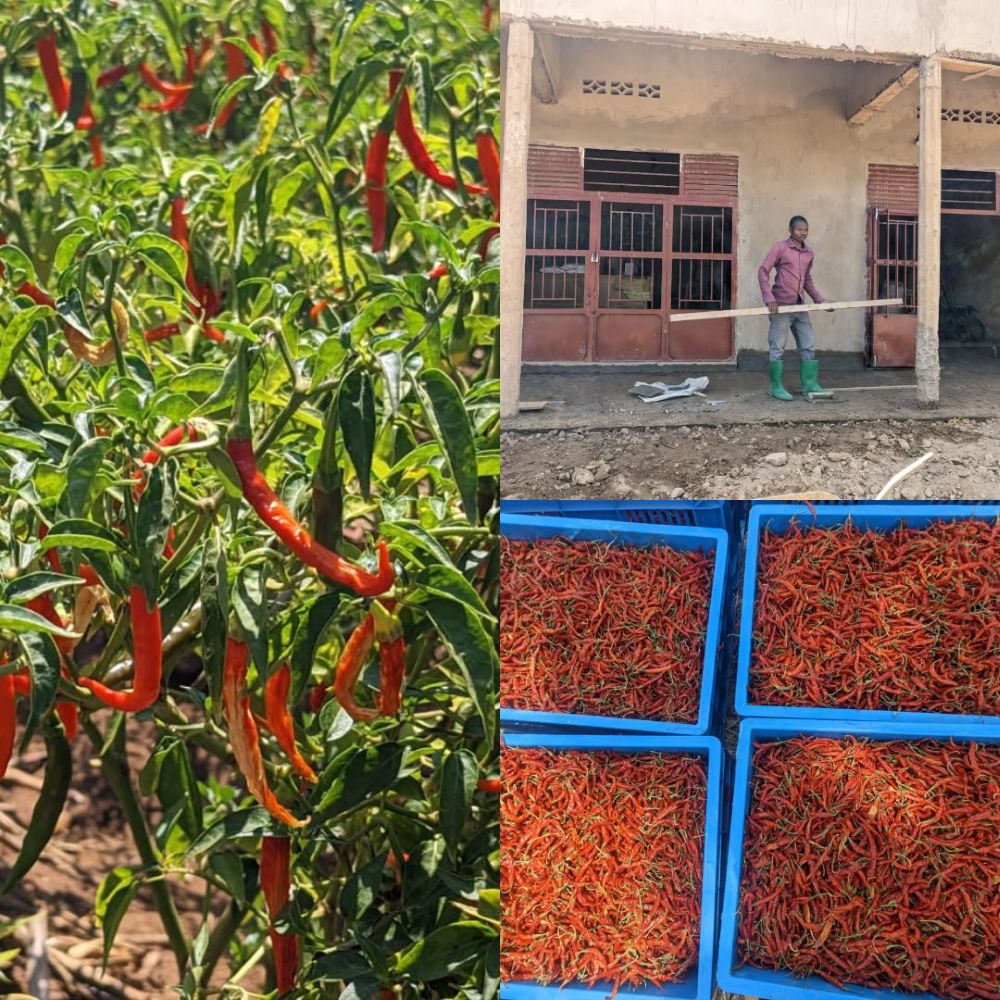
 0
0
 0
0
By Emmanuel Mutangana
For Edouard Bamporiki, chili farming has become more than a source of seasonal income. The crop has helped him expand his farmland, acquire livestock, and invest in a property he expects to complete at a value of about Rwf15 million.
Bamporiki, a chili farmer from Bushenyi Cell, Mareba Sector in Bugesera District, says his fortunes began changing after he started working with the Commercialization and De-risking for Agricultural Transformation (CDAT) Project, which provided improved seed, training, and connections to buyers.
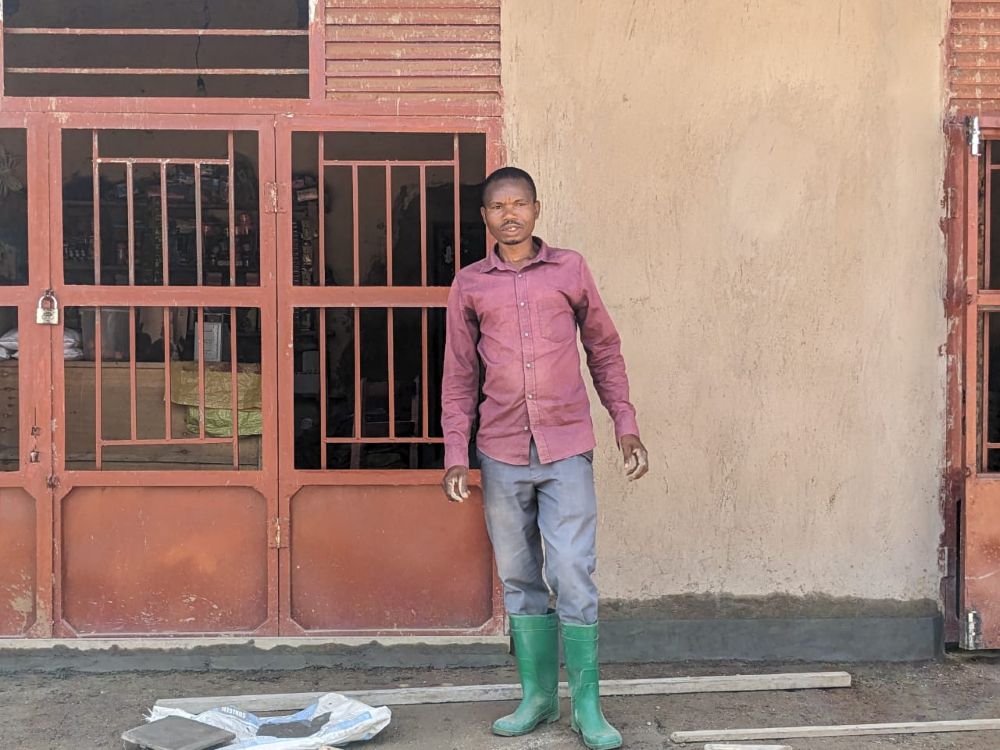
He has been growing chili for about five years and is a member of IZMGM Cooperative, an organization he joined partly to access support and market opportunities linked to the project.
Before working with CDAT, Bamporiki cultivated chili on about 20 ares but often struggled to find buyers and received low prices when he did.
“At that time, I could sell chilli for Rwf300 or Rwf350 per kilogram, even after I had taken the produce to the buyers myself,” he said.
The situation changed after CDAT linked farmers with buyers, including Spices Rwanda Company.
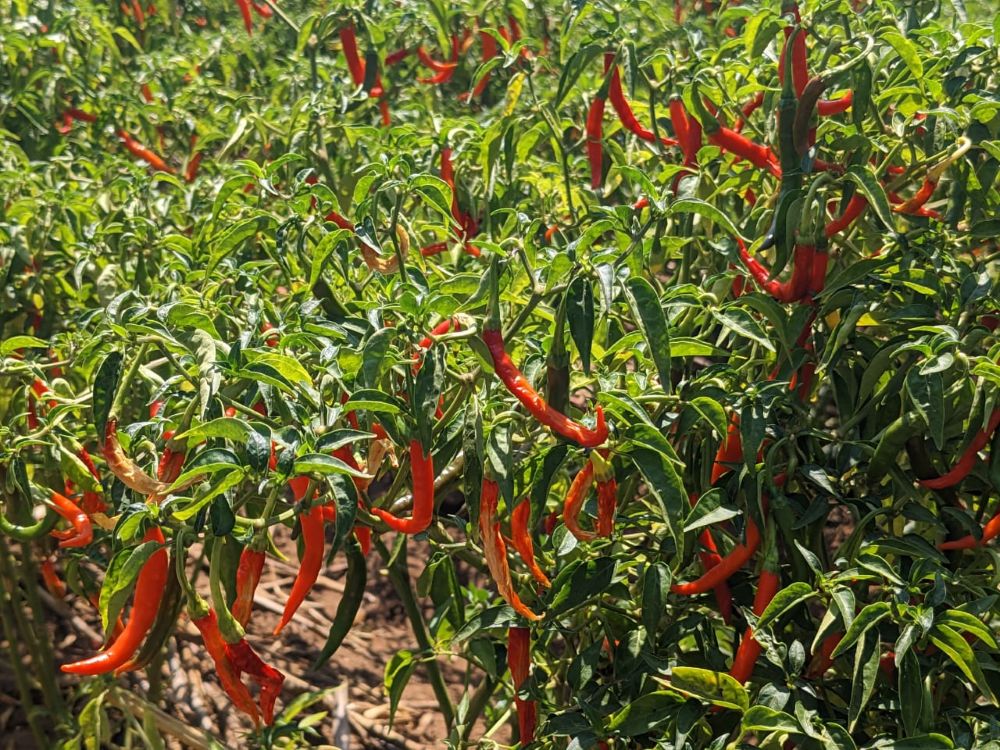
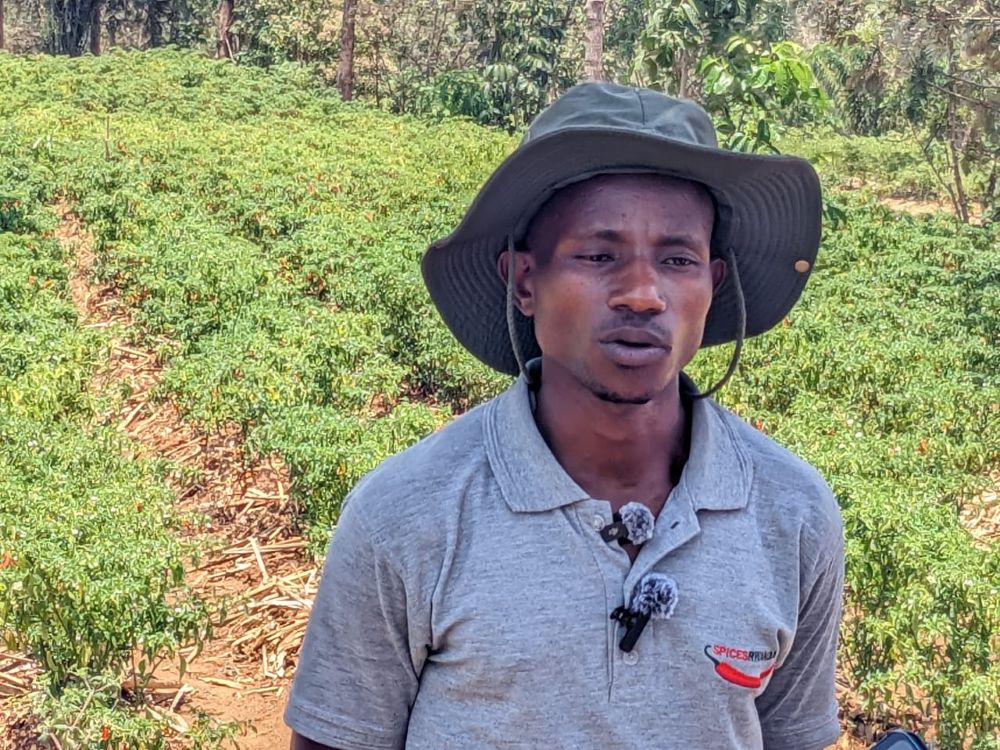
Bamporiki grows the Teja chilli variety, which he now sells through the market connections established with the company.
The price started at about Rwf450 per kilogram and has since reached Rwf600 for fresh chilli, he said.
As the market became more reliable, Bamporiki expanded his production area from 20 ares to one hectare and 20 ares.
He also says his productivity has increased significantly.
“Before CDAT came, I used to get between four and 4.5 tonnes of chilli per hectare. Today, I get about 11 tonnes,” he said.
Bamporiki attributed the increase to training, improved farming practices, study visits, and access to better seed.
He said the training exposed farmers to different approaches to soil fertility management and crop care, while the improved seed provided through the project performed better in terms of yield.
From chili to livestock and property
The additional income from chili farming has allowed Bamporiki to diversify his assets.
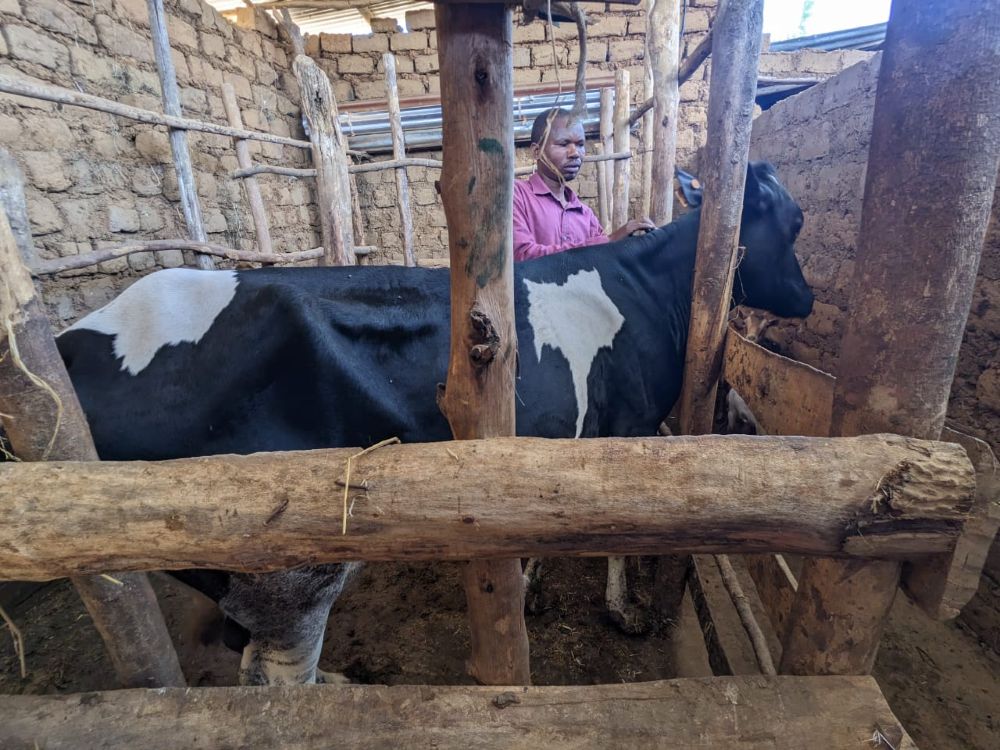
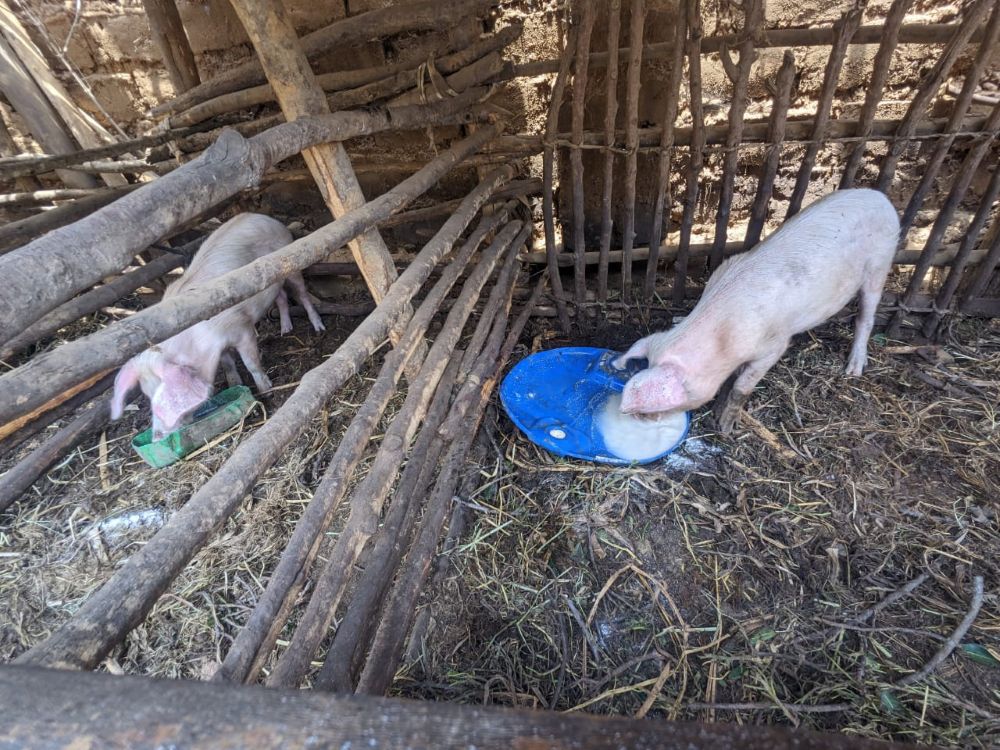
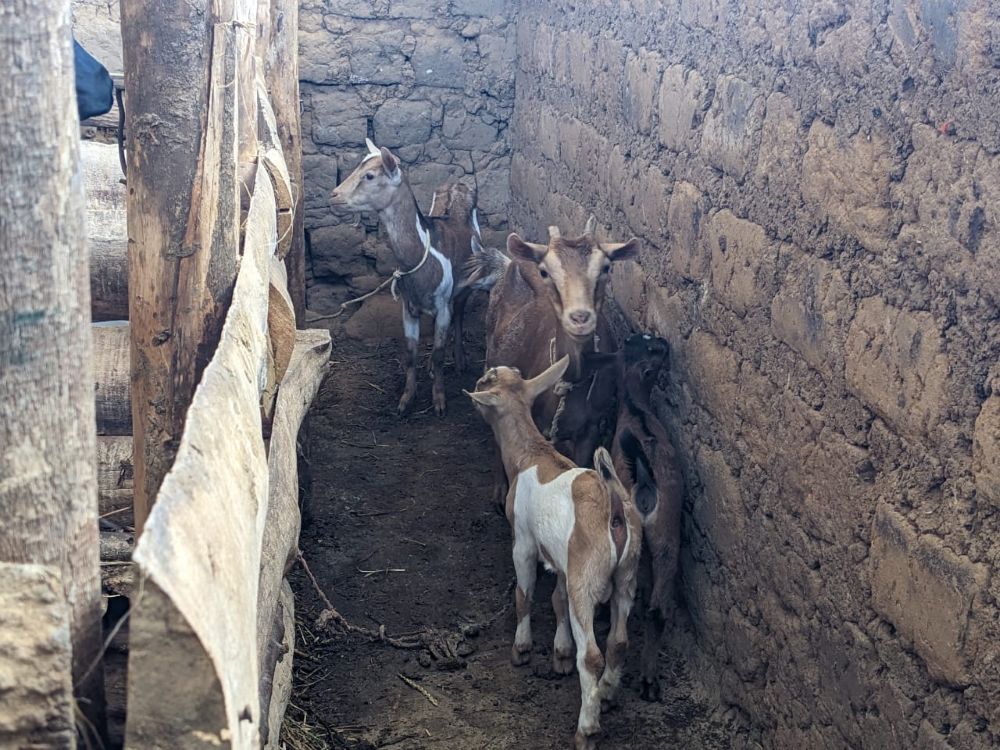
He owns a cow that he bought for RWF1 million and which has since produced a calf. He also has three pigs, each valued at about Rwf200,000, as well as two goats and their offspring, with each goat valued at about Rwf80,000.
But his most significant investment so far is a property he acquired using money from chili sales.
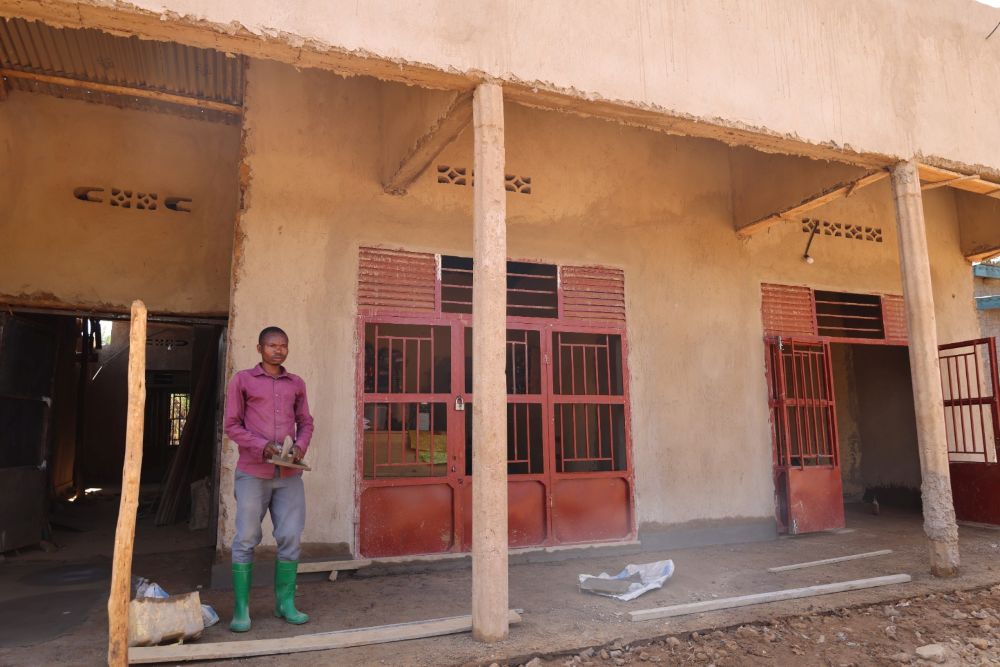
Bamporiki said he bought the property from a neighbor for RWF6 million after learning that it was available for sale.
The property includes a house and a plot of land, and he is now renovating it into a commercial building with two rooms for businesses.
He expects the renovation to cost another Rwf 9 million, putting the total value of the property and investment at about Rwf 15 million once completed.
“I sold chilli and got the money, and when I found that my neighbor wanted to sell the property, I bought it because I had the money,” he said.
From farm to export market
The market connection has also created a more reliable outlet for farmers in IZMGM Cooperative.
Samuel Nshimiyimana, an agronomist with Spices Rwanda Company who oversees the company’s activities in Bugesera, said the company began working with IZMGM Cooperative in 2025.
The company buys the Teja chilli variety from the cooperative and works with farmers on production and quality.
Nshimiyimana said CDAT helped improve farmers’ understanding of production requirements while the company also participated in training them.
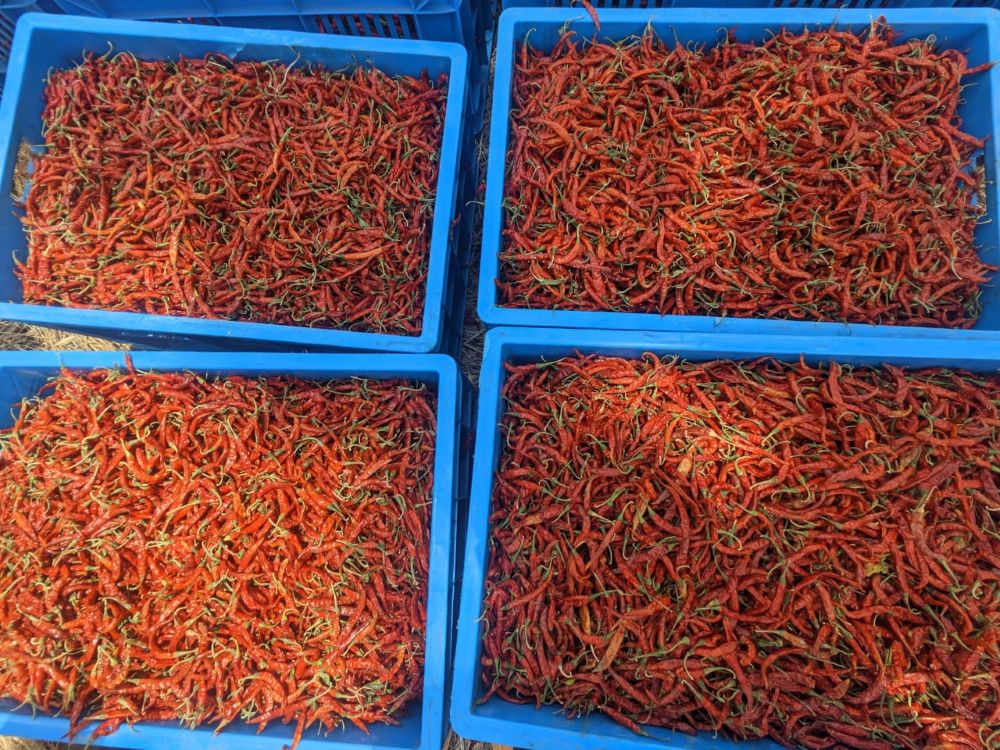
He said the farmers now produce chilli that meets the quality requirements of the company, citing improved harvesting, use of crates, and appropriate application of crop protection products among the practices contributing to quality.
The project also introduced farmers to improved F1 seed, which Nshimiyimana said contributed to higher production.
“We take Grade A produce. The produce from here is exported, and we receive positive feedback from the markets,” he said.
Spices Rwanda currently buys fresh chili at about Rwf600 per kilogram, while dried chili is purchased at about Rwf2,000 per kilogram, according to Nshimiyimana.
Wider gains in chili productivity
Chilli productivity has also increased across the wider CDAT-supported horticulture program, according to project figures.
During Season A, average chili productivity increased from 7.4 tonnes per hectare in 2023 to 8.9 tonnes per hectare in 2025, representing a 20.3 percent increase.
During Season B, productivity rose from seven tonnes per hectare in 2023 to eight tonnes per hectare in 2025.
The largest increase was recorded during Season C, when chili productivity rose from six tonnes per hectare in 2023 to 10 tonnes in 2025, an increase of 66.7 percent.
Chantal Muhoza, a horticulture specialist under the CDAT Project, said farmers had previously faced challenges including limited access to markets, difficulties transporting produce, inadequate information about markets and agricultural inputs, and gaps in knowledge of good agronomic practices.
CDAT responded through farmer training, field demonstrations, study visits, cooperative organization, erosion-control measures, matching grants, and stronger market linkages, she said.

According to project figures, about 4.5 tonnes of seed have been distributed, while approximately 354 hectares of demonstration farms have been established among cooperatives across 15 districts.
The project’s support has also been linked to increased participation in export markets.
The project figures show that 4,000 tonnes and 319 kilograms of chilli produced by 10 cooperatives were exported, generating approximately Rwf2.16 billion for farmers.


