 0
0
 0
0
By Annonciata Byukusenge
The rehabilitation of five wetlands in the City of Kigali has now passed the 90% mark, with the entire project on track to wrap up by August 2026. Led by the Rwanda Environment Management Authority (REMA), the initiative aims to turn these wetlands into green, attractive spaces that will help control flooding, protect biodiversity, and give residents new places to relax, exercise, and enjoy eco-tourism.
Building on the success of the Nyandungu Eco-Park, REMA is now in the final phase of a much larger effort to restore five more wetlands across the capital.
The City of Kigali announced that restoration work on the Gikondo, Nyabugogo, Kibumba (formerly Utexrwa), Rwampara, and Rugenge-Rwintare wetlands has exceeded 90%, with completion expected in August 2026.
Together, these wetlands cover 491 hectares. The goal is to restore land that had degraded over time and reshape it into green spaces that benefit both people and wildlife.
Each site has its own unique features. Gikondo, at 162 hectares, will be developed around eco-tourism. Nyabugogo, spanning 131 hectares, is being turned into a research and education hub centered on biodiversity. Kibumba, covering 68 hectares, will support fishing-related activities. Rwampara and Rugenge-Rwintare, 65 hectares each, are being restored primarily to strengthen environmental conservation and build resilience against climate change.
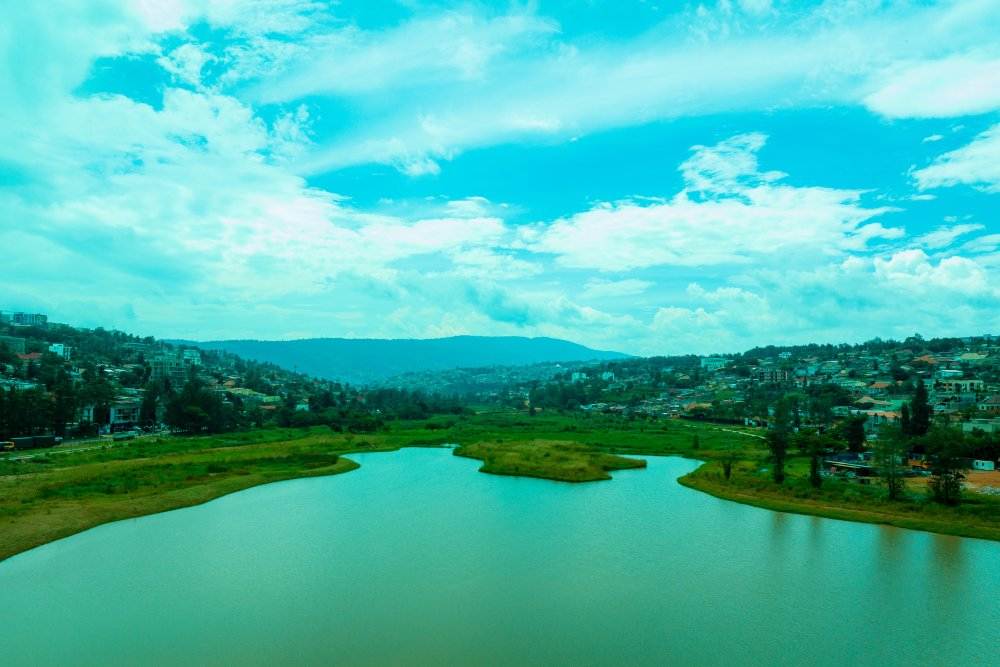
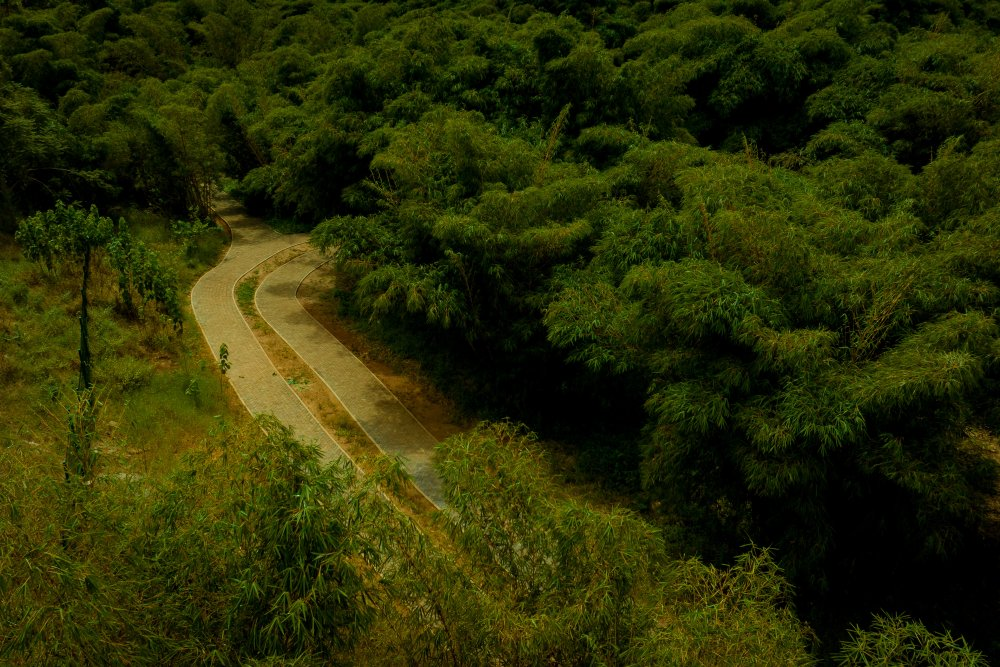
Work completed so far includes constructing artificial lakes to capture water and reduce flooding, building pedestrian and cycling paths, planting indigenous trees, reintroducing native plant species, and preparing visitor areas for tourists.
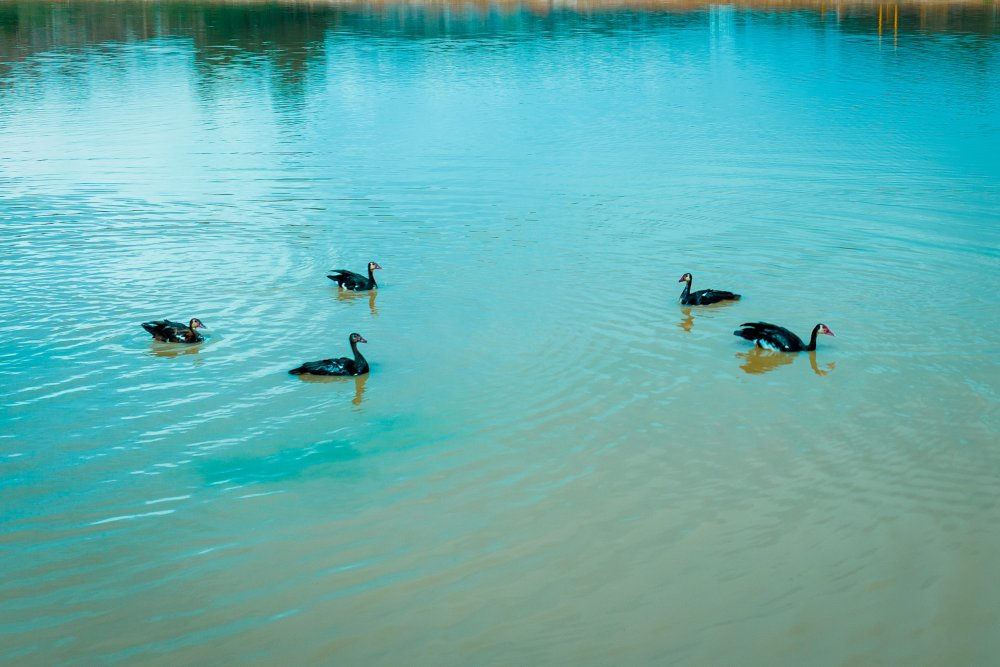
Beyond making Kigali more beautiful, the project is expected to boost bird populations and other wildlife, drive eco-tourism, and improve residents’ quality of life.
Faustin Munyazikwiye, REMA’s Deputy Director General, said that the project will play a major role in tackling one of Kigali’s most determined challenges.
“We are confident that restoring these wetlands will help mitigate the severity of flooding. More specifically, it will also support Rwanda’s climate change action plan, part of the country’s broader effort to reduce the economic impact of climate change.”
François Xavier Nsanzabera, a resident who is affected by floods from the Nyabugogo wetland in 2023. He says that people are counting on real benefits once the restoration is finished, having personally felt the effects of rainwater runoff from the surrounding hills.
“Before, we lived in really poor conditions; houses were built right next to each other with nowhere for the water to drain. It caused a lot of problems because water would rush down from the hills and flood the homes below. Now that these wetlands are being restored, that water will have a proper channel to flow through, and it can even be put to good use nearby.”
According to REMA, this project represents a major investment in the country’s environmental conservation efforts, with a budget of roughly 80 billion Rwandan francs. It’s expected to make Kigali more resilient to climate change while supporting long-term sustainable development.
With only days left before completion, the Gikondo, Nyabugogo, Kibumba, Rwampara, and Rugenge-Rwintare wetlands are set to become key pieces of green infrastructure, helping Kigali fight flooding, protect biodiversity, and grow its ecotourism sector, following in the footsteps of the Nyandungu Eco-Park.
Wetland photos’
Nyabugogo Wetland
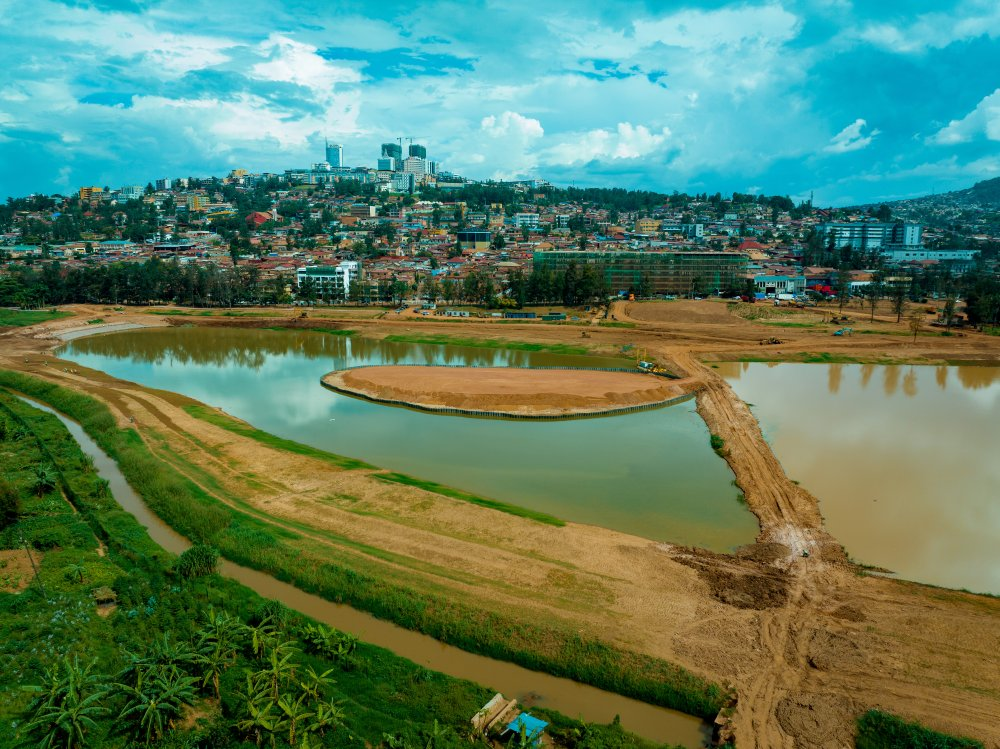
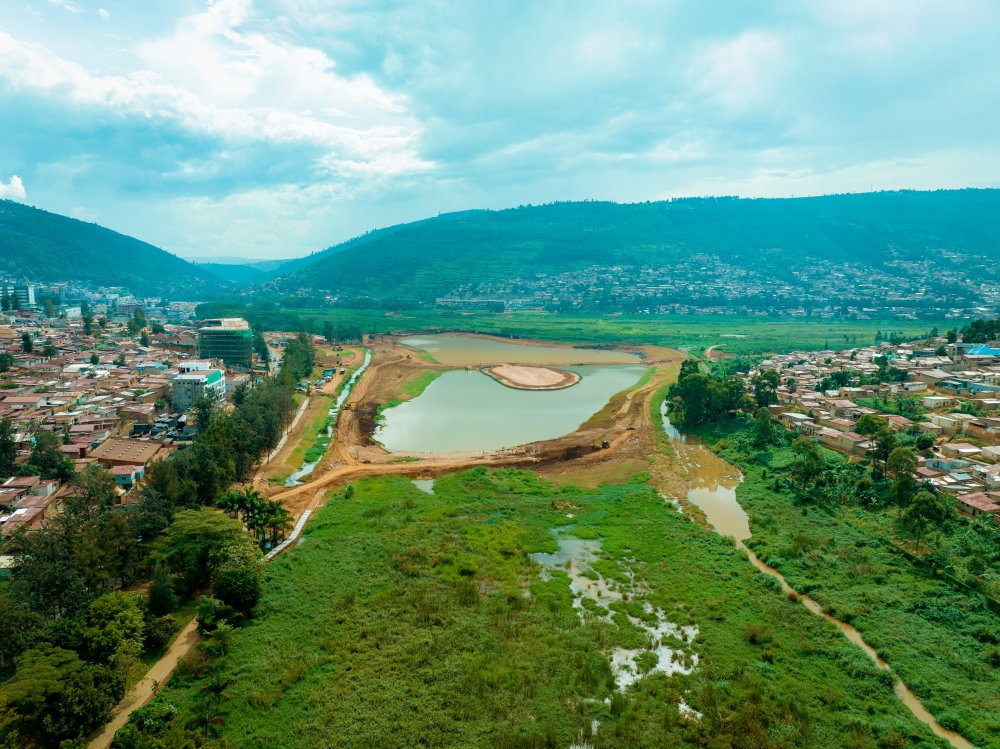
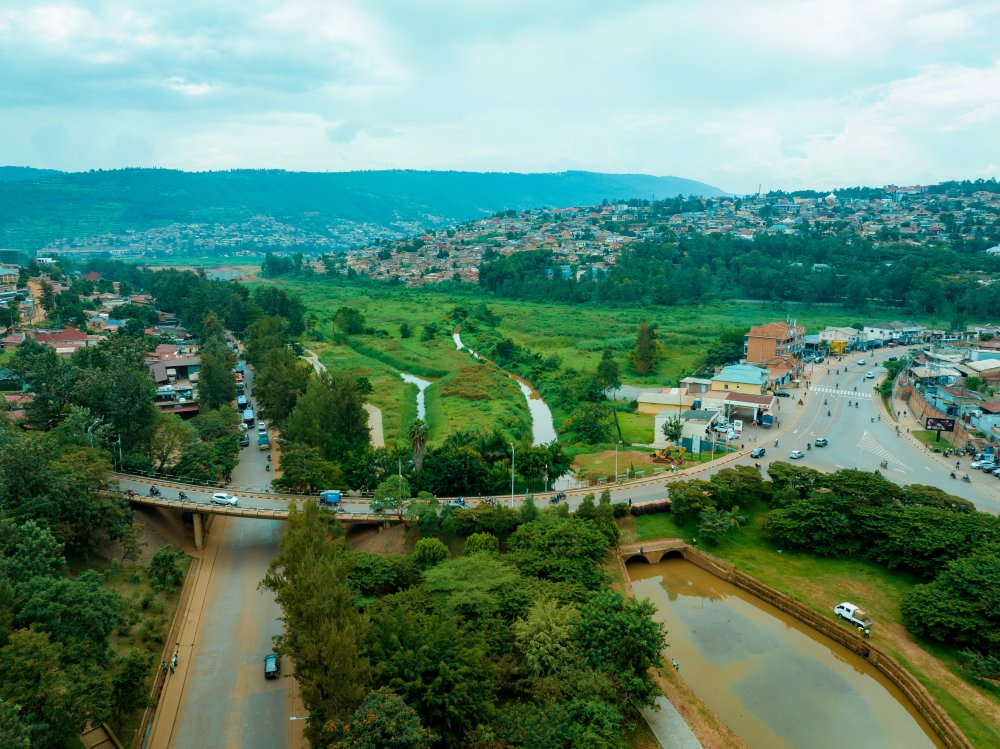
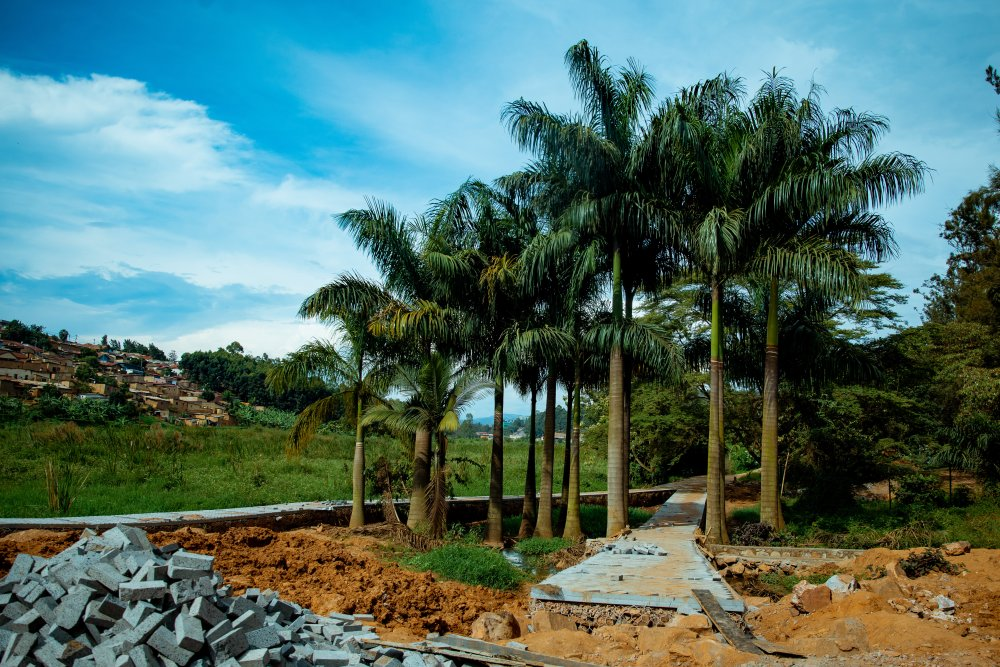
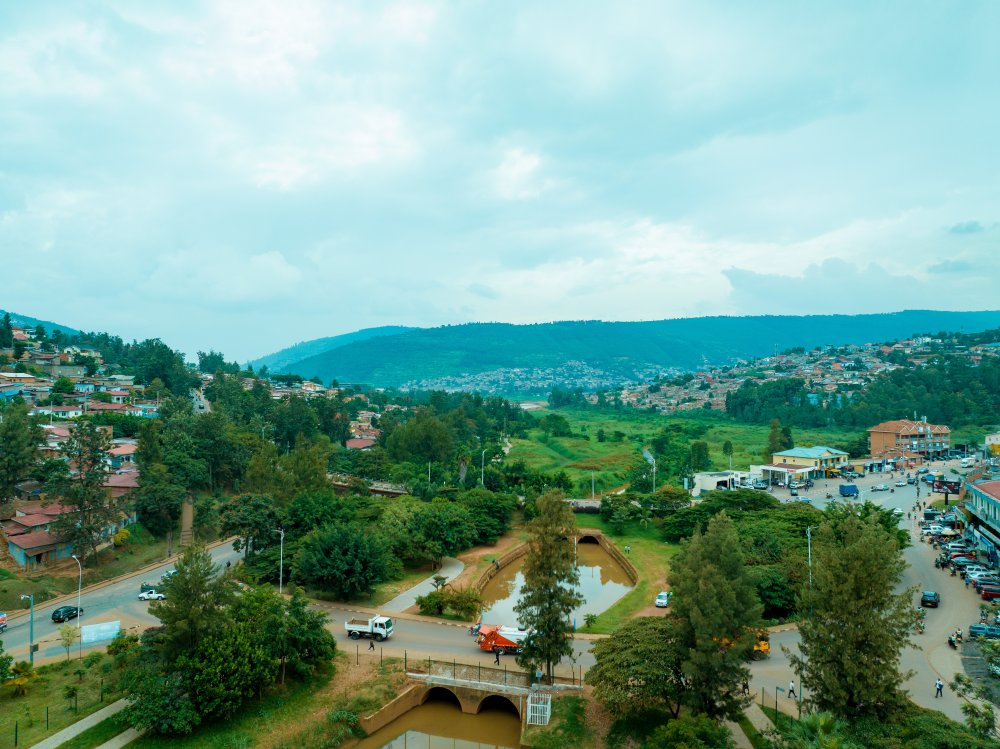
Rugenge Wetland
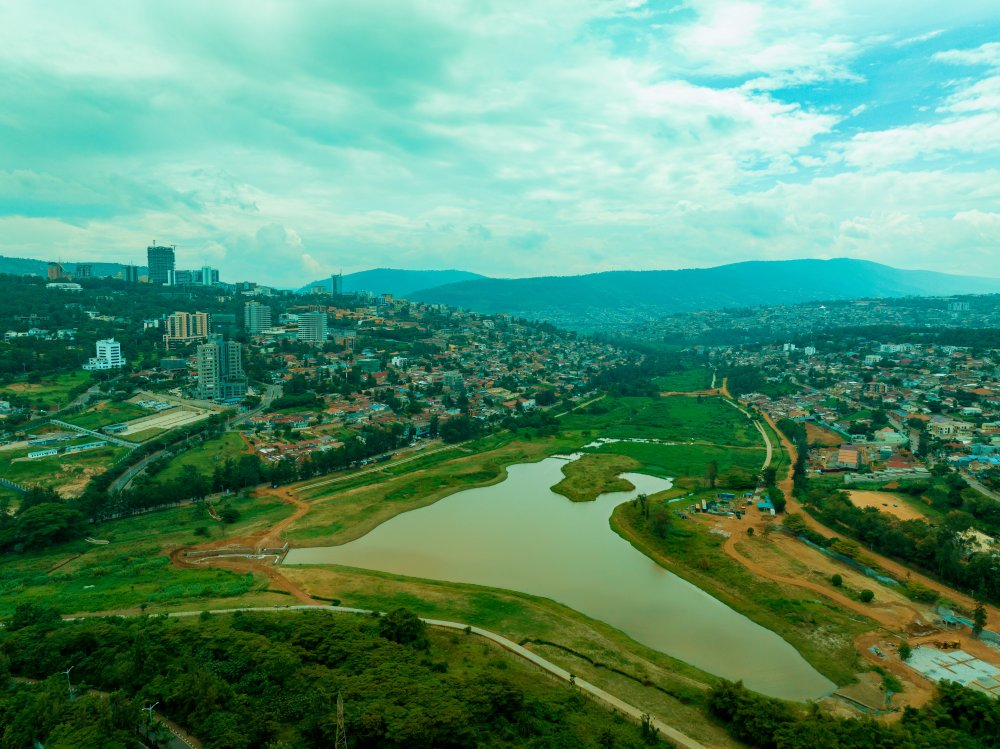
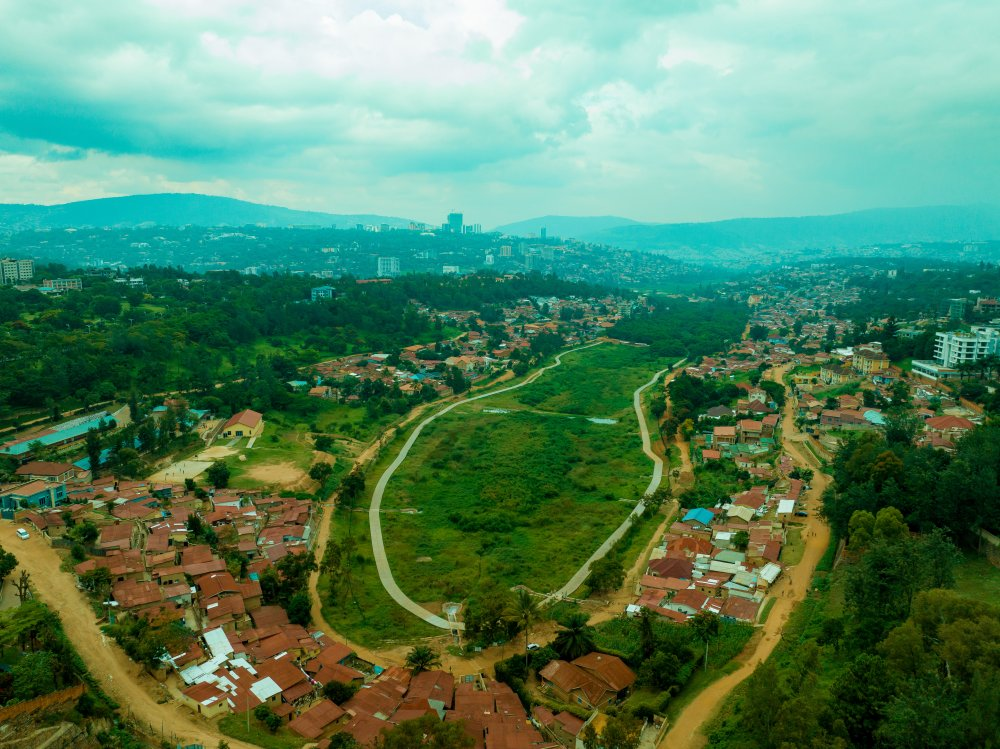
Gikondo Wetland
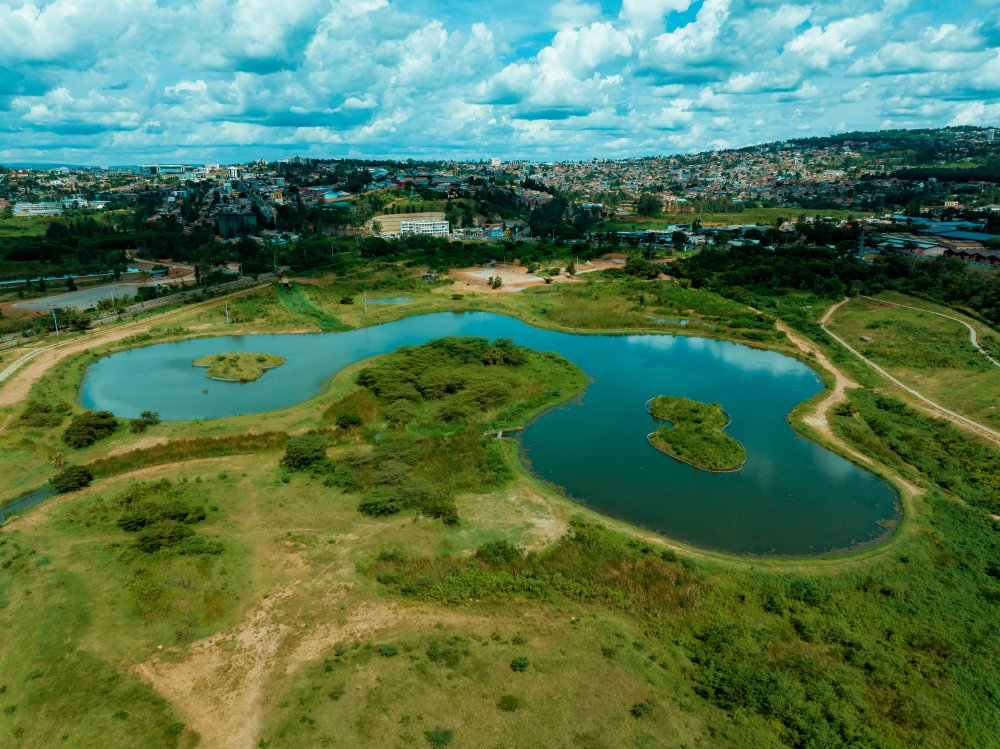
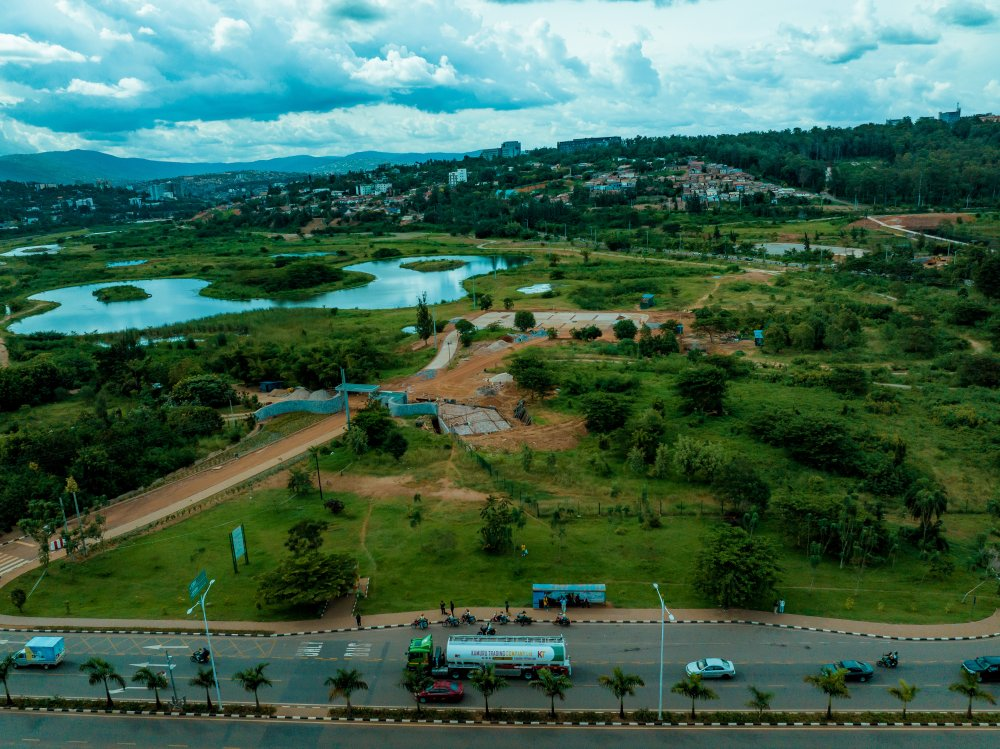
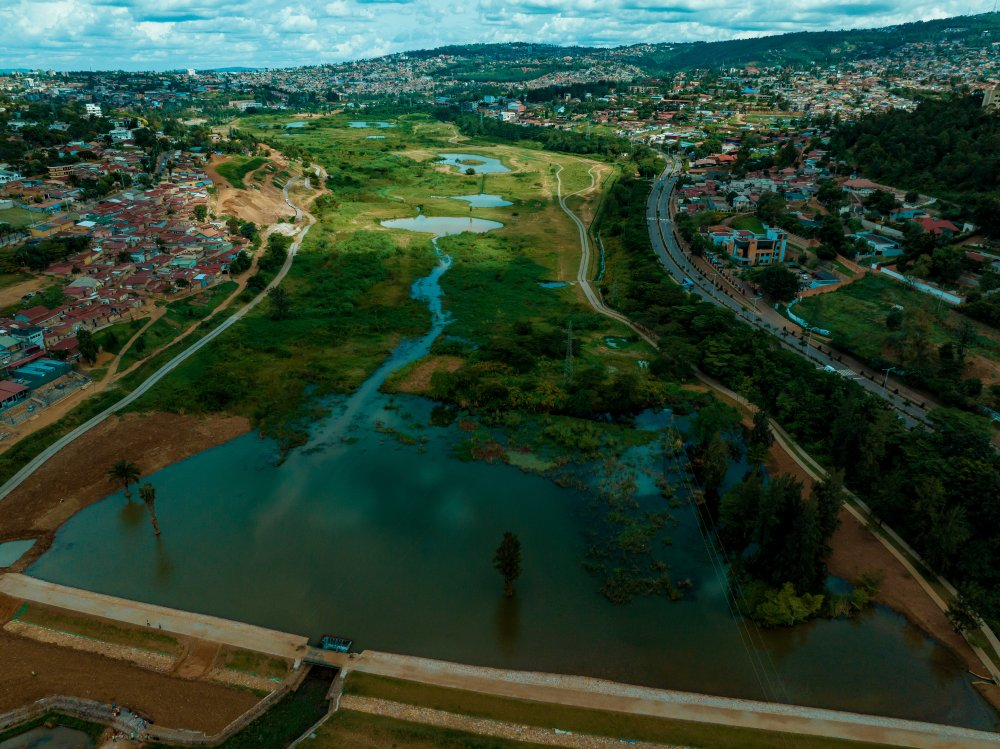
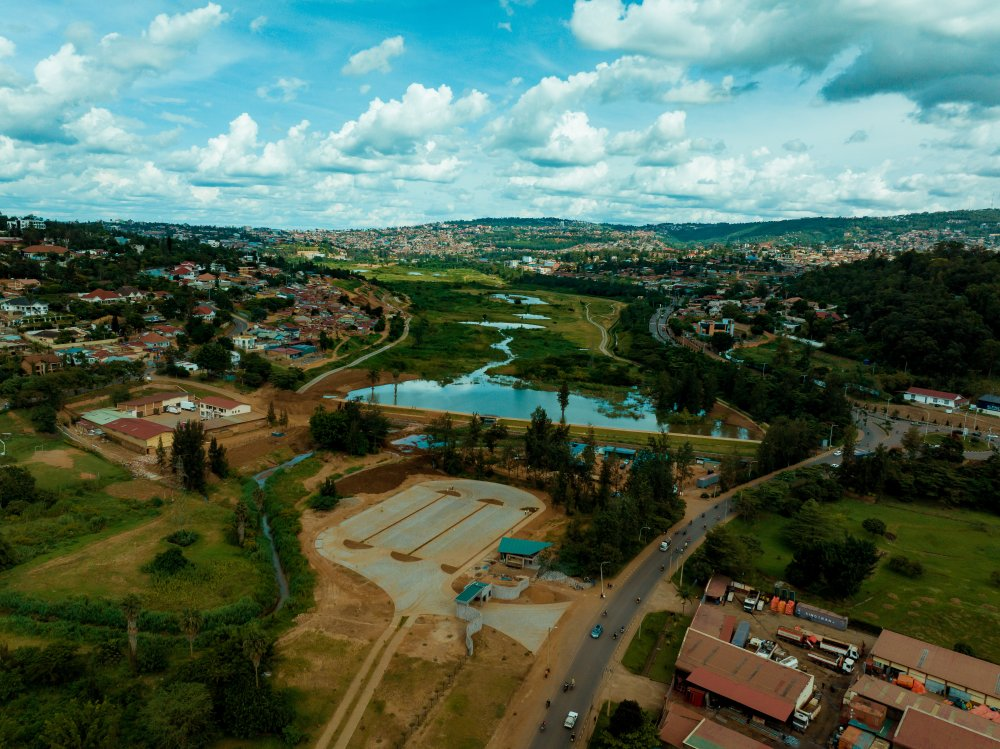
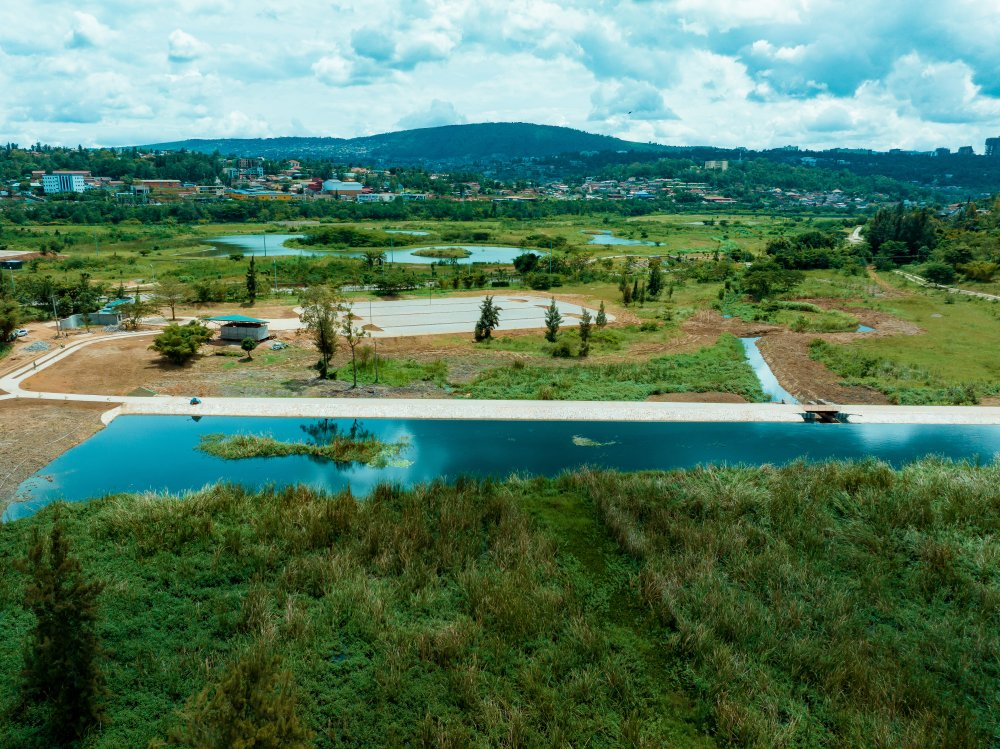
Kibumba Wetland
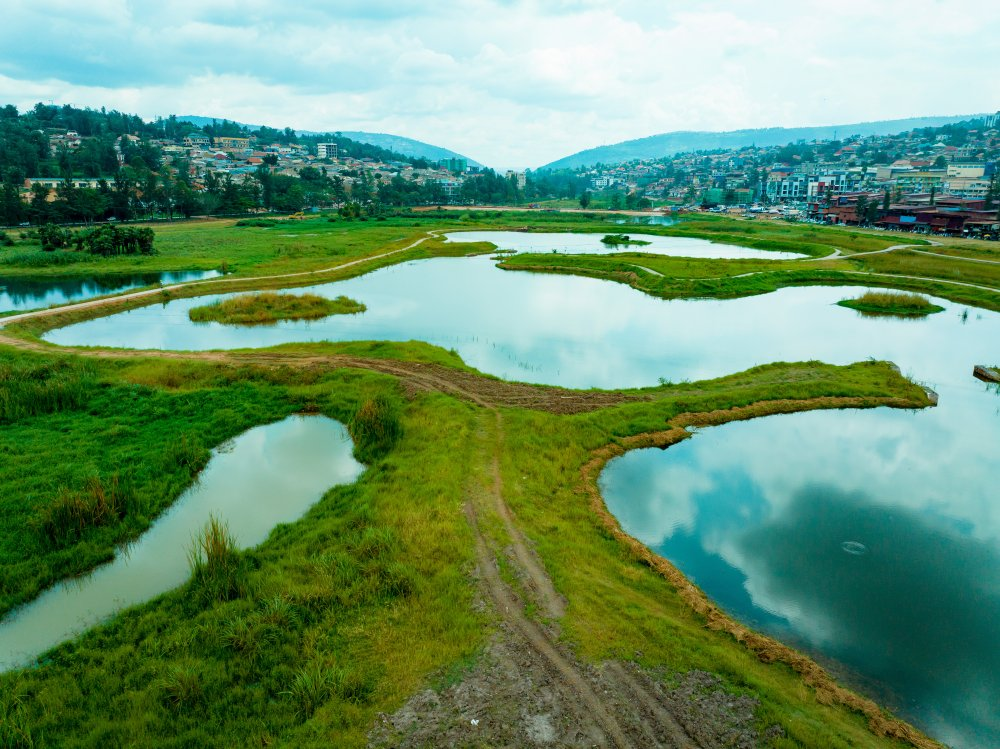
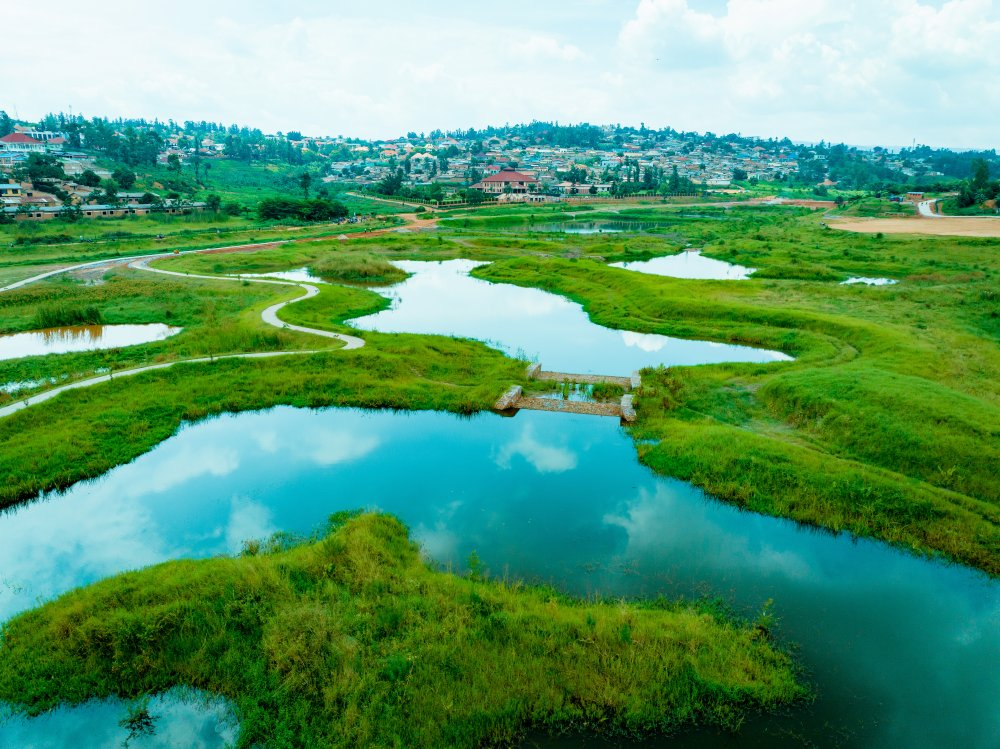
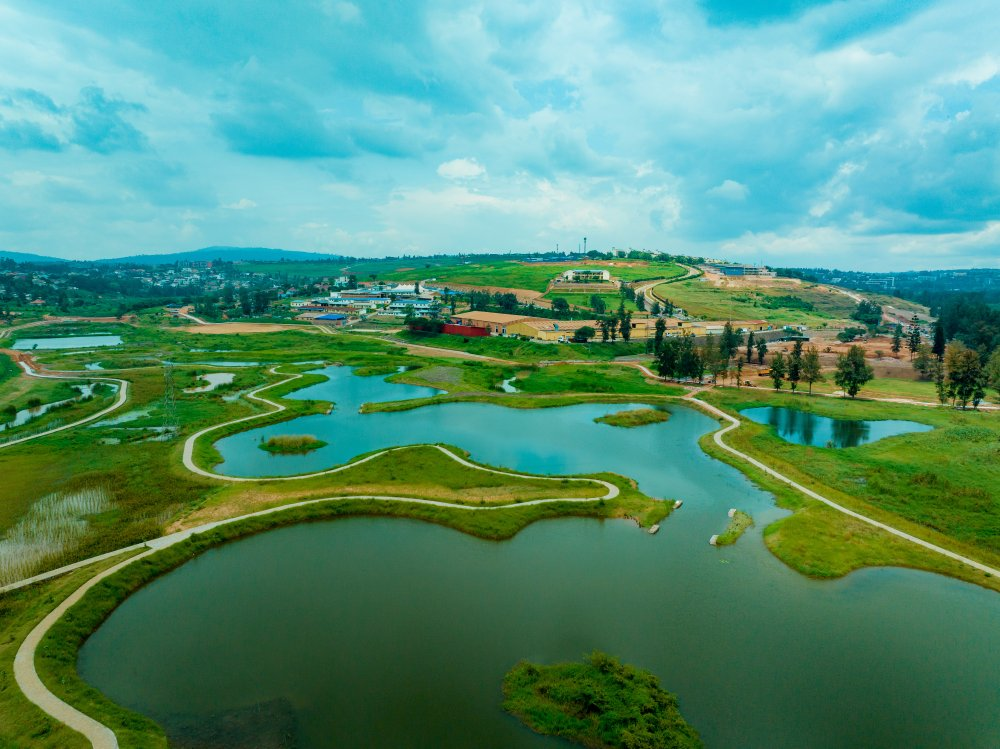
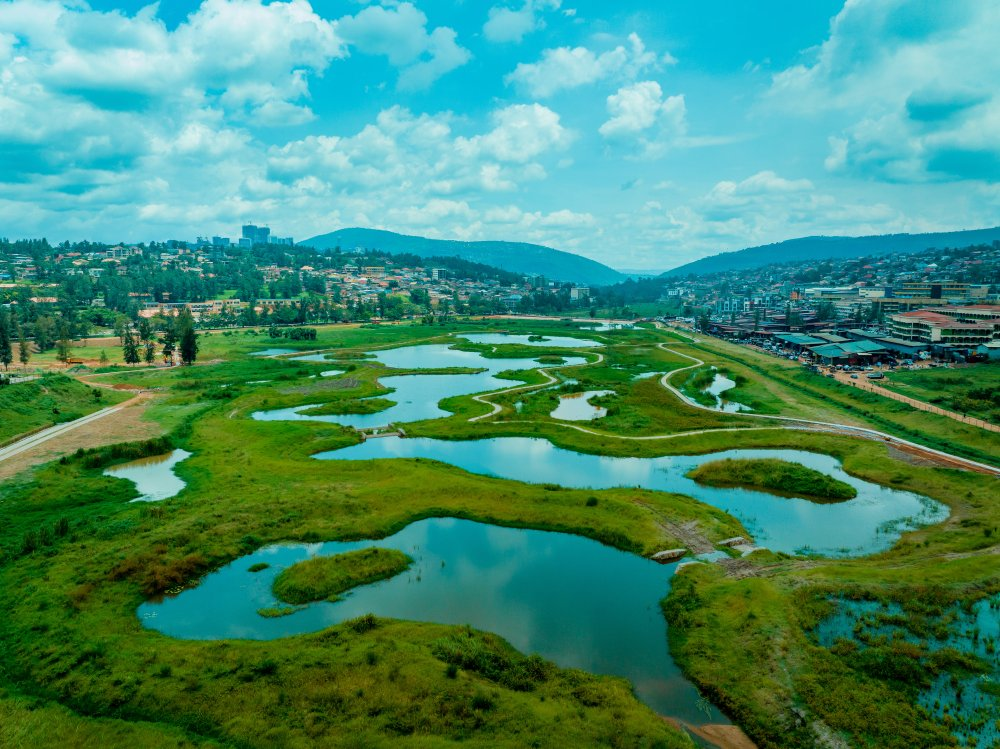
Rwampara Wetland
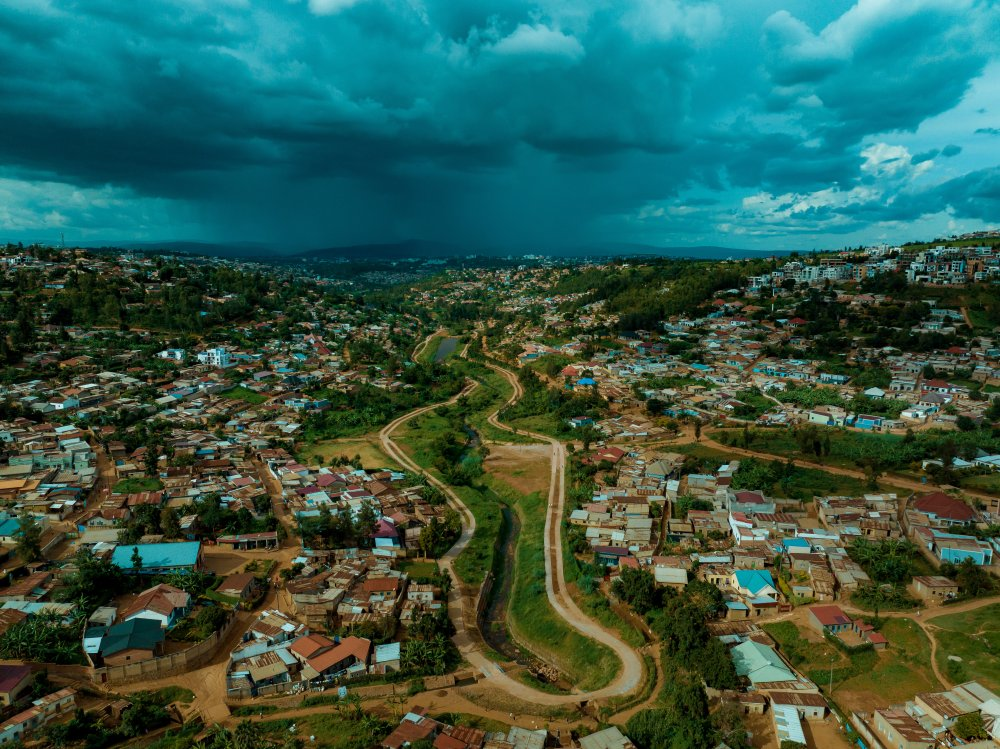
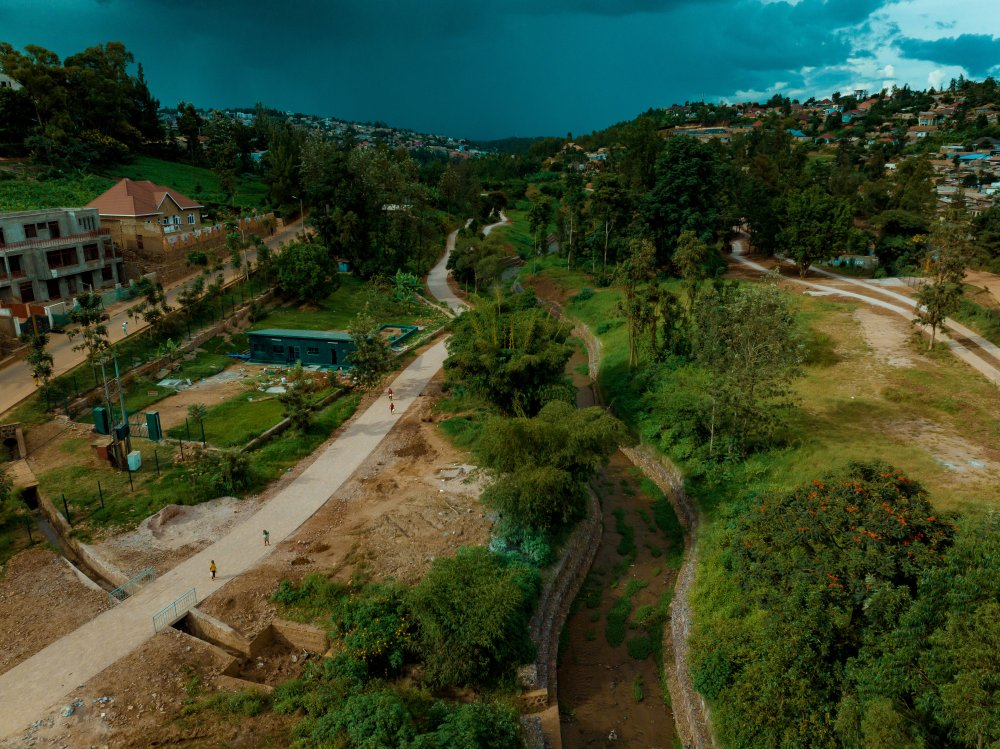
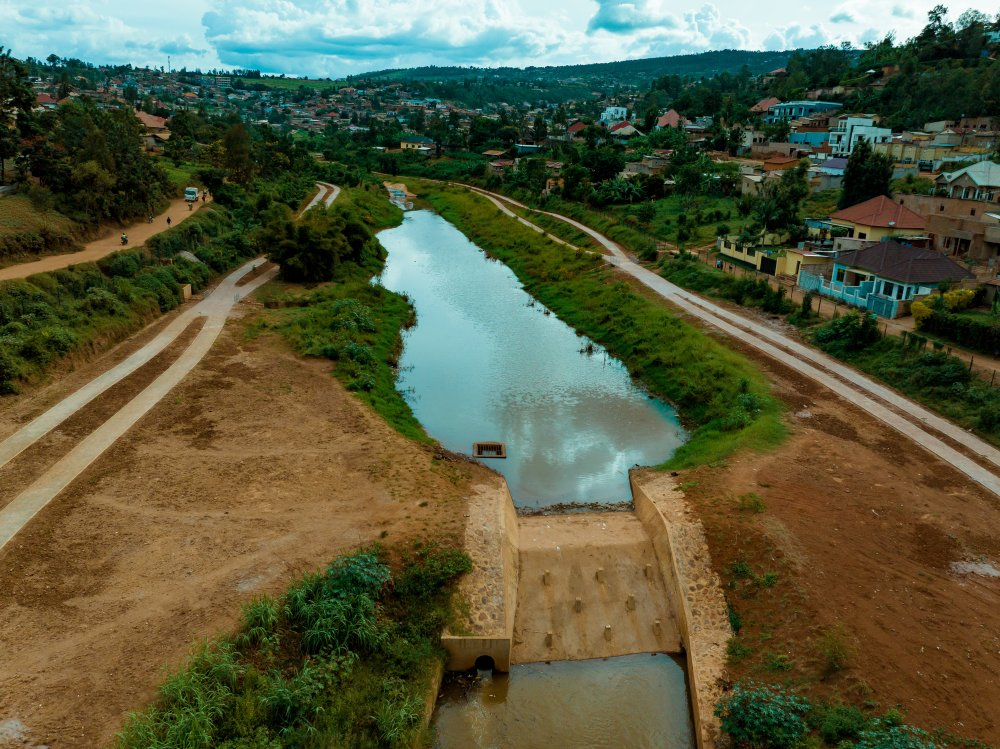
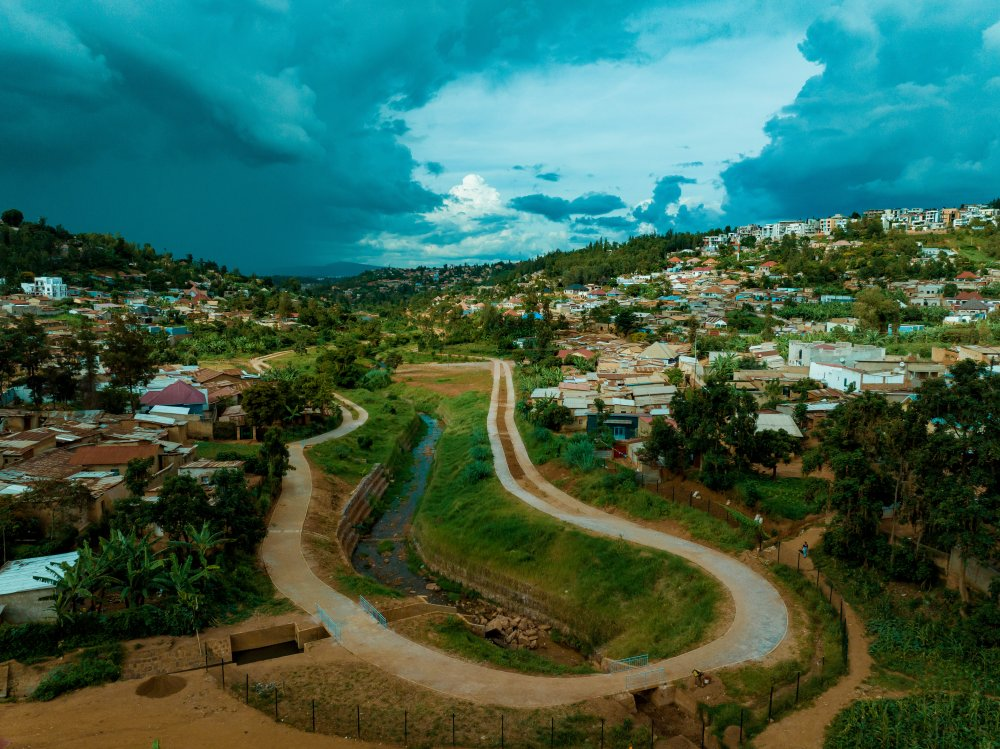
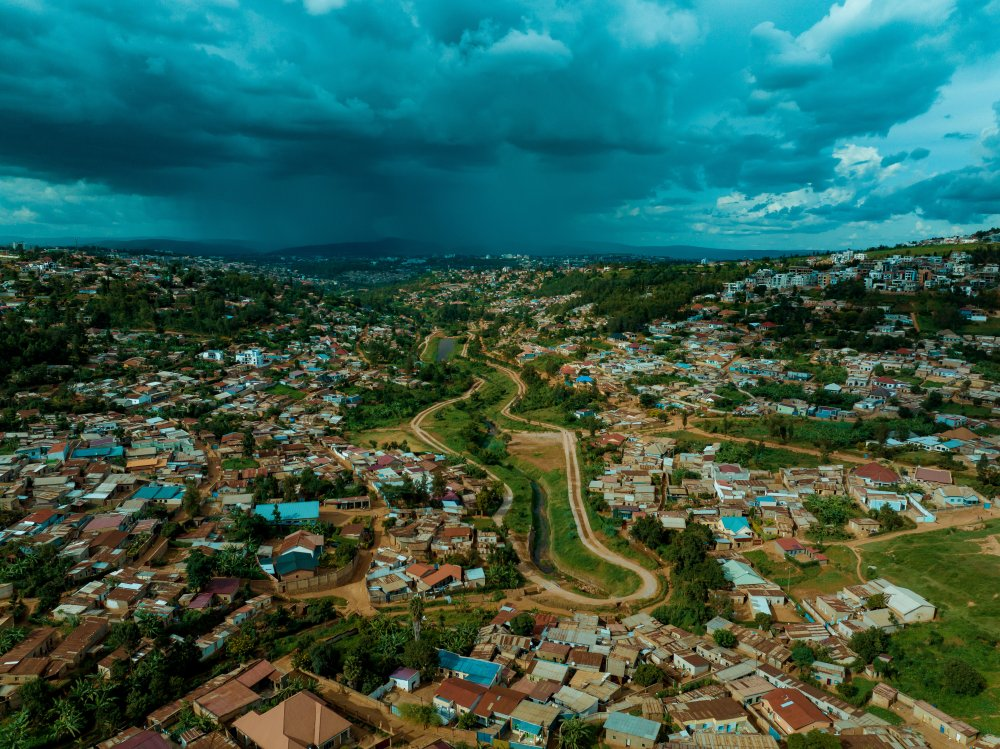
Photo credit: REMA


