 1
1
 0
0
By Annonciata Byukusenge
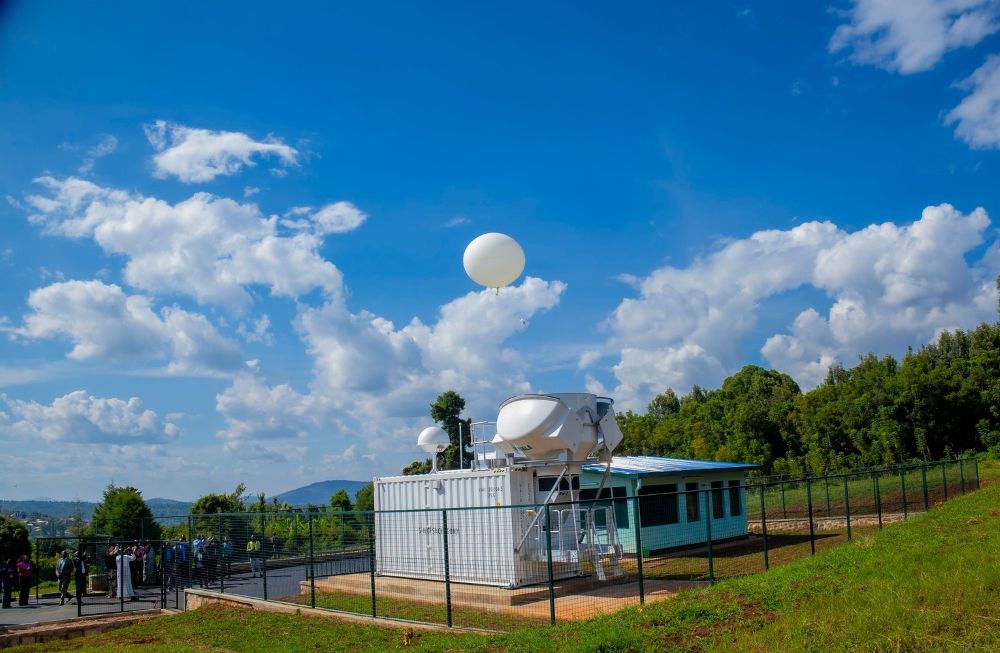
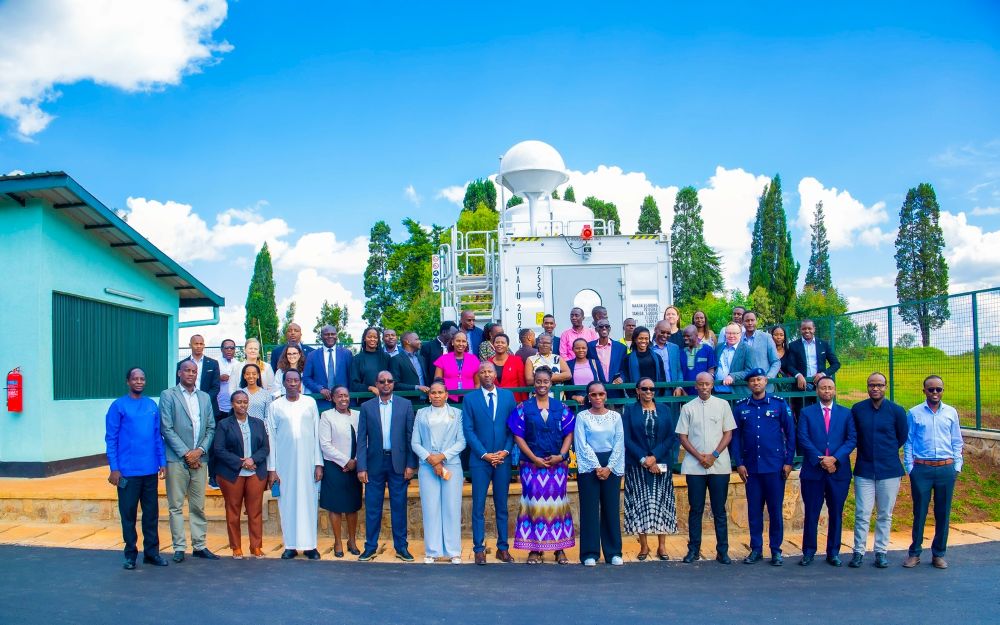
Rwanda has officially inaugurated its first automatic upper-air weather station, a Frw 5 billion ($3.8 million) facility designed to significantly upgrade the region’s climate monitoring and disaster early-warning capabilities.
The station, located in the Ngoma sector, Karubanda village of Huye District, was unveiled on June 4, 2026. Funded through the Systematic Observations Financing Facility (SOFF), a global initiative spanning 60 countries to counter climate change realities, the hub will streamline the collection and global sharing of meteorological data.
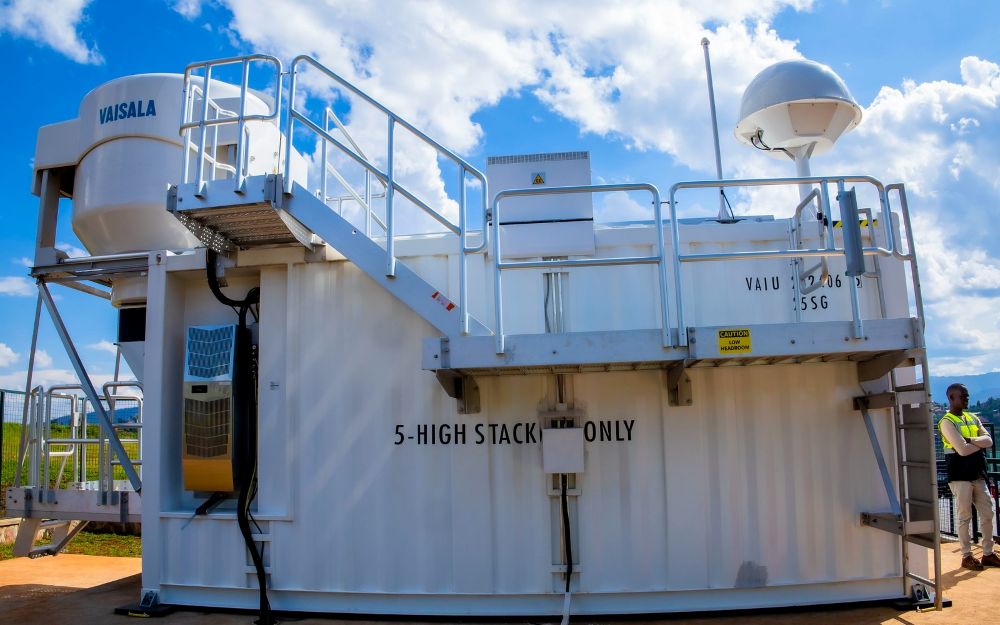
Dr. Védaste Iyakaremye, the head of data collection and preservation at Meteo Rwanda, noted that the new facility represents a massive technological leap. While the country’s existing infrastructure only captures data up to 10 meters above the ground, this automatic station can track atmospheric conditions at an altitude of up to 40 kilometers.
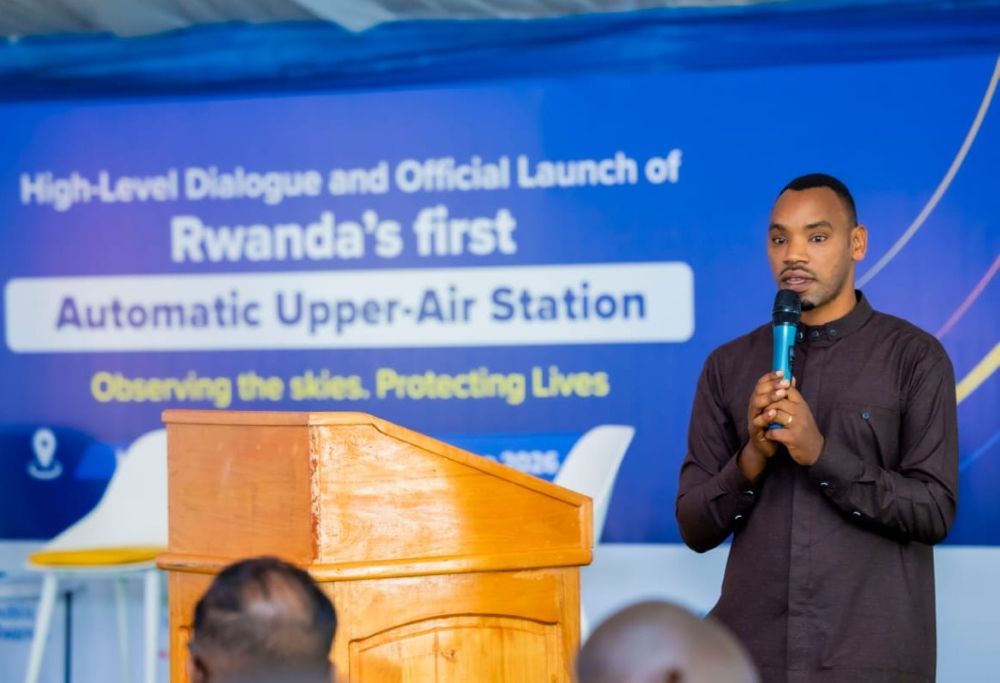
“Unlike our traditional stations, this technology reaches 40 kilometers vertically and spans a 500-kilometer horizontal radius. The data gathered here will serve not just Rwanda, but neighboring nations and the global meteorological network.”
The station measures critical variables including atmospheric humidity, wind speeds, cloud water content, and temperature. By operating alongside Rwanda’s current network, it is expected to drastically increase the accuracy of local forecasts.
Its high-altitude reach is also set to benefit aviation safety by monitoring conditions well above commercial flight paths. To maintain global synchronized forecasting, the station takes readings twice daily, at 2:00 AM and 2:00 PM Greenwich Mean Time (GMT), feeding data into a worldwide network to generate real-time global weather models.
Minister of Environment Dr. Bernadette Arakwiye emphasized Rwanda’s responsibility in hosting the facility, which is only the second of its kind on the African continent after Morocco.
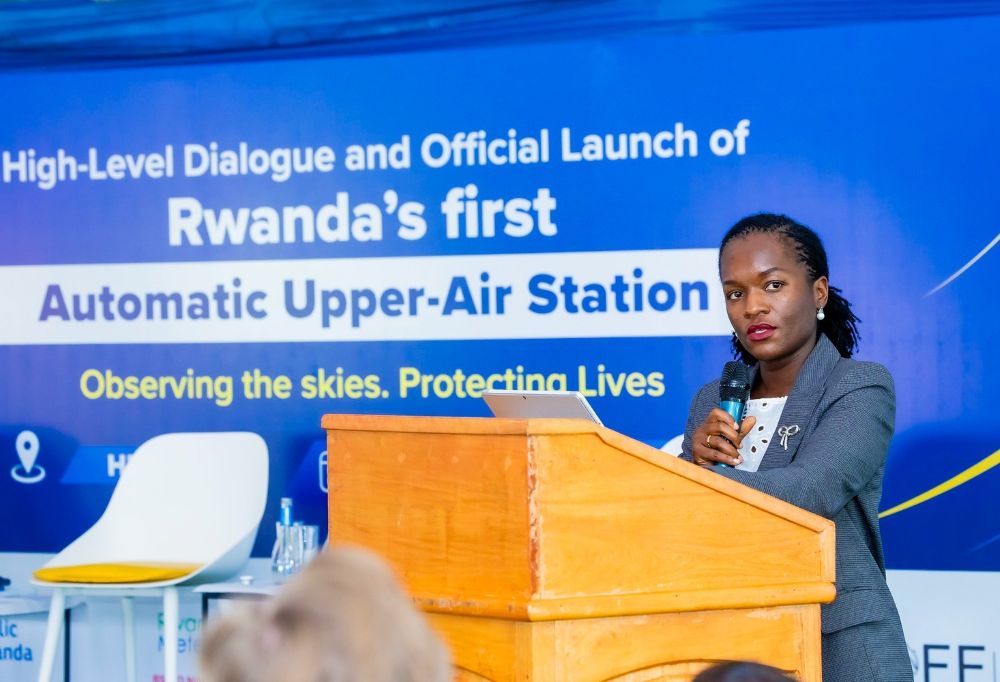
“Because this station is on our soil, we bear the responsibility of maintaining it for the benefit of both Rwanda and the broader region. Our focus cannot be internal alone; we must ensure it reliably serves our neighbors.”
Beyond immediate weather tracking, the station is projected to become a cornerstone for regional climate research, agricultural planning, and long-term policy drafting. Officials confirmed that the facility is already operational and actively transmitting atmospheric data to neighboring East African states.