 0
0
 0
0
By Christophe Uwizeyimana
/
For decades, the Amayaga region of Southern Rwanda was characterized by degraded landscapes, severe soil erosion, declining agricultural productivity, and recurring droughts linked to climate change. Communities in the districts of Gisagara, Nyanza, Ruhango, and Kamonyi struggled with poor harvests, food insecurity, and widespread poverty as natural resources that once sustained livelihoods continued to diminish.
Today, however, the story of Amayaga is changing.
VIDEO/Kinyarwanda Version:https://vt.tiktok.com/ZSxcRHpEJ/
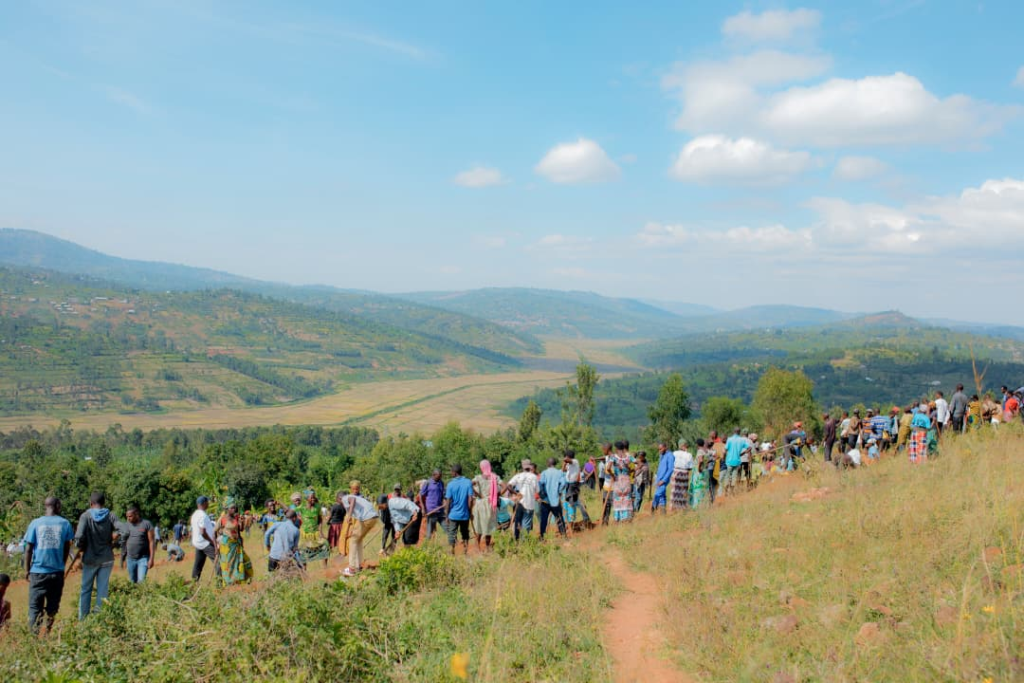
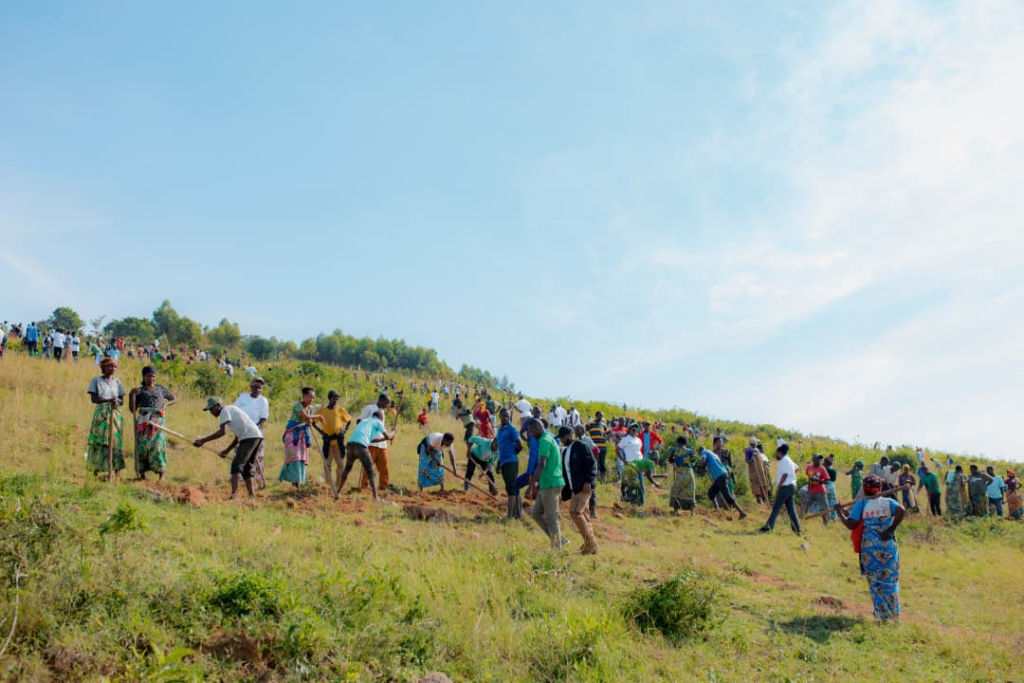
Across hills once scarred by erosion, trees now stand tall, terraces protect fertile farmland, and farmers are harvesting improved yields. These changes are largely attributed to the Green Amayaga Project, a six-year initiative launched in 2020 to restore degraded landscapes, strengthen climate resilience, improve agricultural productivity, and enhance the livelihoods of local communities.
Implemented by the Rwanda Environment Management Authority (REMA) in partnership with the Rwanda Forestry Authority (RFA), with support from the United Nations Development Programme (UNDP) and the Global Environment Facility (GEF), the project has become one of Rwanda’s most ambitious landscape restoration and community development initiatives.
Farmers earn the Benefits
For many residents, Green Amayaga has been more than an environmental project, it has transformed lives.
Jean Paul Birindwa, an avocado farmer from Mamba Sector in Gisagara District, says the project has given farmers new opportunities and renewed hope.
“In Gisagara, fruit farmers have become an example of what is possible. Our work has gained value because we adopted sustainable land management practices. We protected our soils, and today we are beginning to see the results. Farmers who planted avocado trees in 2022 have started harvesting their fruits,” he says.
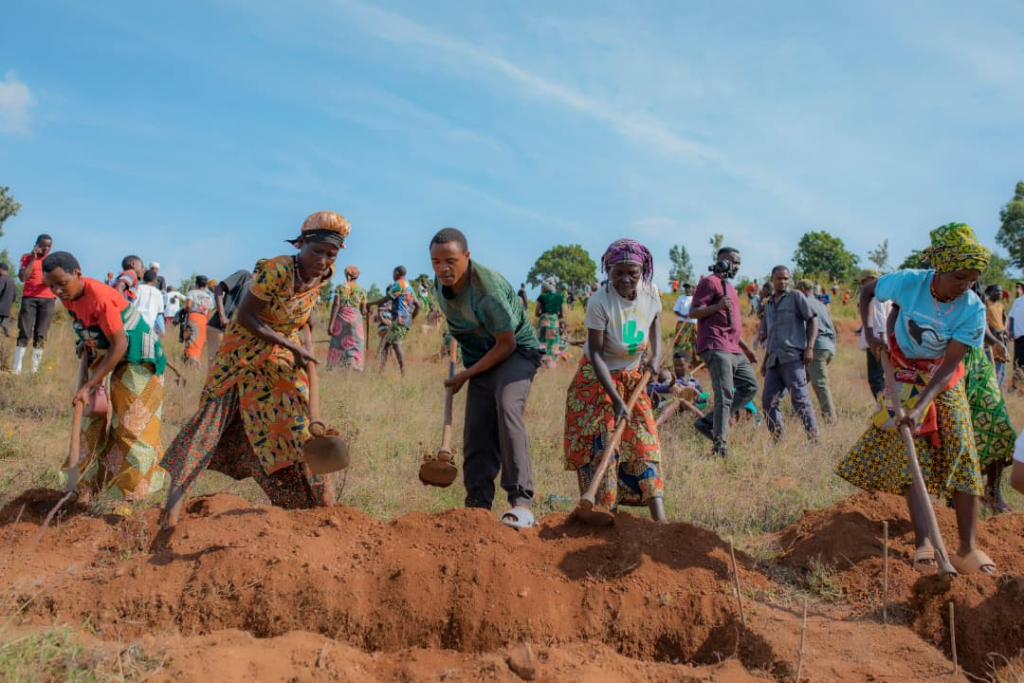
The project promoted agroforestry, fruit tree planting, soil conservation, and climate-smart agriculture, helping farmers improve productivity while protecting the environment.
From Poverty to Progress
VIDEO/ Kinyarwanda-Testimonies of Local Residents:https://vt.tiktok.com/ZSxoPCwUn/
For Josephine Nyiraminani, a resident of Bukorota Village in Gikonko Sector, the project arrived when many households were struggling with extreme poverty.
“When Green Amayaga started, many families could not afford health insurance, some children were dropping out of school, and malnutrition was a serious challenge,” she recalls. “Today, things have changed. Through terraces, agroforestry, and other activities introduced by the project, our livelihoods have improved. We are committed to maintaining these achievements.”
Her testimony reflects the broader impact reported by many beneficiaries, who say improved agricultural production has strengthened household incomes and food security.
Environmental Restoration, Renewed Hope
Mathiew Bangamwabo, a resident of Kigangazi Village in Mamba Sector, remembers when erosion had severely damaged farmland.
“The project found us isolated and struggling with hunger. Our land was heavily degraded by erosion,” he says. “Green Amayaga helped us plant forests, establish anti-erosion structures, and many families received livestock. We will continue protecting these investments so they can benefit future generations.”
Similarly, Delphine Niyonambaje from Musha Sector says the project changed community attitudes toward environmental conservation.
“Before the project, many of us did not understand the importance of trees. Some people even believed tree planting would reduce crop production,” she explains. “Today, we understand their value. Trees, terraces, and grass strips have helped us control erosion and retain soil fertility. Fertilizers are no longer washed away by heavy rains, and our harvests have increased significantly.”
Niyonambaje says increased agricultural productivity has enabled her to support her family and pay school fees for her children solely through farming.
“I have two children in school, and I can pay their fees from the income I earn through agriculture. I do not have a government job. Improved farming has changed my life,” she says.
Impressive Results on the Ground
According to Gisagara District Mayor Jérôme Rutaburingoga, the first phase of Green Amayaga has delivered remarkable results and laid a strong foundation for future interventions.
In Gisagara District alone:
- More than 100,000 people benefited from project activities, over 60 percent of whom were women and youth.
- More than 5,000 green jobs were created.
- 458 hectares of forests were established through afforestation initiatives.
- 2,000 hectares of bamboo were planted to protect riverbanks.
- 4,250 hectares of agroforestry trees were planted.
- 53,895 fruit trees, including avocado, mango, orange, and macadamia trees, were distributed and planted.
- Five schools received clean cooking gas systems.
- 113 households received cows, and through the pass-on system, the number of beneficiary families has increased to 217.
- Community-based agricultural projects involving cassava, maize, vegetables, and sugarcane production received support.
“The knowledge and experience communities gained during Phase I will help them maximize the opportunities that will come with Phase II,” Rutaburingoga says.
Communities at the Heart of Success
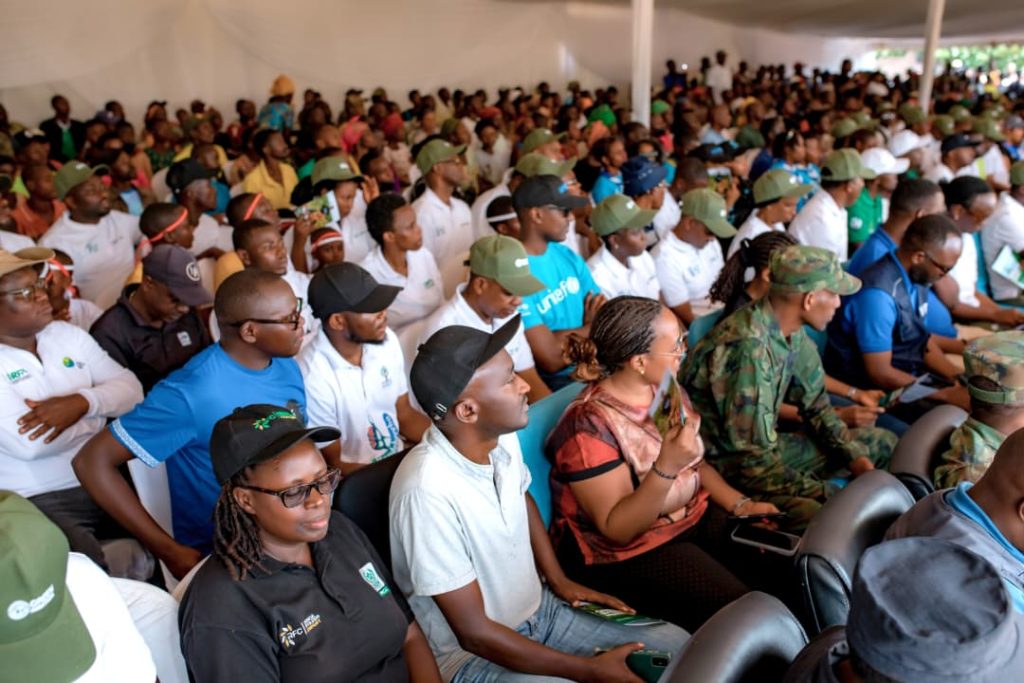
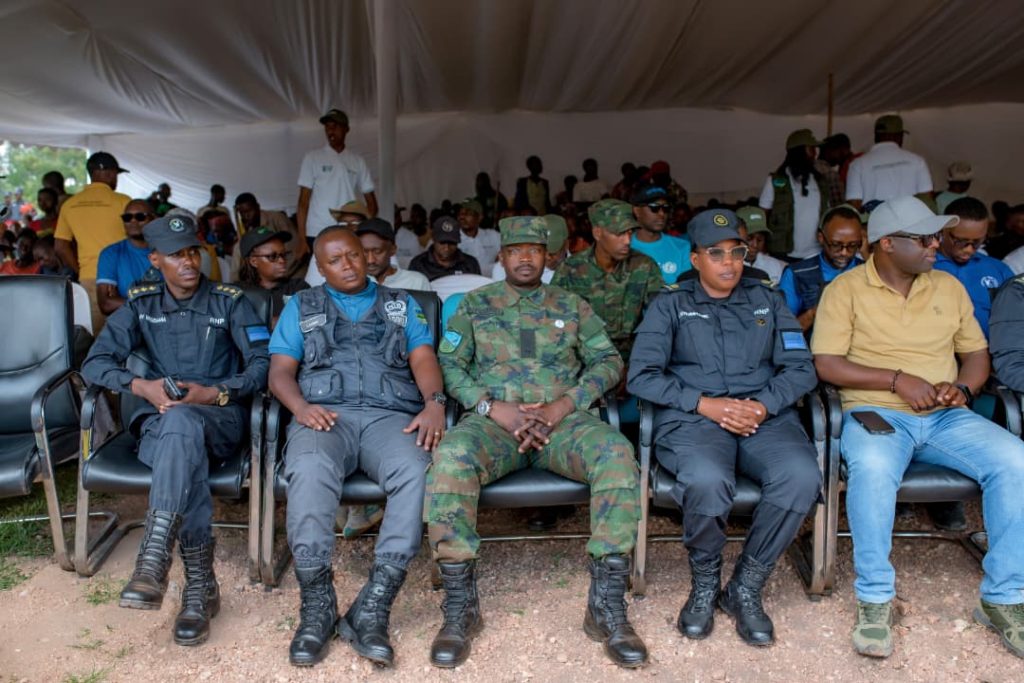
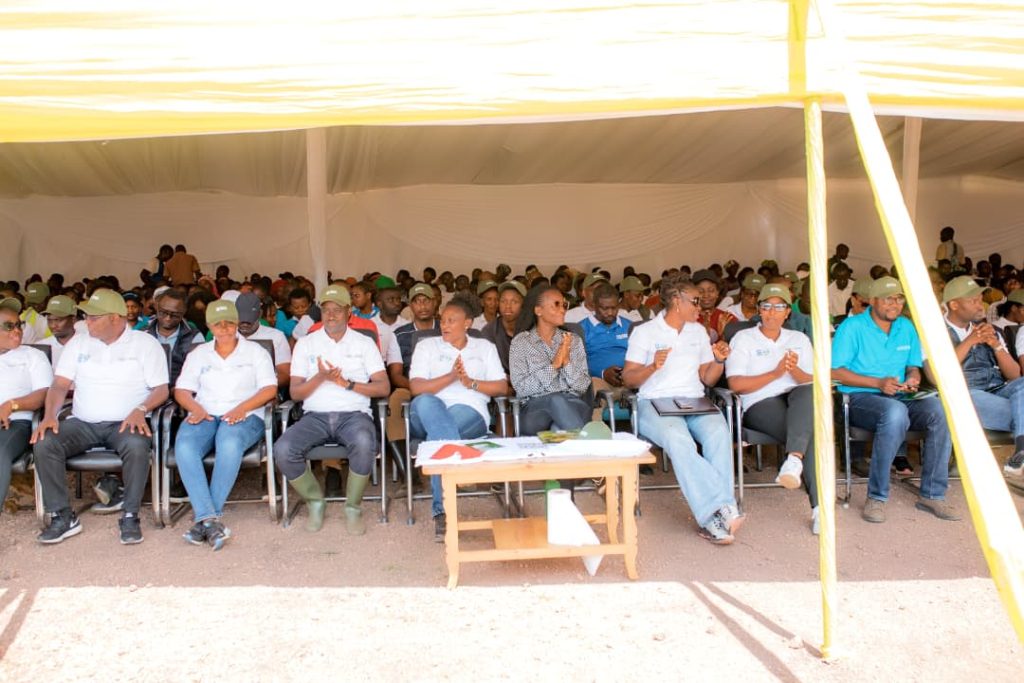
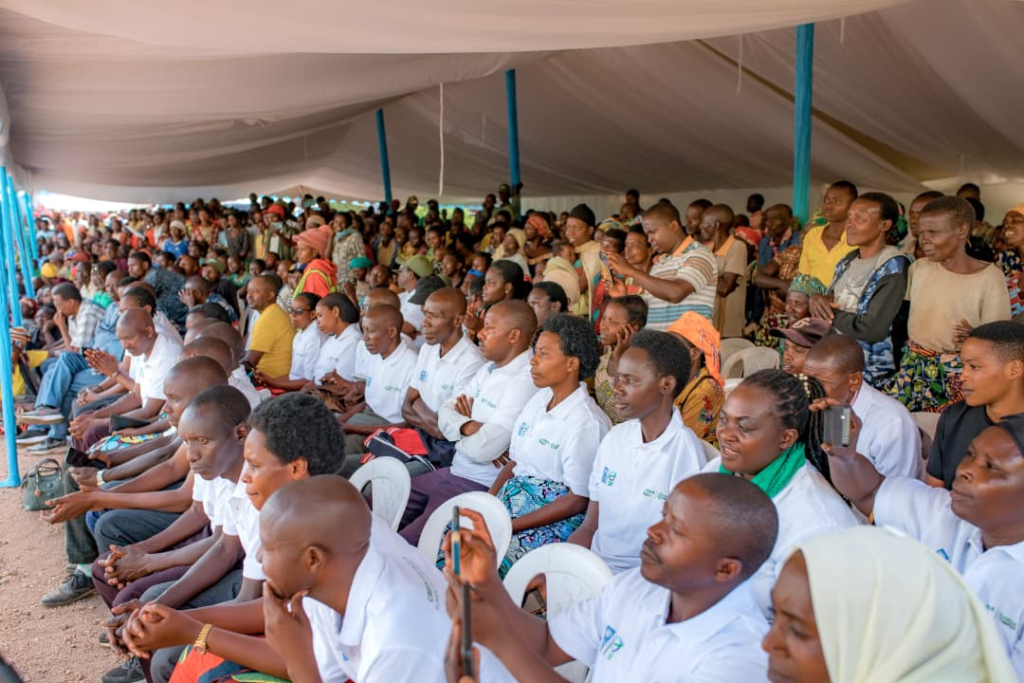
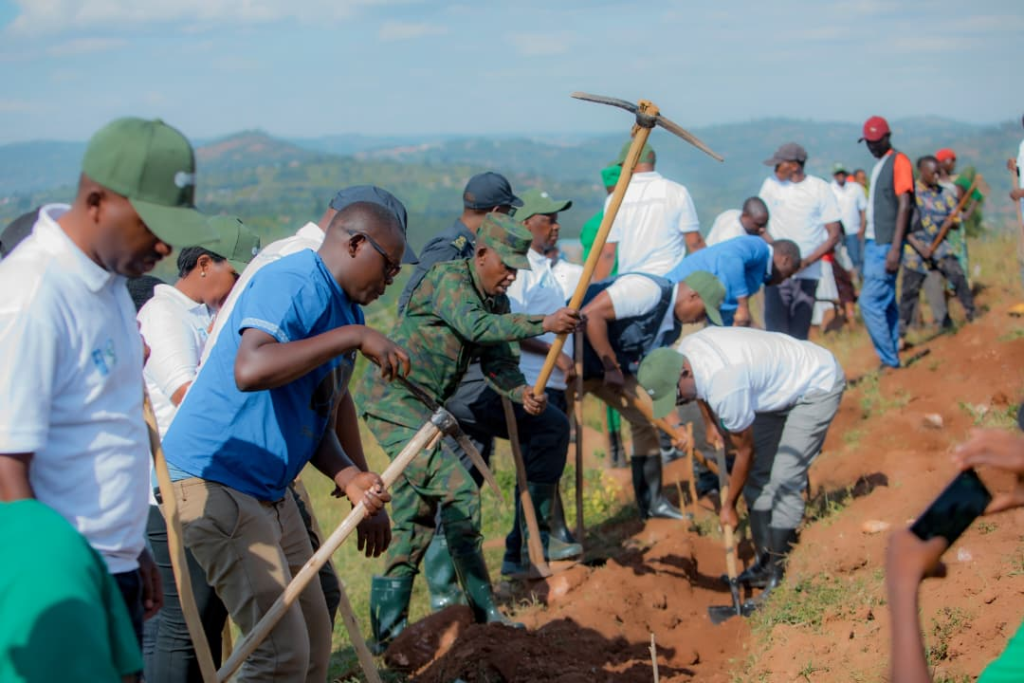
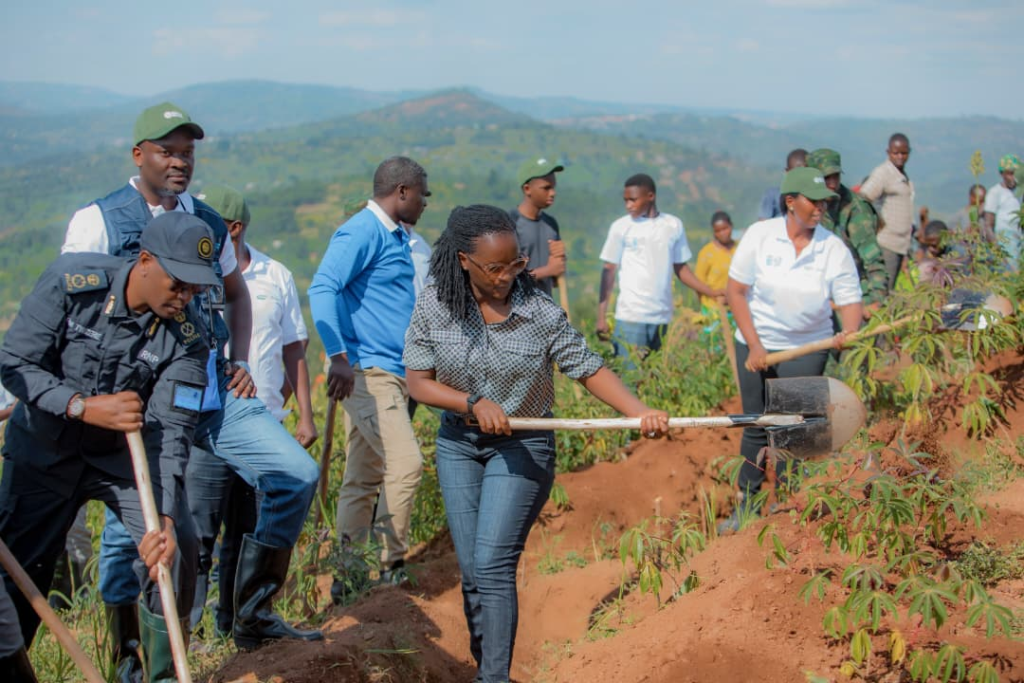
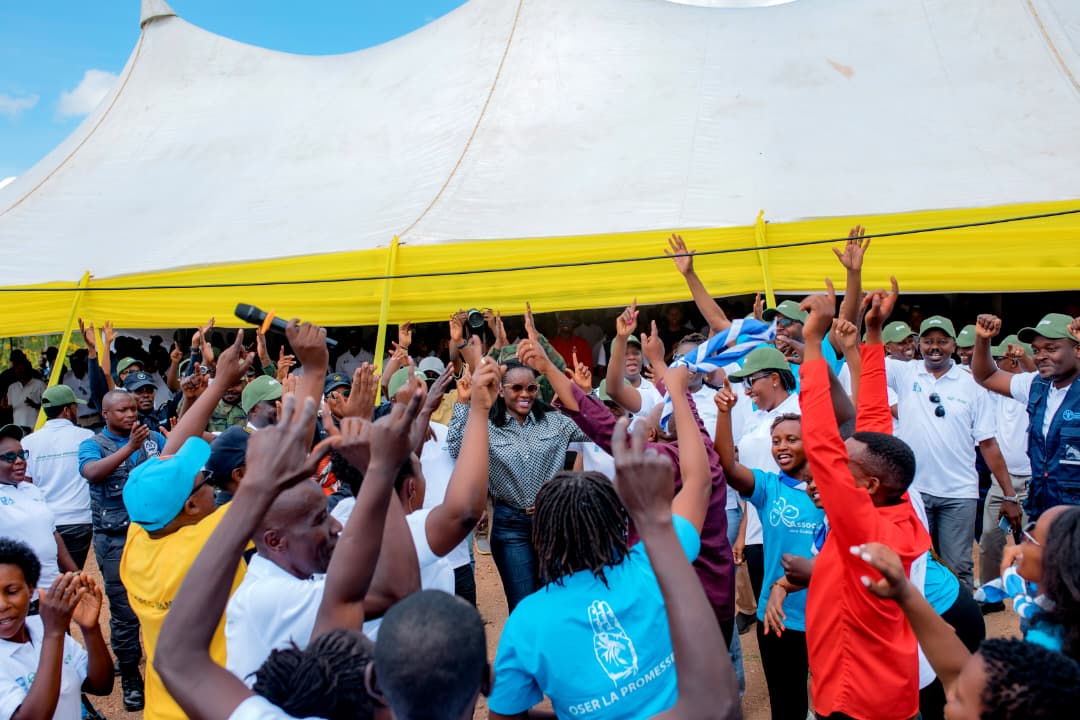
Speaking during the official closing ceremony of Green Amayaga Phase I and the launch of Phase II in Gisagara District, Dr. Fatmata Lovetta Sesay, UNDP Resident Representative in Rwanda, emphasized that communities themselves were the driving force behind the project’s success.
“The achievements we celebrate today are the real achievements of communities. Communities transformed what looked like activities on spreadsheets into concrete results,” she said.
The Governor of the Southern Province, Alice Kayitesi, described the transformation as extraordinary.
“There were people who believed these changes were impossible,” she said. “But if you want to understand the true impact of Green Amayaga, visit the Amayaga region. This area once resembled a semi-desert landscape. Today, everyone can clearly see that something remarkable has happened here.”
Minister of Environment Dr. Bernadette Arakwiye echoed these sentiments, saying the initiative reinforces Rwanda’s commitment to environmental protection, climate resilience, and sustainable development.
A New Chapter: Green Amayaga Phase II
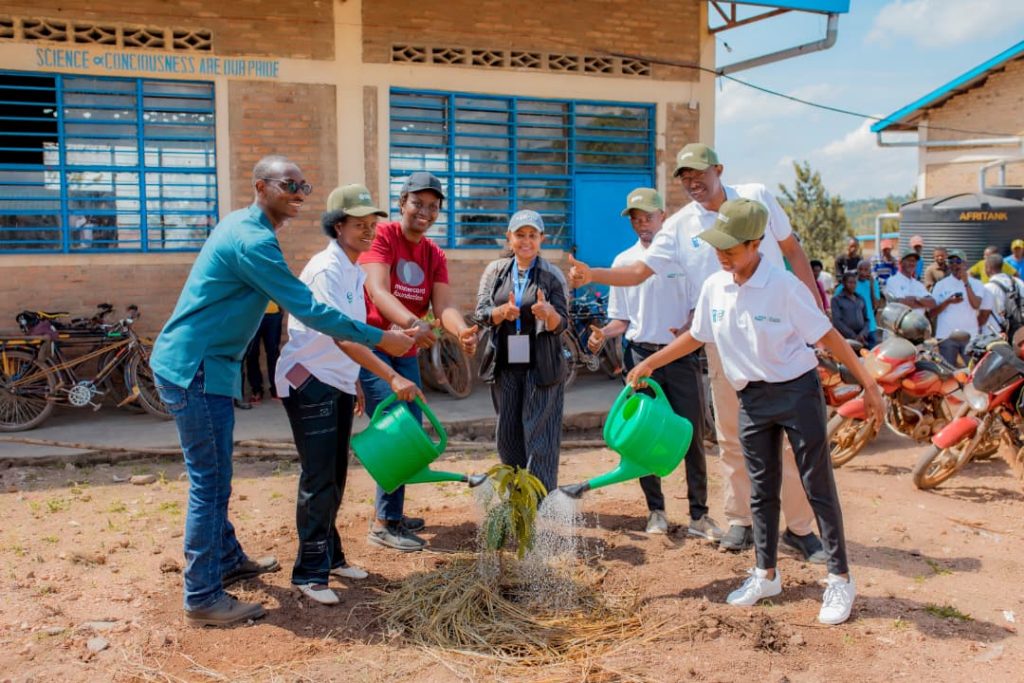
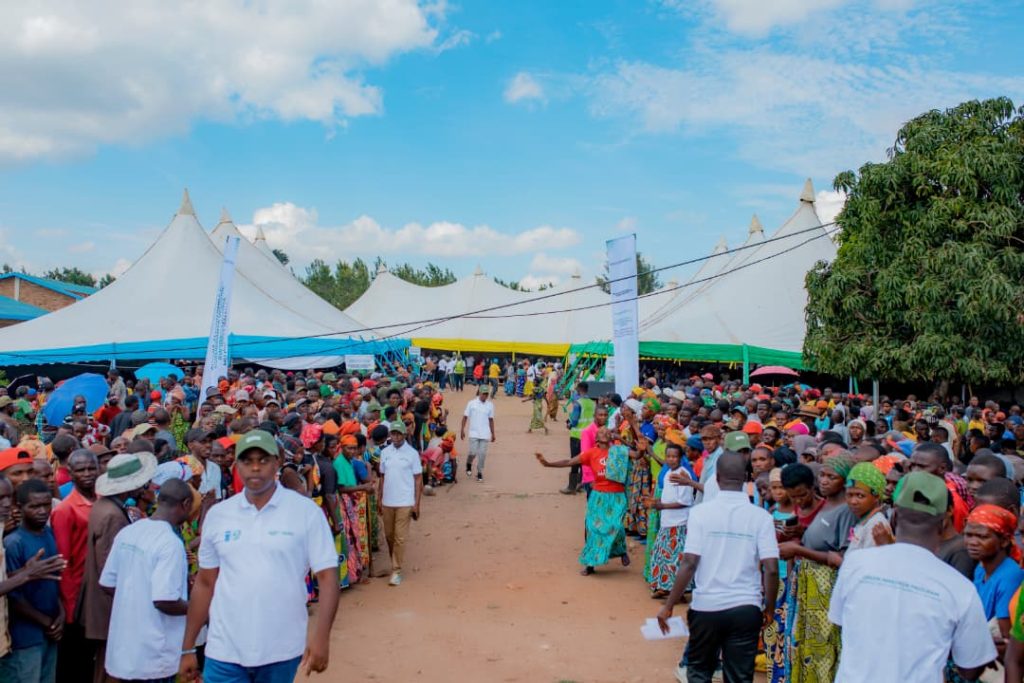
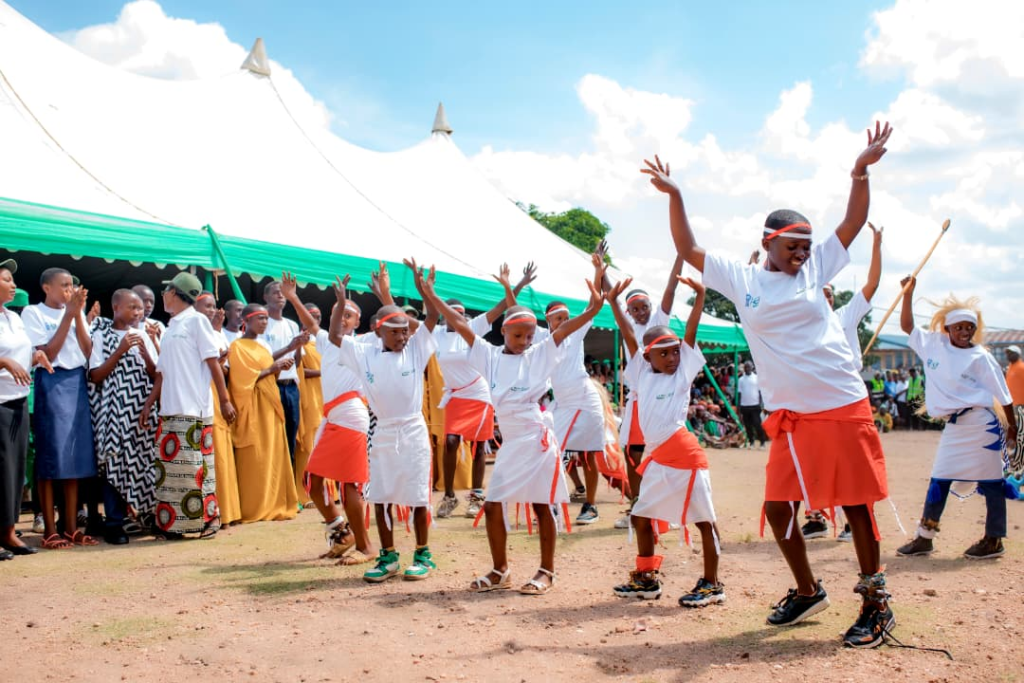
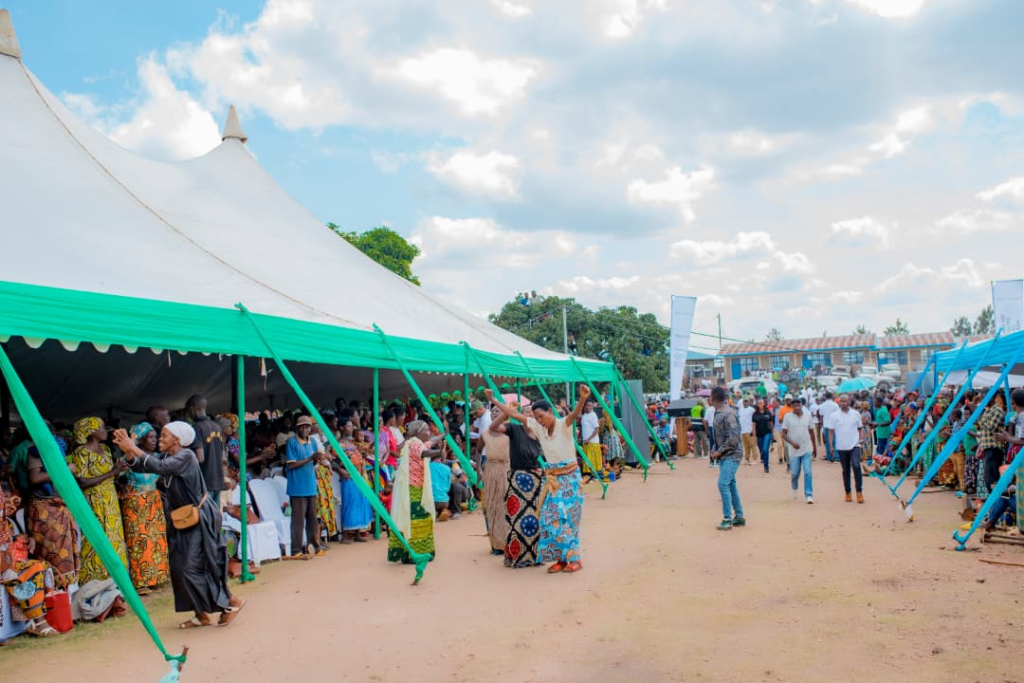
On May 30, 2026, Rwanda officially launched Green Amayaga Phase II of about $20 million budget during the opening of the country’s Environment Week in Gisagara District.
The first phase operated from 2020 to 2025 with a budget of US$32.7 million, covering four districts and 20 sectors. It combined environmental restoration with socio-economic interventions such as livestock distribution, climate-smart agriculture, erosion control, and income-generating activities.
Building on these achievements, Green Amayaga Phase II will run from 2026 to 2030 and expand operations to two additional districts of Muhanga and Huye, bringing the total number of participating districts to six.
Supported by an additional US$18 million grant from the Global Environment Facility, along with government and partner contributions, the new phase aims to further strengthen climate resilience, restore degraded ecosystems, and improve livelihoods across Southern Rwanda.
A Lasting Legacy
As Green Amayaga enters its second phase, communities across Southern Rwanda are determined to preserve and build upon the gains achieved during the first six years.
From restored forests and protected watersheds to increased agricultural production and improved household incomes, the project has demonstrated that environmental restoration and socio-economic development can go hand in hand. For many residents of Amayaga, the project’s greatest achievement is not measured only in hectares restored or trees planted, but in renewed hope, improved livelihoods, and a stronger foundation for future generations.
Photos:
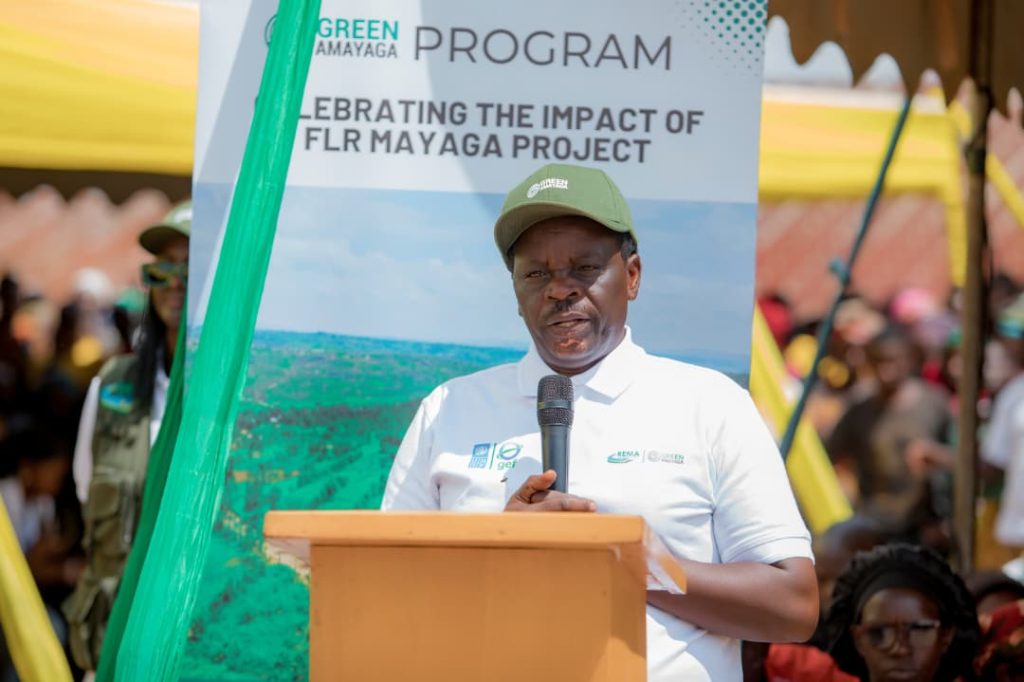
Photo;Jean Paul Birindwa, an avocado farmer from Mamba Sector in Gisagara District, shares how Green Amayaga has transformed farmers’ lives through improved land management and increased fruit production.
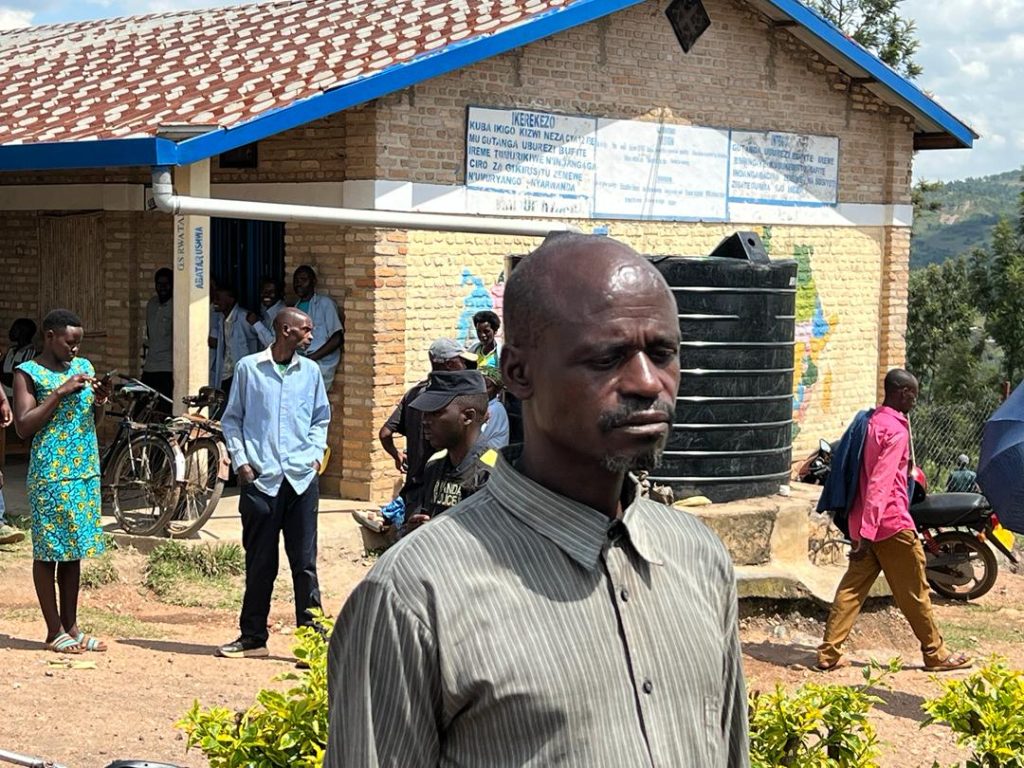
Photo:Mathiew Bangamwabo, a resident of Kigangazi Village in Mamba Sector, recalls how Green Amayaga helped restore degraded farmland through tree planting, erosion control, and livestock support.
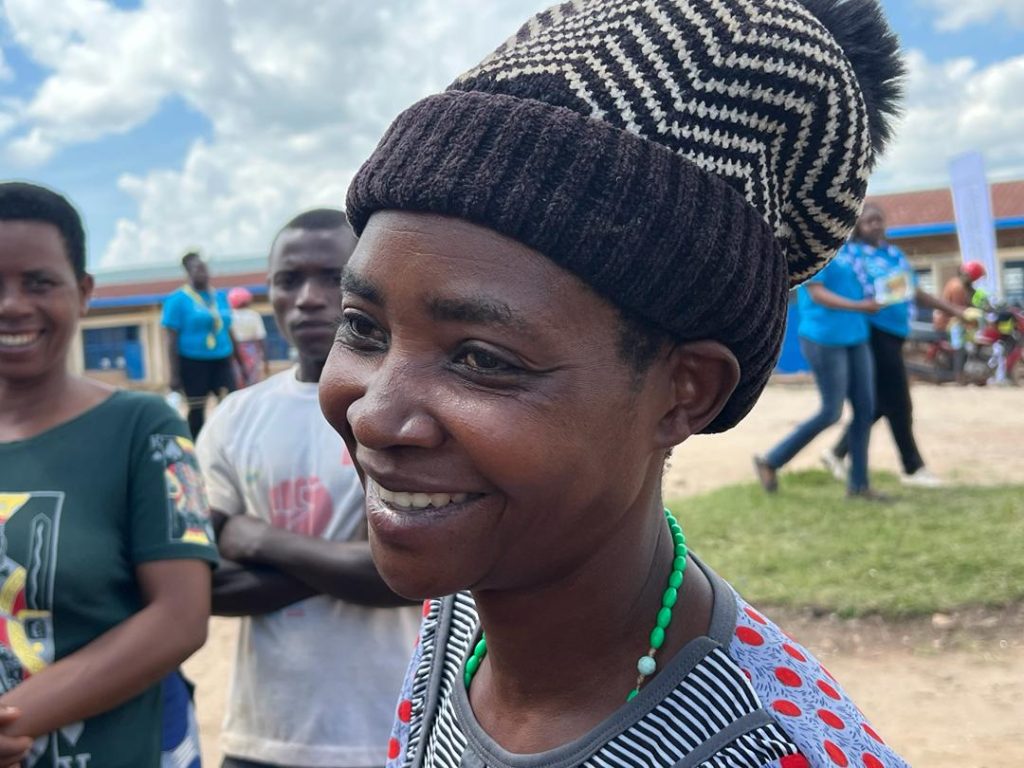
Photo:Delphine Niyonambaje credits Green Amayaga with improving soil conservation and boosting farm productivity in Musha Sector.
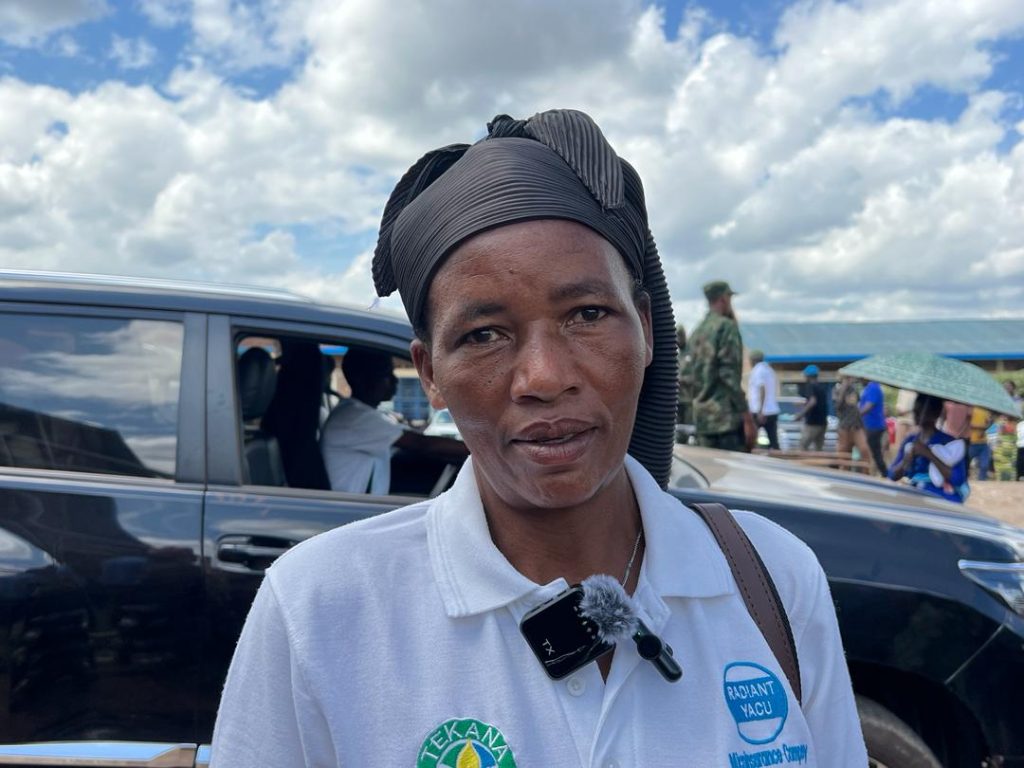
Photo:Josephine Nyiraminani recalls how Green Amayaga helped lift many households from extreme poverty by improving food security, school attendance, and access to health insurance.
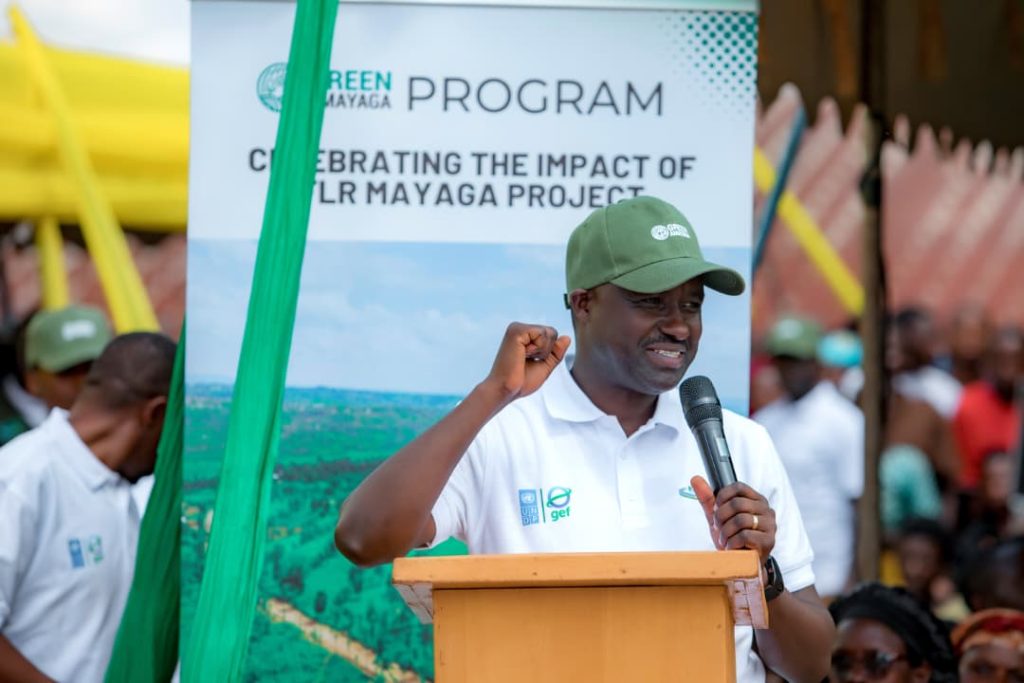
Photo:Gisagara District Mayor Jérôme Rutaburingoga says Green Amayaga Phase I has transformed livelihoods and laid a strong foundation for future development.
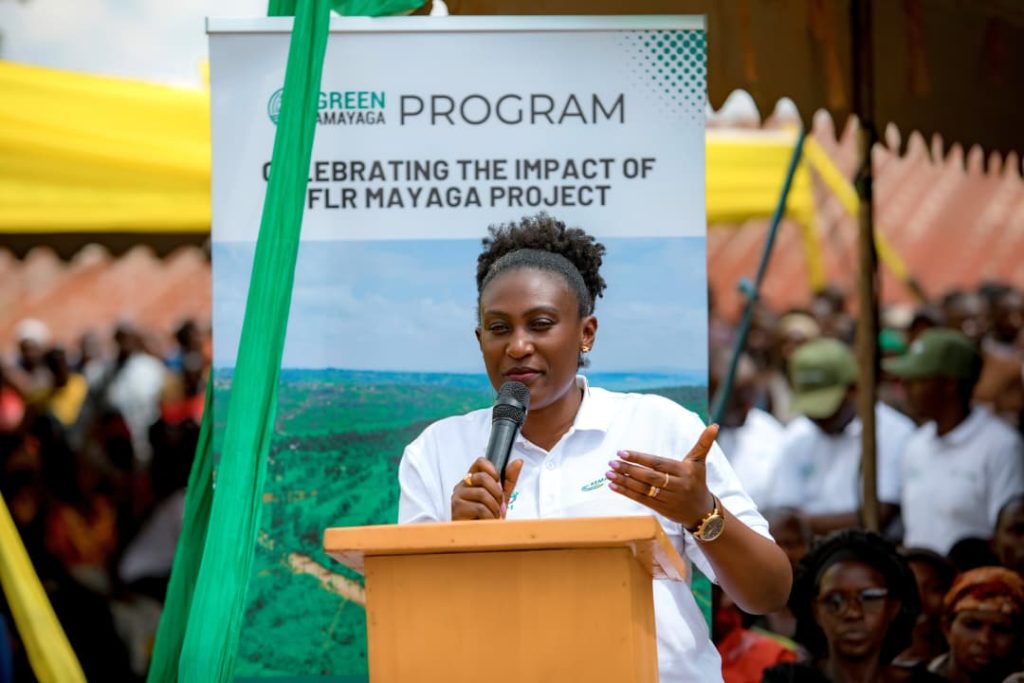
Photo:Governor Alice Kayitesi of the Southern Province highlights the remarkable transformation brought by Green Amayaga, saying the once-degraded Amayaga landscape has been restored and revitalized.

Photo:UNDP Resident Representative Dr. Fatmata Lovetta Sesay says Green Amayaga achievements reflect strong community ownership and participation.
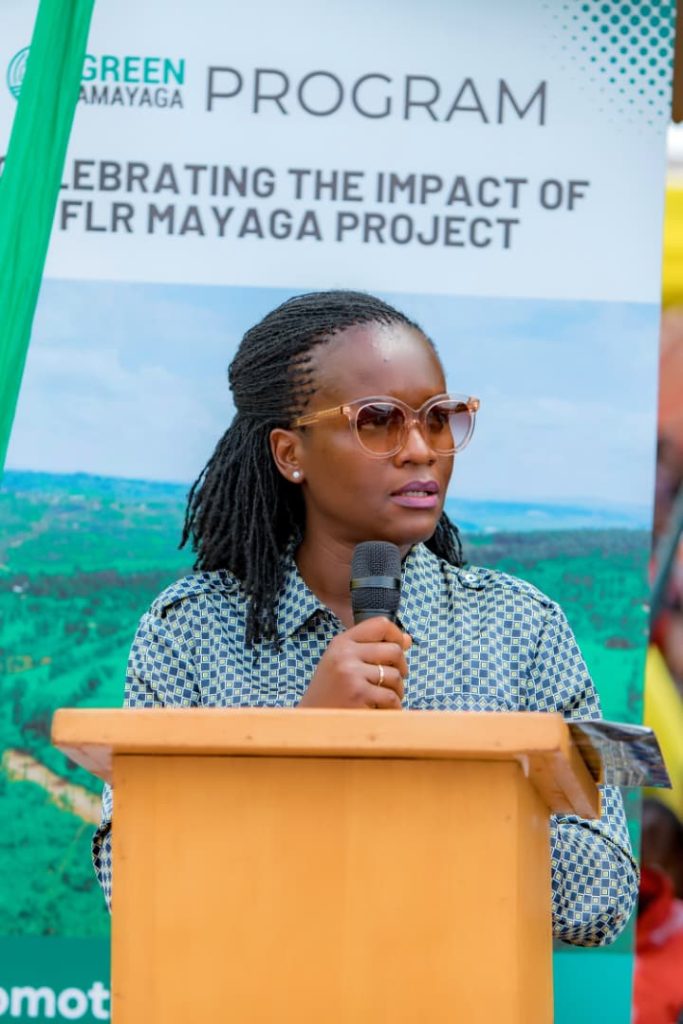
Photo:Minister of Environment Dr. Bernadette Arakwiye says Green Amayaga reinforces Rwanda’s commitment to environmental protection and climate resilience.
Other photos;