
 0
0
 0
0
By Annonciata Byukusenge
A new report by Transparency International Rwanda has raised alarm over persistent sexual bribery in the country’s education and health systems, despite broader progress in public service delivery.
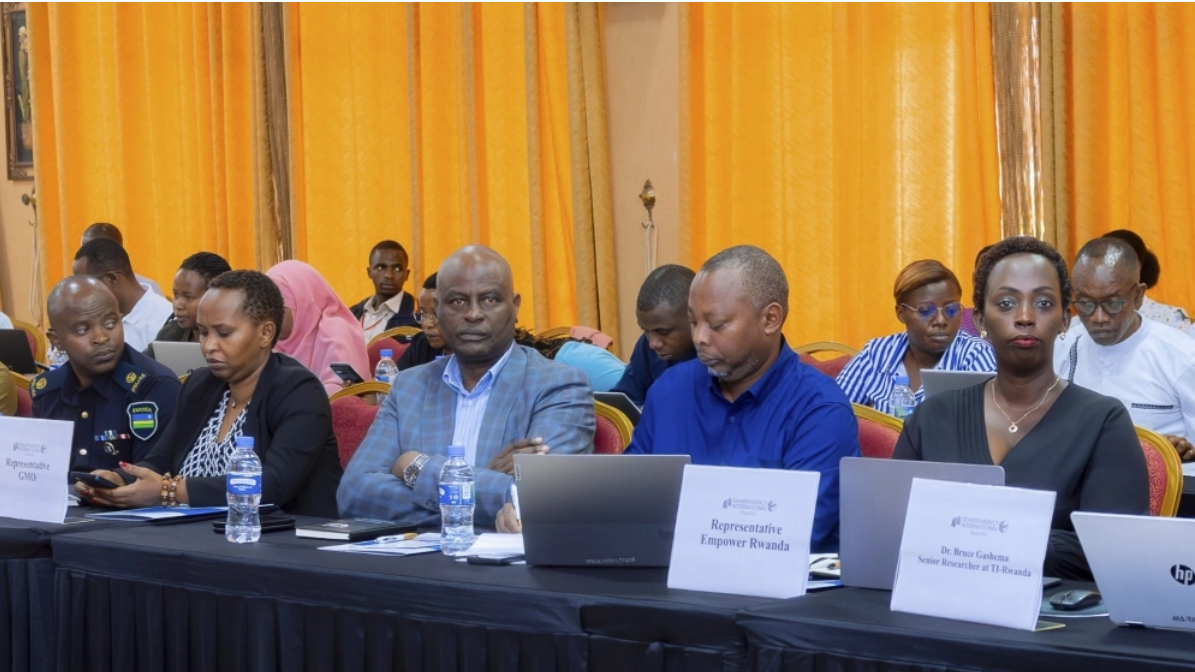
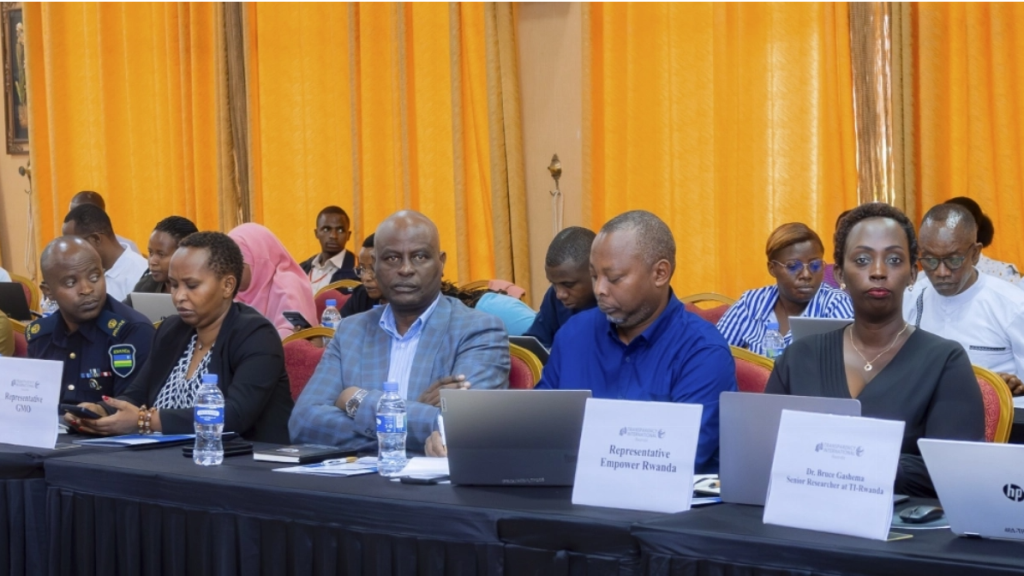
A stakeholder meeting, which brought together partners from both sectors to assess corruption risks and identify service provision gaps, presented the findings. Kigali, 29 January 2026.
The report highlights sexual extortion as a serious issue in education, particularly in universities and higher learning institutions. Some professors are said to be abusing their power by asking female students for sexual favors in exchange for better grades, moving up in school, or getting internships.
Survey data shows that among 1,350 respondents, 8% reported being asked for bribes to secure school placement, while 5% said they were solicited for bribes to obtain higher marks. Another 5% cited bribery related to food supply contracts for schools, and a similar proportion reported being asked for favors to change academic programs.
Both financial and sexual corruption continue to undermine inclusive education, according to Transparency International Rwanda. Vulnerable groups are disproportionately affected, including girls (7.8%), people from low-income families (8.6%), individuals with disabilities (9.2%), those with mental disabilities (46.1%), and individuals facing other social challenges (10.2%).
In the health sector, a separate survey of 1,400 citizens revealed ongoing corruption risks in accessing care. Patients reported paying unofficial fees to receive faster treatment, medication, or diagnostic services.
Doctors have also highlighted this issue.
Sexual exploitation was also reported in maternal and reproductive health services, where some women said they were asked to engage in sexual acts in exchange for services that should be provided as a basic right.
Healthcare workers themselves have flagged the issue. A nurse specializing in non-communicable diseases (NCDs) at a health center visited during the study recounted a case involving a colleague accused of sexual abuse.
“We had a nurse reported by patients for sexual violence. During the investigation, he assaulted another young woman, who also reported him. Unfortunately, he fled before he could be arrested, the nurse said.”
The report also pointed to corruption in the distribution of Shisha Kibondo, a government nutrition program providing fortified flour to malnourished children. Some parents said they were asked for money or a share of the supplement in exchange for being added to beneficiary lists.
“One community health worker told me, ‘I’ll put your name on the list, but when you receive the flour, we’ll share it,'” one parent said. Another reported being removed from the program after refusing to pay a 2,000 Rwandan franc ($2) bribe.”
Unlawful payments and favoritism remain common in health facilities, affecting access to timely care. Women, the poor, and people with disabilities are among the most affected. The study found corruption levels ranging between 21% and 26% across surveyed facilities.
Corruption in the distribution of Shisha Kibondo
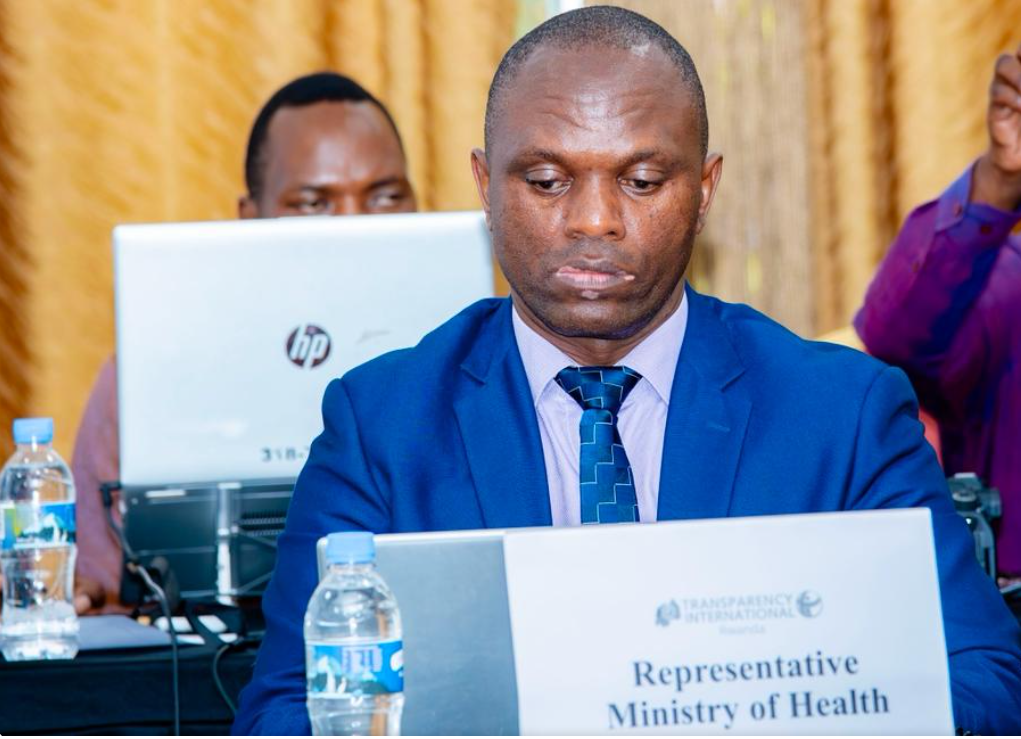
The Rwandan Ministry of Health acknowledged the challenges and announced the implementation of measures to enhance oversight and decrease corruption.
“We are aware of issues in the Shisha Kibondo program, but we are working with partners to address them,” said Dr. Oreste Tuganeyezu, head of health services at the ministry.
Also read: Corruption undermines Rwanda’s nutrition programs for women and children.
“Monitoring systems have been strengthened to track service delivery and prevent corruption at the local level.”
According to the report, 26% of respondents said they had been asked for bribes when seeking care at health centers or hospitals. The prevalence was estimated at 5% in clinics, 4.4% in health centers, and 3.6% in referral hospitals.
Albert Rwego Kavatiri, the organization’s director of programs and research, said underreporting remains a major challenge.
“The figures may seem low, but even a small number is unacceptable. We want corruption eliminated, and those responsible held accountable.”
Transparency International Rwanda urged citizens to report corruption and sexual abuse rather than remain silent, stressing that perpetrators can be prosecuted under the law.


