 0
0
 0
0
By Annonciata Byukusenge
Rwanda has launched an ambitious initiative to restore degraded ecosystems and strengthen climate resilience in one of its most ecologically significant regions.
The initiative, unveiled by the Rwanda Environment Management Authority, targets the Nyungwe–Ruhango corridor, a landscape facing mounting environmental pressures from soil erosion, biodiversity loss, floods, and landslides.
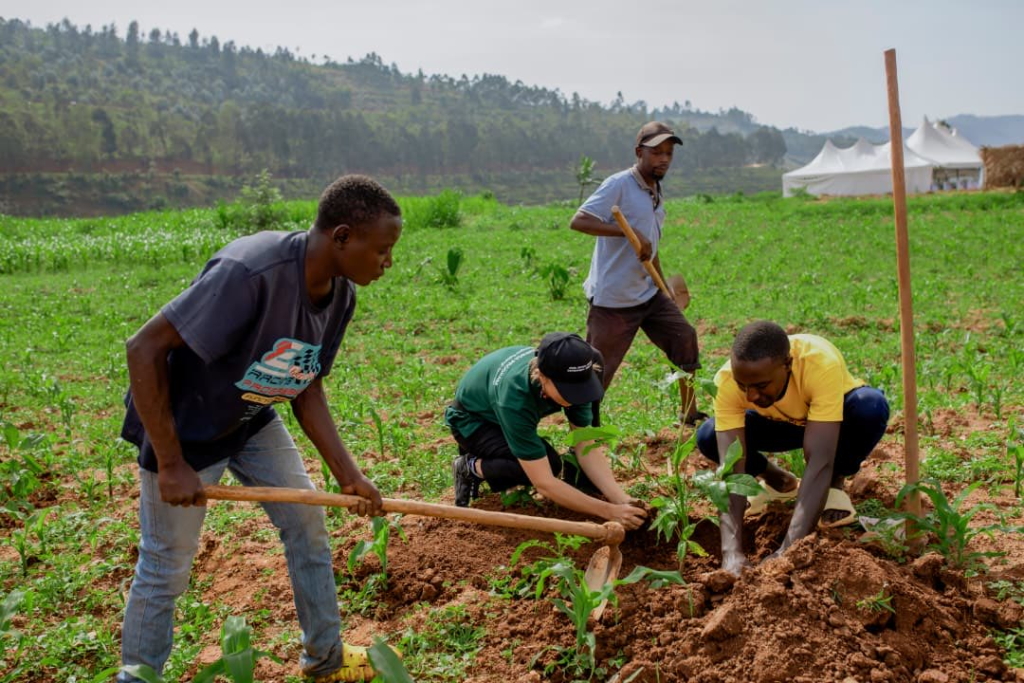
Backed by the Global Environment Facility and supported technically by the World Bank, the five-year project is part of a broader national push to promote sustainable land use and nature-based solutions under Rwanda’s Green Amayaga program.
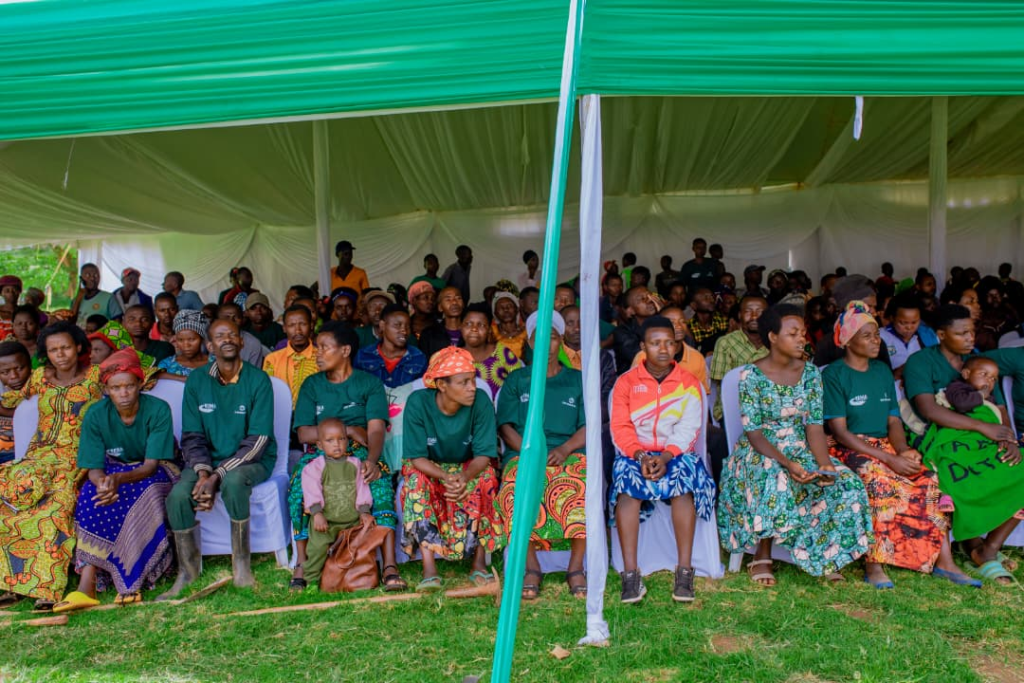
Officials say the project will focus on restoring forests, wetlands, and riverbanks across the districts of Nyanza, Ruhango, and Nyamagabe, areas where environmental degradation has increasingly threatened rural livelihoods. By rehabilitating these ecosystems, the government aims not only to stabilize fragile landscapes but also to shield communities from climate-related shocks.
“This is about scaling up what has worked,” said Juliette Kabera, director general of REMA, noting that the project builds on earlier restoration efforts while taking a more integrated approach.
“We are linking ecosystem recovery with livelihoods and climate resilience.”
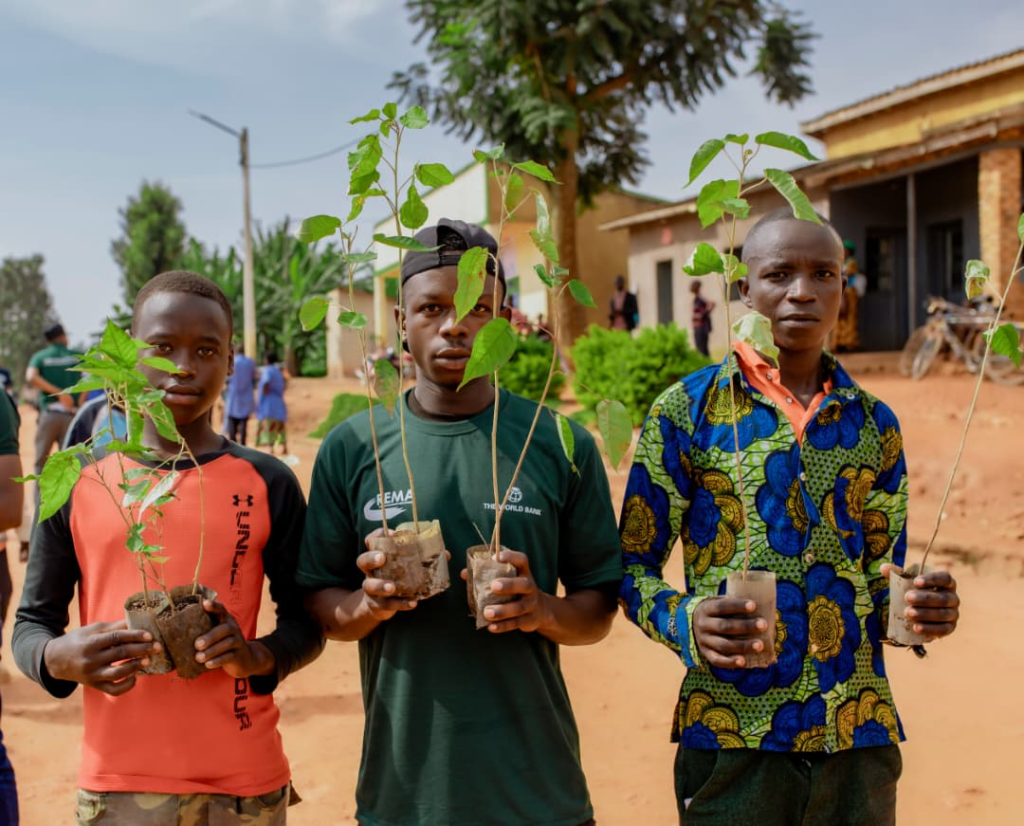
The program will promote agroforestry, reforestation, and sustainable land management practices while also encouraging community participation and supporting green jobs, particularly for young people and local enterprises.
Over the next five years, authorities expect the project to restore more than 2,100 hectares of degraded forests and wetlands and improve land management across nearly 9,000 hectares of productive landscapes. The project will directly benefit nearly 290,000 people, with women making up at least half of the beneficiaries.
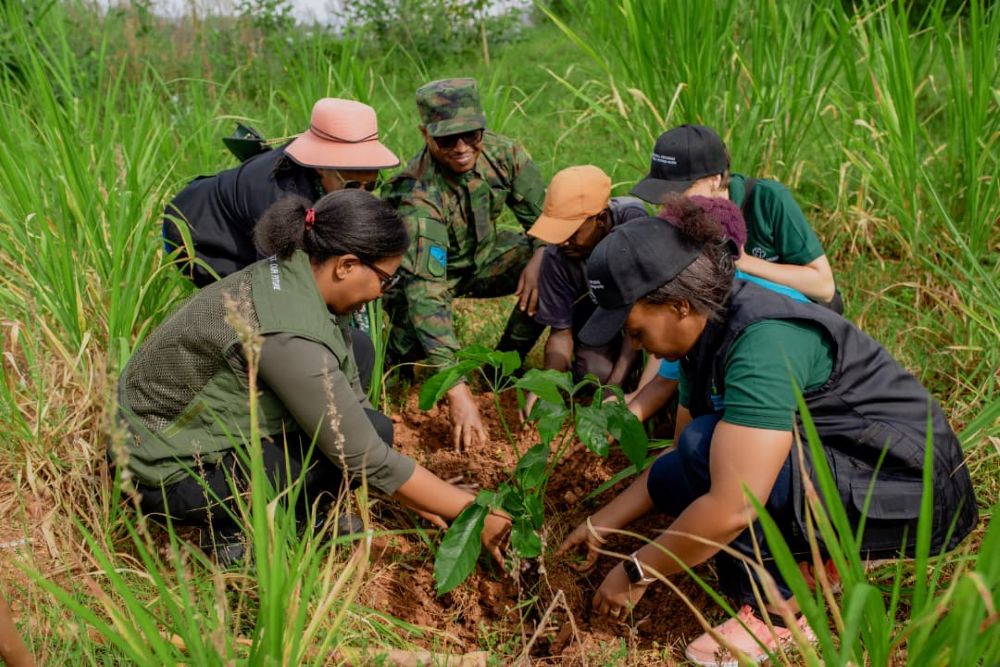
The corridor is closely linked to Nyungwe National Park, one of Central Africa’s most important biodiversity hotspots. Conservationists say protecting surrounding landscapes is critical to safeguarding the park’s ecosystems while supporting agricultural productivity in nearby communities.
The initiative also aligns with Rwanda’s long-term development targets, including Vision 2050 and its commitments under the Paris Agreement, reinforcing the country’s efforts to balance environmental protection with economic growth.
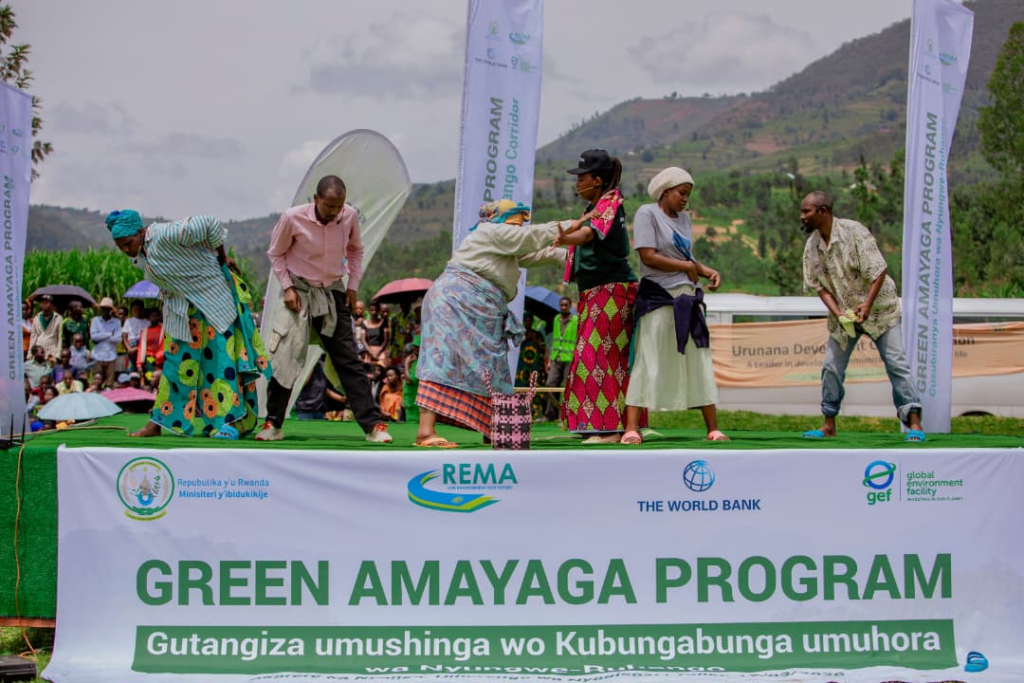
With climate risks intensifying across the region, officials say the project underscores Rwanda’s strategy of integrating conservation, climate action, and development, seeking to ensure that both ecosystems and communities can thrive.


