 0
0
 0
0
By Correspondent, Nairobi
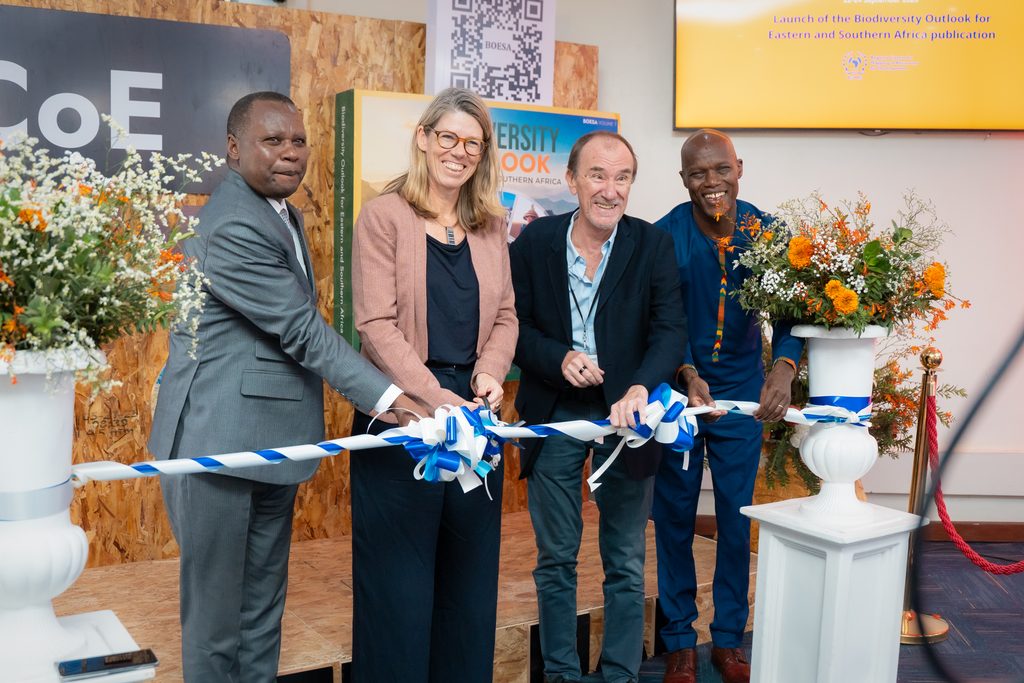
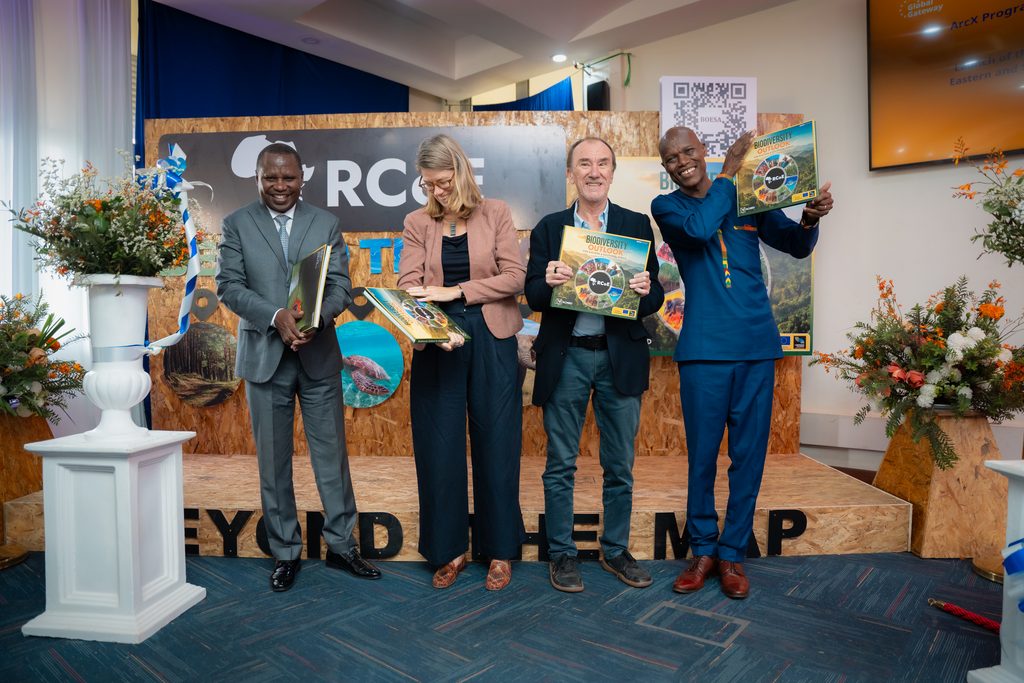
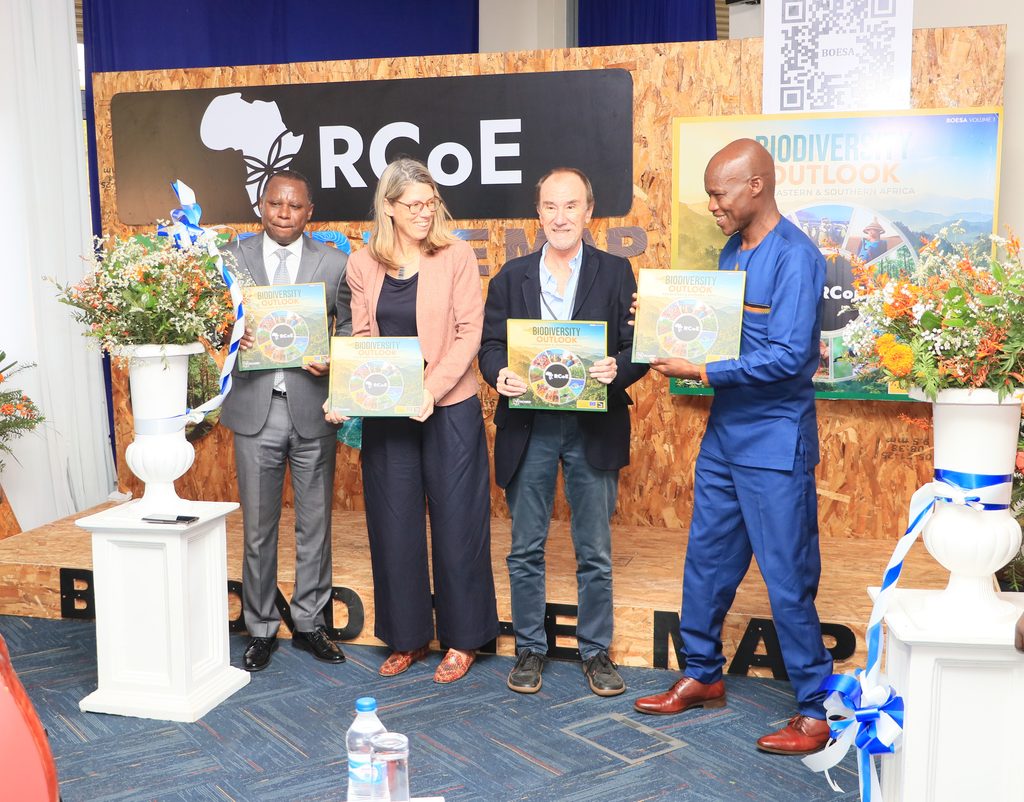
The Regional Centre for Mapping of Resources for Development (RCMRD), in collaboration with the European Union (EU), has launched the Biodiversity Outlook for Eastern & Southern Africa (BOESA), a regional knowledge resource aimed at improving access to biodiversity information and strengthening evidence-based conservation and policy action across the region.
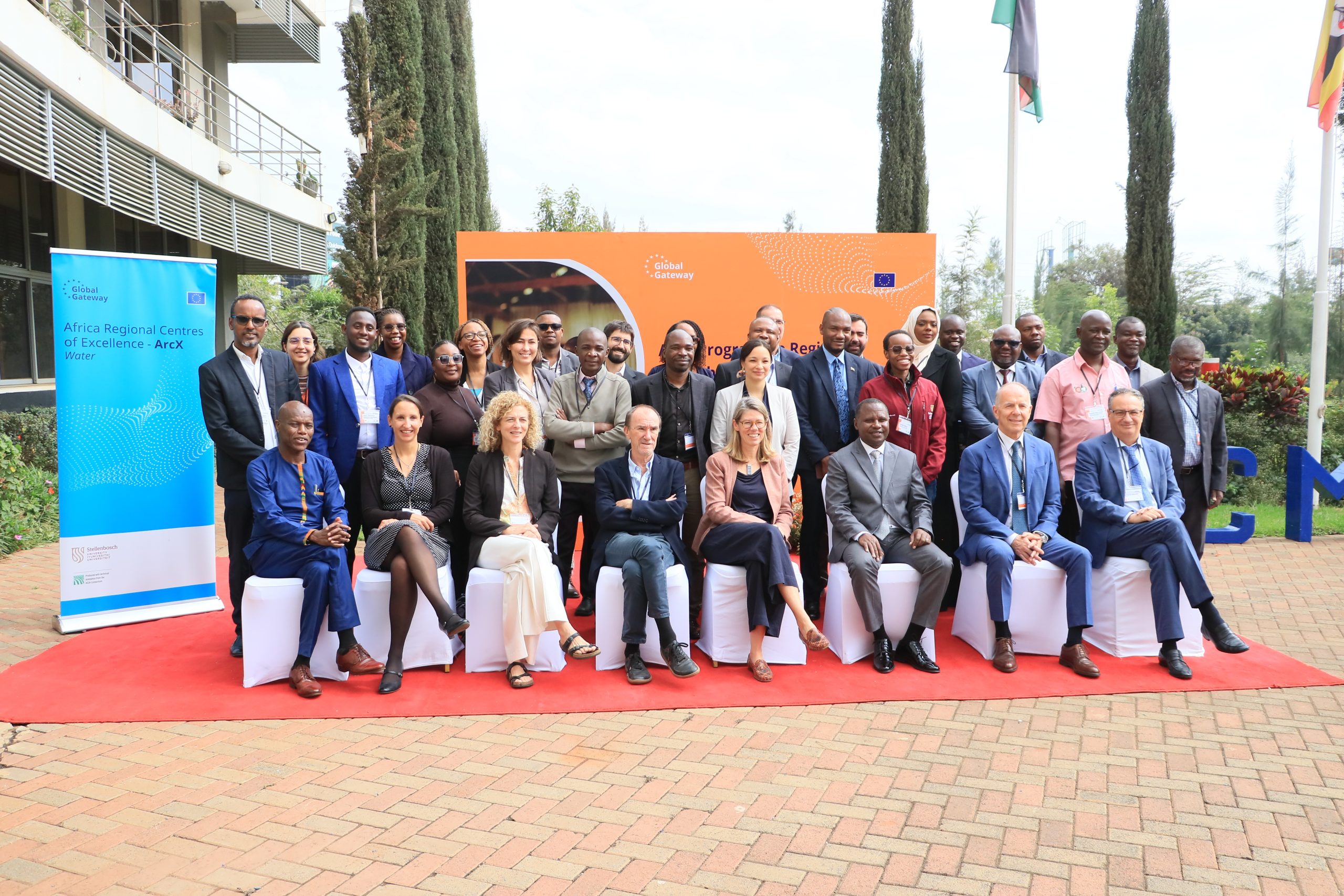
The publication was launched on Tuesday during the Regional Workshop on Integrated Landscape-Seascape Modelling for Climate Resilience Development in East Africa, taking place in Nairobi from 22 to 24 September 2026.
Covering 24 countries across Eastern and Southern Africa, BOESA brings together biodiversity information, regional perspectives, and practical experiences to provide a deeper understanding of the region’s biodiversity and the actions needed to conserve it.
The initiative comes at a critical time as countries across the region work towards achieving the 2030 targets of the Kunming-Montreal Global Biodiversity Framework (KMGBF).
Turning Biodiversity Data into Action
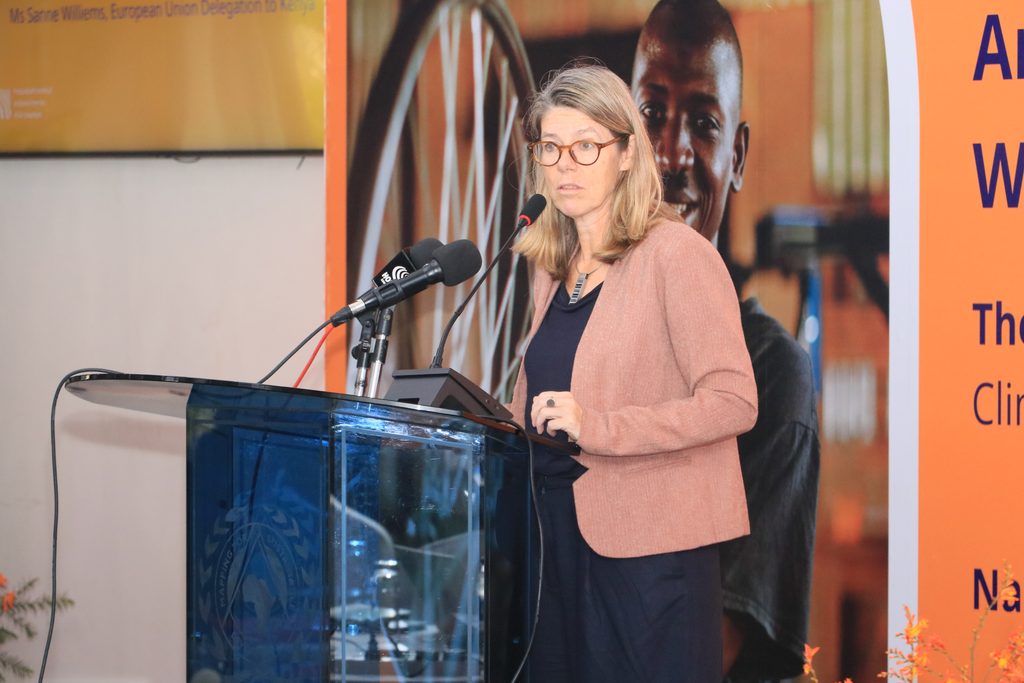
Speaking during the launch, Sanne Willems, Regional Partnerships at the Delegation of the European Union to Kenya, emphasized the importance of moving beyond data collection and ensuring that scientific knowledge is translated into policy and practical action.
“We have seen many programs over the years conduct incredibly valuable research, but we often lack the next step of translating it into policy and, therefore, into action. Collecting data is not enough.”
Willems said the initiative seeks to make biodiversity information more accessible to young people and decision-makers while strengthening the capacity of countries to take action based on the information collected.
The emphasis on accessible, credible, and locally relevant information is particularly important as countries seek to translate global biodiversity commitments into practical conservation measures at national and regional levels.
Supporting Evidence-Based Conservation
The BOESA publication brings together biodiversity knowledge, regional perspectives, and practical experiences to support policymakers, conservation practitioners, researchers, development partners, and communities.
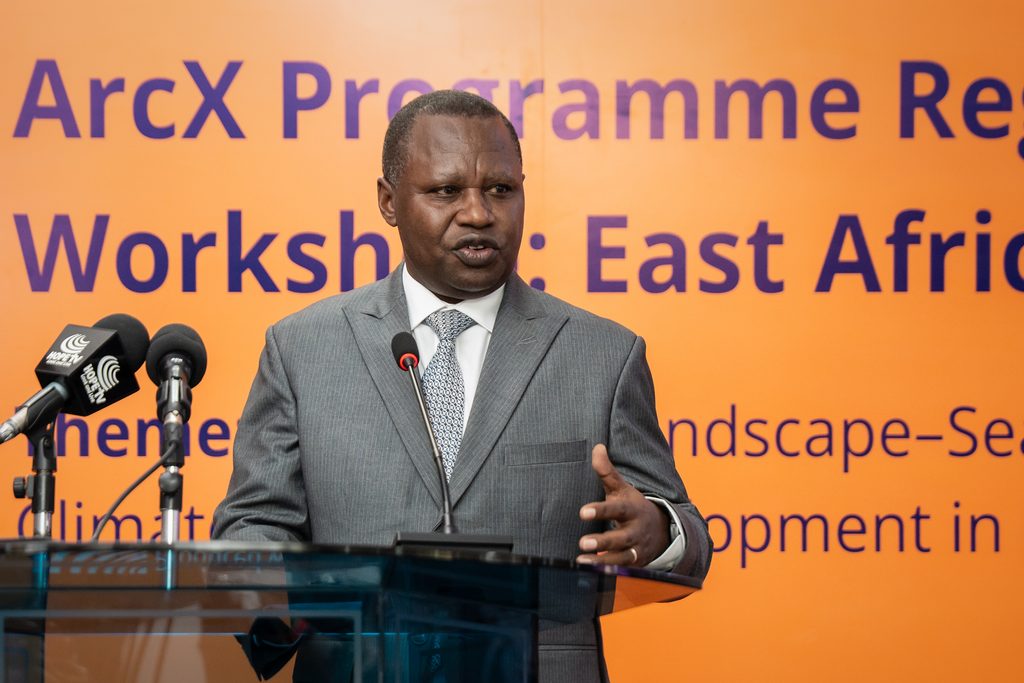
Speaking at the launch, Dr. Emmanuel Nkurunziza, Director General of RCMRD, said the initiative demonstrates the importance of bringing together data, knowledge, and regional experience to support informed decision-making.
“BOESA reflects the importance of bringing together data, knowledge, and regional experiences to support informed decisions for biodiversity conservation.”
He added that making biodiversity information more accessible would help stakeholders across the region advance nature-positive action.
The publication also highlights the importance of regional collaboration in addressing environmental challenges that extend beyond national borders. Biodiversity conservation, climate change, landscape management, and sustainable development increasingly require countries and institutions to share knowledge and coordinate their efforts.
Supporting the 2030 Biodiversity Agenda
The launch comes ahead of the 17th Conference of the Parties to the Convention on Biological Diversity (COP17), scheduled to take place from 19 to 30 October 2026 in Yerevan, Armenia.
COP17 will feature the first global review of collective progress in implementing the Kunming-Montreal Global Biodiversity Framework. In this context, regional knowledge resources such as BOESA can serve as important references for understanding progress, identifying gaps, and strengthening action for nature.
By bringing together regional biodiversity information in an accessible format, BOESA seeks to strengthen the connection between knowledge, policy, and action.
Harnessing Geospatial Technology for Biodiversity Conservation
Developed under the RCoE-ESA initiative, the publication reinforces RCMRD’s commitment to applying geospatial information, Earth observation and knowledge-sharing to address environmental challenges and support sustainable development.
Geospatial technologies and Earth observation can support the understanding and monitoring of landscapes, ecosystems, and environmental changes, providing information that can contribute to improved planning and decision-making.
As countries intensify efforts to meet the 2030 biodiversity targets, BOESA provides a platform for shared learning, regional visibility, and stronger collaboration towards a nature-positive future.
The BOESA publication and digital flip reader are available through the BOESA website: Explore the BOESA website.