 0
0
 0
0
By Christophe Uwizeyimana
In Rwanda, as in many countries worldwide, some women engage in sex work either openly or secretly to survive the hardships life has imposed on them. Among these women are young mothers who bring their infants to work with them, often during cold, dangerous nights. These children endure neglect, hunger, exposure to disease-carrying mosquitoes, and malnutrition due to lack of proper care.
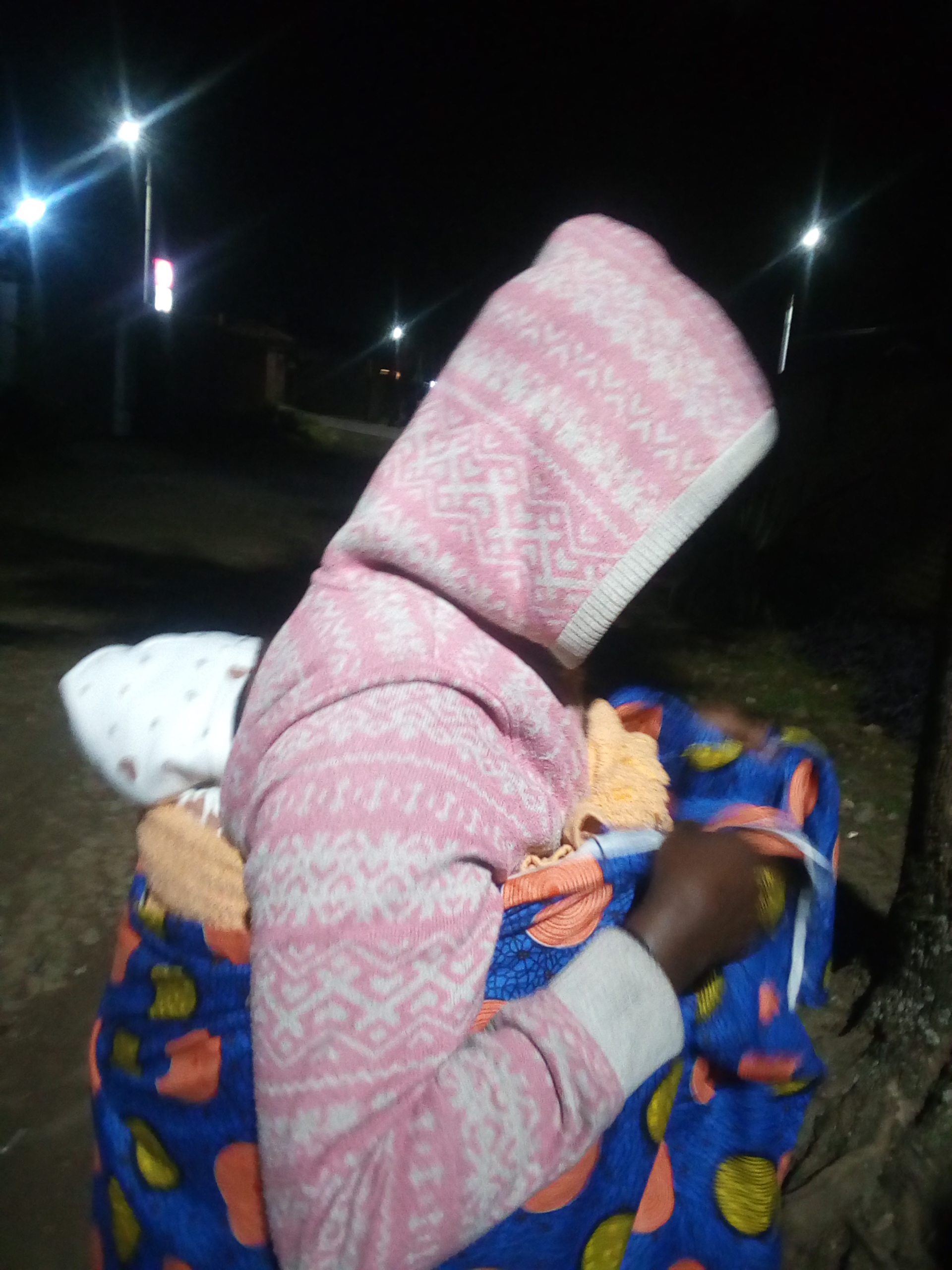
IMANIZABAYO Ange, a sex worker in Musanze district of Northern province of Rwanda, shared her story one cold night at 2:00 am, cradling her three-month-old baby. “My husband and I separated; life became unbearable. I lost my job and had no choice but to turn to sex work to survive. At times, the coldness and the mosquitoes attack my baby, where I work, but I have no other option,” she said. She fears for her child’s health, often waking up with worries about serious illnesses but feels trapped. “If I had a stable income, I would leave this life immediately and care for my child properly.”
Similarly, Aline from Gisagara district of Southern province of the country, works in Huye city while raising a young child of six months. Her husband left her and then after lost parental support, and turned to sex work out of desperation to provide for her children. “My life is painful, dragging this little one with me,” she said, hoping for someone to help her out of this cycle.
Stories like theirs are not isolated. Research led by Professor Mukeshimana Madeleine at the University of Rwanda highlights a disturbing reality: children born to sex workers suffer immensely. Many drop out of school and fall into sex work themselves, contracting incurable diseases like HIV/AIDS or becoming pregnant early. These children often face stigma from their communities and families, feeling ashamed of their parents’ profession.
Shockingly, some children from 13 report being sexually exploited by their mothers’ clients in secret. Others are coerced into sex work by their own parents in teenage, told it is their only means of survival.
These children suffer from chronic malnutrition, exposure to violence, and psychological trauma, living in a world where abuse is normalized. Many lack access to education and healthcare, further perpetuating the cycle of poverty and exploitation.
In the year 2022, around 7,000 women and girls engaged in sex work were recorded in Kigali City. 10 before, the number of sex workers on national level was estimated at 15,792. As of 2025, about 35% of women sex workers are living with HIV and other diseases, according to Rwanda’s Ministry of Health.
The United Nations Children’s Fund (UNICEF) and Rwanda’s National Commission for Children (NCC) emphasize that these children have the same rights as all children to protection, care, and equal opportunities. They call on government agencies and NGOs to provide accessible education, healthcare, nutritional support, and safe housing when parental care is insufficient. Programs must prioritize these vulnerable children, recognizing their high risk of neglect and abuse.
Sex work in Rwanda is primarily driven by extreme poverty, unemployment, school dropout, unwanted pregnancies, family conflicts, and social marginalization. These factors trap many women and their children in a hazardous lifestyle.
According to the World Health Organization (WHO), UNAIDS, and the International Labour Organization (ILO), between 40-42 million of women worldwide engage in sex work, many with children facing similar challenges. UNAIDS estimates that 35% of sex workers in Rwanda are HIV positive, underscoring the health risks involved.
International organizations recommend empowering these women through access to healthcare, education, vocational training, and social services to save them and their children. Exit strategies to transition out of sex work and secure safe environments for their children are vital.
In Rwanda, government ministries like MIGEPROF and agencies such as UNICEF and NCC are called upon to strengthenchildren born to Sex Workers protection mechanisms and provide holistic support to these families. This includes psychological counseling, nutrition programs, and inclusive education initiatives.
This story is not just about survival, it is about restoring dignity, hope, and opportunity to children born into the shadows of society’s harshest realities. The world must listen, act, and protect these vulnerable children, ensuring that no child’s future is limited by the circumstances of their birth.
Photos:
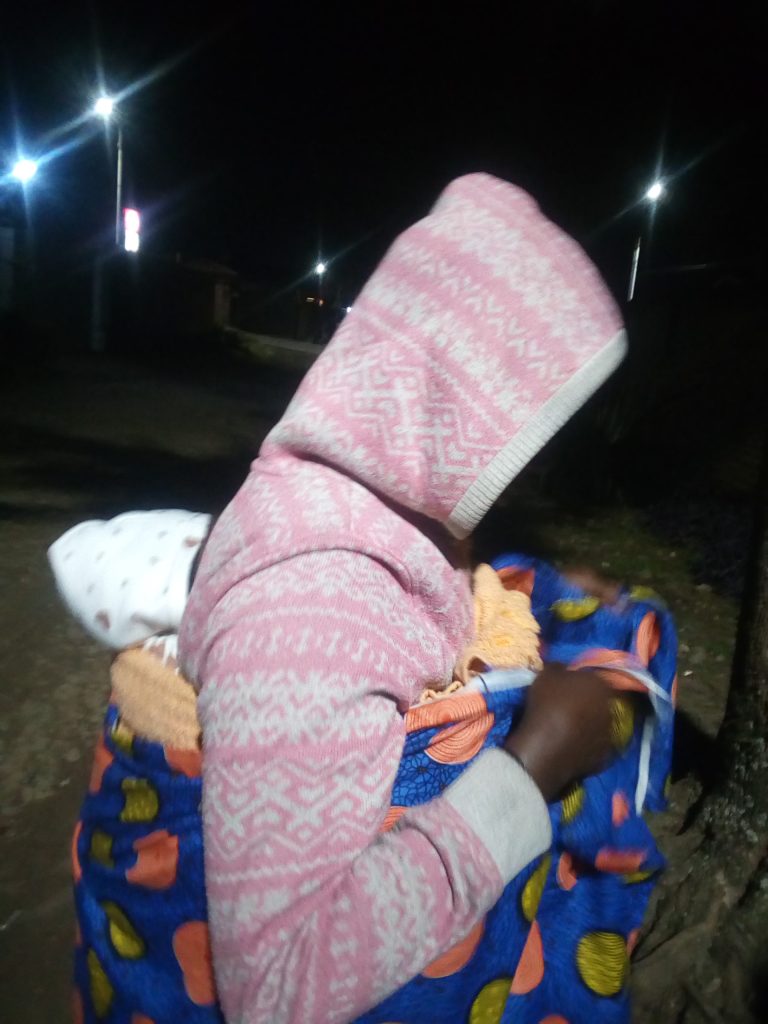
Photo: Imanizabayo cradling her three-month-old baby at 2:00 a.m in Musanze city [by Christophe U.]
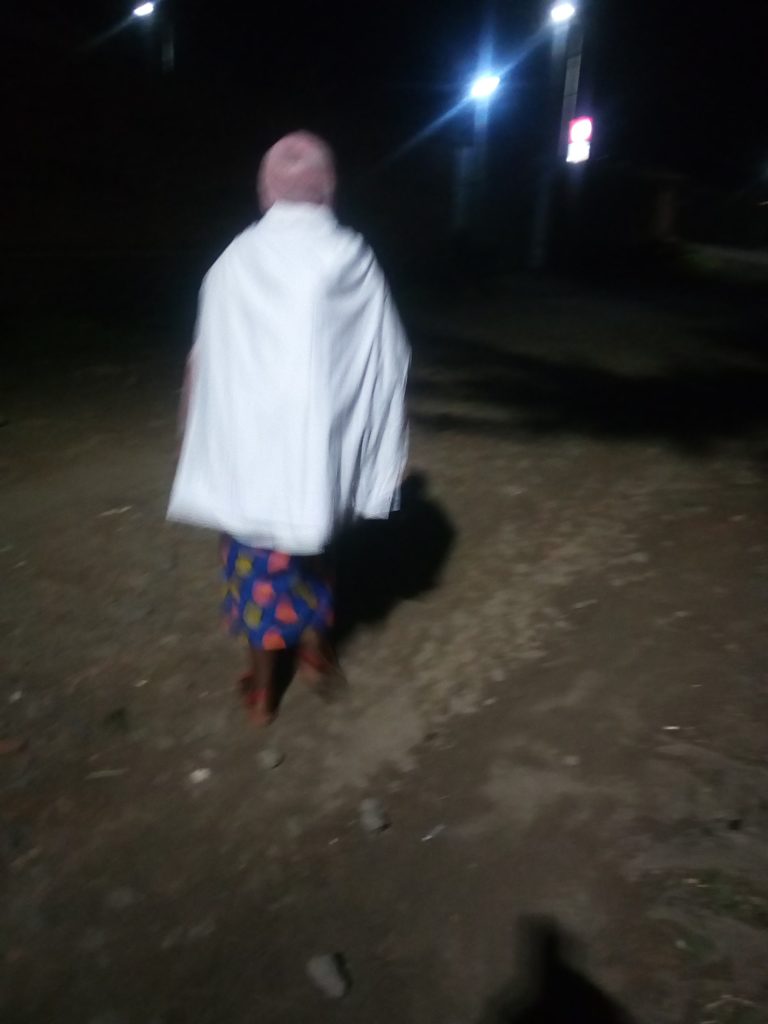
Photo: Imanizabayo waiting and searching for a client in dark area in Musanze city [by Christophe U.]
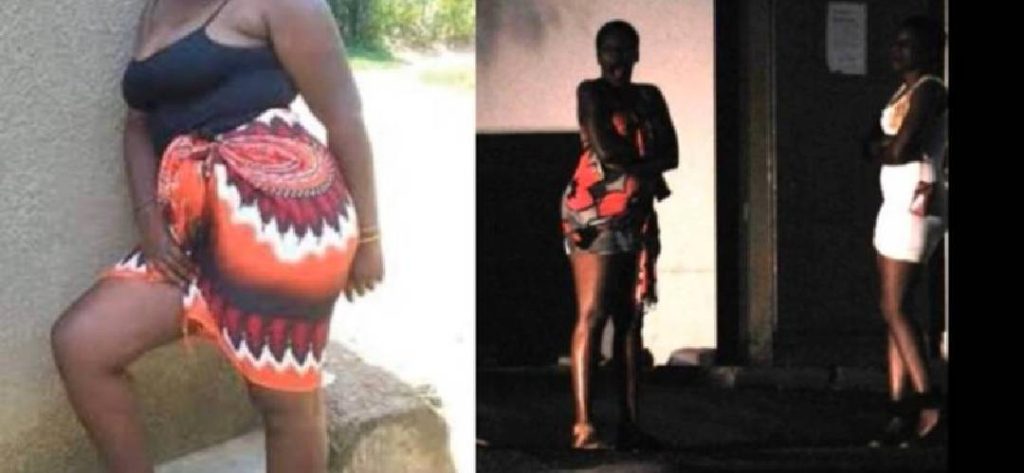
Photo: Some women engage in sex work either openly or secretly to survive the hardships life has imposed on them. Their children suffer a lot.


