 0
0
 0
0
By Annonciata Byukusenge
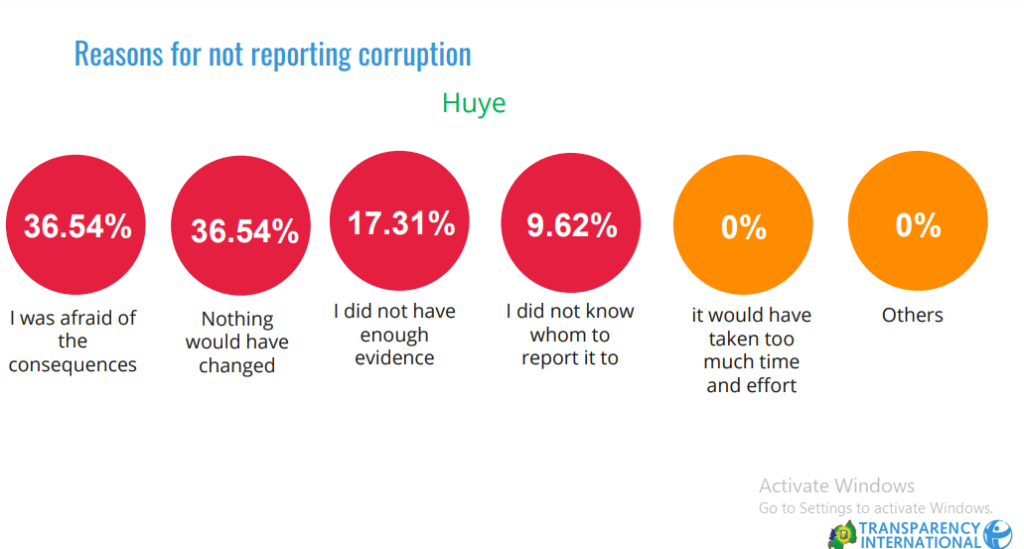
Residents across various sectors of Huye District say they hesitate to report corruption for different reasons, chief among them the fear that speaking up could put their personal safety at risk.
“Reporting corruption is no easy thing. Some officials, once they find out who reported them, turn around and harass that person. They don’t want their wrongdoing exposed, so people feel that staying quiet is simply the safer choice,” said Nyiraminani Claudine, a resident of the Huye sector.
She adds that although a law exists to protect whistleblowers, some officials disregard it entirely, going so far as to fabricate charges against the very people who came forward, turning reporters into targets.
A neighbor of hers echoed the sentiment, pointing to real cases where people who reported corruption later found themselves in unsafe situations.
“Some people have tried to speak up, but once it got out, things turned dangerous for them because they’d essentially exposed the misconduct of certain officials. So rather than put yourself in a vulnerable position, you stay silent. And if getting a service requires paying something under the table, you pay it, even when that service should be free.” Said Habineza, a resident of the Rusatira sector.
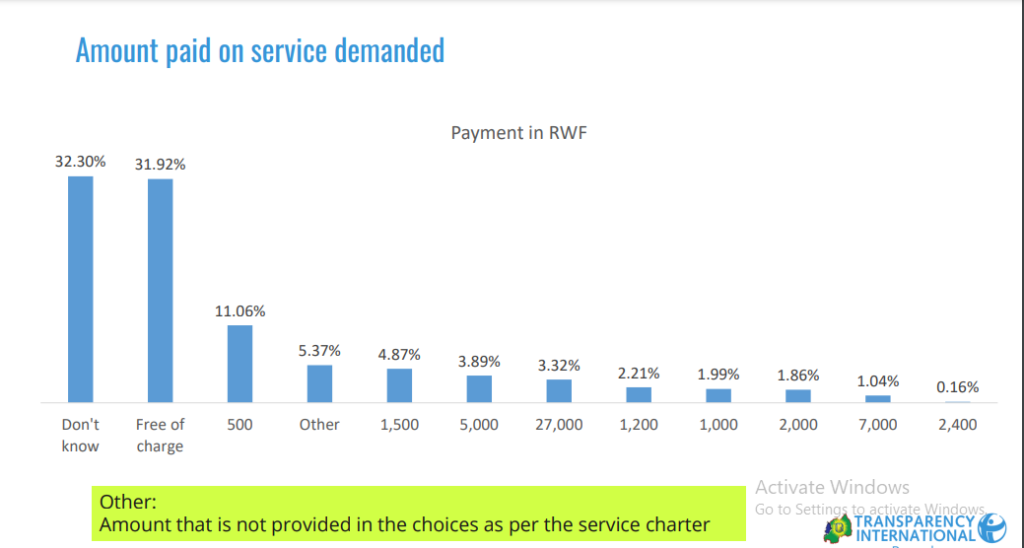
These personal worries align with findings from research conducted by Transparency International Rwanda, an independent civil society organization focused on fighting corruption and injustice. The study was designed to assess how residents access public services at the public level, how long the process takes, why some people are turned away, and the overall state of corruption in local service delivery.
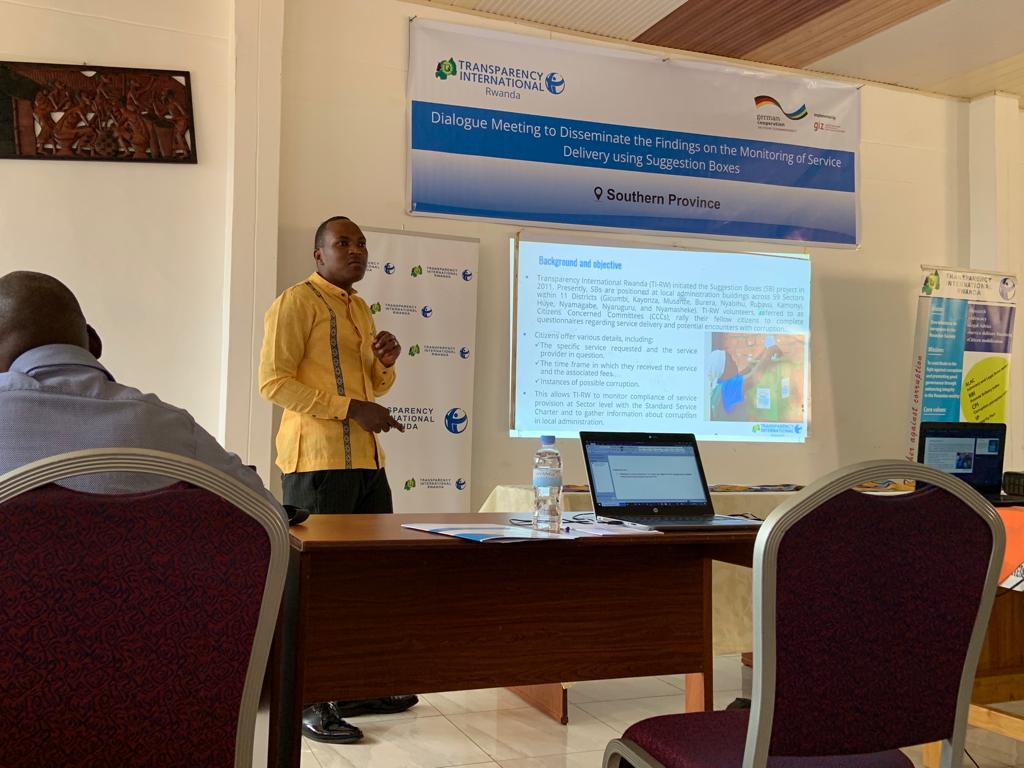
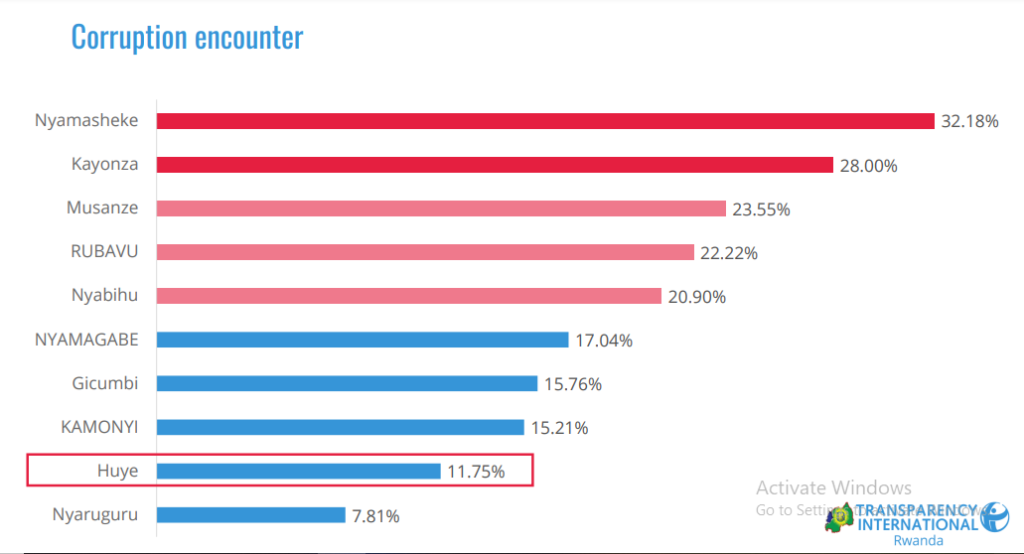
The research was carried out across 59 sectors in 11 districts: Gicumbi, Kayonza, Musanze, Burera, Nyabihu, Rubavu, Kamonyi, Huye, Nyamagabe, Nyaruguru, and Nyamasheke.
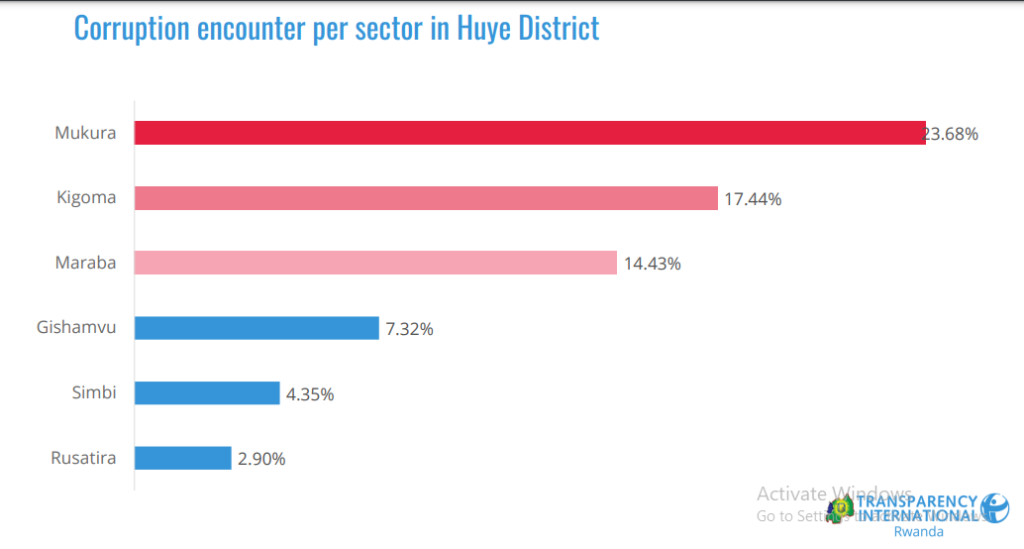
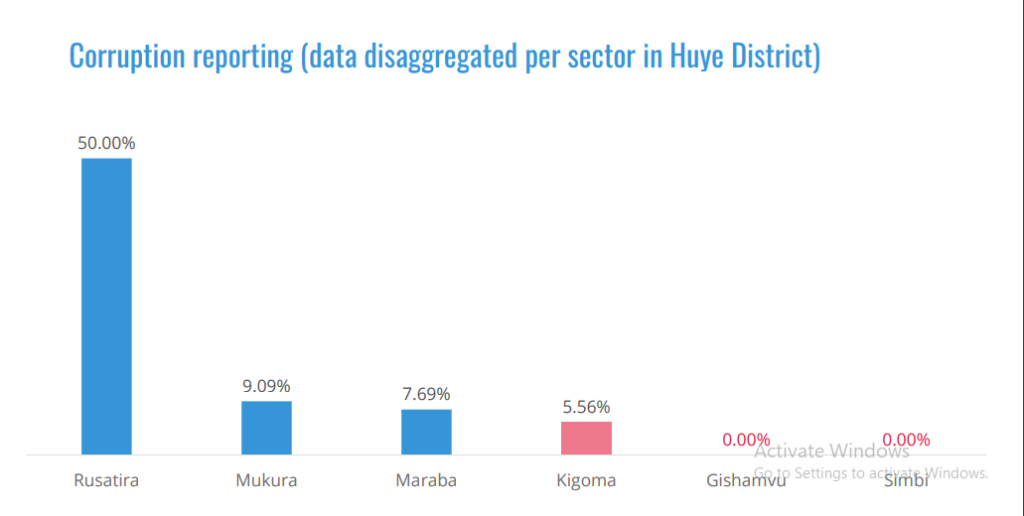
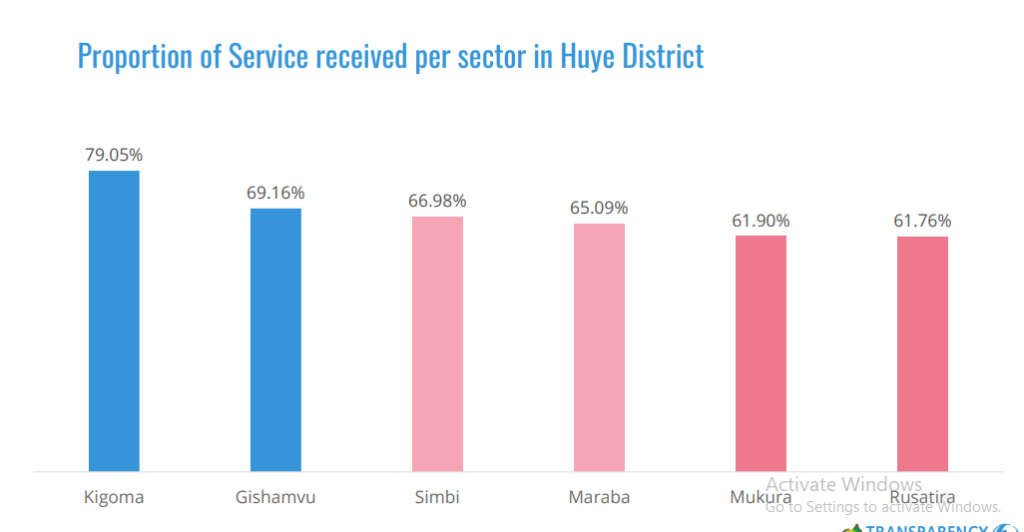
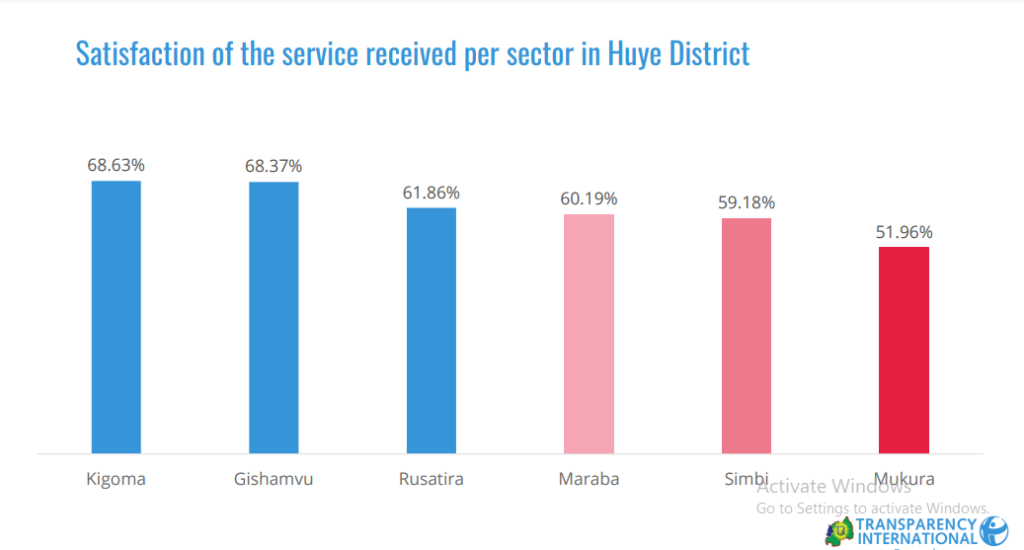
A total of 5,779 residents participated in the research nationwide. In Huye district specifically, roughly 10.92% of respondents were surveyed, drawn from six sectors: Gishamvu, Mukura, Rusatira, Kigoma, Simbi, and Maraba.
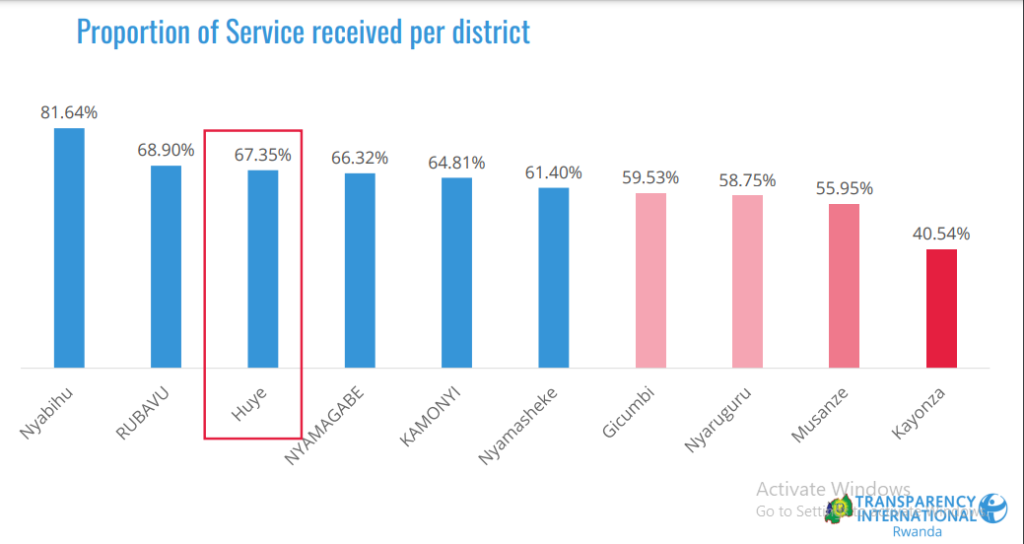
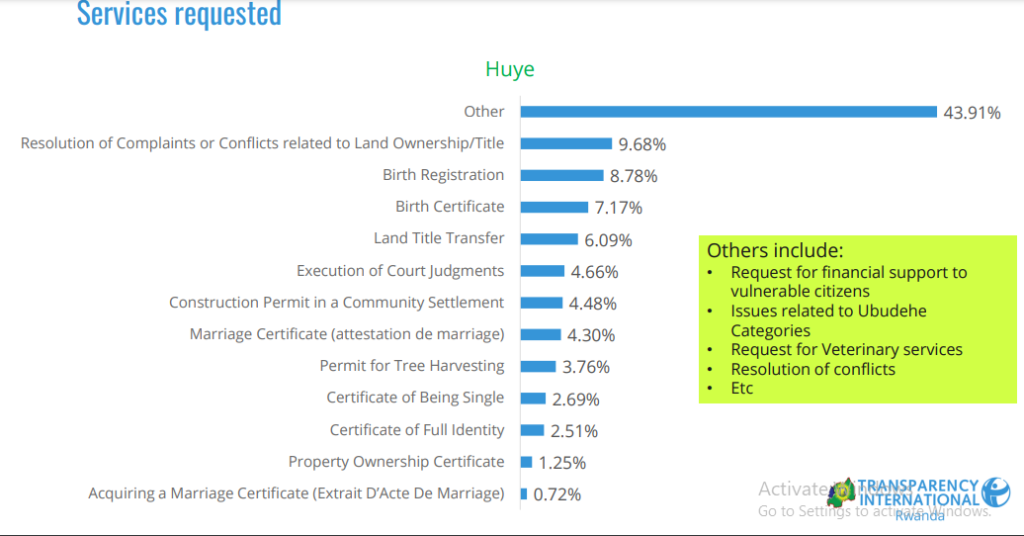
Among the services residents most commonly seek at the local level, civil registration, land matters, construction permits, and identification documents topped the list.
The corruption gap in Huye district
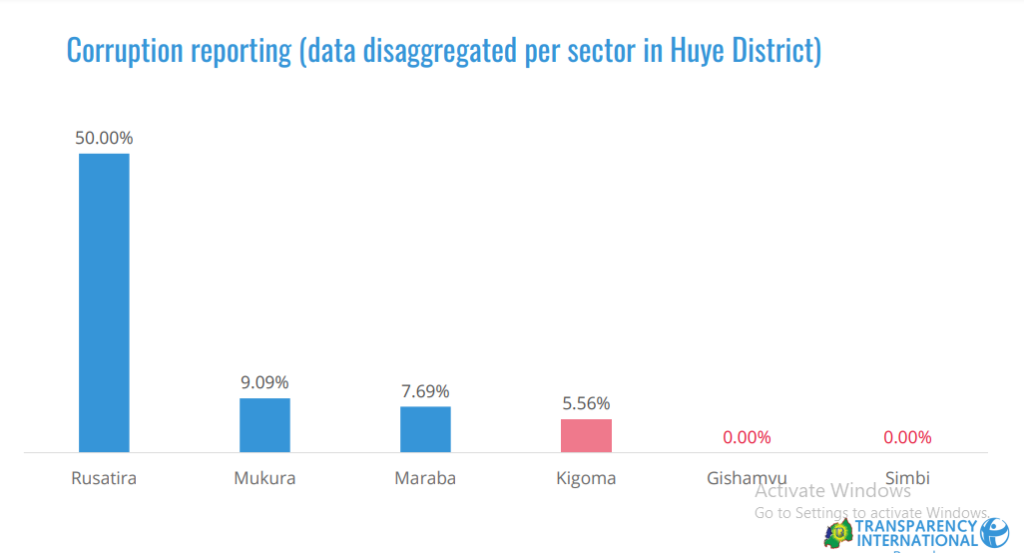
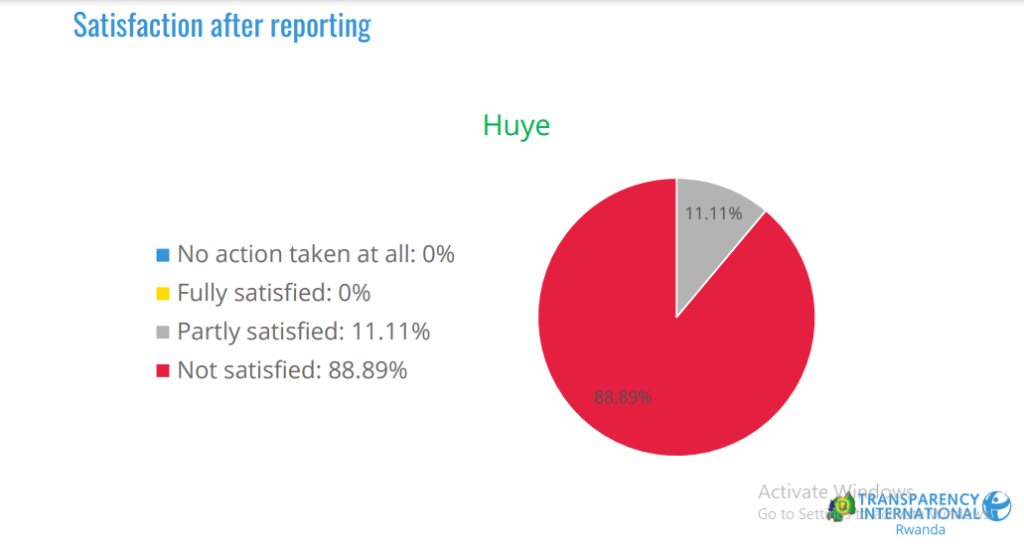
Across the six sectors surveyed in Huye, 11.75% of respondents said that they had been asked to pay a bribe in exchange for a service. Of those, 7.81% formally reported the incident, while the rest said nothing.
Types of bribes demanded
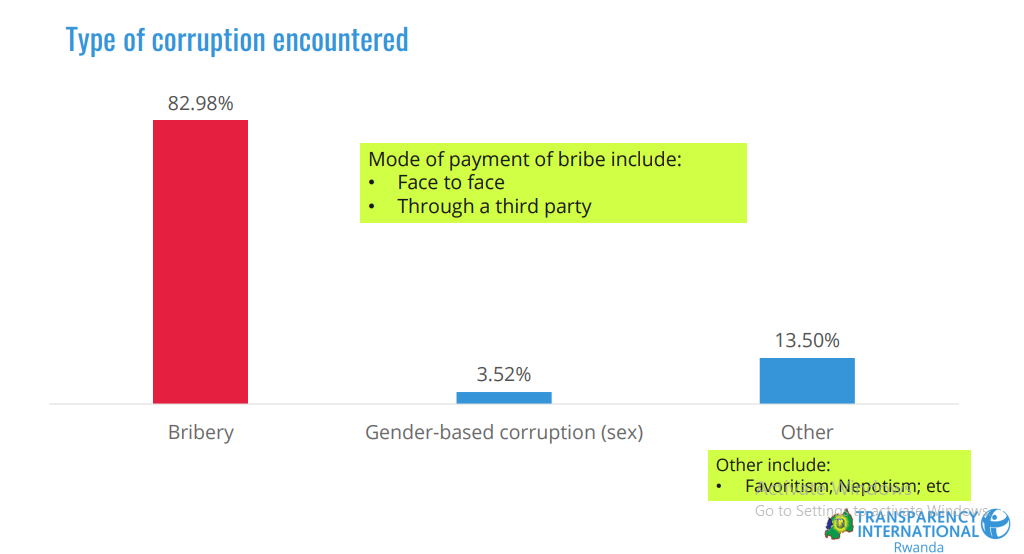
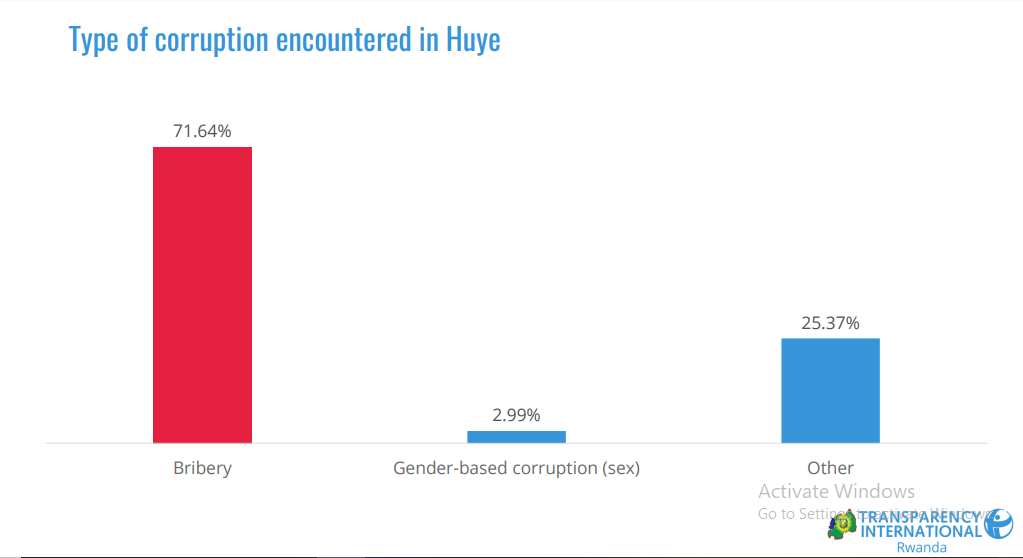
Respondents identified cash bribes as by far the most common form of corruption, cited by 71.64% of those who had been approached. Sexual bribes accounted for 2.99% of cases, while 25.37% reported being asked for other, unspecified forms of payment.
Why don’t people report?
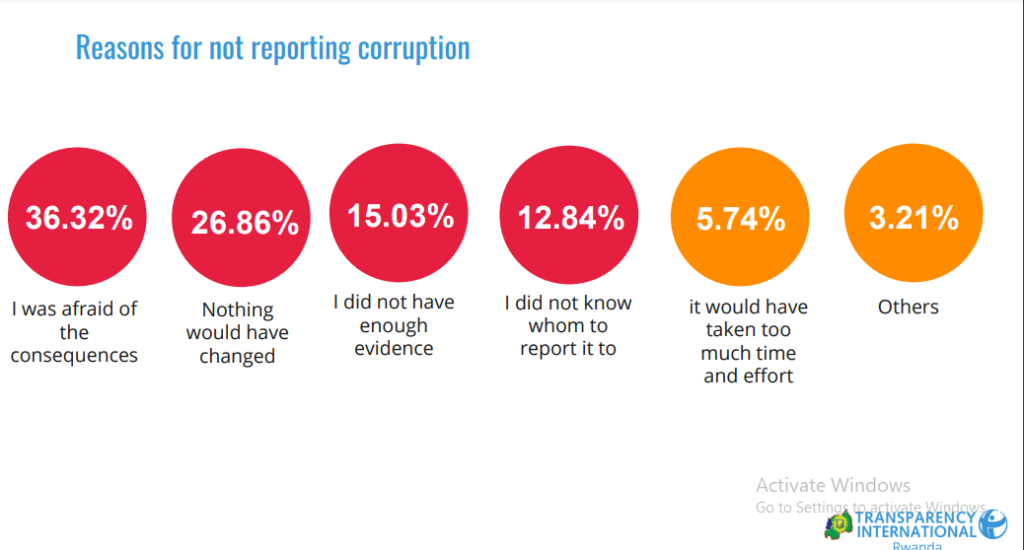
When asked why they chose not to report corruption, the responses painted a clear picture:
- 36.32% cited fear, specifically, concern for their personal safety or worry about other consequences they might face after reporting
- 26.86% felt there was nothing they could do to change the situation
- 15.03% said they lacked sufficient evidence to make a report
- 12.84% didn’t know where to go to report corruption
- 5.74% said the process was too time-consuming and they simply couldn’t spare the effort
- 3.21% gave other reasons not captured in the above categories.
Alain Sano, an official at Transparency International, said that fighting corruption is a journey because people have different ways of understanding.
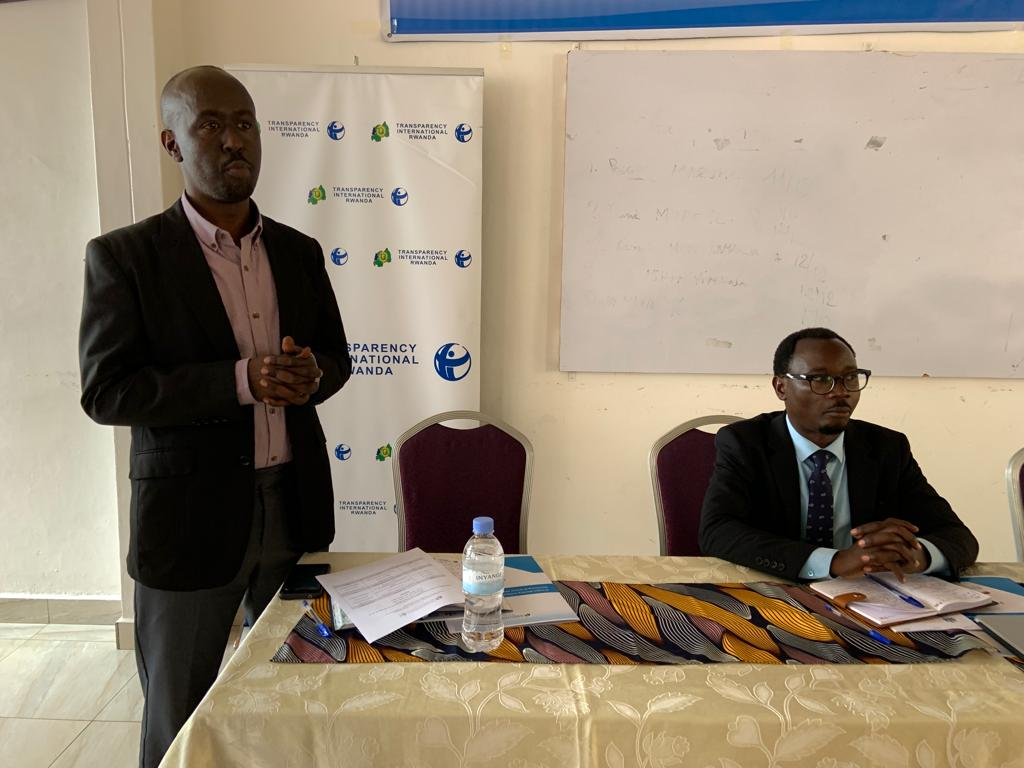
We stand for anti-corruption. There is no tolerance for corruption. You know, some authorities are now in prison because they have been convicted by the courts of corruption. “Corruption is a crime that never expires and is punishable by law. I need to remind them that both the giver and the receiver of corruption are punished. However, the person who provides information on corruption is kept confidential, and his/her safety is guaranteed. Provide information on corruption so that we can eradicate it. And you, leaders, provide services without asking those you lead to bribe.”
The research was officially launched on Wednesday, November 1, 2023, in Huye District. The officials attended the presentation, including the executive secretary of the Southern Province, the good governance officer for Huye District, the infrastructure officer, district-level security agencies, including the Rwanda National Police and the Rwanda Investigation Bureau, sector-level client service officers from the surveyed areas, and other district stakeholders.