 0
0
 0
0
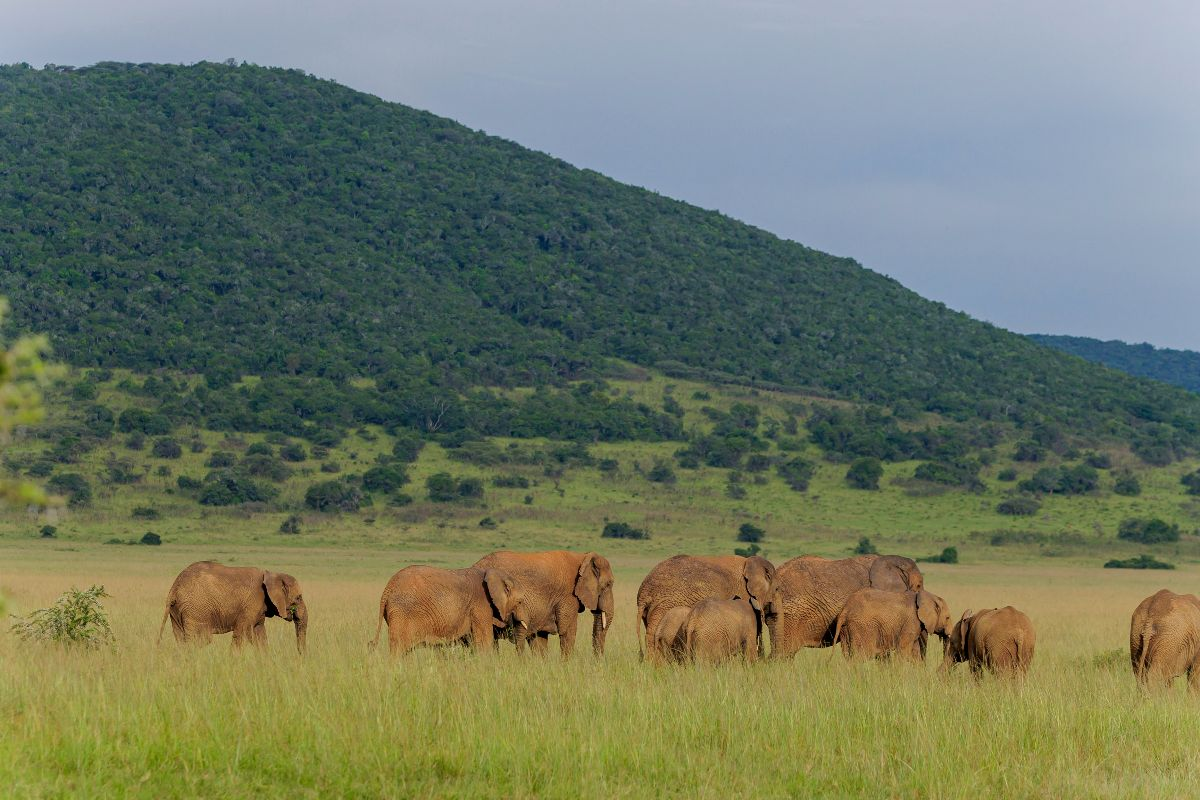
The Akagera National Park Q1 report confirmed that the park generated over US$1,337,000 in tourism and commercial revenue, representing an 8% increase during January–March 2026, compared to the same period in 2025, and welcomed more than 11,700 visitors, with a significant proportion being Rwandan nationals.
This growth reflects increased visibility of the park, supported by the feature in National Geographic among the world’s top 25 must-visit destinations in 2026, the opening of the Wilderness Magashi Peninsula, RDB/Visit Rwanda marketing efforts, and continued collaboration with local and international media.
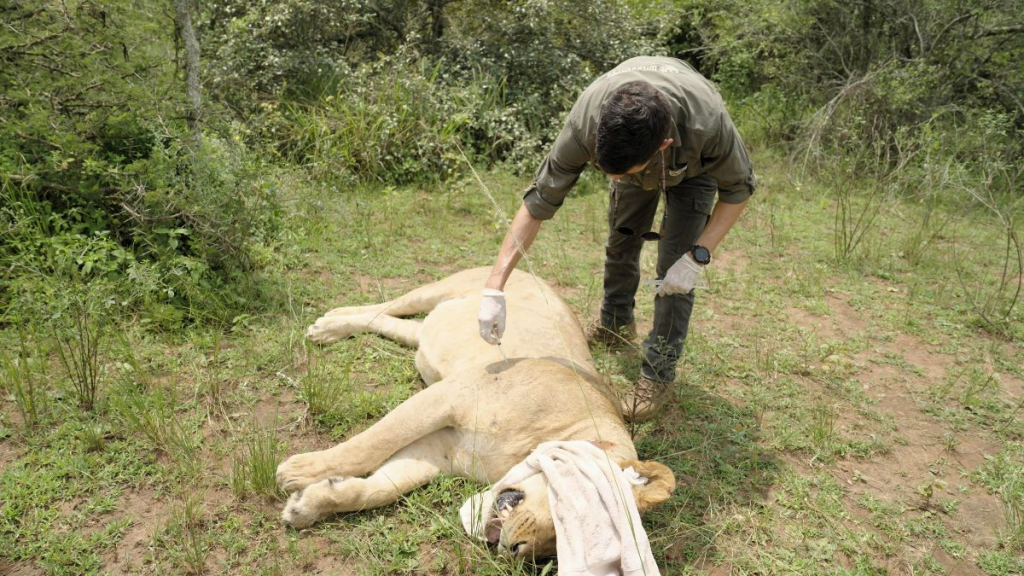
Collaring, darting, and lion contraception
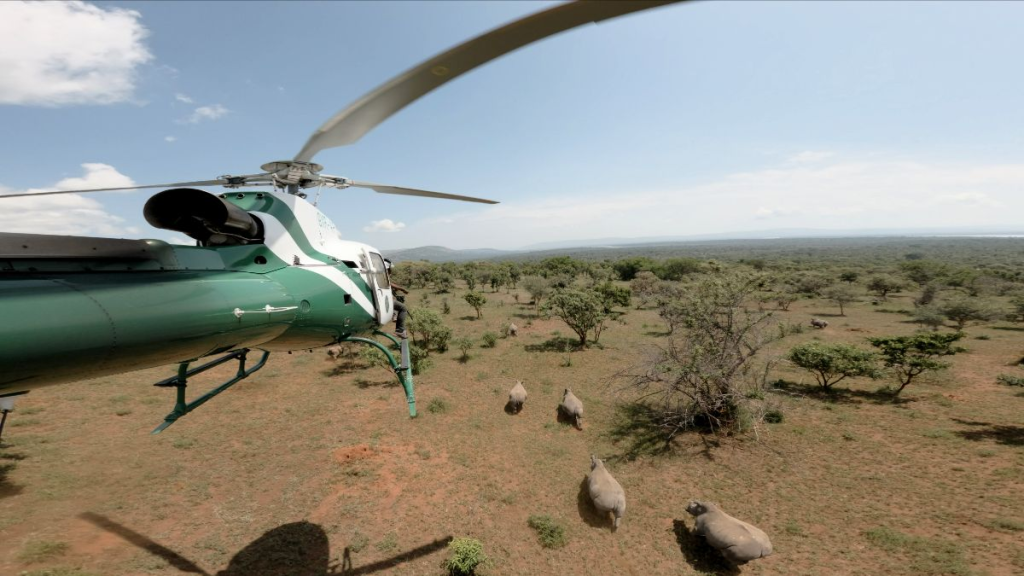
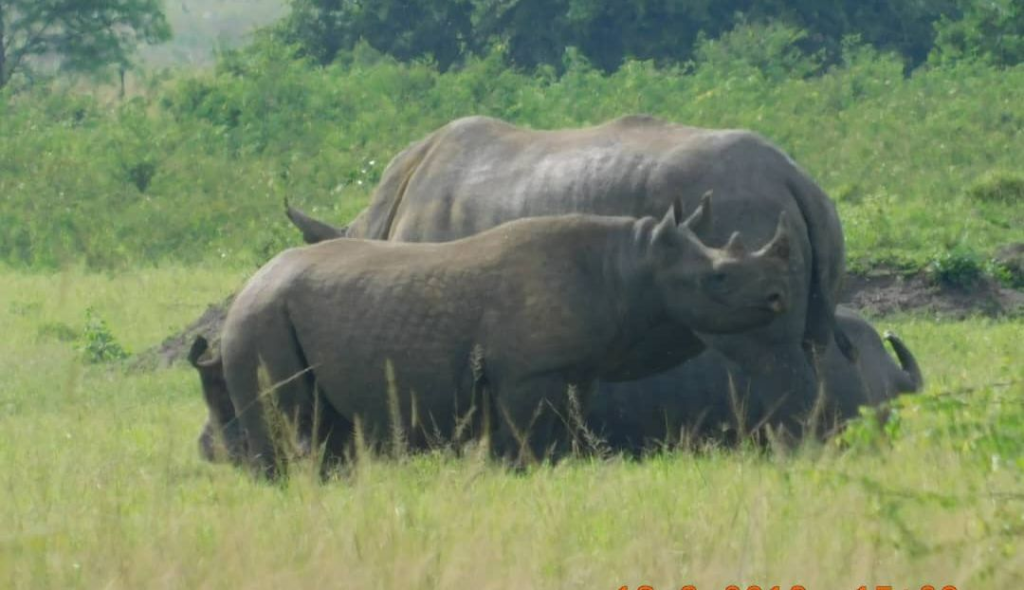
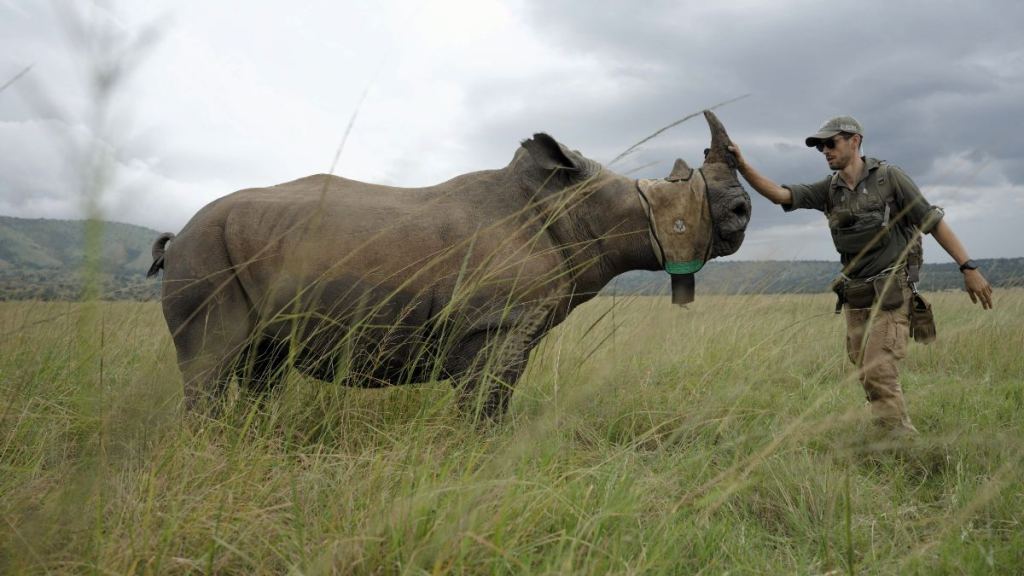
This February, our teams successfully fitted GPS collars to three lions and one elephant, while 17 white rhinos and eight black rhinos received in-horn VHF transmitters. In addition, 5 lionesses were contracepted as part of ongoing lion management efforts. Darting eight black rhinos during these operations was an incredible achievement, surpassing last year’s seven.
This exercise is a vital component of our biodiversity conservation efforts, contributing to the effective monitoring of these species and enhancing security for key species across Akagera.
Security
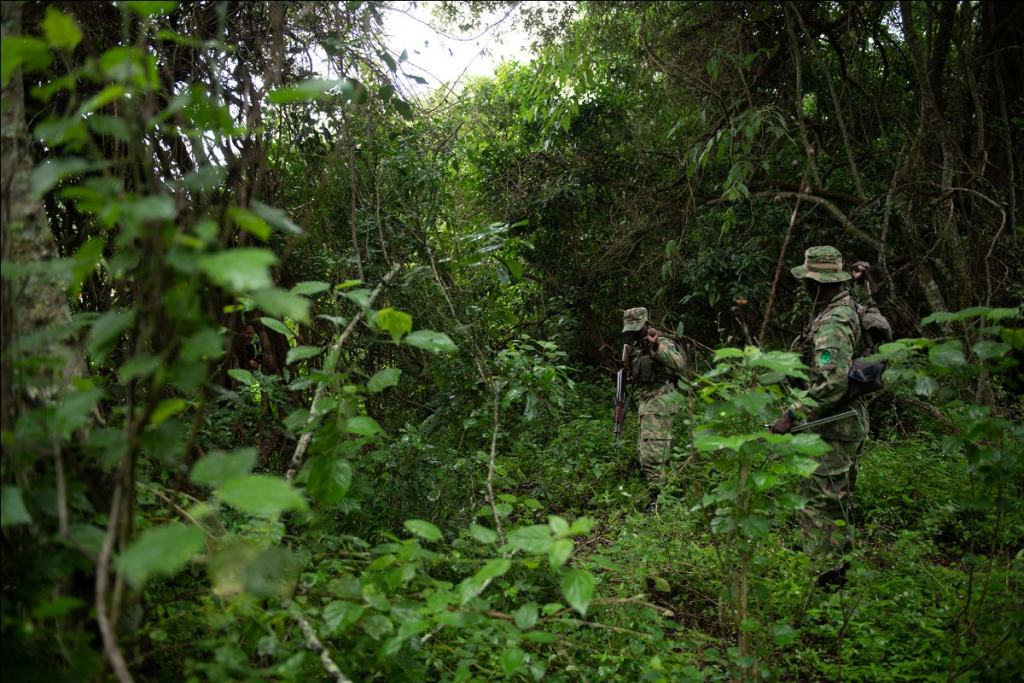
Across the last quarter, the Conservation Law Enforcement team logged 4,985 field days, completing 1,570 patrols over 35,271 kilometers. These efforts led to 7 arrests and the recovery of 23 wire snares. Akagera rhino tracking teams observed white rhinos on 2,563 occasions, while black rhinos were observed on 363 occasions.
Environmental education
Our environmental education initiatives impacted more than 22,500 individuals through a variety of programs, including conservation meetings, eco-club sessions in schools, Village Environment Ambassador outreach, environmental storytelling, anti-poaching campaigns, and educational park visits for both adults and children. This year, we launched the Abundelo project as a significant addition to our educational offerings. The Abundelo project, in partnership with African Parks, introduces digital learning for environmental education across the African Parks portfolio, including Rwanda’s parks, to deepen local communities’ understanding of conservation.
Community economic impact
Between January and March 2026, community enterprises around Akagera National Park generated US$168,226.83 in revenue across a range of conservation-linked livelihoods, including fishing (US$59,770); beekeeping (US$17,309); community center enterprises such as handicrafts, poultry, and accommodation (US$16,998.83); community freelance guides (US$31,922); and builders’ cooperatives and casual labor (US$42,227). We allocated an additional US$158,277 to local communities through park procurement. These benefits reach over 2,900 cooperative members, who also receive business management training to ensure the long-term sustainability of their enterprises. As part of this commitment, mushroom groups conducted study visits to MIRU Mushrooms in Kigali and the Terimbere Nyungwe Cooperative to strengthen skills in oyster mushroom cultivation, post-harvest handling, and basic marketing through peer-to-peer learning.
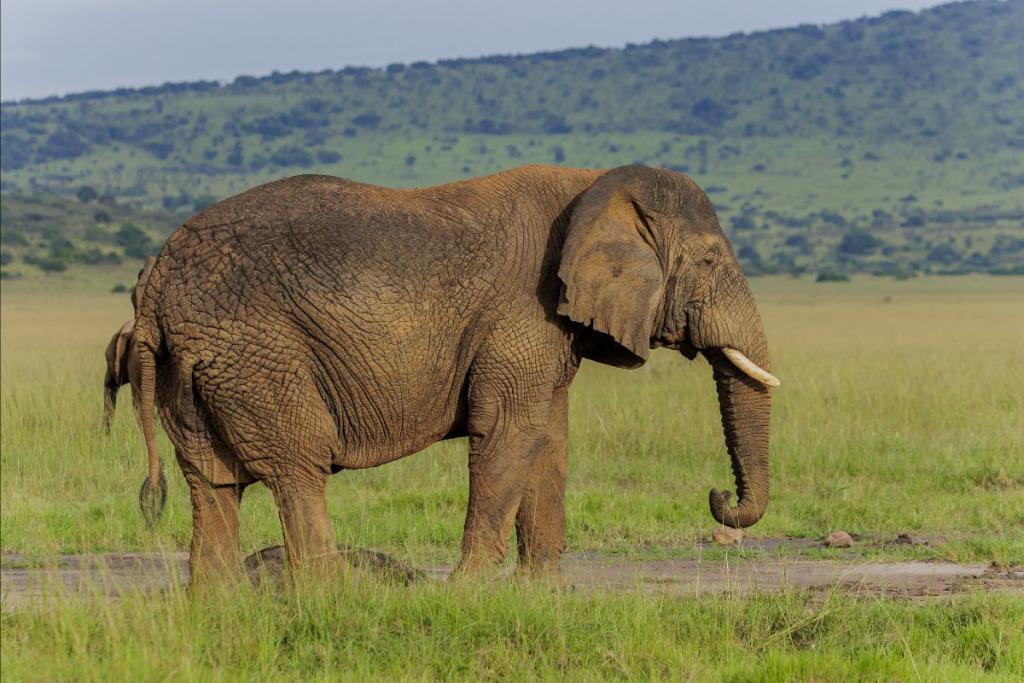
Update on elephant Identification
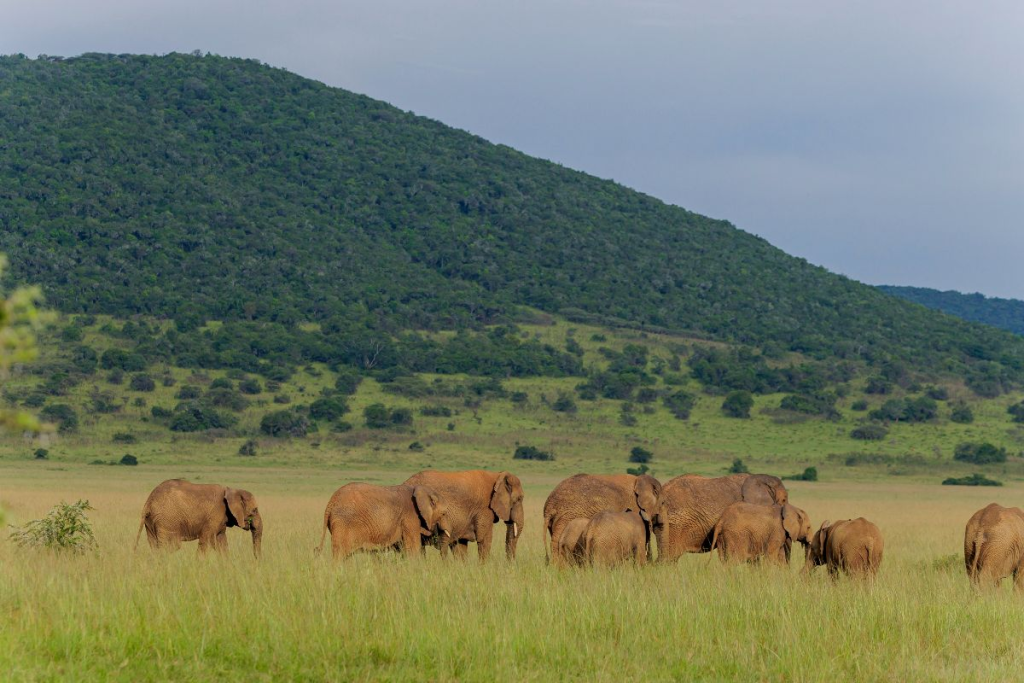
The Conservation and Research team has concluded the bi-monthly elephant surveys, successfully identifying four additional individuals to be added to the Akagera elephant database. This brings the total number of elephants individually identified to 110, representing 77.5% of the population (142 elephants). We extend our sincere gratitude to the Triumph Conservation Trust for their ongoing donation, which has made this important work possible.