
 0
0
 0
0
By Christophe Uwizeyimana
As Rwanda joined the rest of the world in commemorating DNA Week on May 6, 2026, students, researchers, and biotechnology experts gathered in Kigali to reflect on the transformative power of DNA research and its growing role in shaping the future of agriculture, medicine, and scientific innovation.
DNA Week is celebrated globally to honor two major scientific milestones: the 1953 discovery of the double-helix structure of DNA by scientists James Watson, Francis Crick, Rosalind Franklin, and Maurice Wilkins, and the completion of the Human Genome Project in 2003. The week highlights the importance of genetics and biotechnology in solving global challenges ranging from disease to food insecurity.
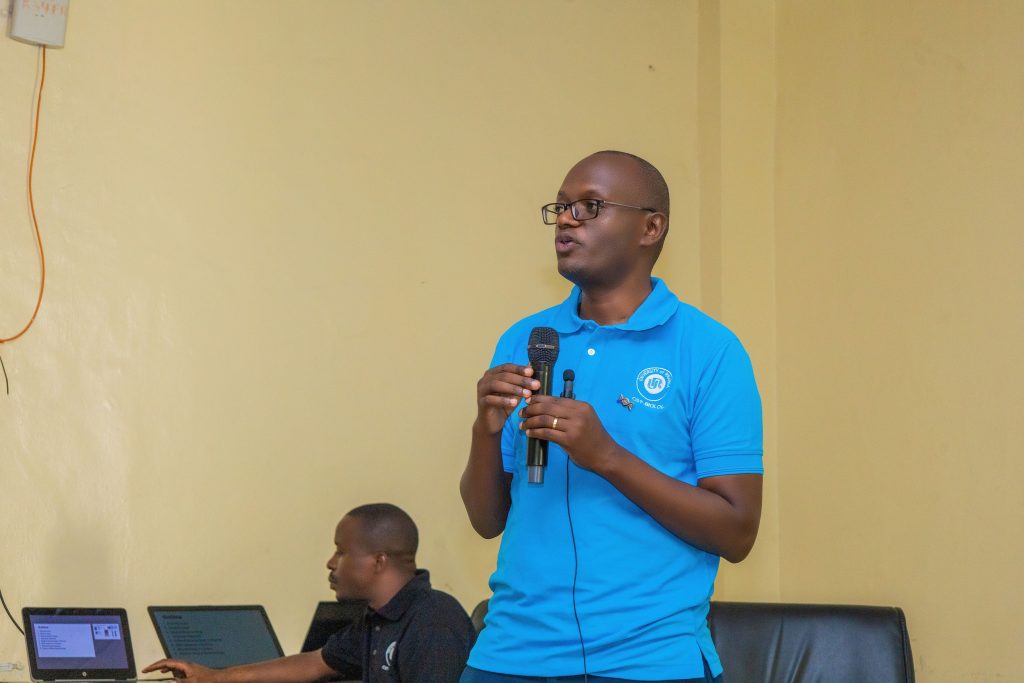
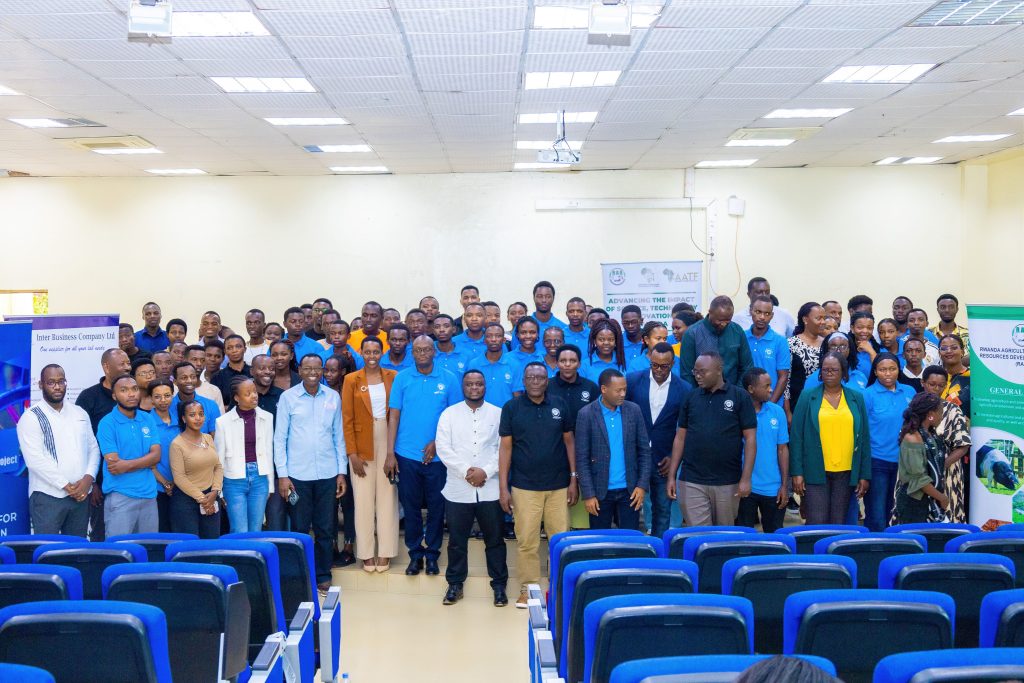
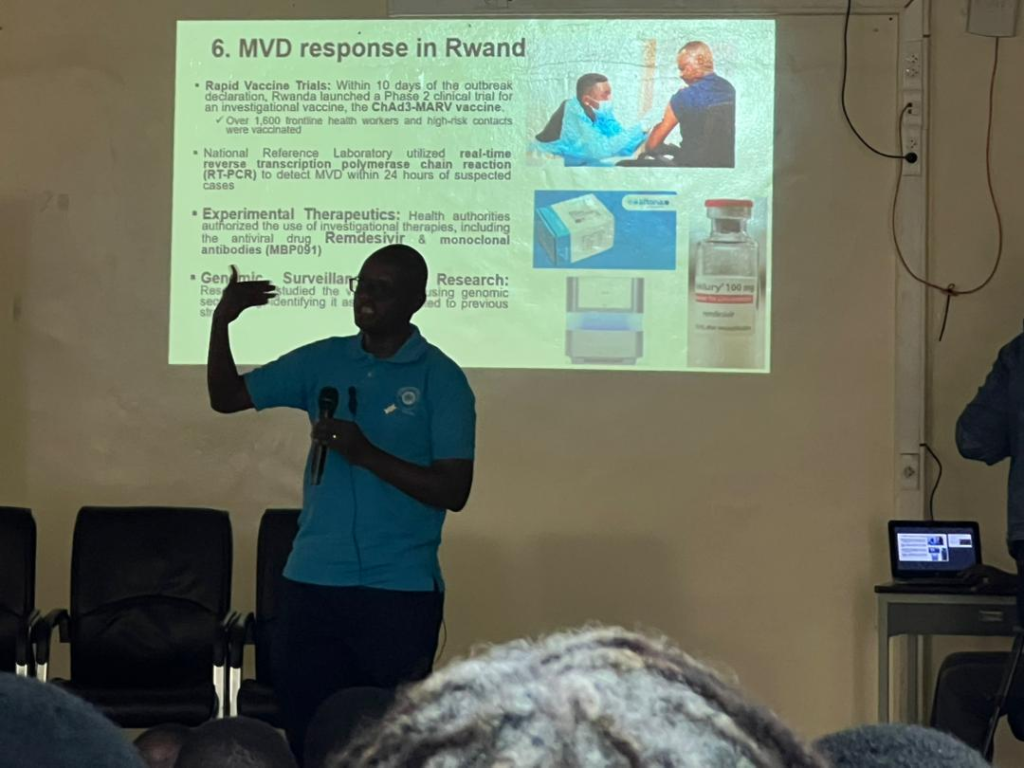
In Rwanda, the celebration was marked by a DNA Day Seminar organized by the College of Science and Technology at the University of Rwanda (UR), in partnership with the Open Forum on Agricultural Biotechnology (OFAB), the Rwanda Biotech Capacity Building Project (BioCAP), the Rwanda Agriculture and Animal Resources Development Board (RAB), the Alliance for Science Rwanda, and the African Agricultural Technology Foundation (AATF). The seminar, held from May 5–7, 2026, at Muhazi Conference Hall in Kigali, focused heavily on agricultural biotechnology and the role of DNA editing in improving Rwanda’s agricultural productivity.
Students Embrace DNA Technology for Agriculture
Students attending the seminar expressed strong commitment to using biotechnology and DNA-based research to improve Rwanda’s agricultural sector. Asteria Dushimumubyeyi, a second-year Biotechnology student at the University of Rwanda, said the knowledge acquired in class has helped her understand how DNA editing can transform crop production.
“If you take hybrid maize seeds as an example, scientists use DNA editing to improve productivity and resistance,” she explained. “However, many farmers still lack information about these technologies. As future scientists, we are committed to educating farmers and promoting modern agriculture based on scientific research.”
Another student, Jean de Dieu Habiyakare, a third-year Biotechnology student, believes Rwanda’s agriculture cannot achieve long-term food security without embracing modern biotechnology.
“DNA editing is a technology used in agriculture, medicine, and many other sectors,” he said. “Many farmers still believe misinformation that genetically improved crops are harmful to human health, which is not true. We have a responsibility to help communities understand the science and the benefits.” He added that climate change, crop diseases, and declining soil productivity make biotechnology increasingly necessary in Rwanda.
“As future biotechnology professionals, we are ready to help farmers adopt modern scientific approaches that increase yields and improve food security,” he noted.
Understanding DNA and DNA Editing
DNA, or deoxyribonucleic acid, is the hereditary material found in almost all living organisms. It contains genetic instructions that determine how organisms grow, function, and reproduce. DNA editing, also known as gene editing, refers to technologies that allow scientists to modify an organism’s genetic material. One of the most widely known techniques is CRISPR-Cas9, often described as a “genetic scissors” technology because it enables researchers to cut and modify DNA with high precision.
Globally, DNA editing has revolutionized agricultural research by helping scientists develop crops that:
- Resist pests and diseases;
- Tolerate drought and climate stress;
- Produce higher yields;
- Improve nutritional value;
- Reduce dependence on chemical pesticides.
According to the Food and Agriculture Organization (FAO), the world’s population is expected to reach nearly 10 billion by 2050, increasing pressure on food production systems. Agricultural biotechnology is increasingly seen as one of the tools needed to improve food security while adapting to climate change.
Rwanda’s Growing Investment in Biotechnology
Researchers at RAB say Rwanda is already making significant progress in agricultural biotechnology and DNA-based research. Dr. Bellancilla Uzayisenga, Coordinator of the Plant Micro-Biotechnology Program at RAB, explained that DNA research is helping scientists identify crop diseases early and improve planting materials.
“At Rubona research station, DNA analysis helps us detect diseases affecting crops such as cassava and maize,” she said. “When diseases are identified, we can quickly advise farmers on prevention and treatment measures.” She added that Rwanda is also using tissue culture laboratories to accelerate the multiplication of improved crops including bananas, potatoes, and sweet potatoes.
“All these technologies rely on DNA science,” she emphasized. “They are helping us improve agricultural productivity and strengthen food security.”
Combating Climate Change Through Biotechnology
Agricultural experts argue that biotechnology could become one of Rwanda’s most important tools in addressing climate change and food insecurity. Dr. Athanase Nduwumuremyi, a senior researcher and coordinator of the Roots and Tubers Crops Program at RAB as well as Chairperson of OFAB Rwanda, said many people wrongly associate DNA only with human genetics.
“DNA research is also essential in crop improvement,” he explained. “Through biotechnology, scientists can develop crops that are nutritious, resistant to pests and diseases, and capable of surviving climate change.” He noted that DNA Week plays a critical role in improving public understanding of biotechnology.
“This week helps people understand the importance of DNA and how scientific research can improve agriculture and livelihoods,” he said.
Global Advances in DNA Research
DNA science continues to evolve rapidly worldwide. In April 2026, scientists announced the discovery of a previously unknown biological mechanism showing how certain bacteria can produce DNA without relying on traditional nucleic acid templates, a breakthrough researchers described as “a fundamentally new way life produces DNA.”
Globally, biotechnology is increasingly influencing agriculture. According to the International Service for the Acquisition of Agri-biotech Applications (ISAAA), more than 200 million hectares of genetically modified crops are cultivated worldwide, particularly in countries such as the United States, Brazil, India, and China. Meanwhile, studies by the World Bank indicate that agricultural biotechnology could significantly improve food production in Africa, where climate change threatens millions of smallholder farmers.
Opportunities and Challenges for Rwanda
Although Rwanda is making progress in biotechnology research, experts say public awareness remains limited. Misinformation surrounding genetically modified organisms (GMOs) and DNA editing technologies continues to create skepticism among some farmers and consumers.
However, universities and research institutions believe education and science communication can help bridge the gap. The University of Rwanda says commemorating DNA Day is part of broader efforts to promote awareness of modern biotechnology and inspire young scientists to participate in innovation and scientific research.
This year’s seminar also highlighted the importance of partnerships between universities, government institutions, and international organizations in advancing biotechnology research and innovation in Rwanda.
The Future of Biotechnology in Rwanda
As Rwanda continues its journey toward agricultural transformation, biotechnology is increasingly emerging as a key pillar in improving food production, climate resilience, and scientific innovation. For many students who attended DNA Week, the future of Rwanda’s agriculture may depend not only on traditional farming methods, but also on laboratories, scientific research, and DNA-based technologies capable of transforming the country’s food systems.
With climate change intensifying and food demand growing, Rwanda’s next generation of biotechnology scientists believes the future of agriculture will be shaped not only in the fields, but also in the science laboratories where DNA research is unlocking new possibilities for sustainable development.
Story Video Link:https://www.tiktok.com/@christopheuwizey/video/7638186352449719570?is_from_webapp=1&sender_device=pc&web_id=7460108652995151365
All Event Photos link:https://biotechnology.pixieset.com/dnaday/
Photos:

Photo:Asteria Dushimumubyeyi says DNA editing technologies could help Rwanda develop high-yield and climate-resilient crops, while emphasizing the need to educate farmers about modern agricultural biotechnology.

Photo: Jean de Dieu Habiyakare believes Rwanda must embrace DNA-based biotechnology to improve food security, combat climate change, and help farmers understand the benefits of genetically improved crops.

Photo:Dr. Athanase Nduwumuremyi says DNA research and biotechnology are essential for developing nutritious, climate-resilient, and disease-resistant crops capable of improving agriculture and livelihoods in Rwanda.
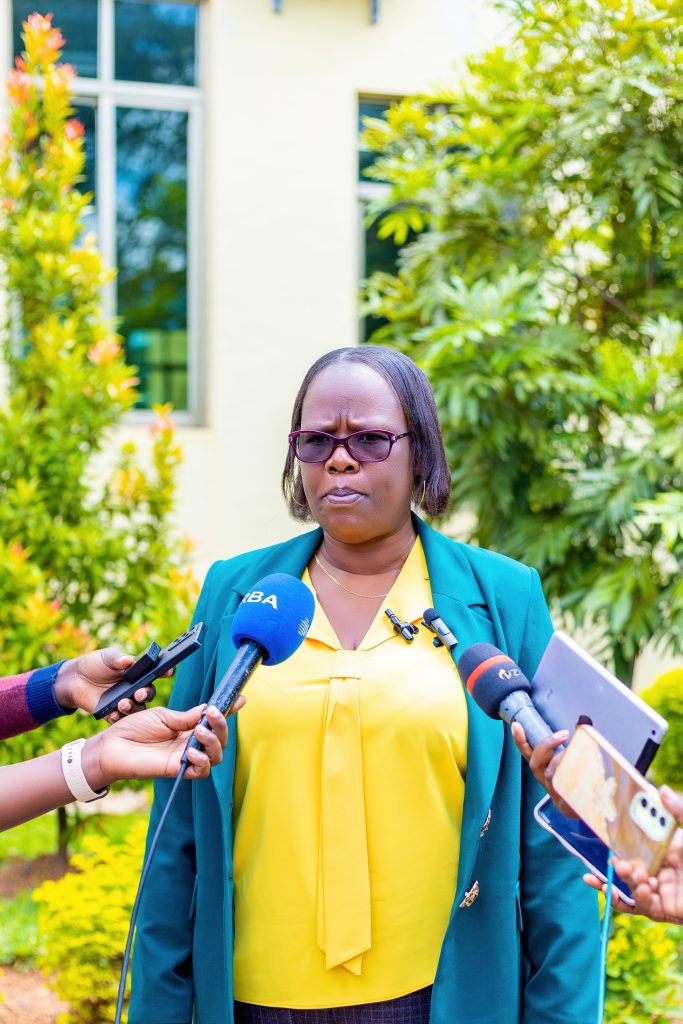
Photo: Dr. Bellancilla Uzayisenga says DNA research and tissue culture technologies are helping Rwanda detect crop diseases early, improve planting materials, and strengthen food security through modern agricultural biotechnology.
Other event photos: