
 0
0
 0
0
By Annonciata Byukusenge
Rwanda’s western provinces will soon see a new project aimed at reducing the impact of natural disasters, as the African Development Bank commits $9 million to strengthen climate resilience in vulnerable communities.
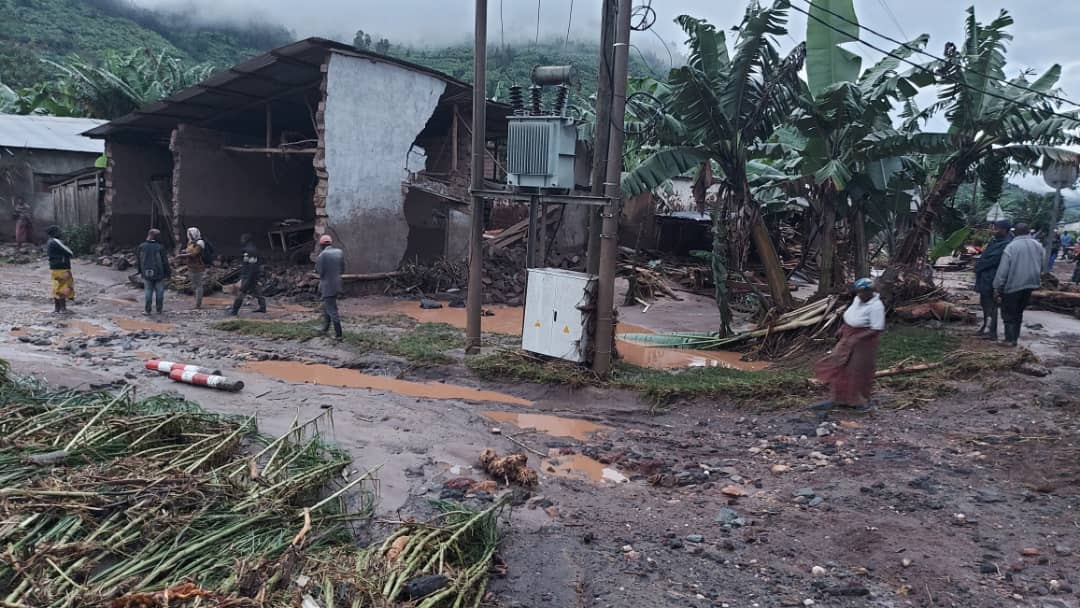
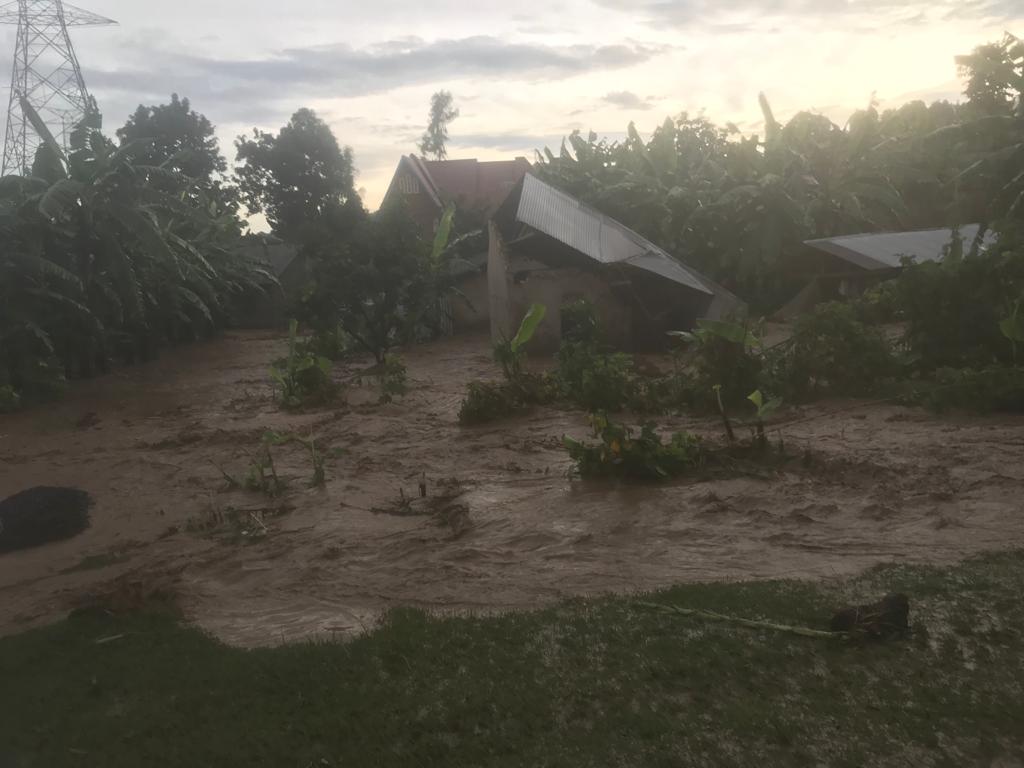
The funding, equivalent to about 13 billion Rwandan francs, will support disaster-prevention measures in Rusizi District and Karongi District, areas that frequently face floods, landslides, and soil erosion during heavy rains.
The initiative will be implemented through the Rwanda Water Resources Board, which will oversee activities such as tree planting, building terraces on steep hillsides, and restoring riverbanks damaged by erosion.
Large areas of land are expected to be reforested under the project, while trees will also be planted along riverbanks to stabilize the soil and prevent flooding. Damaged slopes and waterways will be rehabilitated to reduce the risk of landslides and overflowing rivers.
Key infrastructure, such as roads, schools, and water treatment plants, which have previously suffered damage from extreme weather events, will benefit from the measures, according to officials.
Six hydrometric monitoring stations will also be installed across the two districts to track water levels and provide early warnings of possible flooding.
“Rwanda’s government continues to place climate change and environmental protection at the heart of its development policies, said Mpho Cyinyolo Vivian, an operations manager at the African Development Bank. That commitment aligns closely with our priorities in addressing the challenges posed by climate change.”
Richard Nyirishema, chief executive of the Rwanda Water Resources Board, said more than 600,000 residents are expected to see their risk of flooding reduced through the project.
“These communities will benefit from the construction of progressive terraces, tree planting where vegetation has been lost, and other measures designed to protect both people and the surrounding environment,” he said.
Overall, about 1.2 million residents across the two districts are expected to benefit from the initiative.
Natural disasters have significantly impacted Rwanda’s Ministry of Environment recently. Between 2014 and 2023, at least 1,595 people were killed by disasters such as floods and landslides, while another 2,368 were injured.


