 0
0
 0
0
By Delicate Sive
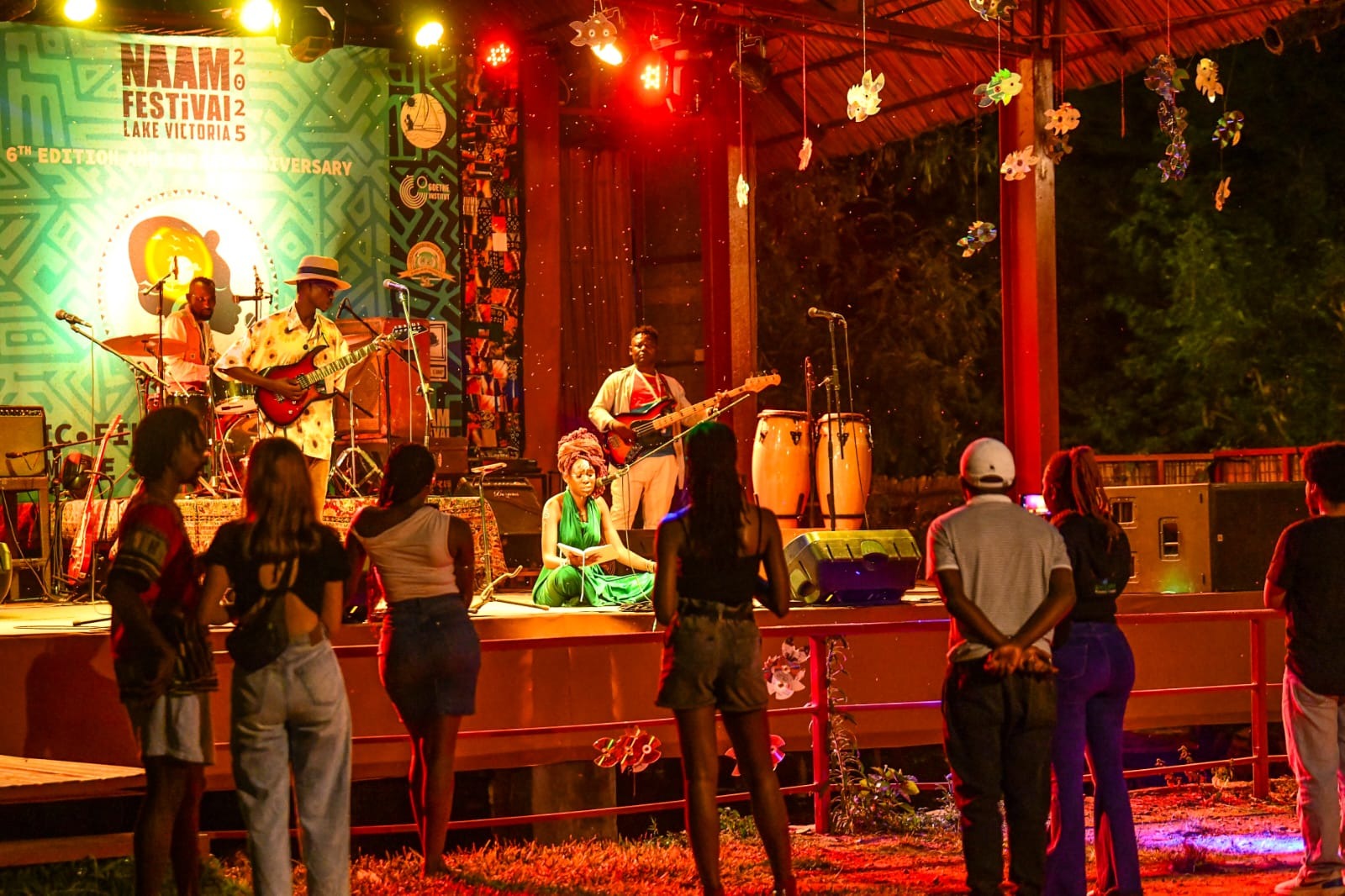
As the drums began to echo across Dunga Hill Camp in Kisumu, Kenya, the sun was sliding into the waters of Lake Victoria, commonly known as ‘Nam Lolwe’ in Luo. The lakeside air pulsed with music, poetry, and the rhythmic murmur of hundreds gathered under the sails of the Ziwani Amphitheatre, with artists, activists, youth, scientists, and fisherfolk united by one purpose: to celebrate a decade of creative activism for Lake Victoria dubbed Justice for Lake Victoria.
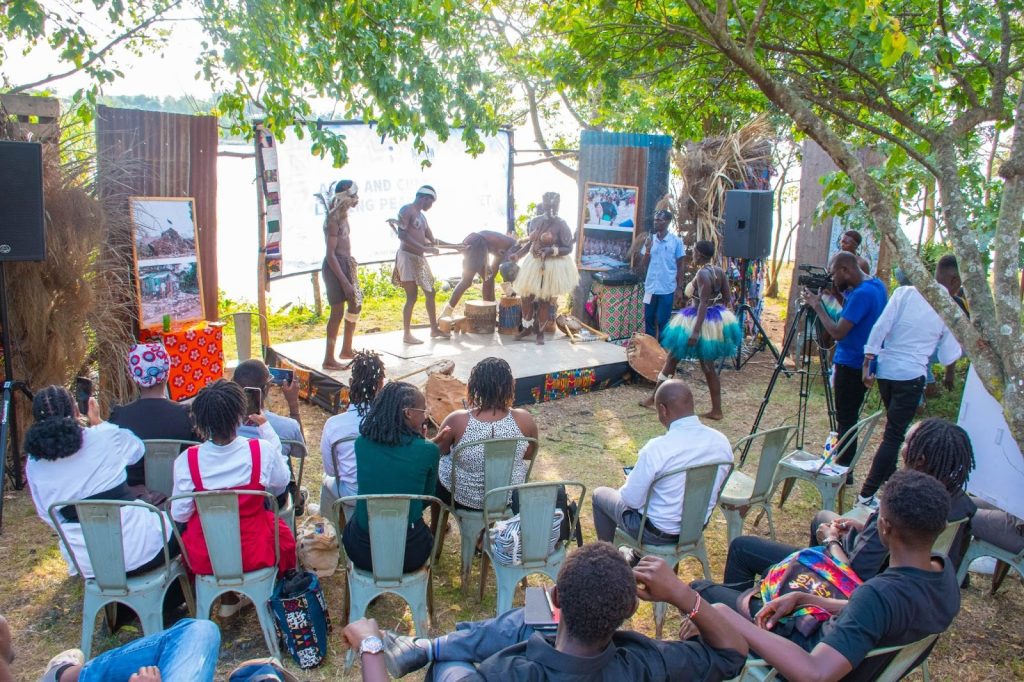
This was the 10th Impact Anniversary of the NAAM Festival, founded in 2015, born out of the simple but powerful idea that creativity, culture, and community could come together to protect one of the world’s most important lifelines. For a decade, NAAM Festival has turned art into action, using music, storytelling, and performance to speak to climate change realities that lakeside communities experience daily. What began in Kisumu as a local gathering of dreamers and creatives has evolved into a regional movement – one that weaves environmental justice with cultural identity and collective imagination across the Lake Victoria Basin.
“Art traverses barriers that statistics cannot,” said Dave Ojay, NAAM’s founder, during the festival’s opening dialogue. “It helps us express our losses, hope, and renewal and reminds us that protecting Nam Lolwe is also about protecting who we are.”
Art as Activism
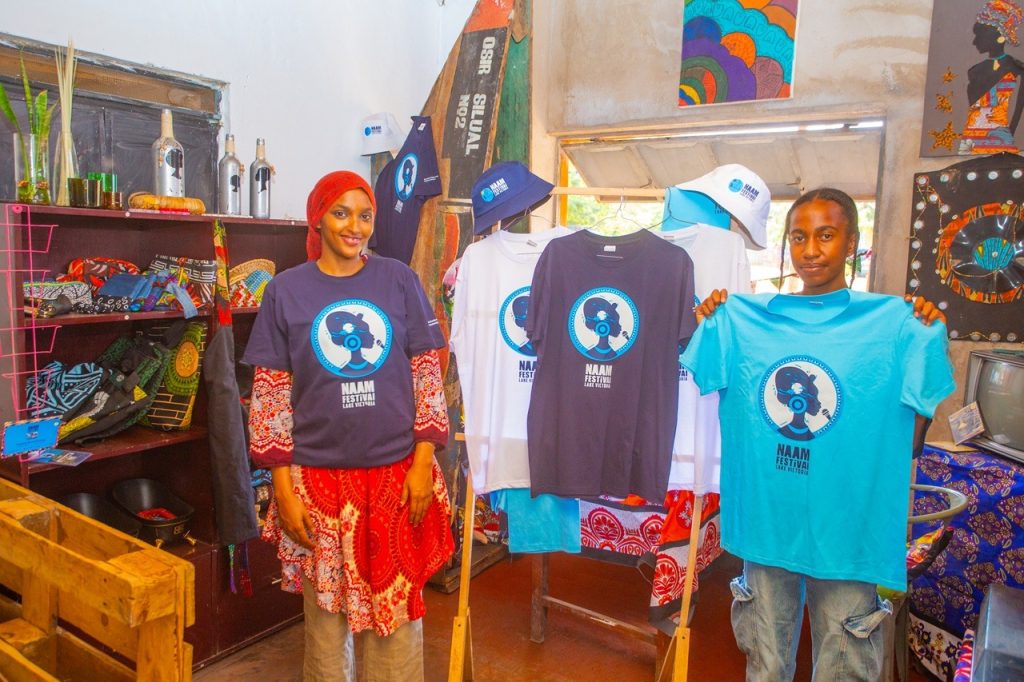
Throughout the four-day festival, art and advocacy synchronised into a single whole. Along the lakeshore, installations crafted from recycled plastic told stories of resilience; boats reimagined as sculptures, and discarded glass transformed into shimmering mosaics that caught and scattered the afternoon light. At the heart of this creative energy, the NAAM iNNOHUB exhibition revealed the ingenuity of local artisans experimenting with circular innovation, turning waste into wearable art and upcycled fashion – demonstrating that beauty, purpose, and sustainability can rise from what was once discarded.
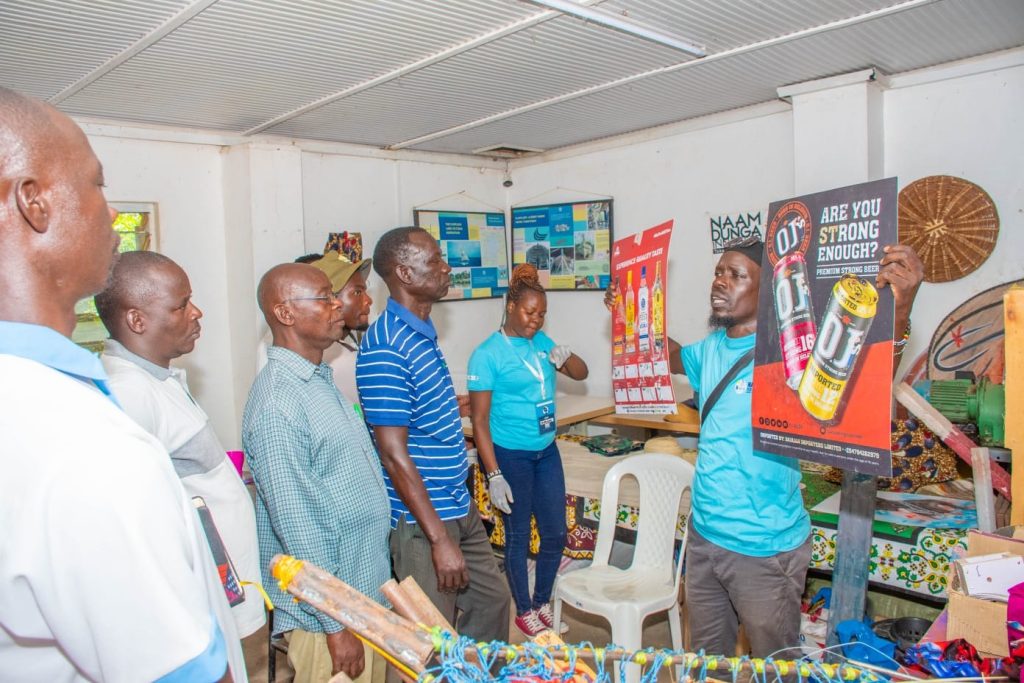
Established in Kisumu in 2020, the iNNOHUB has grown into the festival’s heartbeat a creative laboratory where waste is reimagined as a resource and cultural expression meets green enterprise. Through hands-on workshops in upcycling, design thinking, and renewable energy, the iNNOHUB nurtures young innovators and women-led start-ups, enabling them to transform pollution challenges into dignified livelihoods and pathways for sustainable change.
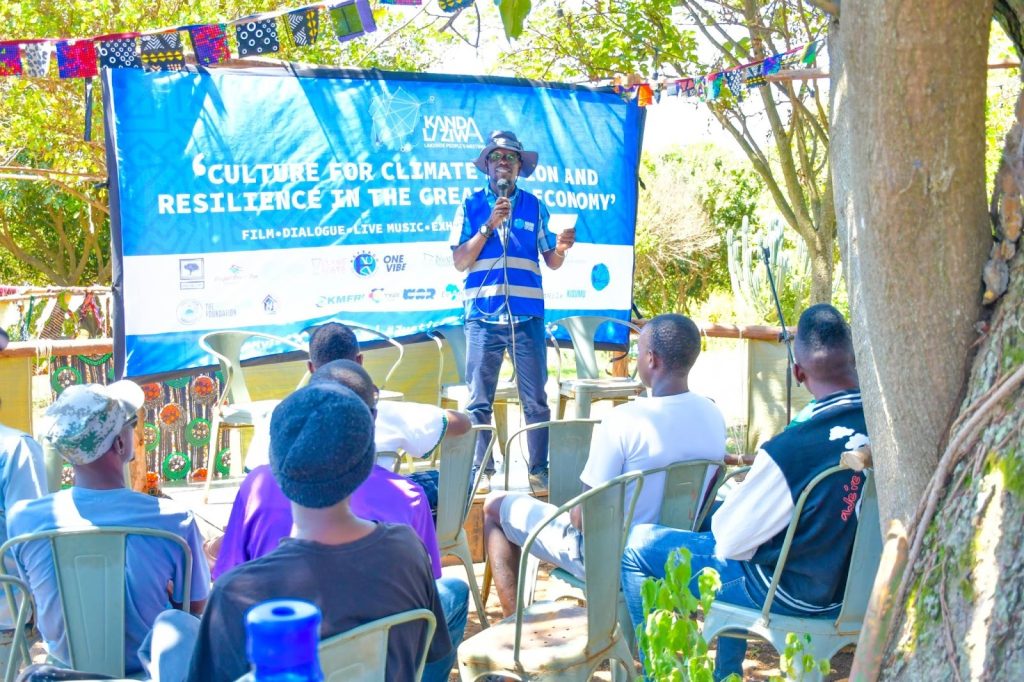
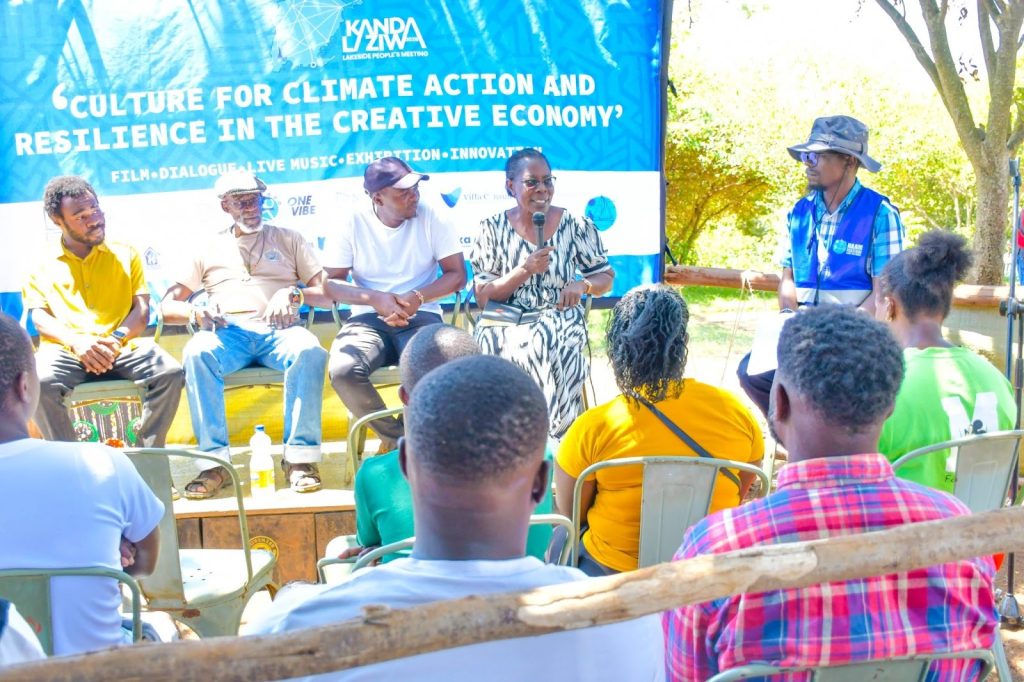
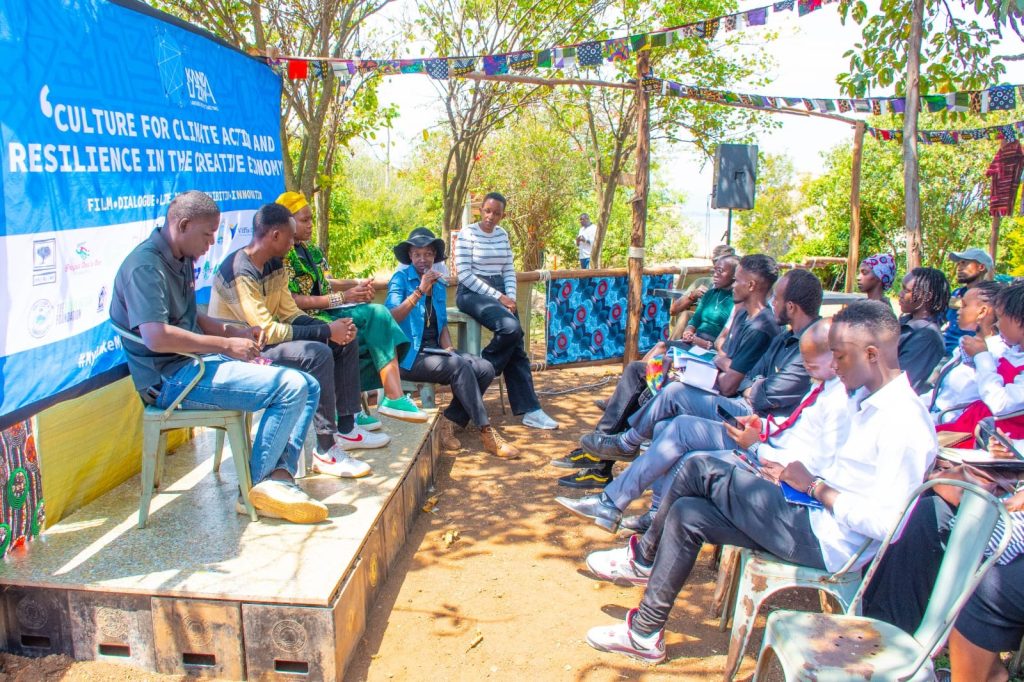
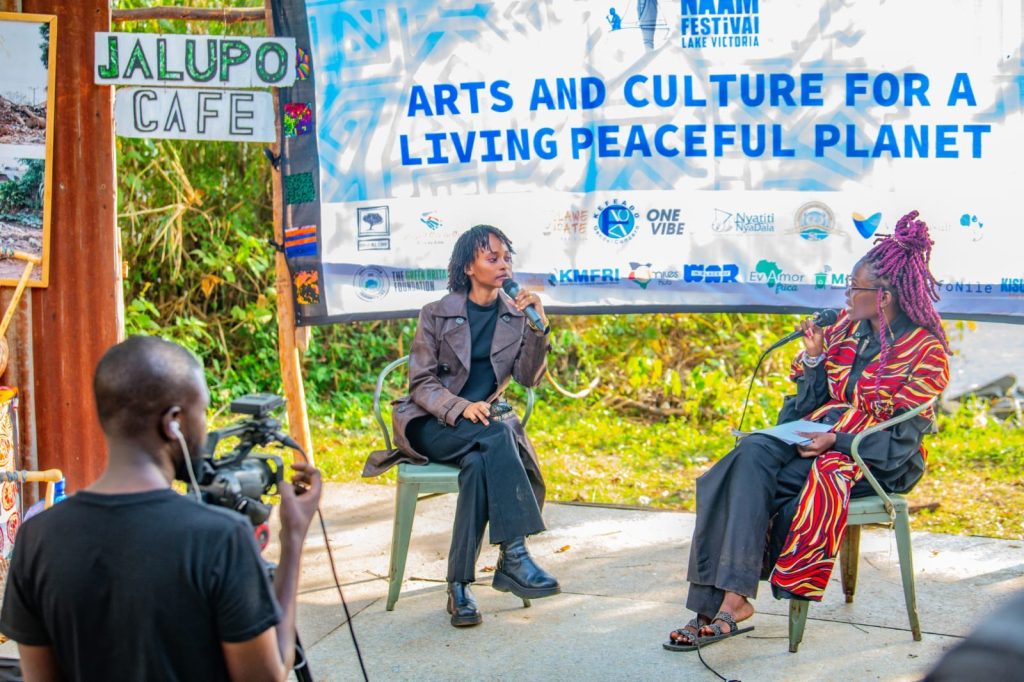
Meanwhile, the Kanda La Ziwa dialogues, modelled on Denmark’s Folkemøde, became platforms for frank, creative debate. One panel, “New Narratives, New Opportunities: The Role of Creative Industries in Shifting the Climate Conversation,” brought together artists, policymakers, and environmental experts.
“We can’t keep talking about climate change in policy language alone; we need to break it down to our everyday experiences to make it more relatable and impactful,” said Mary Jones Akinyi, an art therapist and one of the panellists. “When you paint it, sing it, or stage it, people see themselves in the story, and that’s when behavior starts to change.”
Voices from the Lake
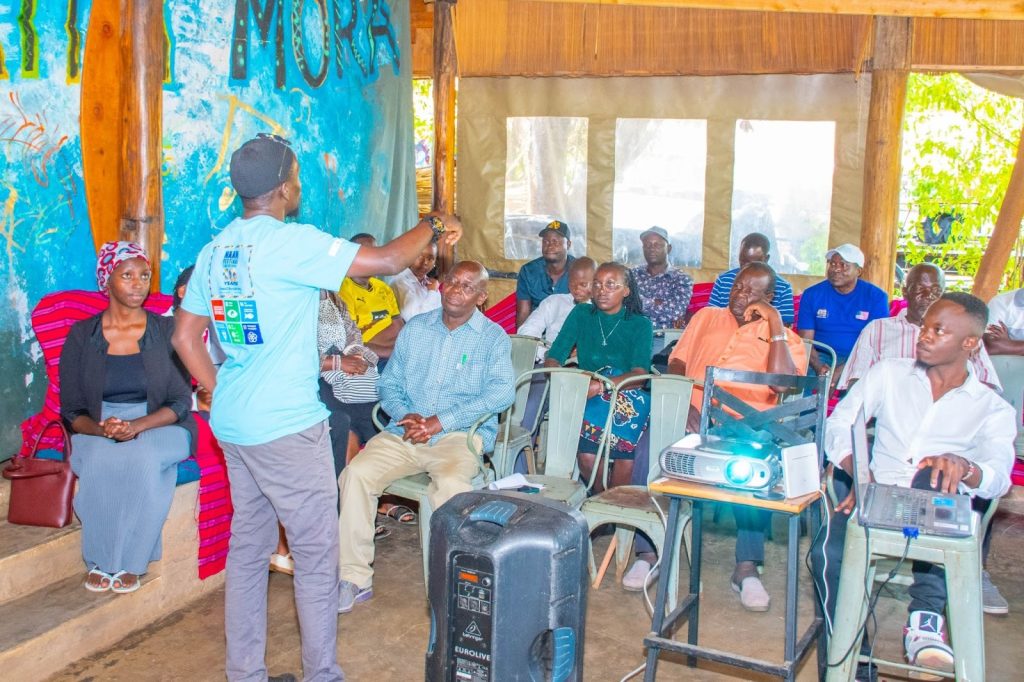
If art was the festival’s heartbeat, storytelling was its soul. The premiere of Inyanza, a documentary produced by NAAM Festival, drew a captivating audience at the Maskani Lounge. Through sweeping shots of Lake Victoria and intimate conversations with lakeside communities, the film brought the environmental crisis into sharp emotional focus – grounding global concerns in lived experience, memory, and hope.
Other screenings, including Polluted by the Guardians by InfoNile, deepened this narrative, illustrating how investigative journalism and creative media are converging to amplify water justice across the Nile Basin. Fishermen, locally known as ‘Jalupo’, joined the discussions, sharing their lived experiences of dwindling fish stocks and reflecting on the new hope inspired by the community, especially on the need to adapt to good fishing practices. They also brainstormed on the causes of pollution and their solutions, all aimed at navigating the challenges of the fishing industry.
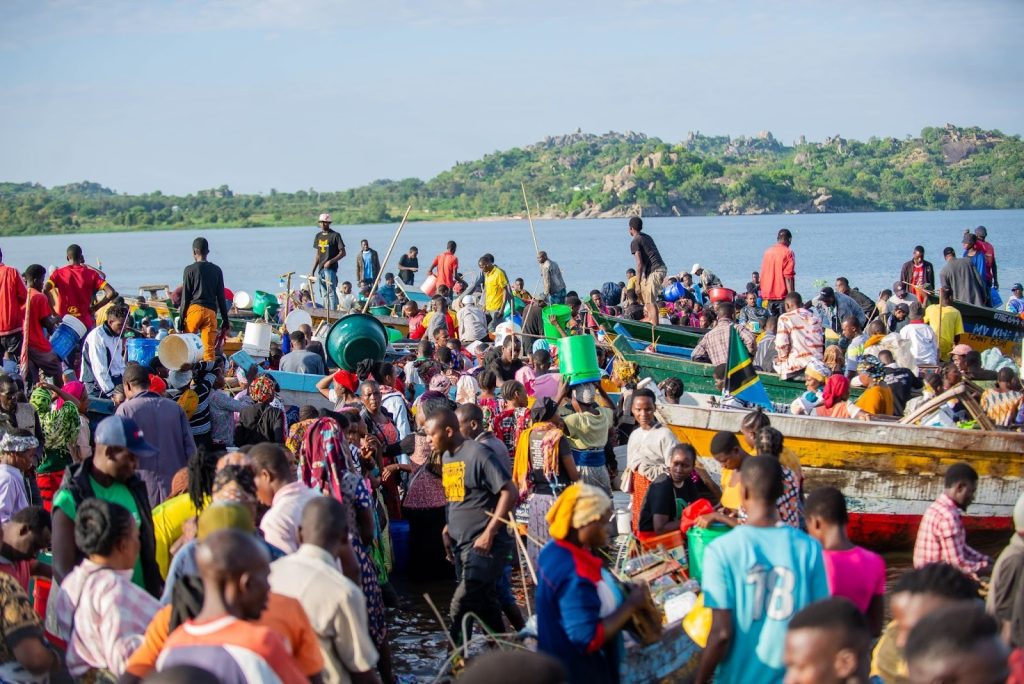
“Nam Lolwe is choked by chemical and sewage waste from industrial companies that release the waste into the lake, especially when it rains,” lamented Mzee Onyango, a fisherman at Dunga. “And some locals have also adapted the same behaviour instead of using exhauster services once their septic tanks get full,” he added.
Weak regulatory enforcement, high treatment-plant operating costs, and rapid industrial expansion without corresponding waste-management infrastructure are key factors that promote pollution of Lake Victoria by companies. Whereas the cycle of poverty in the lakeside region contributes to rising treatment costs, making piped water too expensive. This forces communities to rely on contaminated, cheaper alternatives as families struggle to afford treated water.
The question of waterborne diseases such as typhoid and cholera, as well as skin diseases, was paramount as participants urged one another to take initiative to minimise pollution. “Growing up, we would consume or utilise lake water in its raw form, but today, we cannot dare do that. We have to treat it, which is sometimes unaffordable to most poor families,” a visibly irate Arthur Omolo contributed.
In Dada’s Garage Workshop, women converged to delve into skills sharing, sexual and reproductive health rights, water storytelling, and community-led solutions on water safety, fair fishing, and environmental stewardship. The need to explore alternative sustainable income streams was emphasised to allow the lake to recover.
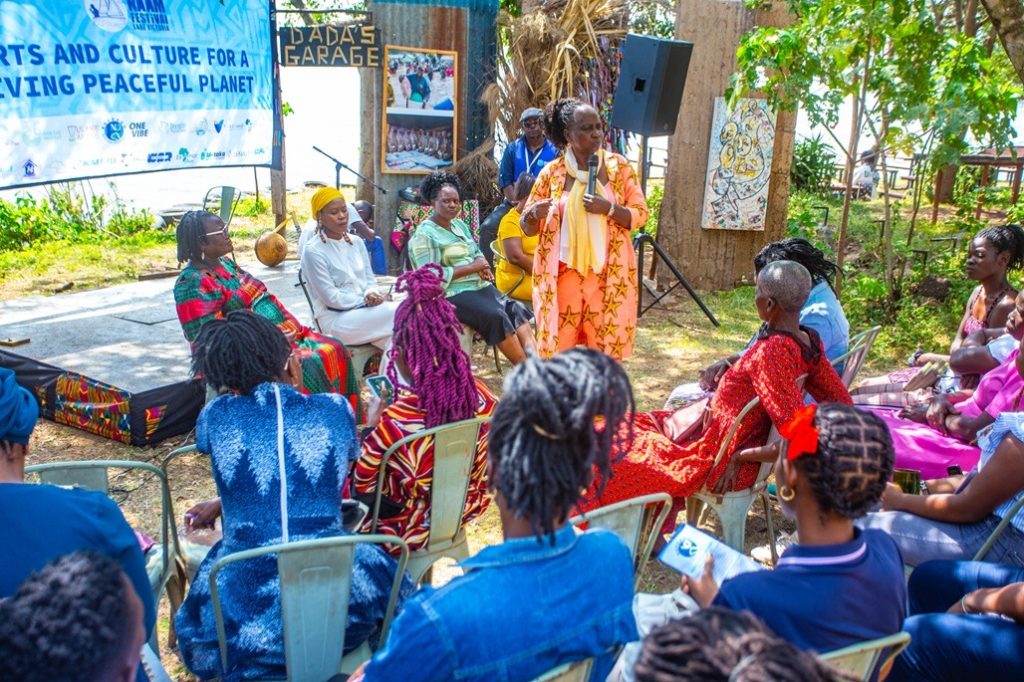
They also learnt about textile waste transitions and told stories from the shore. Women artisans stitched together reclaimed fabrics while sharing personal stories about changing livelihoods. “We used to see waste as a problem,” one participant said. “Now, it’s the material of our art and our empowerment.”
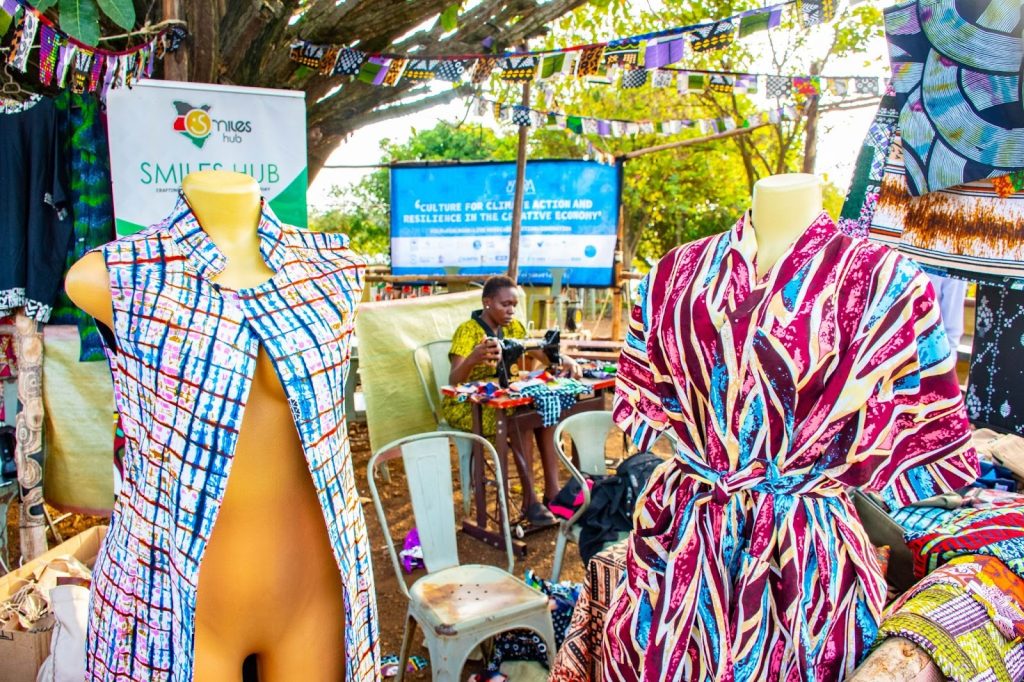
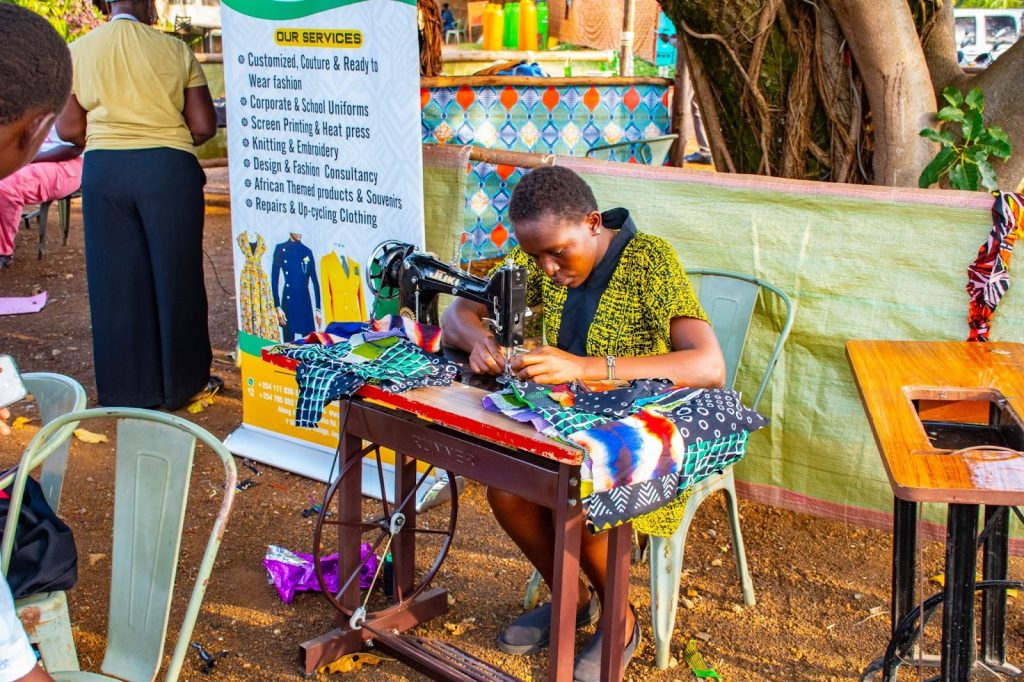
“As co-creators, women need to get creative in upskilling and the protection of Lake Victoria. They need to stop contributing to the lake’s pollution, treat the lake with love, allow the lake to breathe, and speak up on matters regarding the lake,” said Esther Achieng Okech, the Chief Executive Officer / Director of Kenya Female Advisory Organisation (KEFEADO).
At the Youth Dialogue, featuring key stakeholders in bringing the Sustainable Development Goals (SDGs) closer to home, attitude change emerged as a central theme. Speakers emphasised individual responsibility and collective ‘ownership’ as a catalyst for lasting behavioural transformation, highlighting how everyday actions can create ripple effects that shape more sustainable futures.
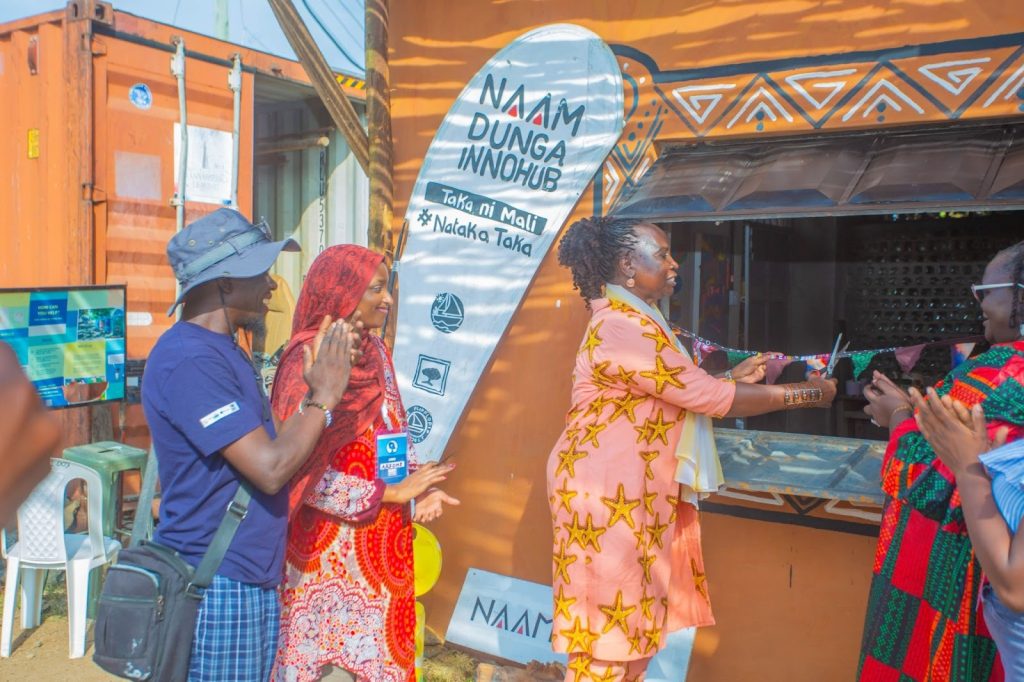
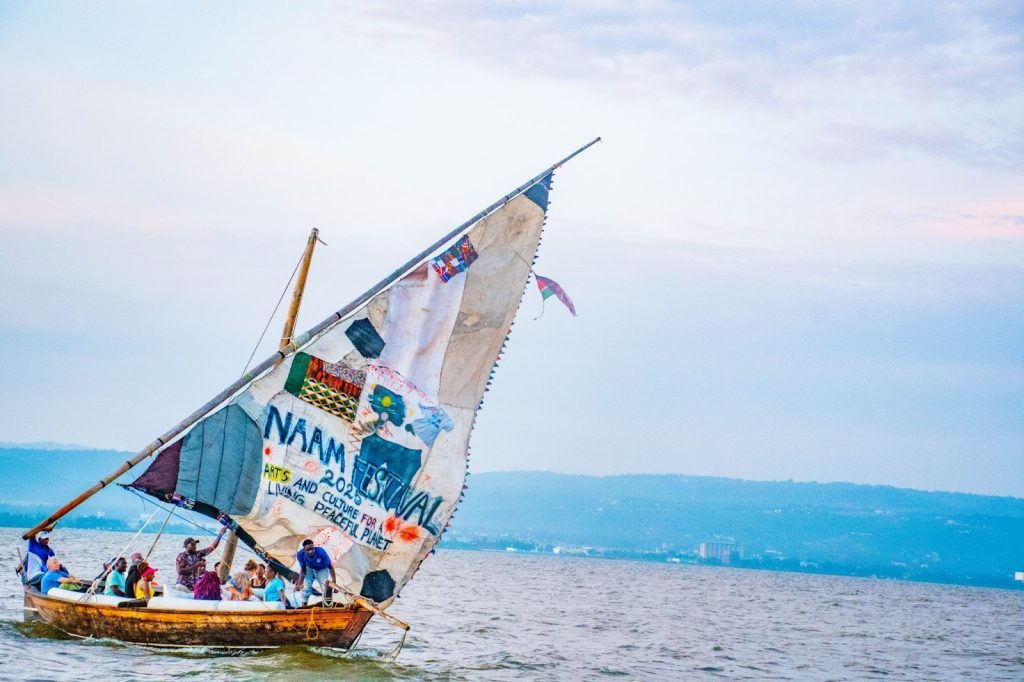
The festival reached a symbolic high with the launch of the sail – the Alila Sail, unveiled by Oby Obyerodhyambo and Naam Festival’s cofounder Dave Ojay. Crafted from donated, torn, and discarded fabrics that would ordinarily be thrown away, the sail was then carefully and intentionally stitched and painted by artists. A vivid reminder that not all waste is waste.
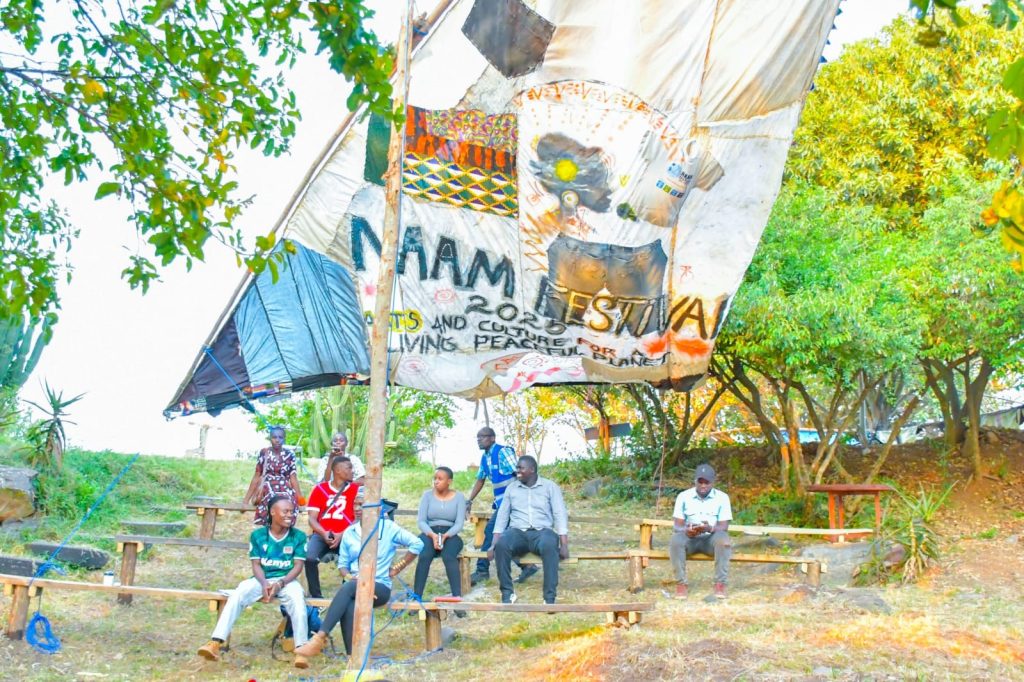
As participants climbed aboard to enjoy the evening breeze across the lake, the moment became both a celebration and a reflection of the rhythm, purpose, and spirit of NAAM’s ten-year journey. Each wave echoed its challenges and triumphs, and honoured the collective contributions of the many communities, partners, and dreamers who have helped carry the movement forward.
A Movement Rooted in Community
Beyond the performances, NAAM’s decade-long journey represents a model for how cultural activism can drive real-world change. Since its founding in 2013, NAAM has implemented programs that combine environmental advocacy with skill-building, education, and innovation. Across the Nam Lolwe Basin, more than 57 clean-ups, artivism dialogues, and community showcases have been held, directly empowering more than 2,400 people. Initiatives such as the Kidnovation Contest and youth mentorship programs have inspired over 3,000 children and young people to see themselves as custodians of the lake’s future.
Moreover, the Lok’Ohala Creative Workshops, delivered in partnership with organisations such as Goethe-Institut Kenya, have strengthened financial literacy, leadership, and creative entrepreneurship among over 300 artists and cultural practitioners, ensuring the sustainability of the region’s cultural economy. Moreover, creative installations and circular innovation initiatives have transformed waste into public art and practical solutions. Large-scale waste-to-art installations across five lakeside towns have sparked dialogue on environmental responsibility, while local women and youth have developed over 18 new circular products that demonstrate how creativity can turn challenges into opportunities.
Over the years, NAAM has cultivated more than 80 partnerships, connecting grassroots communities with regional and global allies. This ranges from collaborations with the Flipflopi Project to international recognition by the Museum for the United Nations – UN Live, which named NAAM one of the world’s Top 10 Culture for Impact initiatives in 2024. Today, the movement continues to expand its reach while remaining deeply rooted in community-driven action.
Looking Ahead
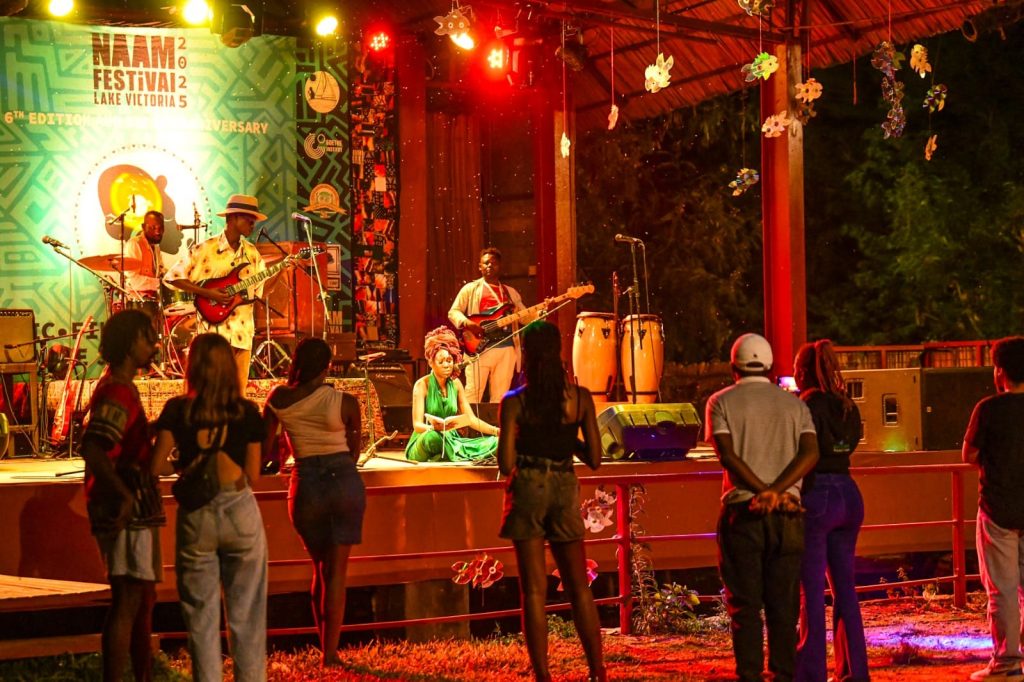
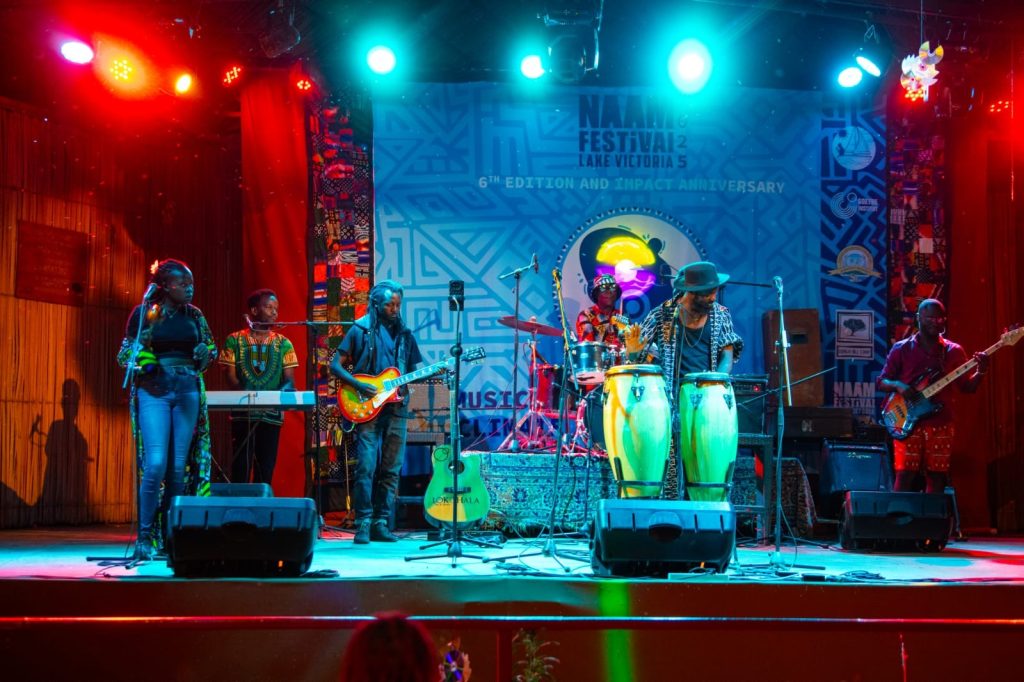
The festival’s atmosphere brimmed with creative energy. From soulful drumbeats echoing across the lakeshore to live paintings capturing the pulse of the crowd, every performance carried a story. Music mingled with laughter, poetry flowed into dance, and moments of reflection emerged alongside joy and celebration. Dunga Hill Camp transformed into a living canvas – a space where art, sound, and community intertwined, reminding everyone present that creativity is not only expression but connection and belonging.
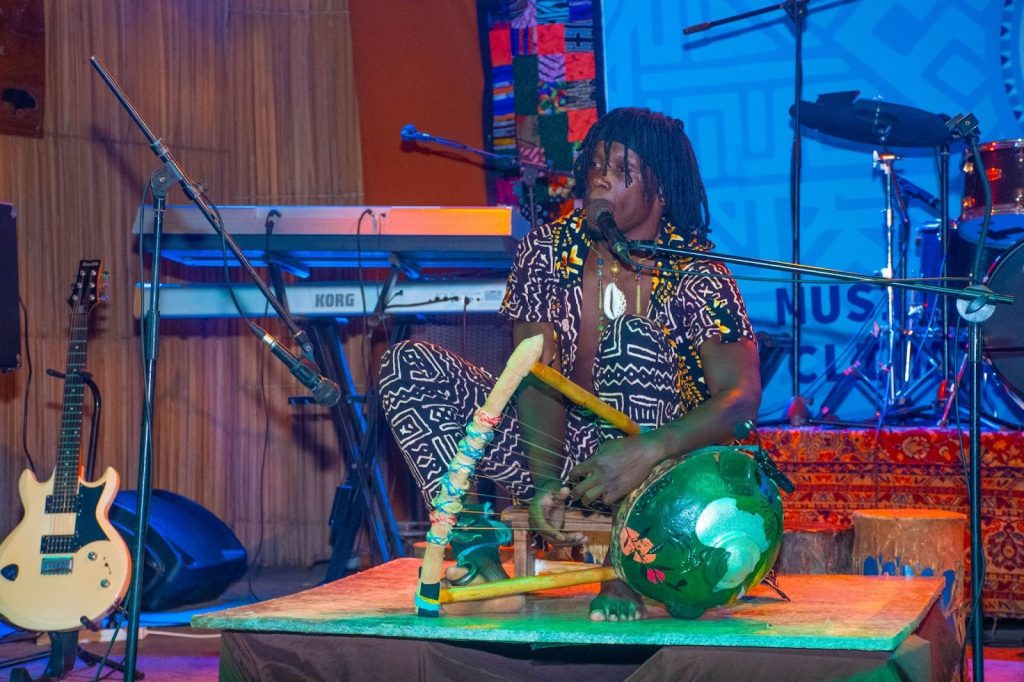
As the final notes of the closing performance faded into the lakeside night, Ojay reflected from the stage, “This lake has memory. It has seen our neglect and our resilience. The next decade is about healing, through culture, innovation, and the courage to imagine differently.” He thanked the festival’s partners – Goethe-Institut Nairobi, Kenya Female Advisory Organisation (KEFEADO), A Greener Future, Siaya and Kisumu County Governments, Green Britain Foundation, and Water Journalists Africa–InfoNile, for walking this journey together. Then, with the same passion that fuels Naam, Ojay urged them to dream bigger and push further, to spark even greater change across the region.
That imagination is already materialising through NAAM Concepts, the movement’s next chapter. At its core lies the NAAM Village – a Centre for Cultural and Environmental Best Practices in Waste Management and Sustainable Energy. It will be a living ecosystem where research, training, and creative incubation converge, demonstrating how circular economies, cultural preservation, and community innovation can coexist and thrive.
Between 2025 and 2030, NAAM’s strategic plan aims to deepen community impact, expand its regional movement, and institutionalise creative activism as a pathway for sustainable change. The vision is bold yet grounded: to make Nam Lolwe a model of ecological and cultural resilience for Africa and the world.
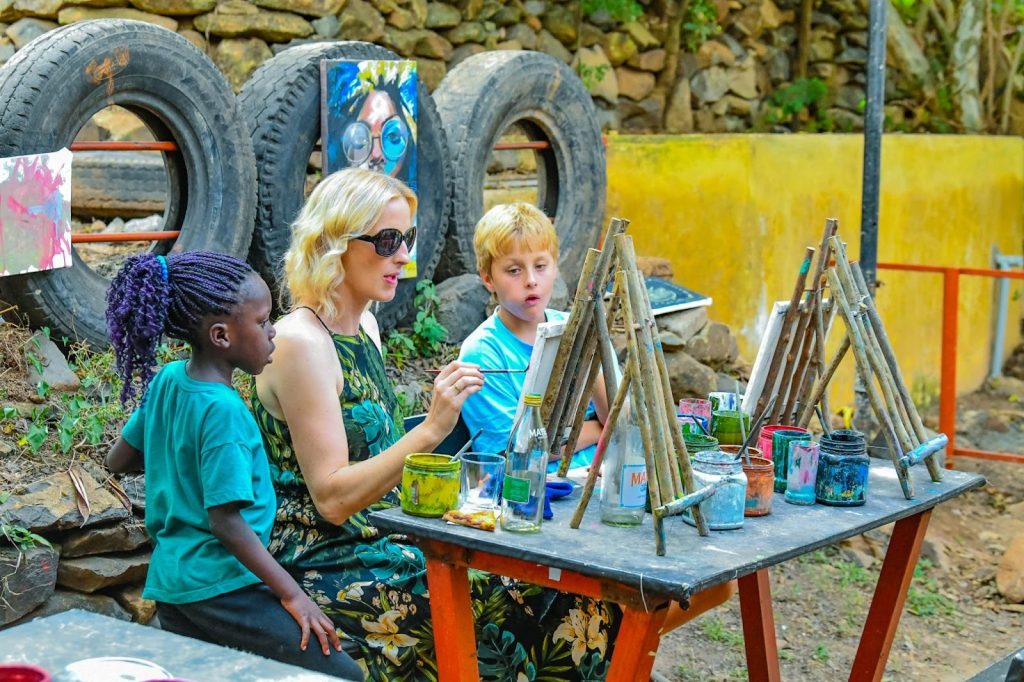
Ten years after it began, a bold idea by the lakeshore with limited resources, but limitless vision, NAAM Festival stands as a living testament to the power of collective action and creativity to inspire change.
On the shores of Nam Lolwe, art is not simply seen or heard; it is felt, like the steady heartbeat of the water itself. And if the past decade was a call to awaken, the next is a call to act: to restore, to create, and to protect. Together, for Nam Lolwe!


