
 0
0
 0
0
By Annonciata Byukusenge
This is the testimony of a rice farmer from Muhanga District, Shyogwe Sector. Her name is Nyirahabimana Consolee, a woman in her early thirties who grows rice in the Rugeramigozi II marshland.
She explains that before the government introduced the crop and livestock insurance program known as Tekana, farmers regularly suffered serious losses caused by natural disasters. These included heavy rains that led to flooding, prolonged drought, and hailstorms, all of which often destroyed their harvests.
“Once we learned about the Tekana program, my fellow farmers and I, members of the KOKAR rice-growing cooperative, immediately decided to insure our crops,” she says. “We were told that if crops or livestock are damaged by disasters that are not caused by a farmer’s negligence, the insurance company provides compensation based on the value of what was lost.”
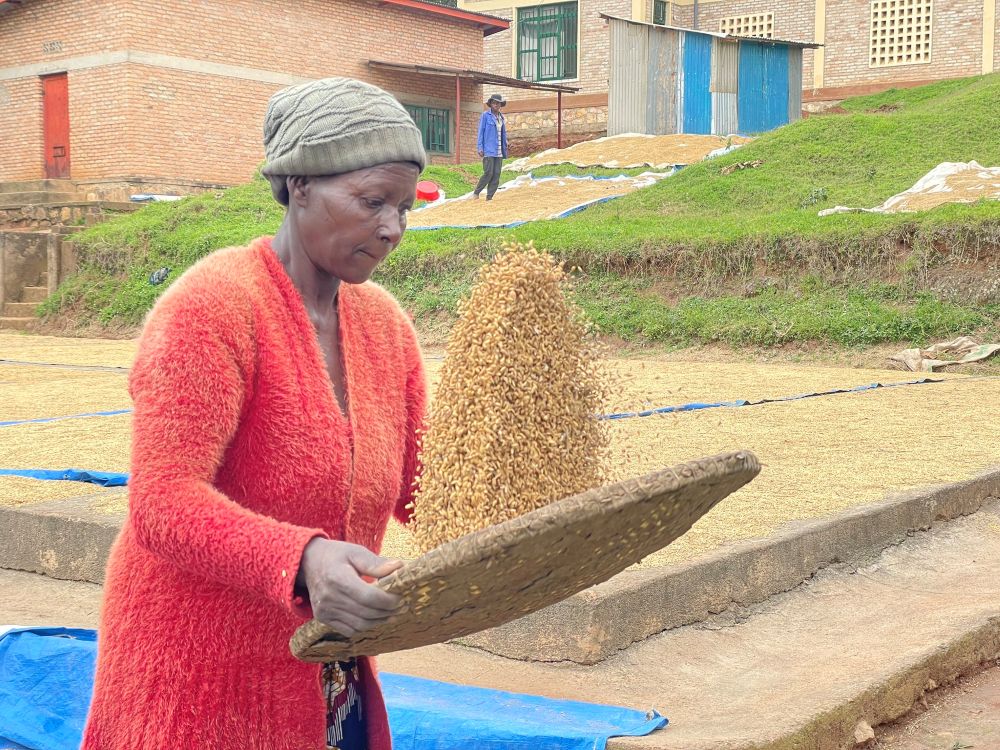
Nyirahabimana recalls that in 2023, a severe hailstorm struck just as their rice was ready for harvest. The hail destroyed rice fields covering about eight hectares.
“After the loss occurred, the insurance company visited us and carried out an assessment. They confirmed that the damage was caused by natural disasters and compensated us with 3.5 million Rwandan francs,” she explains. “This is one of the many benefits of Tekana, and it’s why I always encourage farmers and livestock keepers who haven’t joined the program to do so.”
Napftar Nzabihimana, another member of the KOKAR cooperative, shares her experience. He says Tekana came at the right time, as repeated losses from natural disasters had left many farmers discouraged, with some even considering quitting agriculture altogether.
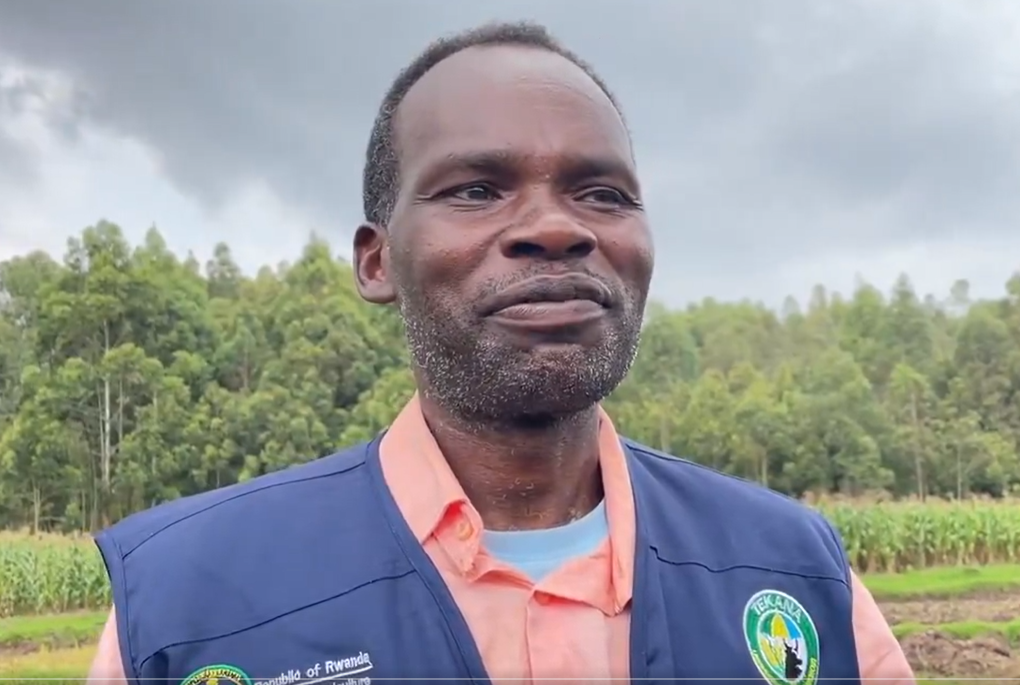
“Tekana gives us peace of mind because our crops and livestock are insured,” he says. “In 2023, here in the Rugeramigozi II marshland, the section where maize was planted was hit by a hailstorm. After inspection, the insurance company found that maize planted on about three hectares had been destroyed, and we were compensated with 2 million Rwandan francs.”
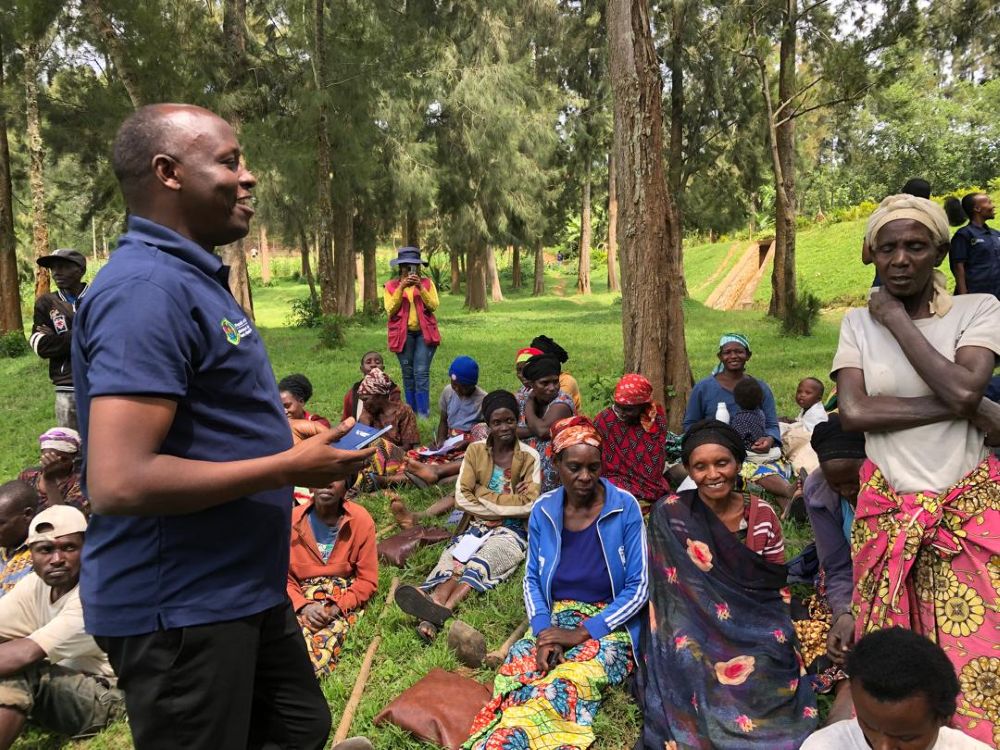
The Vice Mayor of Muhanga District in charge of Economic Development, Eric Bizimana, says the district is encouraged by the progress made so far in farmers’ participation in the Tekana program. However, more still needs to be done.
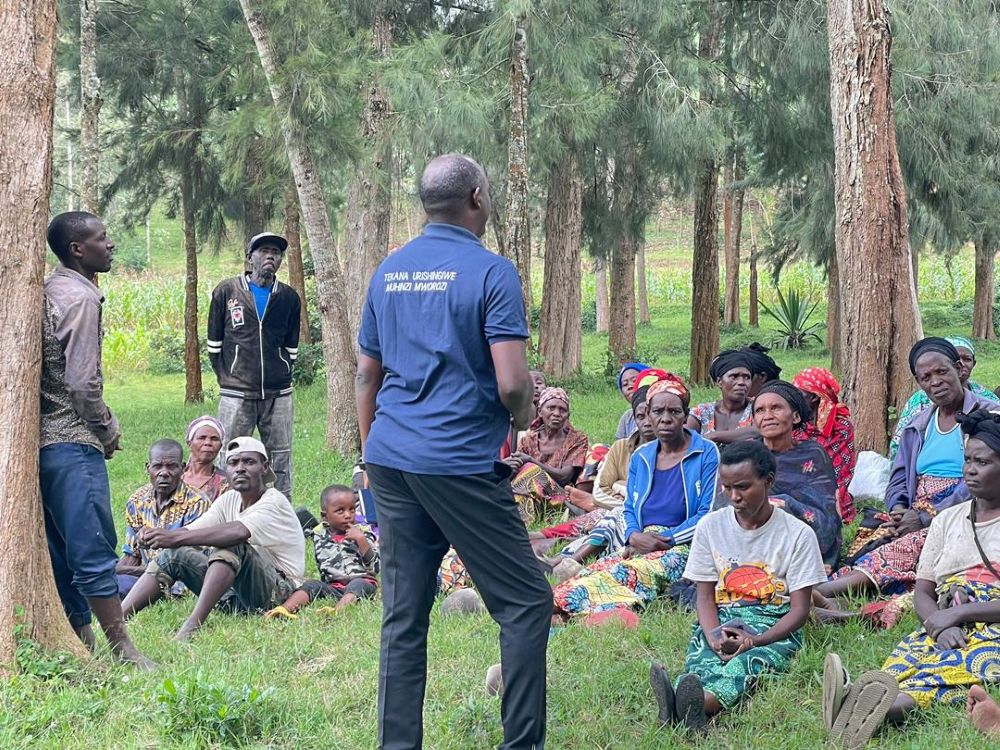
“This Rugeramigozi II marshland, where maize and rice are grown, is insured at a rate of about 80%,” he says. “It is a journey, because the total insured land and crops are still limited. However, we continue to raise awareness so that more farmers and livestock keepers can join the Tekana program.”
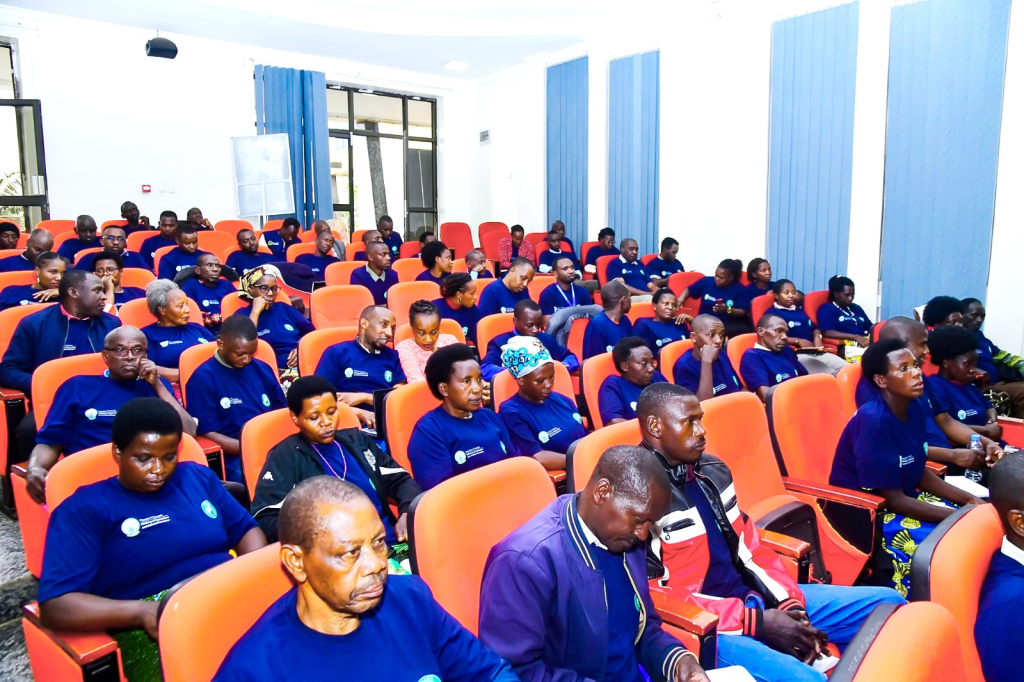
Currently, in Muhanga District, about 10% of cattle are insured, poultry coverage stands at 80%, and around 570 pigs are insured. In terms of crops, insured farmland includes 79 hectares of rice, 468 hectares of maize, 170 hectares of potatoes, and one hectare of soybeans.
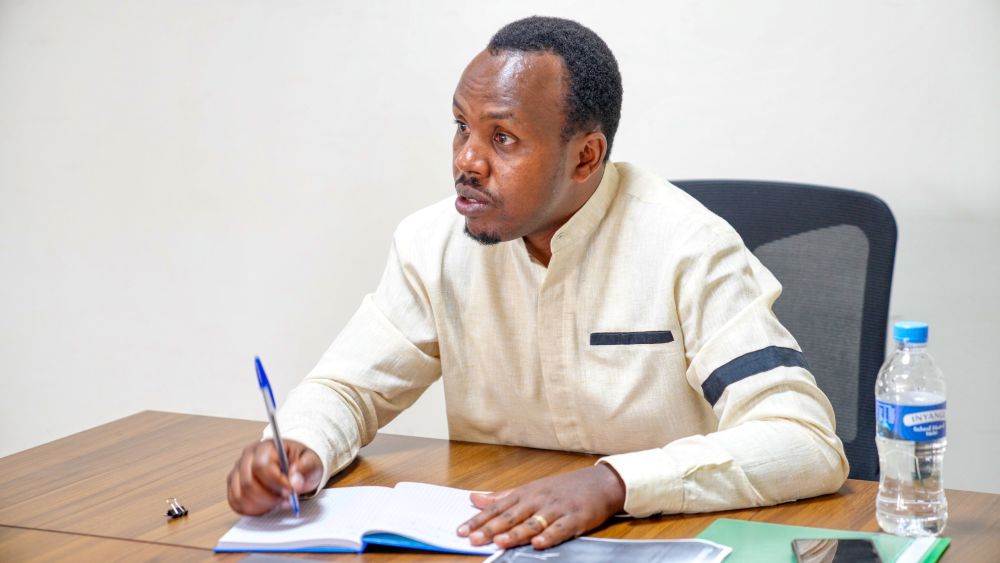
Museruka Joseph, the TEKANA Project Manager at RAB-SPIU, said misinformation is still a major issue among some farmers and livestock keepers.
“Some people claim that TEKANA does not compensate for losses, but in many cases, the damage results from negligence by the livestock owner, which is not covered. Since 2019, TEKANA has paid out more than 8 billion Rwandan francs in compensation to farmers and livestock keepers.”
TEKANA is a government program under the Ministry of Agriculture and Animal Resources and is implemented by the Rwanda Agriculture and Animal Resources Development Board (RAB).


