 0
 0
By Emmanuel Mutangana –
Farmers in Ruhango District are considering expanding into vegetable and fruit production after learning from counterparts in Nyanza how commercial farming can increase incomes and create new market opportunities.
Members of KOWARU Cooperative, which mainly grows maize and beans, said a knowledge-sharing visit with farmers supported by the Second Sustainable Agricultural Intensification and Food Security Project (SAIP II) had encouraged them to explore crops that can generate higher returns in a shorter period.

Samuel Hakizimana, a member of the cooperative in Kabagari Sector, said the experience had changed how they viewed their farming activities.
“We have been growing maize and beans, but we want to venture into fruit and vegetable farming because these crops mature quickly and can generate good income,” he said.

Hakizimana said SAIP II had trained cooperative members in compost production, irrigation on small plots, and the cultivation of different crops.
The cooperative has 293 members cultivating 87 hectares. Hakizimana said its members had already produced about 800 tons of organic waste for compost making and had started using the manure on their farms.
He said meeting farmers from Nyanza, where farmers have benefited from earlier phases of the project, showed them how vegetable and fruit production could help improve their livelihoods.
The visit also taught them the importance of identifying potential buyers before planting, rather than producing crops without a clear market.
“We have decided to venture into vegetable and fruit farming,” he said, adding that the cooperative intended to apply the lessons even after the project ends.
Young farmers find opportunities in chili production.
In Nyanza District, Gloria Musabyimana said commercial farming had helped her group expand its activities and increase the value of its assets.
Musabyimana belongs to Youth Tuzamurane, a group of 25 members based in Gishyike Cell, Rwabicuma Sector, which grows chili peppers on two hectares in an irrigated area.
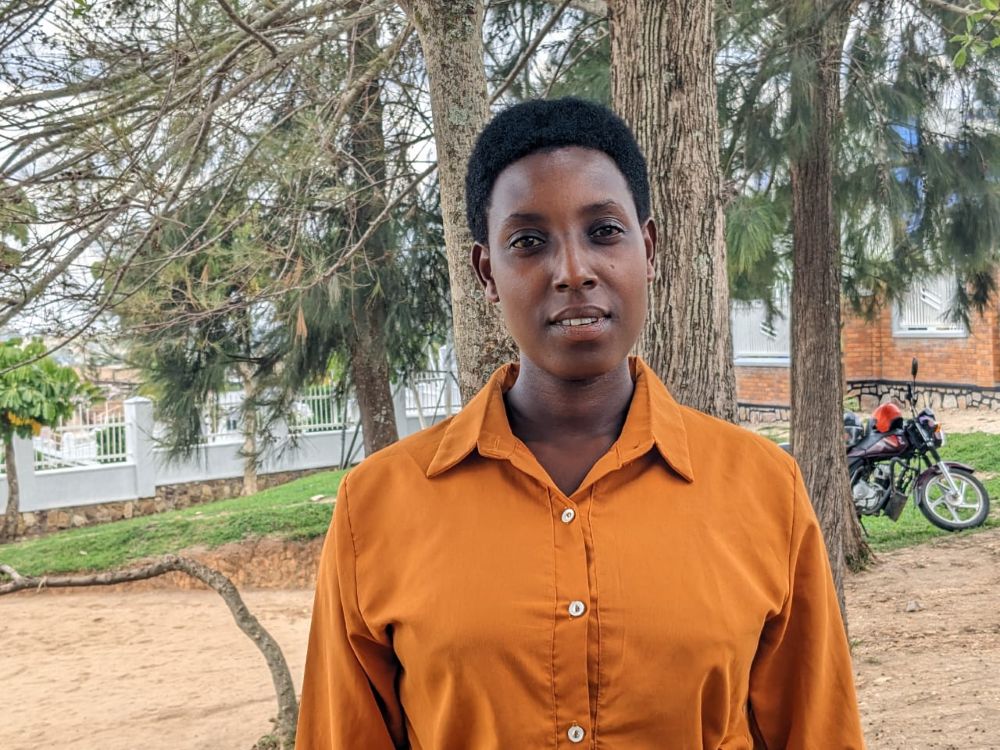
The group initially operated as a savings association, with members contributing between Rwf250 and Rwf1,000. It later began renting land for farming and started with peas, investing Rwf320,000 and earning Rwf1.2 million, according to Musabyimana.
After winning a competition organised under SAIP II for farmers working in irrigated areas, the group received agricultural equipment worth Rwf2.2 million. It subsequently began growing chili peppers.
Musabyimana said the group’s activities are now worth an estimated Rwf8 million to Rwf15 million, compared with less than Rwf3 million before the support.
The group grows peas, chili peppers, and green beans, with chili peppers and green beans destined for export markets.
She said cultivating two hectares of chili peppers can require an investment of between Rwf2 million and Rwf3 million and generate between Rwf10 million and Rwf15 million, depending on production and sales.
Musabyimana encouraged other young people to consider agriculture as a business rather than fear the investment involved.
“Young people should turn to farming because it can generate income. They should not be afraid of it,” she said.
Commercial fruit farming creates new ambitions.
Jean Bosco Gatete, a fruit and vegetable farmer in Nyanza, said support from SAIP II had helped him adopt more professional farming practices and consider expanding into processing.
Gatete cultivates 10 hectares and said the project had supported him with inputs, including seeds and fertiliser, as well as irrigation.

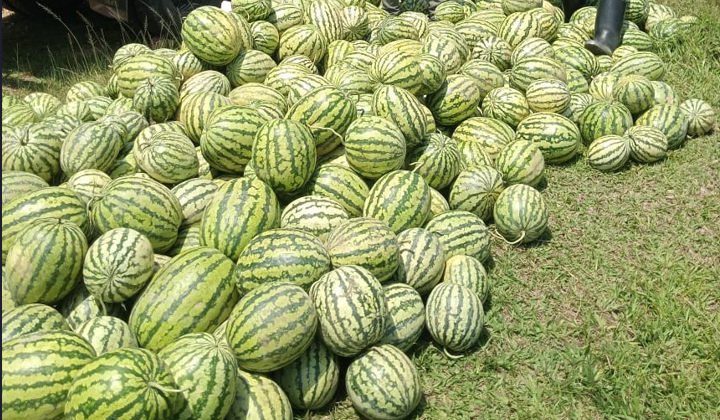
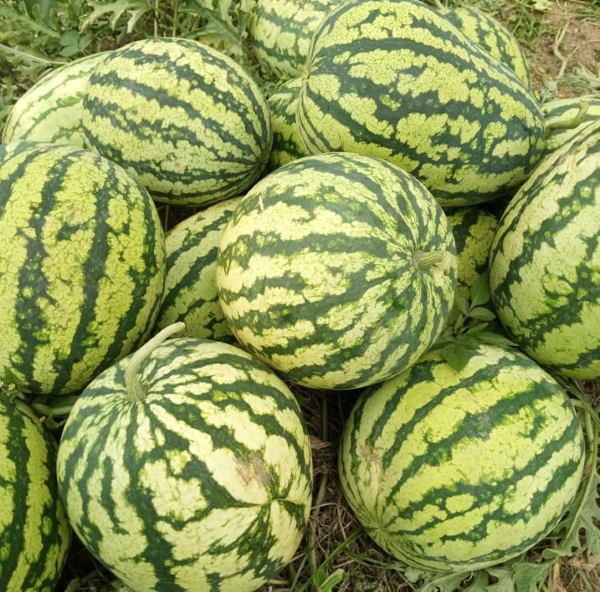
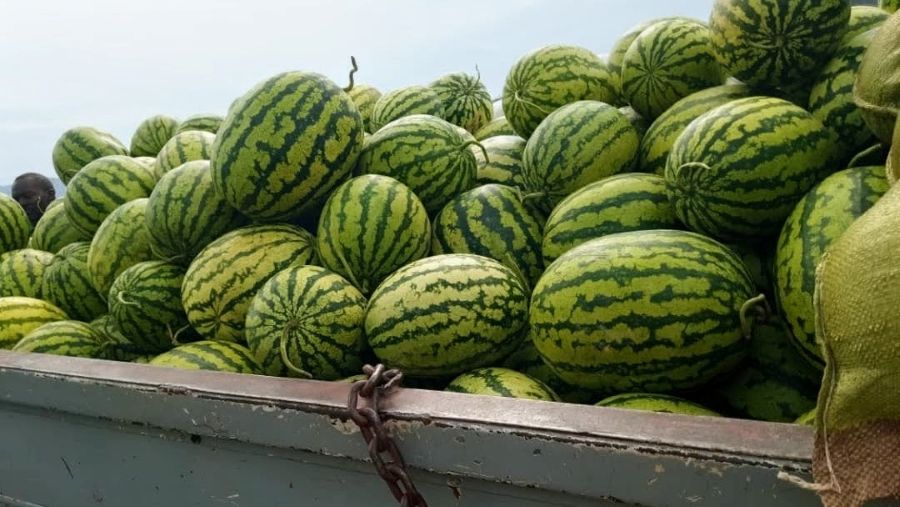
He grows different crops in rotation to maintain a consistent supply to the market. His watermelon production can reach 60 tonnes in a season, he said.
Gatete estimates that cultivating one hectare of watermelon requires an investment of about Rwf2 million, with expected revenue of between Rwf8 million and Rwf10 million.
He said fruit production offers substantial commercial opportunities, although access to seeds can be expensive.
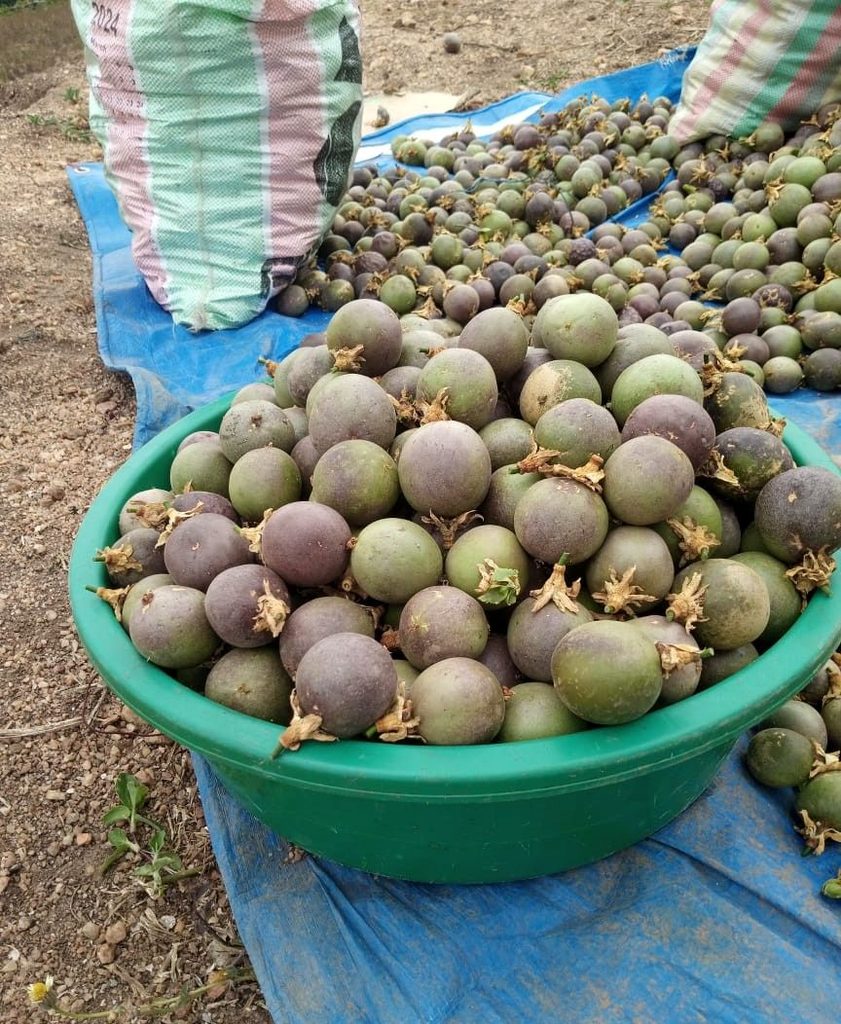
His ambitions now extend beyond growing and selling fresh produce. He is considering establishing a processing plant to make juice from guava, sugarcane, and passion fruit.
Gatete encouraged more farmers to venture into fruit production, saying that demand remains strong and local supply is still insufficient to meet the market.
Modeste Sebazungu, the RAB-SPIU Project Coordinator for Nyanza and Ruhango districts, said SAIP II supports farmers through cooperative training, demonstration farms, agricultural inputs, irrigation, and market linkages.
In Nyanza, the project has supported demonstration farms for chilli production on 30 hectares, helping farmers connect with markets, including export buyers. It has also established demonstration farms for hillside farming on 10 hectares, providing seeds and organic fertiliser.
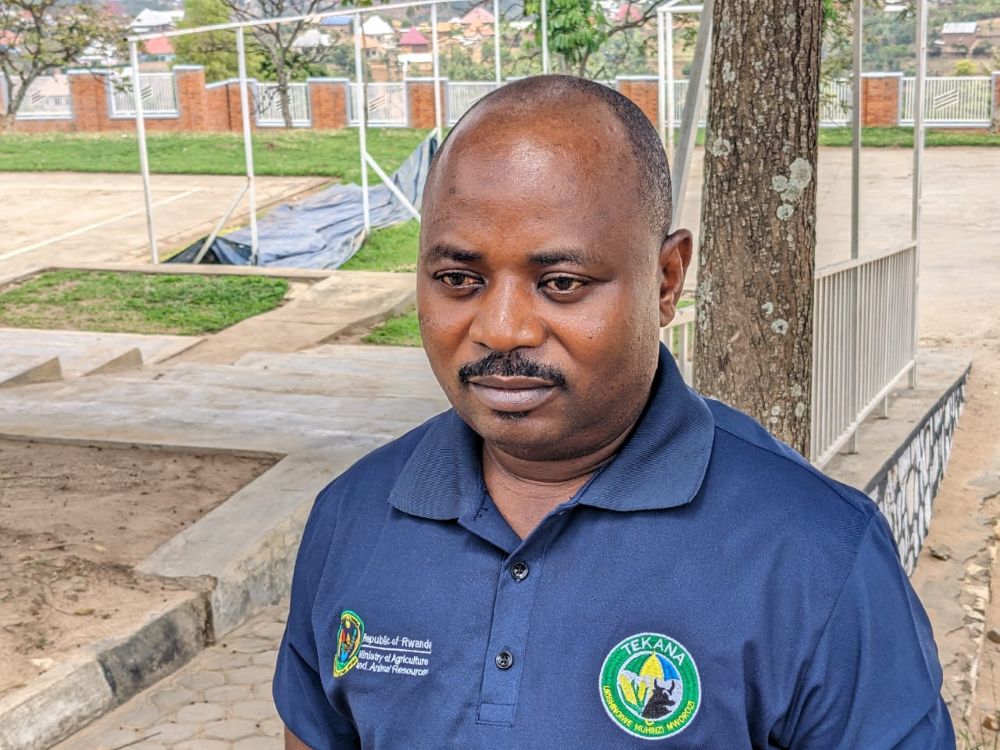
In Ruhango, four cooperatives have received selected bean seeds and compost for cultivation on 24 hectares. Sebazungu said bean yields had increased from between one and 1.2 tonnes per hectare to 1.8 tonnes per hectare on the demonstration farms.
The project is also supporting post-harvest infrastructure. Three cooperatives, KOTURWI, UATA, and KOPANYABWE, are receiving maize-drying facilities, with construction reported to be 80 percent complete.
In addition, six farmers in Ruhango have received small-scale irrigation equipment, while Koabweki Cooperative has received a solar-powered irrigation system covering 25 hectares.
Olivier Sindahera, Ruhango District’s Corporate Service Division Manager, said the project had helped improve food production and access to markets.

He said the district would continue working with farmers to sustain the gains made through the project.
For Ruhango farmers considering new crops, the experience of their counterparts in Nyanza offers practical lessons on choosing profitable crops, improving production, and securing markets before investing.