
 0
0
 0
0
By Kellia Umutoniwase
“Protect your heart by keeping active.” This was the central message delivered to residents during World Heart Day celebrations held on Saturday, October 3, 2026, where the community was encouraged to engage in regular physical exercise to prevent cardiovascular conditions and non-communicable diseases (NCDs) in general.
Among the participants was 19-year-old Ange Kamaliza, who admitted she previously never felt the need to get screened for NCDs, assuming such health issues only affected people over 50.

“Attending this fitness event was an eye-opener. I learned that I should regularly visit health centers for routine checkups, especially for heart health. I used to skip working out altogether, but I’m definitely starting now.”
She added that she plans to pass this message along to other young people who live in the Kibeho sector.
For 49-year-old Habonimana, physical exercise always felt like something meant strictly for the younger generation.
“Now I see things differently, and I’m going to make exercise a regular habit. During the screening, they noticed my blood sugar levels were high, but the doctor told me it’s manageable. I’m following medical advice to keep it under control and maintain a healthy heart.”

Dr. Evariste Ntaganda, head of the cardiovascular diseases division at the Rwanda Biomedical Centre (RBC), noted that NCD cases continue to rise across the country.
“During this campaign, we screened roughly 1,600 people and found that around 40% had underlying conditions they were completely unaware of. We are urging everyone to adopt a habit of getting screened regularly.”
He emphasized that alongside regular exercise, preventing heart conditions requires a balanced diet, quitting smoking and excessive alcohol consumption, and maintaining a healthy body weight.
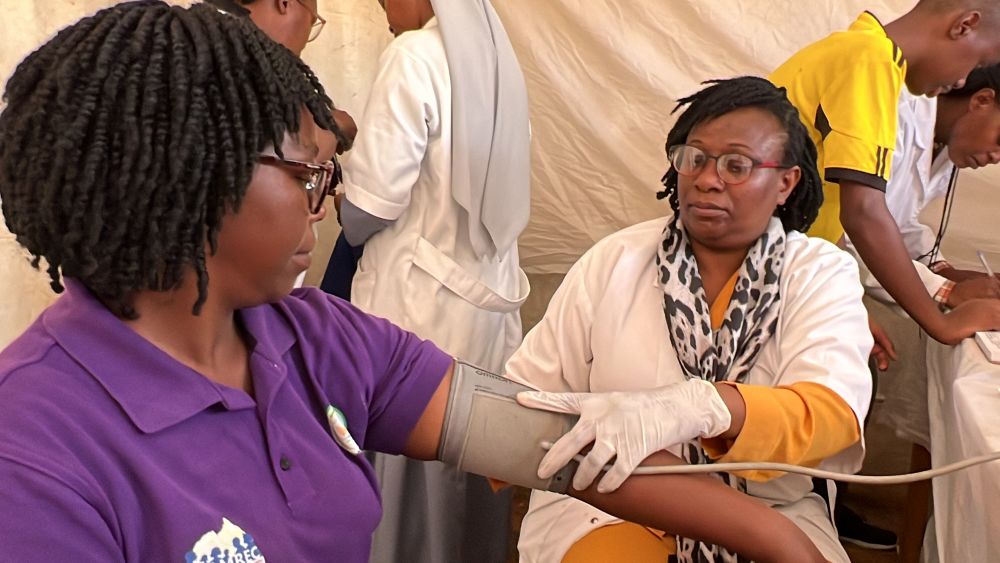
Nyaruguru District Mayor Dr. Emmanuel Murwanashyaka highlighted that the campaign has set a clear task for local leadership to follow up on community screening habits.
“We are working closely with RBC and various partners to reach as many residents as possible. Community health workers, teachers, and local leaders who interact frequently with the public will continue driving this awareness forward.”
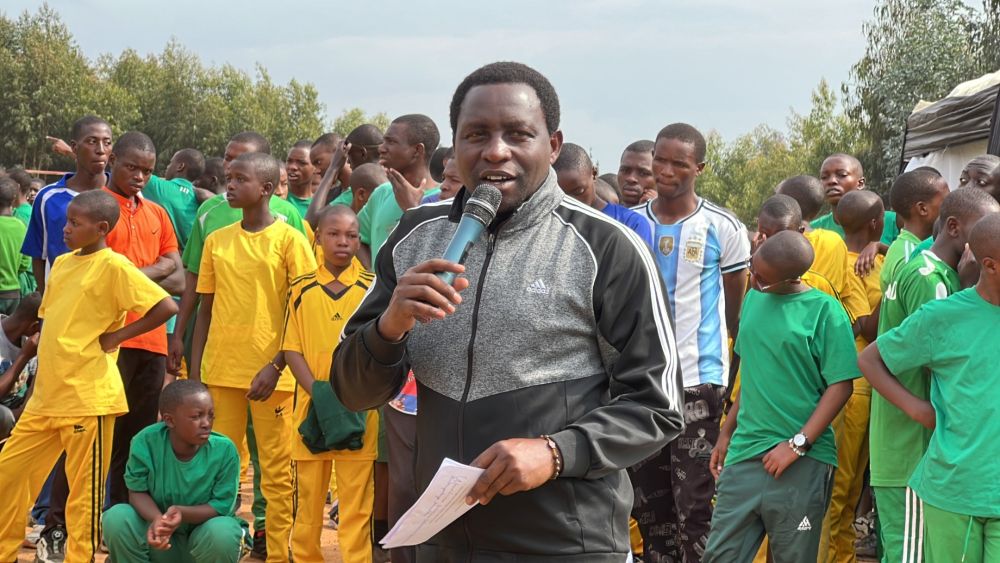
Data from the National Institute of Statistics of Rwanda (NISR) 2025 report underscores the urgency: non-communicable diseases now account for 49.5% of all hospital-recorded deaths in Rwanda, compared to 40% caused by communicable diseases. This marks a significant shift from 2019, when communicable diseases accounted for 70% of deaths and NCDs made up 27.9%.
Over the past six years, non-communicable diseases have steadily increased. They stood at 34.7% in 2020, rose to 41% in 2021, reached 45.4% in 2022, hit 46% in 2023, rose to 47.7% in 2024, and reached 49.5% in 2025.


