
 0
0
 0
0
By Emmanuel Mutangana
For members of Terimbere Youth Kaboku, farming is increasingly becoming more than a way to earn a living.
The youth group in Matimba Sector, Nyagatare District, says training and market support received through the Commercialization and De-risking for Agricultural Transformation (CDAT) Project have helped them improve horticultural production, diversify their income, and approach farming as a commercial activity.
The group operates within Kaboku Cooperative and has 40 members, including 25 men and 15 women. Over the past two years, they have been growing chili and French beans on one hectare.
Fidèle Turanezerewe, president of Terimbere Youth Kaboku, said the group initially lacked the technical knowledge needed to manage horticultural production efficiently.
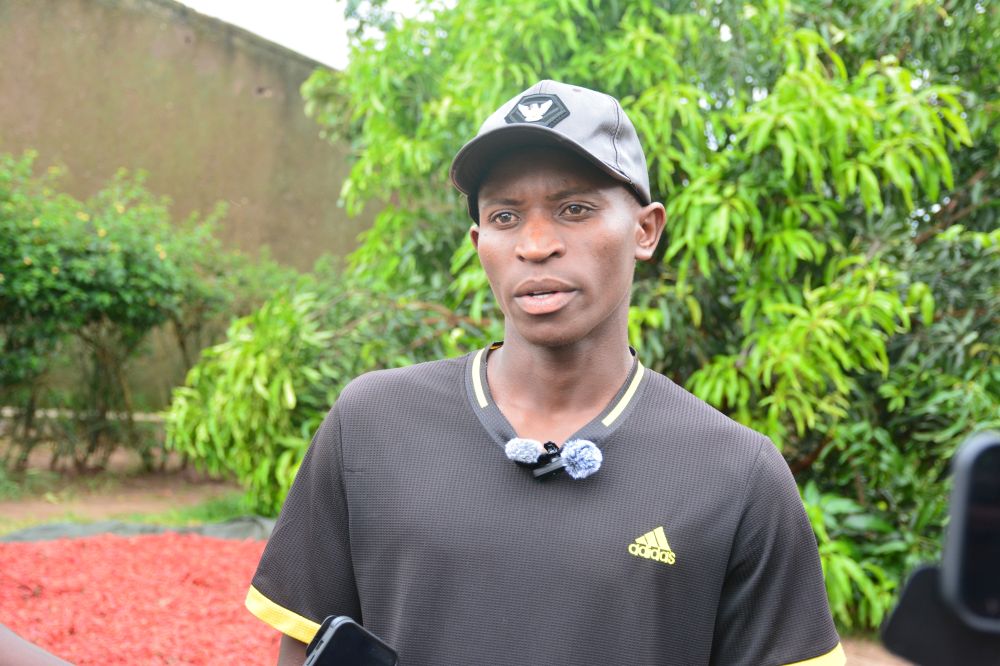
“We started farming without sufficient technical skills. We were using traditional methods and did not have a clear production plan,” he said.
According to Turanezerewe, training provided through CDAT introduced the farmers to improved horticultural practices, including appropriate planting arrangements and the proper use of agricultural inputs.
The group also received crates for harvesting and handling produce, while farmers were trained in producing organic fertilizer from crop residues.
Turanezerewe said the changes have been reflected in production.
The group now harvests about 13 tonnes of chilli, compared with approximately seven tonnes previously, an increase of about 85.7 percent, according to figures provided by the group.
Market access has also become an important part of their farming activities.
The group has a supply agreement with Fish Global, which buys chili from them at RWF550 per kilogram. Turanezerewe said income generated from a hectare has increased from about Rwf5 million to between Rwf7 million and Rwf8 million.
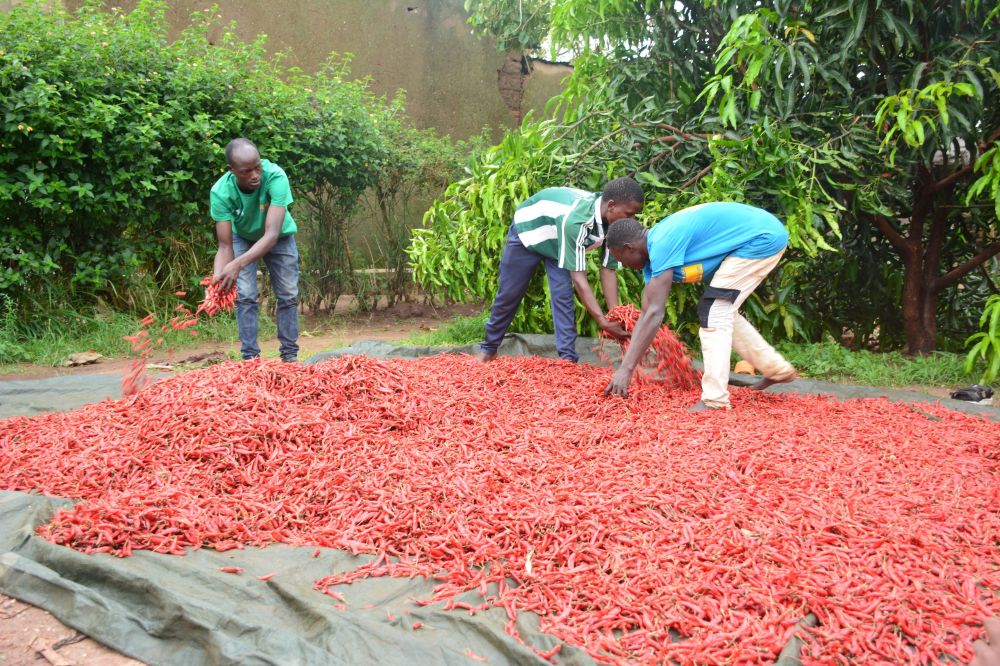
For him, the economic benefits have changed the way he views agriculture.
He said farming has enabled him to build a house estimated at Rwf10 million, adding that he would not leave agriculture for a salaried job paying Rwf300,000 per month.
The group has also expanded into fertilizer production and trading in French beans.
“We also buy green beans from other farmers at Rwf1,200 per kilogram and sell them at the Souk market for Rwf1,400,” Turanezerewe said.
From crop residues to another source of income
The farmers’ activities now extend beyond growing vegetables.
They produce compost from crop residues, including maize and beans, turning agricultural waste into another source of income.
Emmanuel Uhiriwenimana, a member of the group, said producing quality compost was initially difficult until the farmers received training on improved production methods.
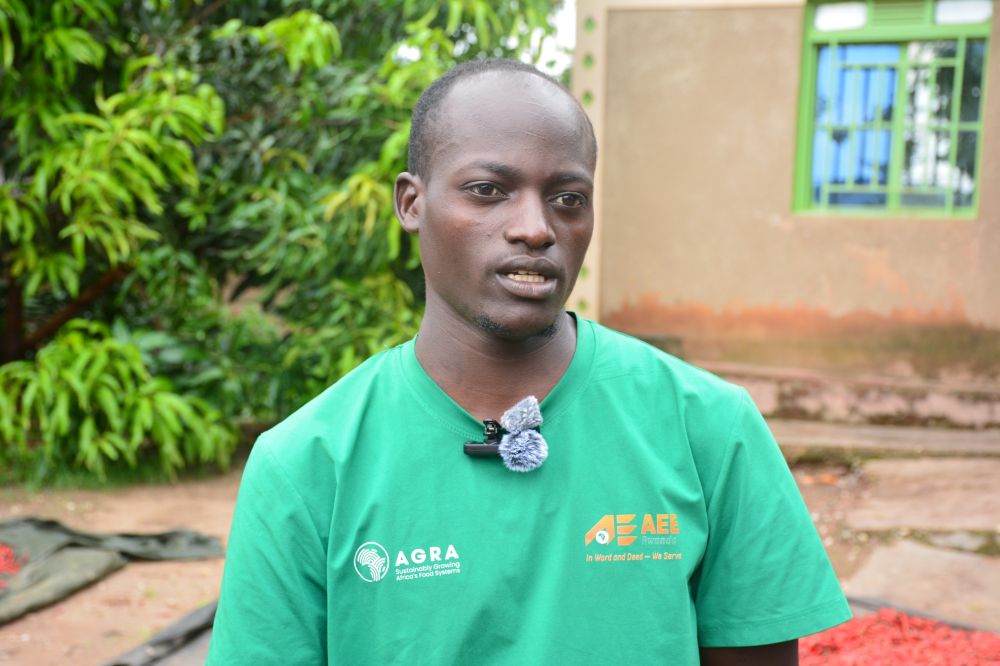
“Our compost was tested, and it met the requirements, after which CDAT started buying it at Rwf35 per kilogram,” he said.
Uhiriwenimana said the group recently produced more than 552 tonnes of organic fertilizer, while figures provided for the project indicate that CDAT purchased approximately 552.2 tonnes from the group under a market agreement.
He said income from vegetable production and fertilizer making is helping strengthen the group and improve members’ livelihoods.
Support beyond training
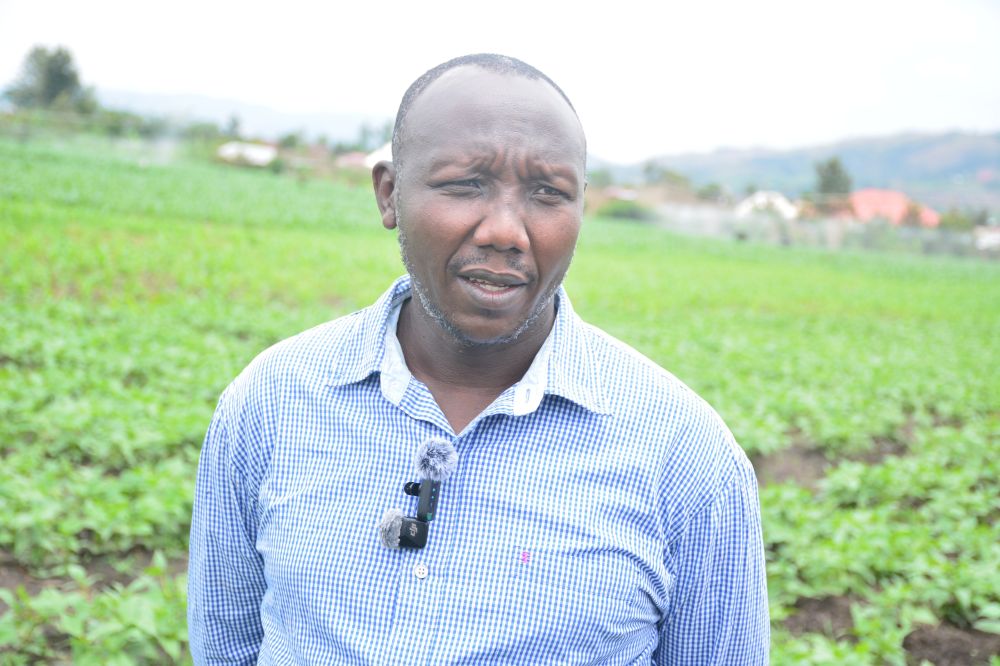
Wilberforce Ngabirano, president of Kaboku Cooperative, said CDAT interventions have helped farmers improve productivity and strengthen their ability to manage their farms.
“Farmers received training in modern agricultural practices, including compost production, while support such as electric sprayers and protective equipment helped make some farming activities more efficient and safer,” he said.
Chantal Muhoza, a horticulture specialist with RAB/SPIU under the CDAT Project, said farmers previously faced several challenges, including limited access to markets, difficulties transporting produce, inadequate information about markets and agricultural inputs, and gaps in knowledge of good agronomic practices.
She said, “The project has responded through farmer training, field demonstrations, study visits, cooperative organization, erosion-control measures, matching grants, and stronger market linkages.”
She added, “Post-harvest infrastructure has also been introduced to help farmers preserve their produce and transport it to markets.”
Muhoza said the project established demonstration farms within cooperatives to give farmers practical opportunities to learn improved production techniques.
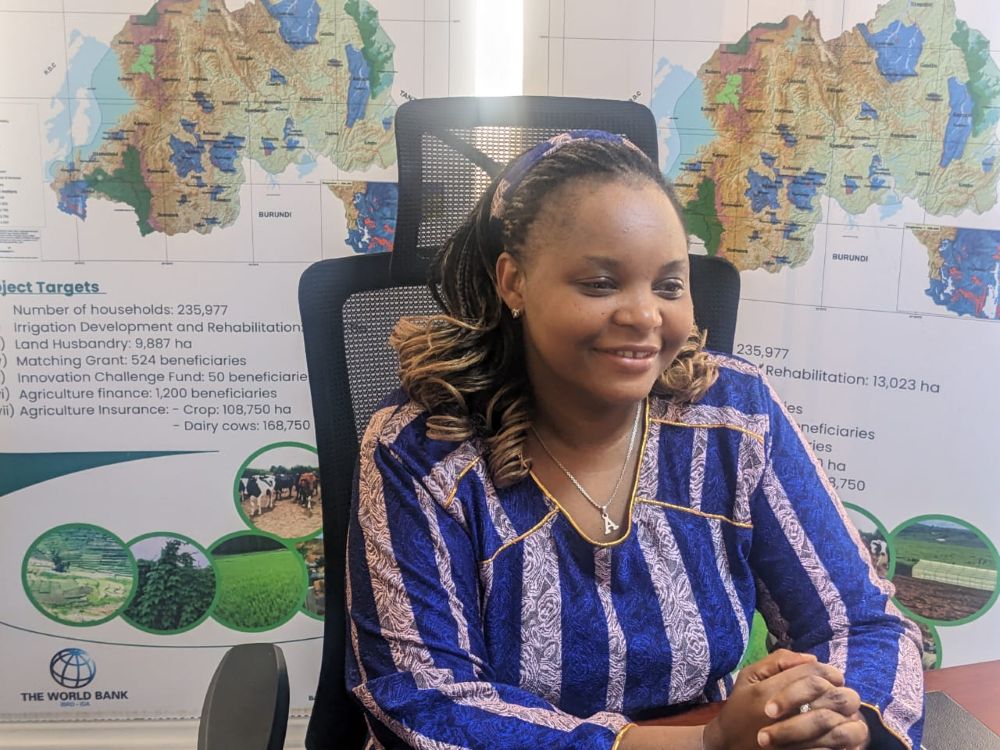
About 4.5 tonnes of seed have been distributed, while approximately 354 hectares of demonstration farms have been established among cooperatives across 15 districts, according to project figures.
Productivity gains across horticulture
Figures provided by the project show that the changes seen in Kaboku are also reflected in productivity trends for several horticultural crops supported through CDAT.
During Season A, chili productivity increased from 7.4 tonnes per hectare in 2023 to 8.9 tonnes per hectare in 2025, a 20.3 percent increase.
French bean productivity rose from eight tonnes per hectare to 10.3 tonnes over the same period, representing a 28.8 percent increase.
During Season B, chili productivity increased from seven tonnes per hectare in 2023 to eight tonnes in 2025, while onion productivity rose from 13 tonnes per hectare in 2024 to 14.8 tonnes in 2025.
French beans recorded a larger increase during the same period, rising from eight tonnes per hectare in 2023 to 11.8 tonnes in 2025, equivalent to a 47.5 percent increase. During Season C, chili productivity increased from six tonnes per hectare in 2023 to 10 tonnes in 2025, representing a 66.7 percent increase.
The project links these productivity gains to its interventions and says higher yields can provide farmers with greater opportunities to increase income and strengthen their ability to supply commercial and export markets.
From production to export markets
CDAT’s support has also focused on connecting farmers to markets beyond local sales.
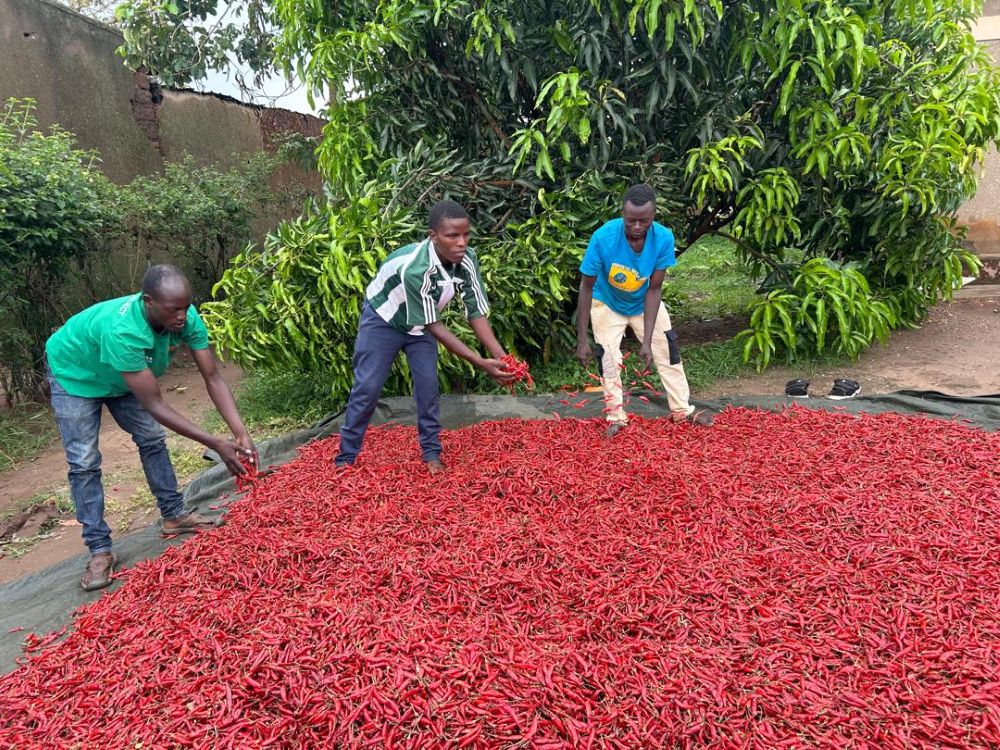
According to project figures, 4,000 tonnes and 319 kilograms of chilli produced by 10 cooperatives were exported, generating approximately Rwf2.16 billion for farmers.
French bean exports reached 3,294 tonnes from 17 cooperatives, generating approximately Rwf1.62 billion for farmers, according to the same figures.


