 0
0
 0
0
By Annonciata Byukusenge
The Regional Rusumo Falls Hydroelectric Project (RRFP), implemented by the Nile Equatorial Lakes Subsidiary Action Program (NELSAP), was set to benefit residents in the eastern part of Rwanda, the northern part of Burundi, and the western part of the United Republic of Tanzania.
The joint development was entered into by the three governments through a Tripartite Agreement signed on February 16, 2012.
The construction activities began in 2017, and the project was completed in January 2024, as it began to deliver electricity in November 2023 to 31st January 2024. The 80MW Regional Rusumo Falls Hydroelectric Project delivered a total of 66 million kWh of electricity to three countries in that period.
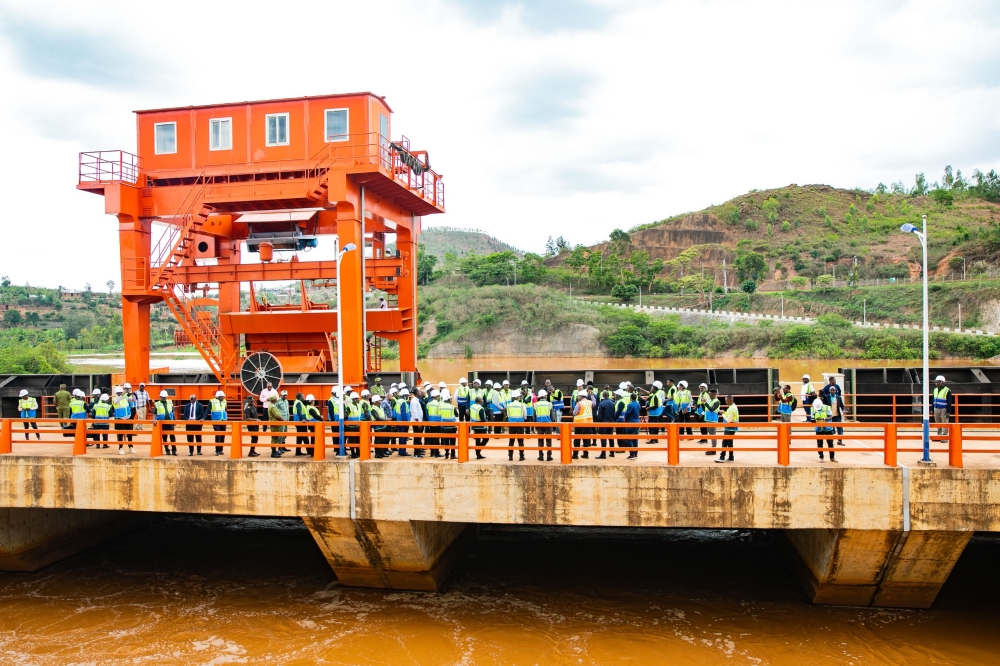
The project is located at Rusumo Falls, at the common border of Rwanda and Tanzania on the River Akagera.
The power production facilities are located entirely on the south side of the bank of the Akagera River in Tanzania, while the substation is located on the northern side of the bank of the river in Rwanda.
The hydropower project, costing $340 million, is estimated to produce about 80 megawatts of electricity.
The residents who talked to The Forefront Magazine said that accessing water, health services, and a comfortable place for business before the Rusumo project was difficult.
Ndaruhutse Eric wakes up at five in the morning every day. He spends his day farming a small 5-hectare farm in Ngoma, a district in eastern Rwanda.
The 56-year-old father never imagined that his efforts in the fields would pave the way for men in his remote village to pursue prosperous lives, as he told Forefront Magazine.
From his childhood, he didn’t see water tanks in their village of Nyamigina, Gahima cell, Kibungo sector.
Ndungutse remembers the journey of life without water, school rating, food security issues, malnutrition for kids, power, sanitation, and other issues related to water in daily life. This issue affected their daily life and livestock because many cows were killed during the long journey to the source of water at Kideheri.
“We were affected by water issues many years ago, including our cows. We were crossing 10 km to fetch water and to reach water for cows. Many cows are killed by this long distance, especially the pregnant cows. There were not enough crops because we spent the work hours on a journey to fetch water.”
He added that he lost more than 10 cows in this struggle. “The pregnant cows can’t walk 10 km to go to the top of the mountain; the reason why some of them died was because of a long journey, and others gave birth to premature calves.”
The image of wedding and baptism ceremonies without water in the Kibungo sector
Ndungutse focuses on the image of a ceremony without water in Gahima Cell, Nyamigina village, and how their neighbors contributed to fetching water to support the family’s ceremony.
“When a family has a ceremony like a wedding or a baptism, we contribute to fetching water at the Gatonde cell, Kideheri source. One jerk costs 200 Rwf. It was very expensive for vulnerable families and low-income families; it was too much because no family could use one jerk per day. It was not enough.”
It is not only domestic activities that are affected by water crises; children are also affected, and they have lower performance in class because of traveling long distances to fetch water in the morning and evening.
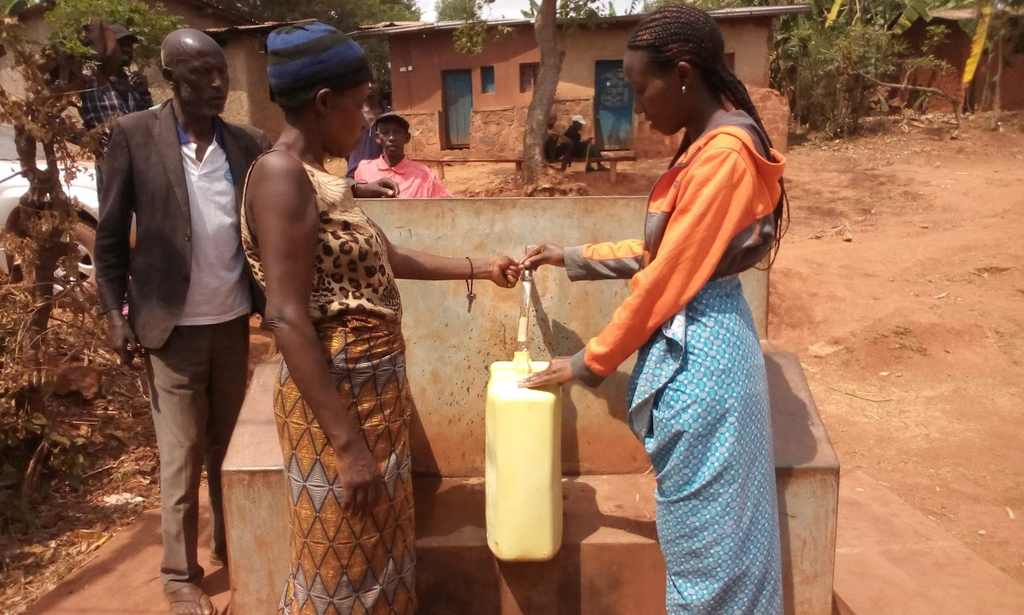
Mukantagwabira, a woman in her 40s with three children, said that before the water was brought closer to their community, children were unable to study in the evenings after school or arrive at school on time in the mornings because they had to travel long distances to fetch water, while parents were also busy trying to make a living.
“Normally, when a parent has school-going children, they must create time for them to revise their studies. But this was not the case for children in Kibungo three years ago. They would spend about three hours going to fetch water from a valley and would then climb a hill for over an hour on their return. It was so exhausting that many times, children would fall asleep without even washing because they were too tired and would even miss meals due to the long journey.”
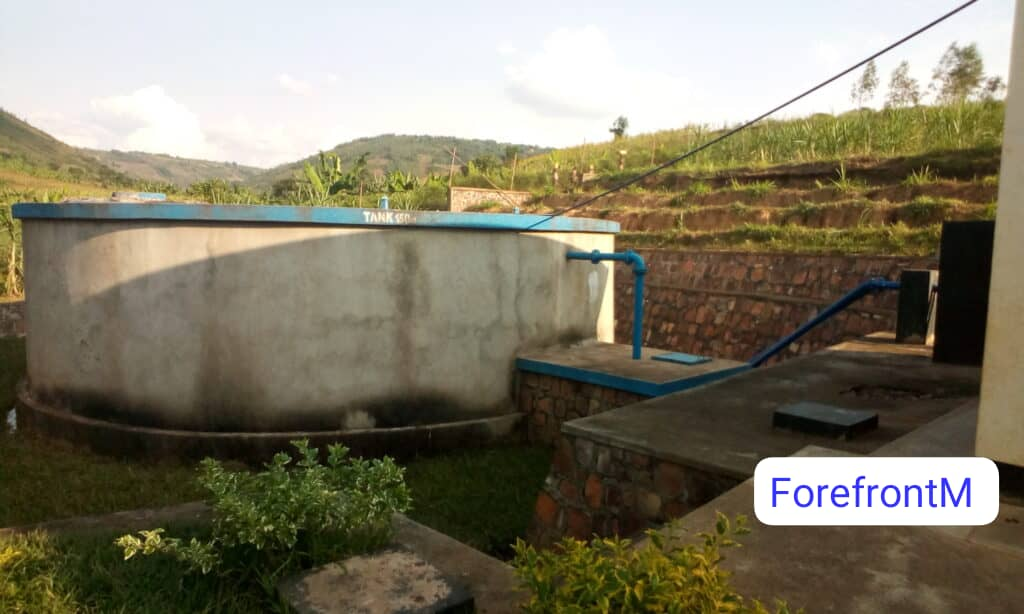
She added that the lack of nearby water sources negatively affected children’s education. When parents were unable to fetch water, the children would miss school the following day. But now, they can fetch clean water in just two minutes, and the image of education in the east, especially Ngoma district, has changed.
“The children were not studying effectively because where we used to fetch water in Nyakagezi was very far. If you went to bed without bathing because you prioritized cooking for your children and husband, the next day, you had no choice but to keep the child at home. We sincerely thank the Nile Equatorial Lakes Subsidiary Action Program (NELSAP), which brought us closer to clean water. Now our children can study well because water is nearby.”
According to the National Examination and School Inspection Authority (NESA), regarding the 2023-2024 academic year, districts in the Eastern Province led the way in student performance on national exams. At the primary level, students achieved an overall pass rate of 88.21%; the Eastern Province ranked first, with Kirehe District taking the top spot at 99% and Ngoma District ranking third at 90%. In the 2025-2026 academic year, Kirehe and Kayonza ranked first with a pass rate of 99.88%, while Ngoma achieved a pass rate of 95.27% with the second rank.
How this situation changed
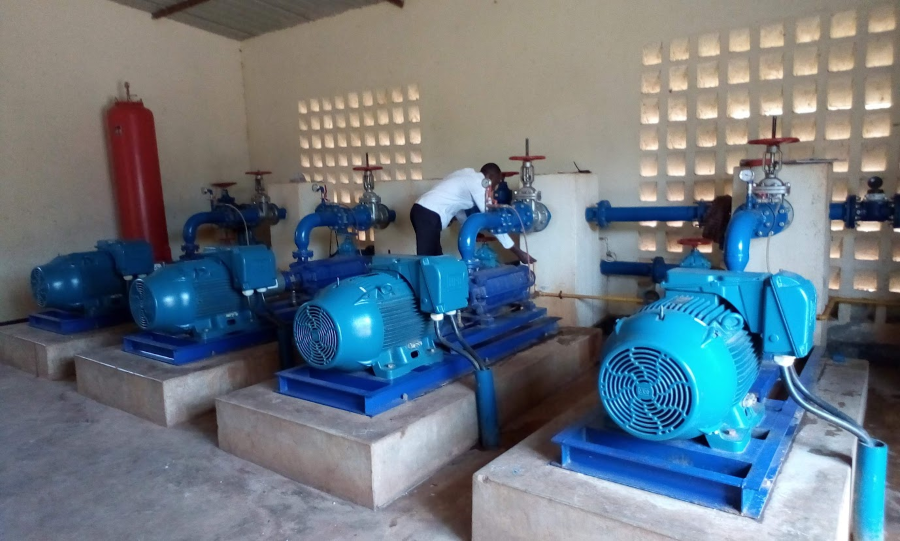
“In 2015, local leaders told us that Rusumo Hydropower Falls was going to be built on the border and that the benefits would come back to us. We did not understand this because we felt that the benefits were from the government and citizens would get nothing but the jobs they told us we would gain. At this time, the benefits have started to reach us because the Rusumo project built us water tanks, a public water supply, and a water station in our cell,” Ndungutse said.
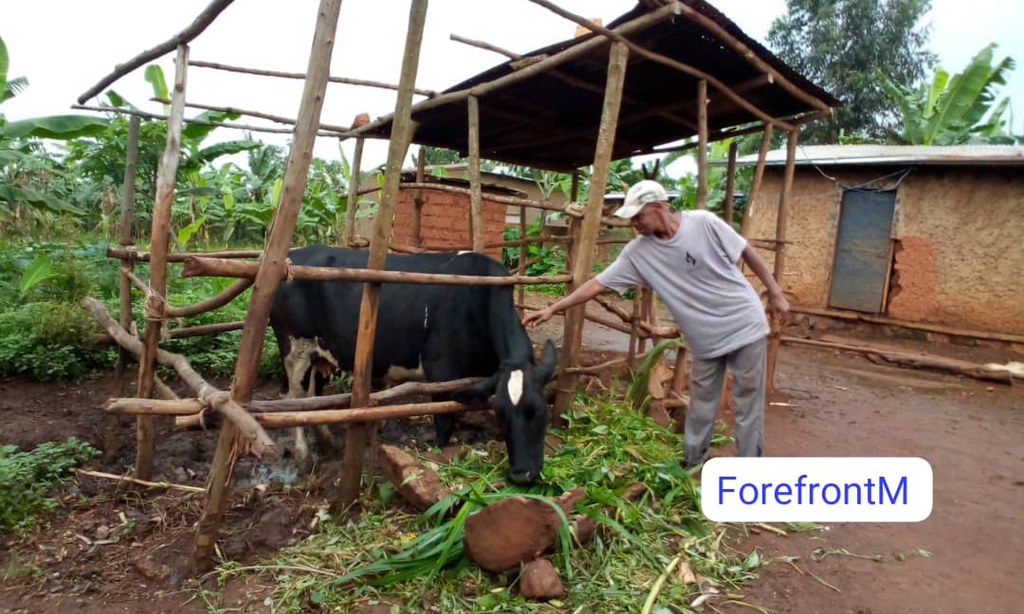
He added that livestock production also improved. “My cow provided me three liters (3L) in the morning and two liters (2L) in the evening. After having water in our village, my cow provides me eight liters (8L) in the morning and six liters (6L) in the evening.”
From street sales to the commercial owners
Léandre Uwineza is one of the traders who previously incurred losses due to operating in old, cramped buildings of the Sake market.
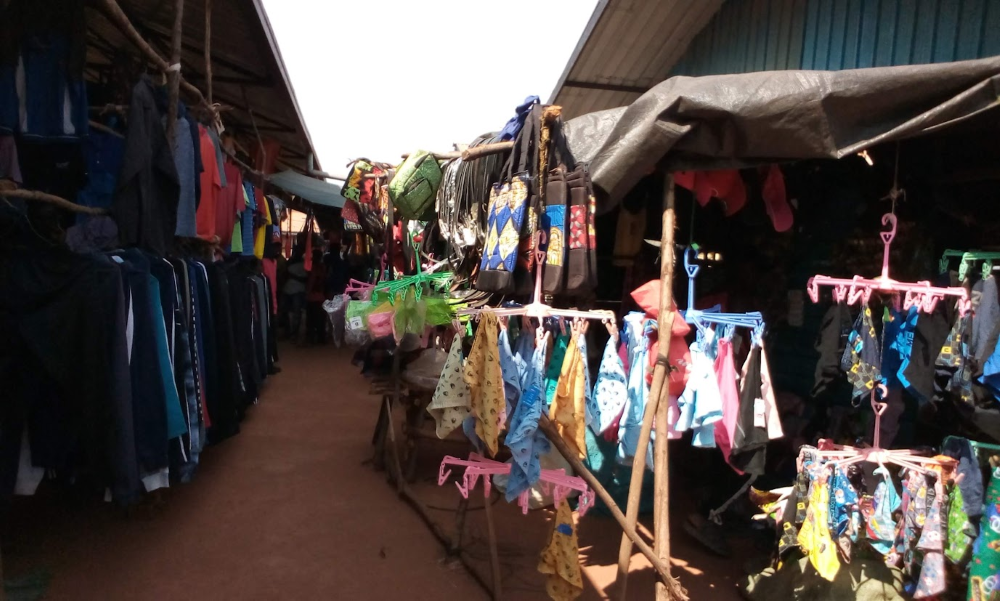
“On April 23, 2024, heavy rain fell, and water flooded my shop, damaging my goods. I lost merchandise worth 200,000 Rwandan francs. I’m confident I won’t face such losses again because the underlying issue has been permanently resolved.”
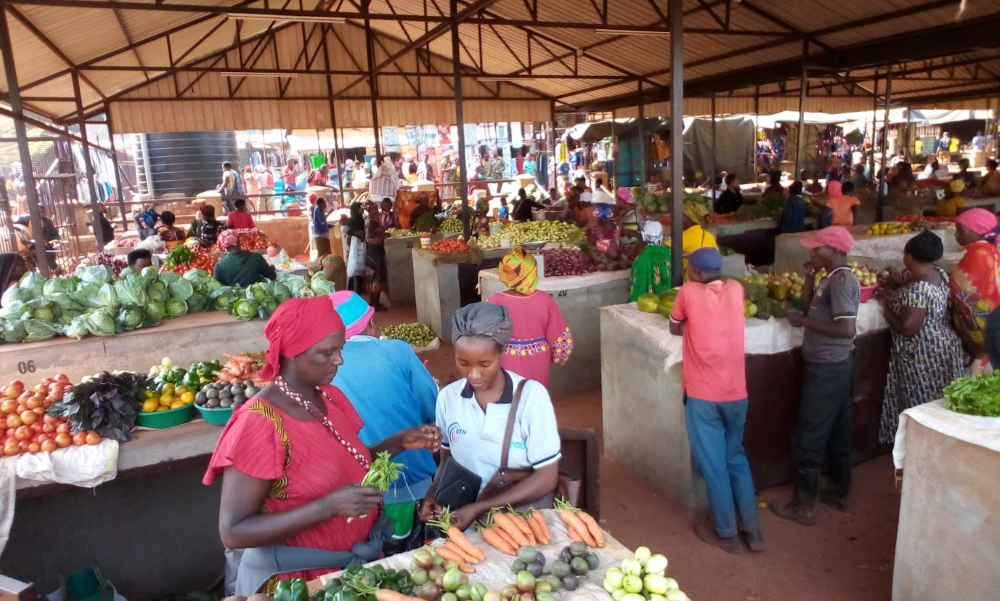
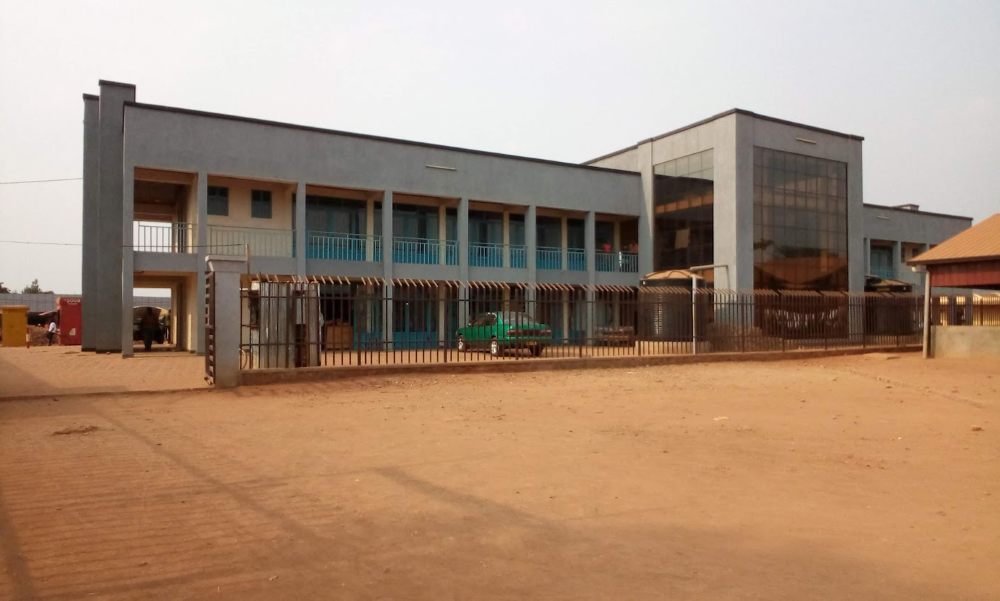
Jean de Dieu Fungaroho is among the traders operating in the new Sake market building constructed by NELSAP. He explains how difficult it was to run a business before the introduction of the new infrastructure.
“Before NELSAP built this market for us, we used to trade in small, old shacks. Some even operated from makeshift structures covered with iron sheets due to a lack of proper working space. Now, we run our businesses comfortably in a spacious and decent facility, and we’ve also expanded our business.”
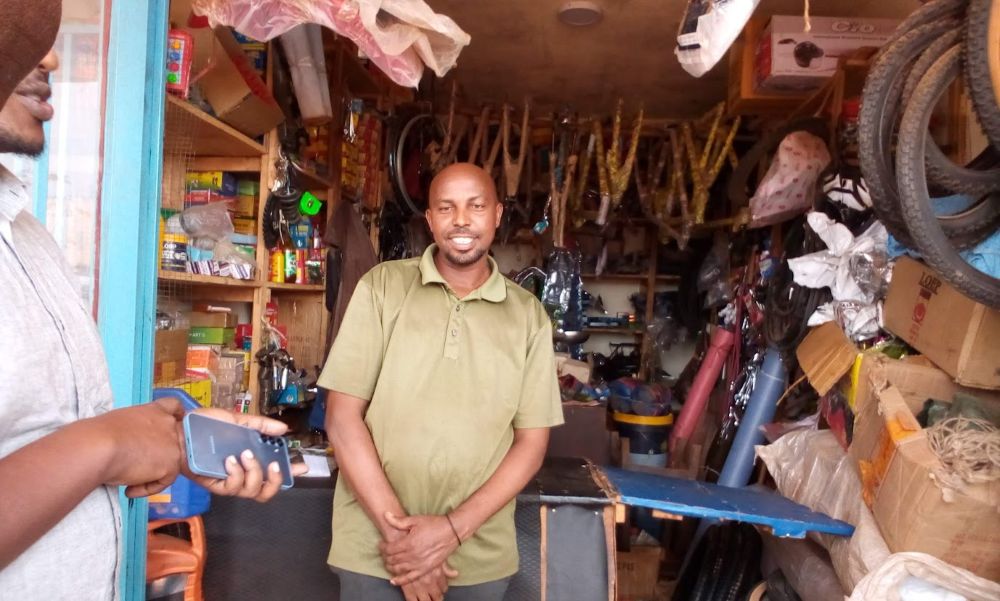
He added that in the past, they couldn’t trade all year round because weather conditions forced them to close their shops.
“I sell auto parts and replacement components. During the rainy season, I couldn’t operate because water would flood the shop and damage some products, causing mold or breakage from improper stacking while trying to keep them dry. Aside from water entering the shop, the roofs leaked, so we’d be soaked even while indoors.”
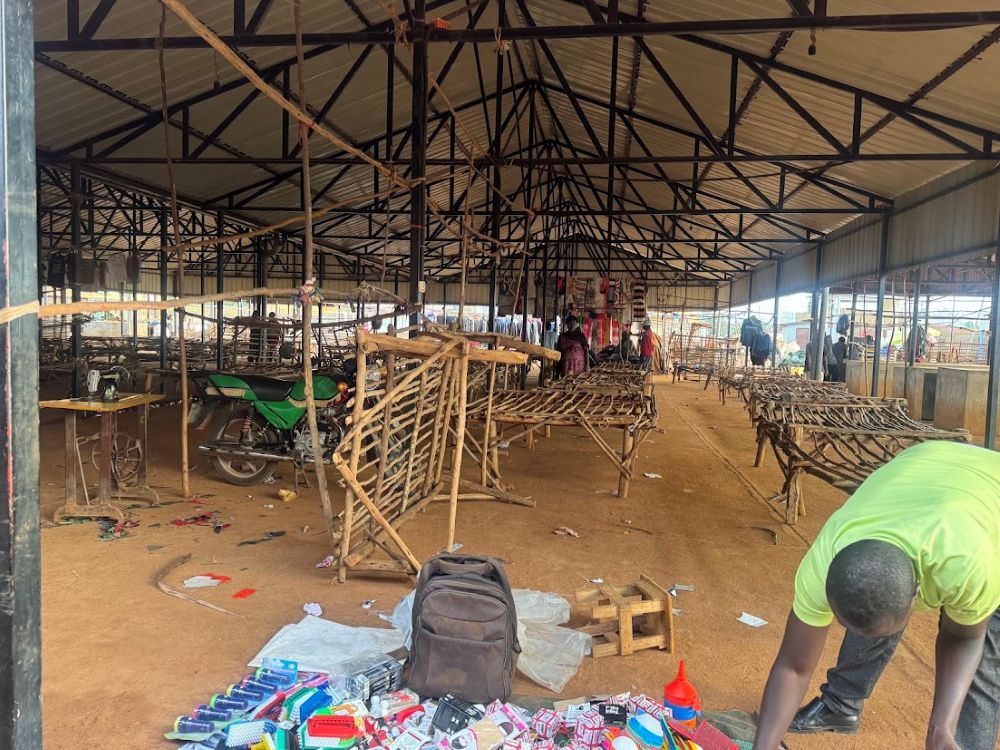
His monthly income has increased, not just because of expanded business but also due to better infrastructure.
“Before we had a proper market, I earned about 250,000 Rwandan Francs per month. Now that I’ve expanded my inventory and operate in a more attractive place, I’ve gained more customers and now earn around 400,000 Rwandan Francs monthly.”
From 18 km to 1 km of travel for accessing health care services
Women who receive excellent care from a nurse during childbirth often feel a profound mix of gratitude, relief, empowerment, comfort, connection, respect, and joy. These emotions are a testimony to the invaluable role that nurses play in supporting women through one of the most significant moments of their lives. This has happened at Kigina Health Center, Kirehe District, as mothers say.
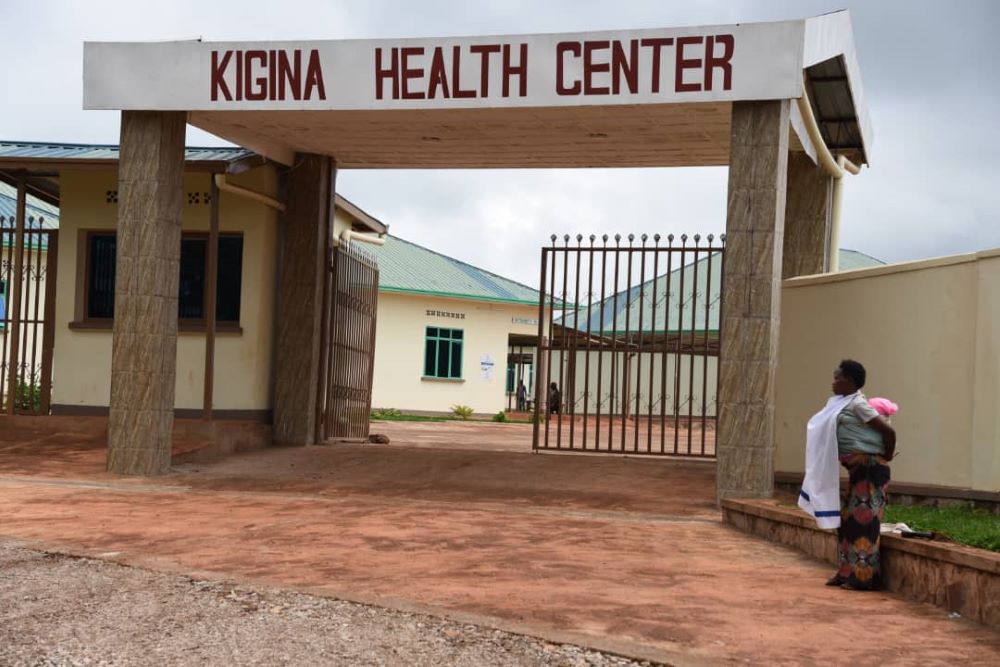
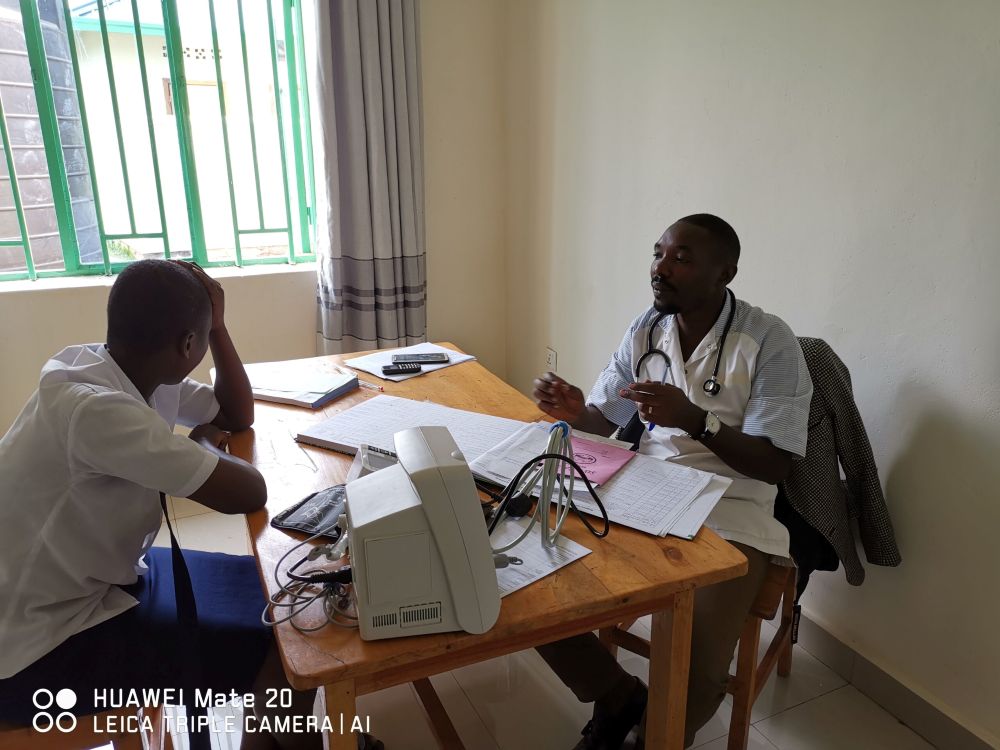
Micheline Batamuriza, a 45-year-old mother, never envisioned that by age 40 she would be walking long distances to seek health services in her neighborhood.
“From my childhood, I traveled to the hospital at a distance of 18 km in the other sectors. It was a big challenge because when you feel ill and walk this journey, you feel twice as ill. In our sector, Kazo, for 40 years we didn’t have a health center that could provide services to pregnant women.” Said Batamuriza.
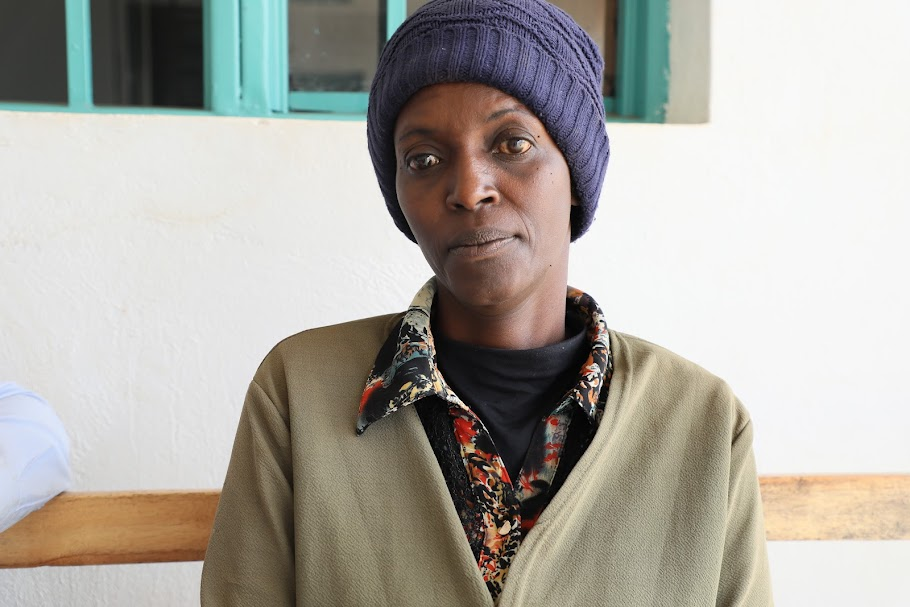
The image of pregnant women walking 18 km to access health services
“To be pregnant 20 years ago was a challenge, even necessary to have a family. Many women died during and after giving birth at home, because no health center existed in the Kazo sector.” Said Batamuriza.
She added that the long journey to reach the health services required many things like transport, takeaway food, and drink to take with a pregnant woman when going to the health center for a check-up.
“Many women decided to give birth at home because going to Mutenderi or Kibungo Health Center is very expensive. During hospitalization, we thought about how a person would take care of us with a journey of 18 km, and we needed nutritious food; the family at home also needed to eat, hospitalization fees, and other basic needs for a woman who gave birth. Those things pushed us to give birth at home.”
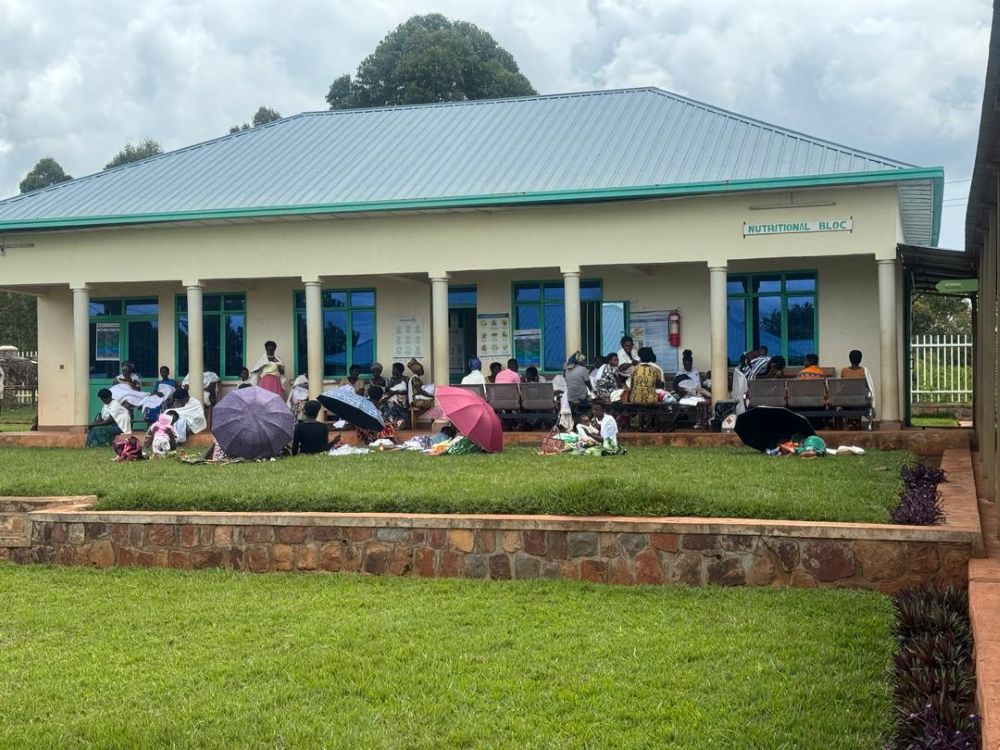
For this time, we appreciate the services provided by Kigina Health Center nurses. “I came here yesterday, and yesterday at 4 PM I gave birth safely. The nurses took care of my baby and me. We are healthy. From the cleaners to the high authority in Kigina Health Center, they have enough skills in customer care.”
Kigina Health Center offers 19 services, some of which are the Pediatric Development Clinic (PDC), Maternity, Prenatal services, Vaccination, Nutrition, Urgency, Laboratory…
Abdoul Karm Rukundo, the Assistant Manager of Kigina Health Center, told Forefront Magazine that since the health center opened on June 2, 2019, they have been able to serve many patients who previously had to travel distances of between 10 and 13 kilometers to access healthcare services.
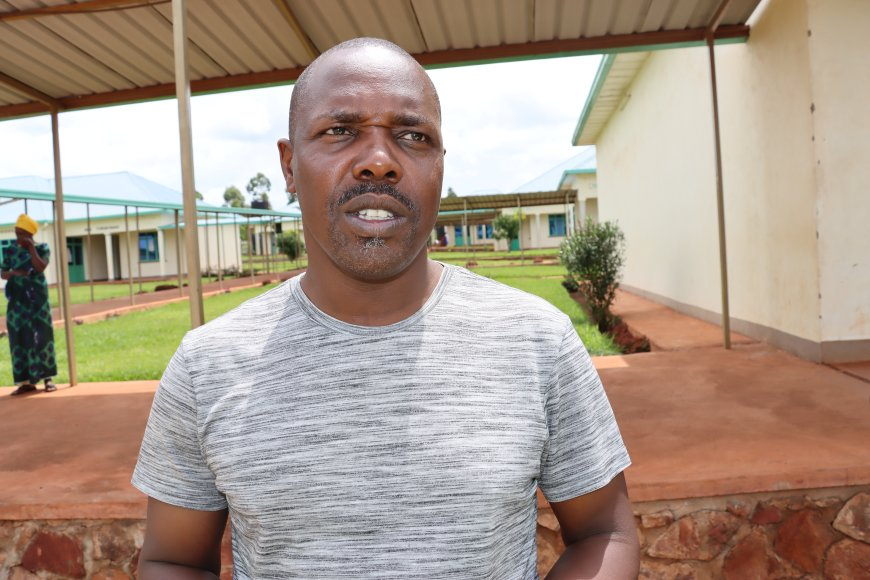
“Residents of Kigina Sector welcomed this health center, and they no longer need to seek services elsewhere. Currently, we serve about 32,900 outpatients per month, but the facility can hospitalize up to 46 patients at a time.”
Forefront Magazine has talked with Mr. Celestin Mutabazi, in charge of Infrastructure and Natural Resources in Ngoma district, and said that they received support, but they chose the infrastructures which are priority to the community.
“Our district is the one in the Eastern Province that faced water issues, but two years ago this problem was resolved. Our people have clean water near their homes, and livestock improved. We received five million and eighty-three thousand US dollars (5. 83000.000 USD) to implement these activities.”
Families affected by the Rusumo Dam project are welcomed into a Modern Model Village
Residents whose homes were damaged by the construction of the Rusumo hydropower dam say they are grateful that the project prioritized their well-being over public utility. A model village is being built for them, providing safer housing and improved living conditions.
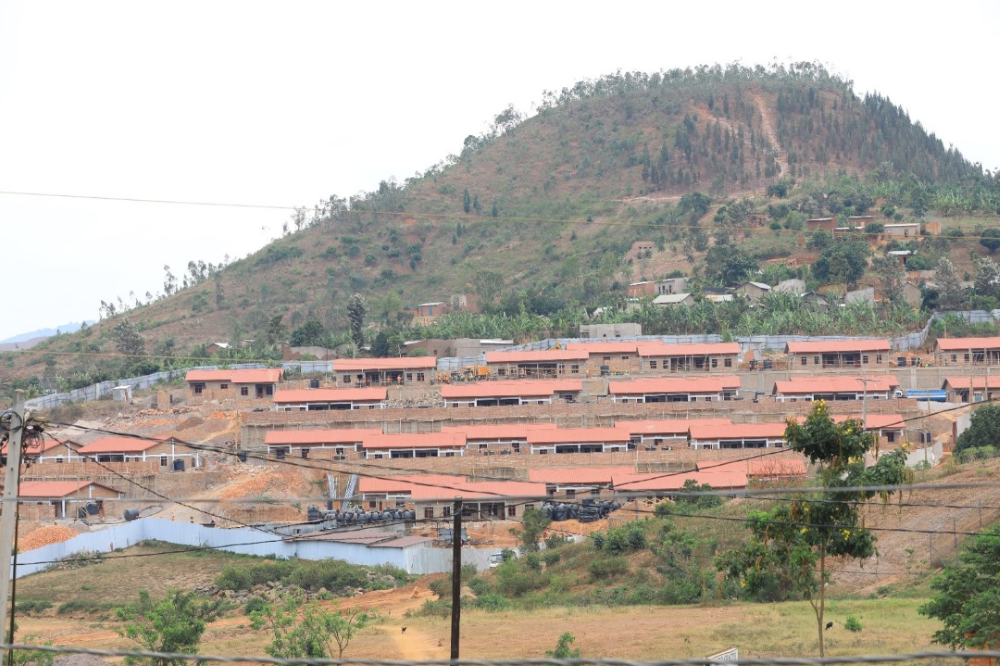
Many of these families had previously lived in high-risk zones or in old, unsafe houses that the government had already warned could endanger their lives.
One of the beneficiaries, Tharcisse Ndayambaje, from Nyankurazo Cell in Kigarama Sector, Kirehe District, recalls how their lives changed after the dam construction.
“People who lived directly where the dam and related infrastructure were built received compensation and were resettled elsewhere. But those of us living nearby continued staying in our homes. Over time, the blasting used in construction shook the ground, destroying many of our houses. Some became so unsafe that they could no longer be lived in,” he said.
Kirehe District Mayor Bruno Rangira emphasized the long-term benefits of the project.
“Initially, the plan was to simply repair the damaged homes, but we realized it would not be sustainable. Building a new model village was the best solution. Along with the houses, we are also constructing an early childhood development center, a primary school, and even a cowshed for livestock keepers.”
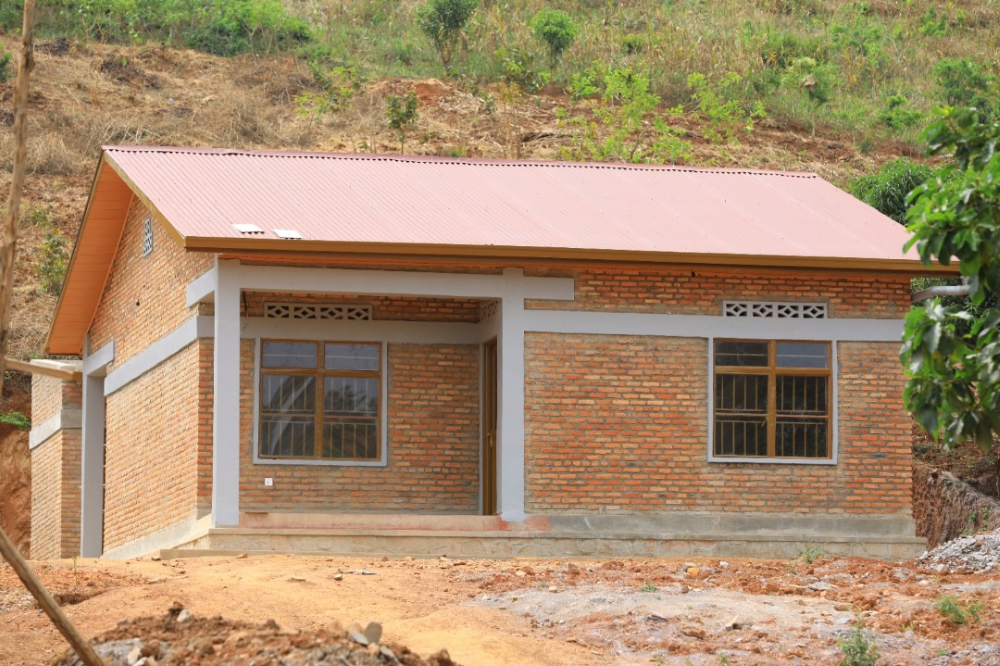
With these developments, families displaced by the Rusumo Dam project now look forward to starting a new chapter in a safer, better-equipped community.
How did NELSAP confirm the need to build new houses for this community?
Anthony Shumbusho, Environmental Compliance Inspector for the Nile Equatorial Lakes Subsidiary Action Programme (NELSAP-CU), said that following claims from affected households, a committee was formed comprising the Rwanda Housing Authority, Kirehe District, Police, and others to fast-track the construction of the housing units.
“The team assessed each house of those who submitted claims and presented the report to us. The report identified homes in critical condition, requiring relocation and the provision of new housing.”
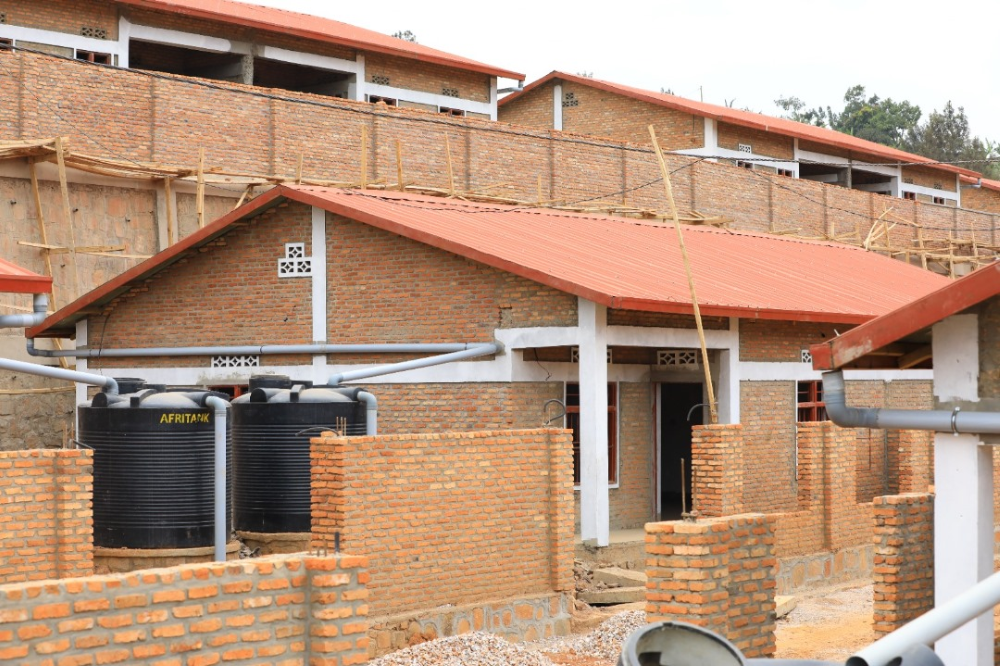
He added that 80 households are to receive new homes, and an additional 14 households, who owned land elsewhere, will have houses built on their plots.
“At least $4.2 million (approximately Rwf6 billion) has been allocated for the construction of the houses and associated facilities.” Said Shumbusho.
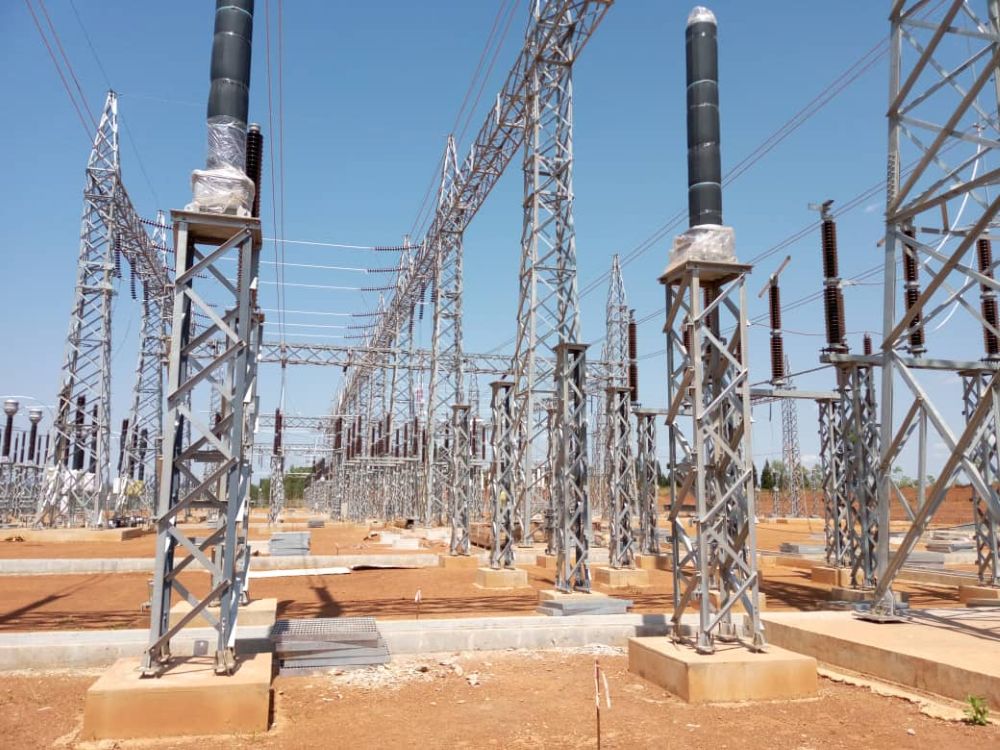
The project is also expected to supply electricity to Bugesera International Airport.
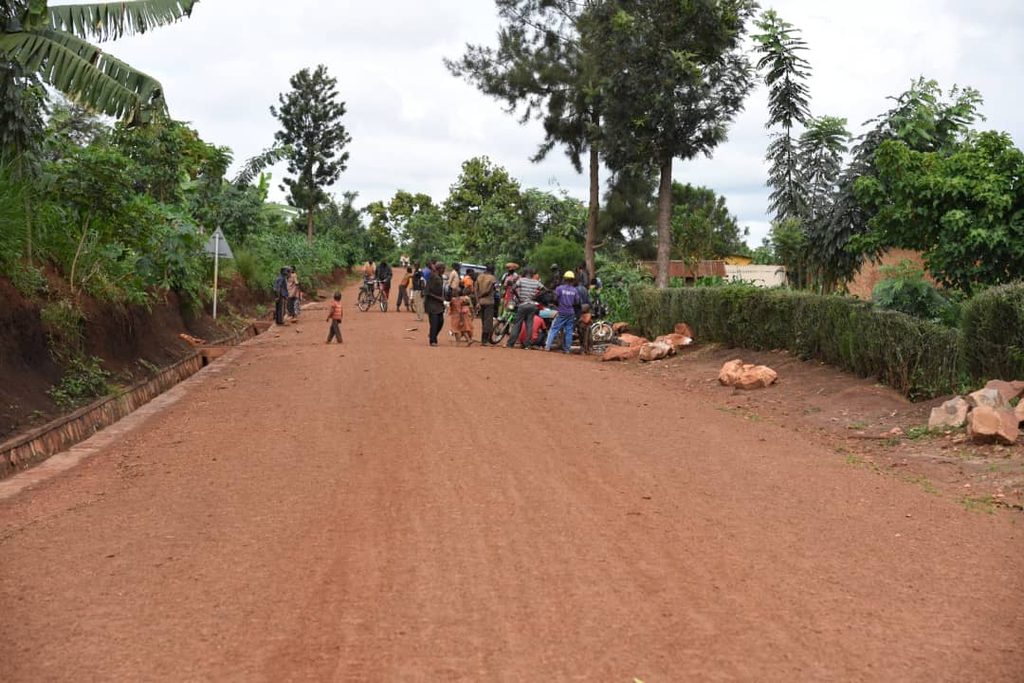
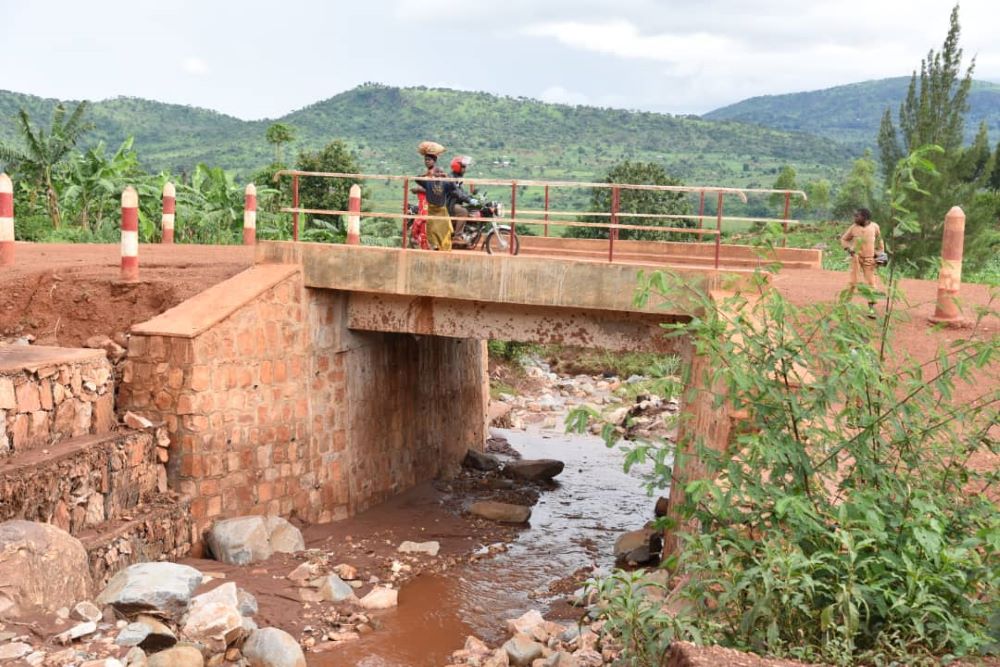
On the Rwandan side, it includes the rehabilitation of 30 kilometers of feeder roads in Kirehe District, the construction of 28.7 kilometers of roads in Ngoma District, a water pipeline to supply 10,500 people in Gatonde–Gahima cells, a 33-kilometer Gituku–Murama water supply system, and the construction of 9.54 kilometers of the Kigabiro–Rurenge–Gatore feeder road, among other developments.