
 0
0
 0
0
By Emmanuel Mutangana
Rwamagana District says expanding access to irrigation is becoming one of its most effective strategies for increasing agricultural production, creating jobs and strengthening resilience to climate change, as hundreds of farmers benefit from small-scale irrigation systems introduced under the Second Sustainable Agricultural Intensification and Food Security Project (SAIP II).
According to Richards Kagabo Rwamunono, Vice Mayor in charge of Economic Development, irrigation has evolved beyond a farming technology into a key driver of rural economic transformation, enabling farmers to produce throughout the year while creating employment across the agricultural value chain.

“Irrigation has become more than a farming technology. It is strengthening rural economies by enabling year-round production while creating employment throughout the agricultural value chain,” he said.
The vice mayor noted that only about 11 percent of Rwamagana District’s irrigable land had previously been developed through traditional public irrigation schemes, leaving much of the district’s agricultural potential untapped.
He said SAIP has helped address that challenge by expanding access to small-scale solar-powered irrigation systems.
“During the first phase of the project, 17 solar-powered irrigation systems were installed, while the second phase added more than 20 additional systems. Together, they support nearly 300 hectares of farmland, helping farmers who previously had no access to irrigation water,” he said.
Rwamunono described irrigation as one of the district’s most effective climate change adaptation measures because farmers no longer have to wait for the rainy season before planting.
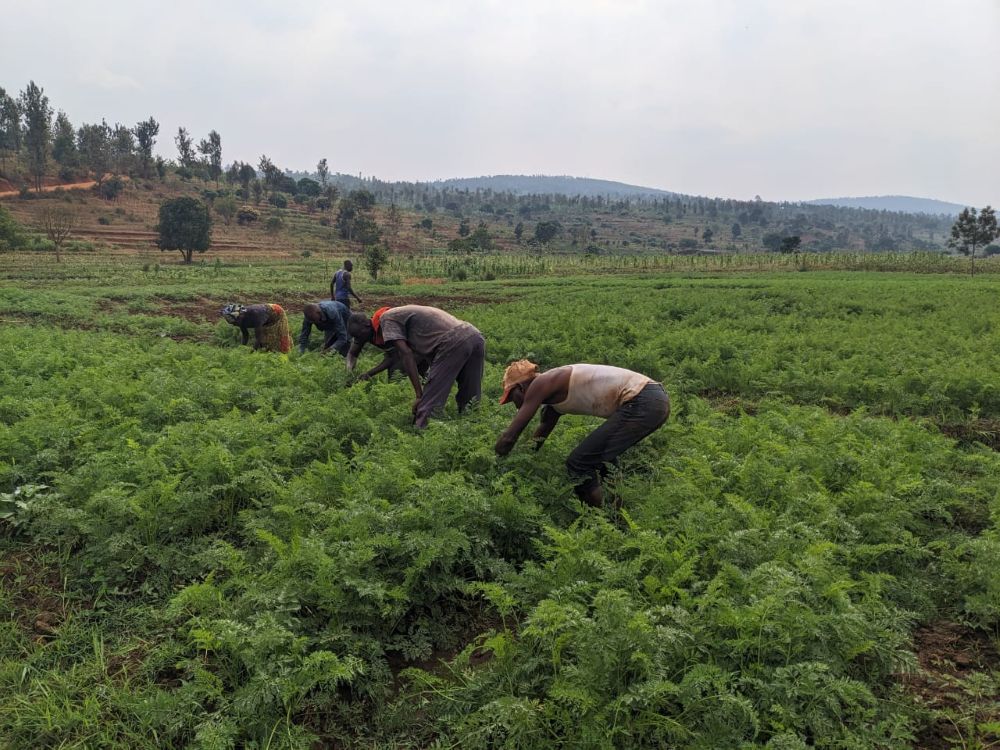
“We estimate that agricultural production has increased by about 52 percent since irrigation expanded. Maize yields have risen from approximately 2.7 tonnes per hectare to between 3.9 and 4.3 tonnes per hectare, while farmers growing vegetables and export crops are recording even higher yields,” he said.
He added that production is expected to continue increasing as more farmers combine irrigation with improved seeds, fertilizer, and good agronomic practices.
“When irrigation is combined with quality seeds, fertilizer, and good farming practices, farmers can produce much more. The water is there, the markets are there, and the opportunity is there. Irrigation allows farmers to make full use of their land instead of depending only on rainfall,” he added.
According to the vice mayor, increased agricultural production is also benefiting consumers by improving food availability and helping stabilize prices.
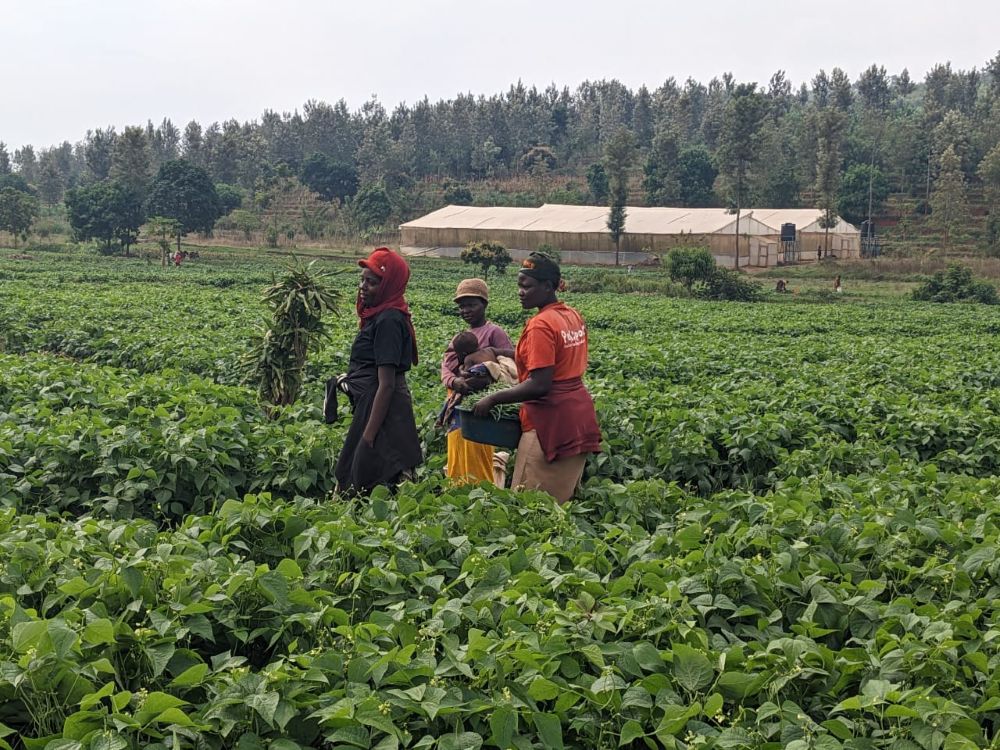
“When production increases, more food reaches the markets. Prices become more stable, and families, including those who are not farmers, can afford food more easily,” he said.
He noted that agriculture remains the backbone of the district’s economy, with more than 88,000 of Rwamagana’s approximately 123,000 households depending on the sector for their livelihoods.
As agricultural production expands, Rwamunono said new business opportunities are emerging beyond farming.
“Agriculture is no longer only about growing crops. It creates work for transporters, traders, technicians, greenhouse builders, storage operators, irrigation equipment maintenance providers, produce aggregators, and many other businesses. As agriculture grows, the local economy grows with it,” he added.
The district’s assessment is reflected in the experiences of farmers benefiting from irrigation interventions across Rwamagana.
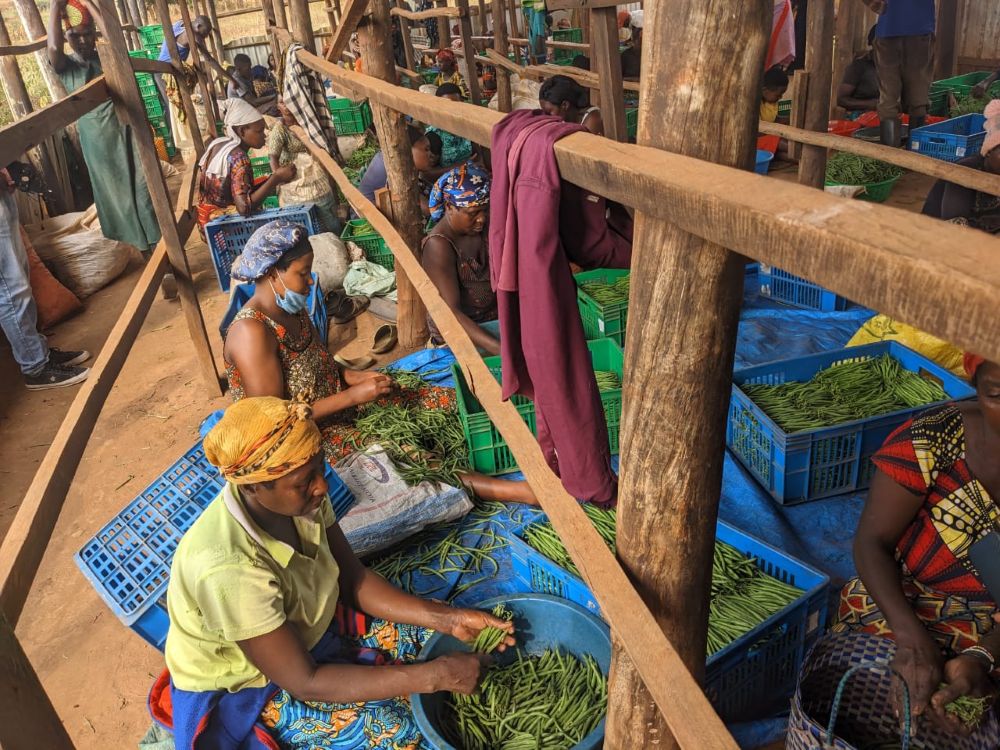
One of the productive agricultural areas benefiting from the programme is the Nyirabidibiri Irrigation Scheme, which covers approximately 800 hectares, including 215 hectares of cultivated wetlands, with additional farmland located on surrounding uplands.
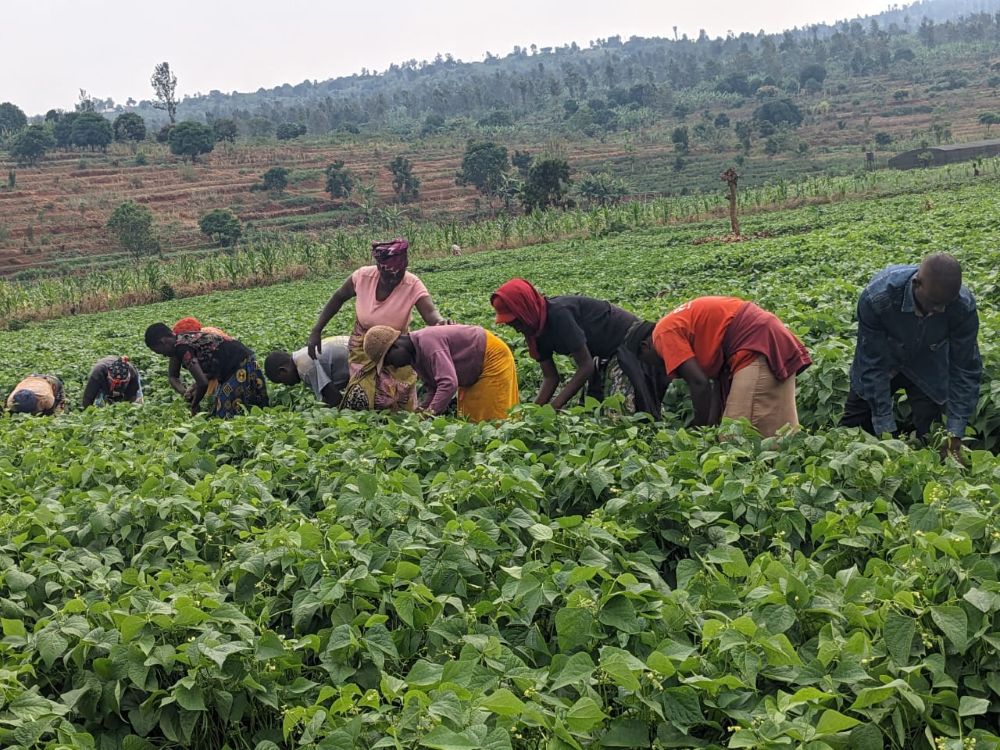
The scheme is managed by GWIZA Cooperative, a farmer organisation that has operated for 12 years and now brings together about 700 members. The cooperative cultivates more than 38 hectares and employs over 100 workers, producing maize, French beans, hot peppers, baby corn and other vegetables for domestic and export markets.
Jackson Rukundo, manager of GWIZA Cooperative, said irrigation has transformed production.
“Before we accessed irrigation, production was very low because we did not have adequate irrigation equipment. In some areas, water could not reach the farms, while during Season C, which coincides with the dry period, we often could not cultivate because of the intense sunshine,” he said.
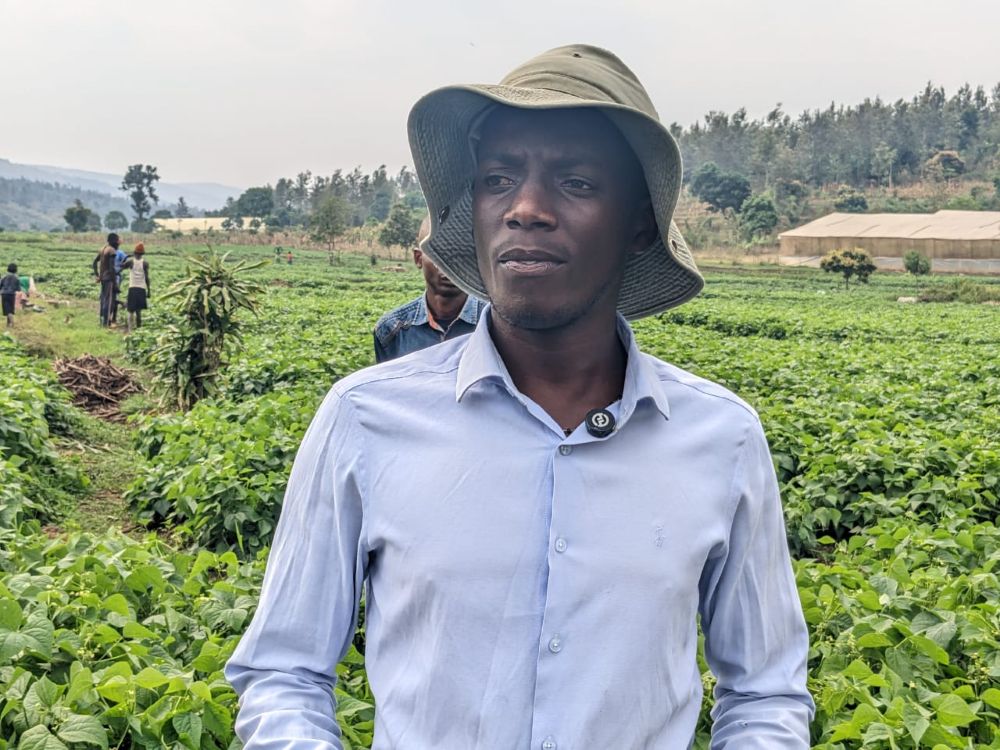
He said maize production has increased from between one and three tonnes per hectare to around six tonnes per hectare, while French bean yields have risen from no more than four tonnes per hectare to six tonnes or more.
Beyond irrigation equipment, Rukundo said SAIP also provided technical training, advisory services, learning visits, and market linkages, enabling farmers to improve irrigation management and adopt modern farming practices.
The project’s impact is also visible in Kagarama Cell, Musha Sector, where farmers are developing a four-hectare avocado orchard comprising 1,282 trees.
Charles Nzabahimana, the farm’s agronomist, said limited access to water had previously slowed the project’s development.
“We faced challenges because we lacked reliable water for irrigation. After SAIP II installed a solar-powered irrigation system, the avocado trees developed much faster. The trees are now about 2.9 years old, and we are already harvesting our second crop,” he said.
The solar-powered irrigation system, which pumps water over a distance of approximately 700 meters to the farm, represented an investment of about Rwf96 million. Farmers contributed approximately Rwf23 million, while SAIP II subsidized the remaining Rwf73 million.
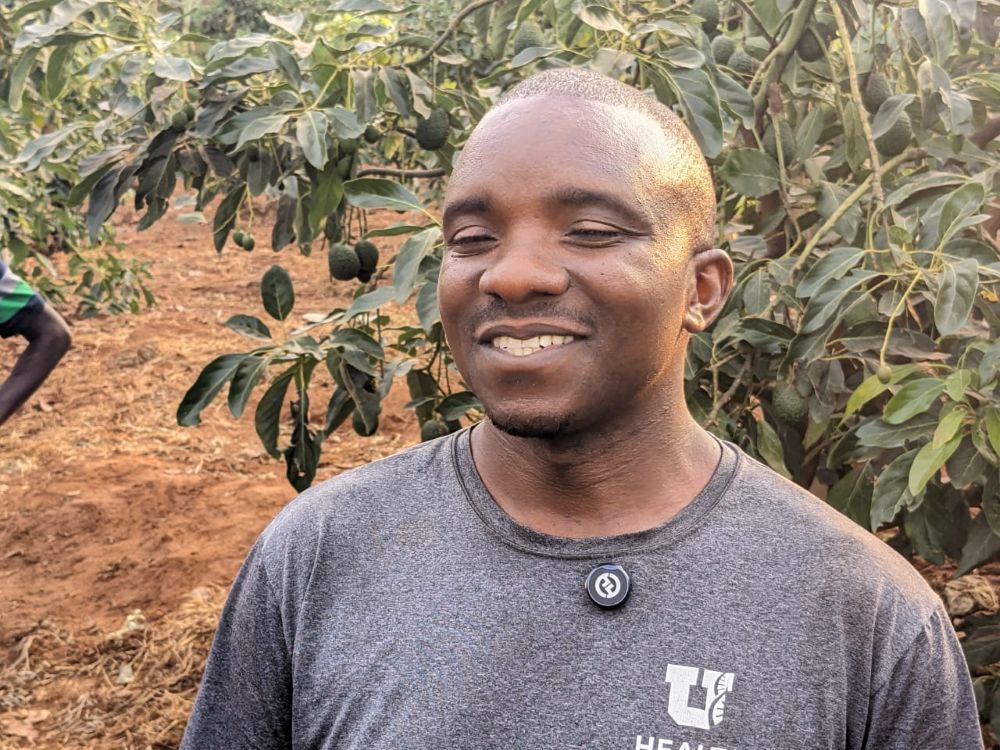
Nzabahimana said the farm currently employs 11 permanent workers in crop and livestock production, while another 20 seasonal workers are hired during peak farming periods.
He added that the project has also strengthened farmers’ skills through training in orchard management, irrigation practices, and market access.
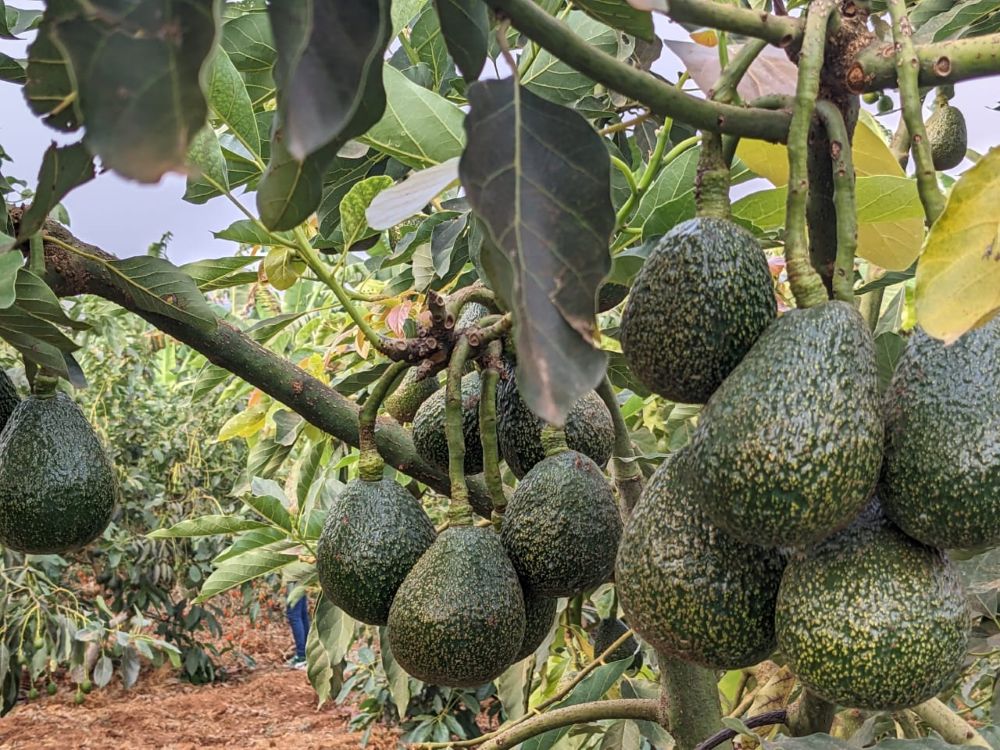
“During our first harvest, we produced approximately 450,000 avocados. This season, we expect production to exceed one million avocados,” he said, adding that the farm also grows maize and beans to support household food security and supply local markets.
SAIP is funded by the Global Agriculture and Food Security Program (GAFSP) through the World Bank and implemented by the Rwanda Agriculture and Animal Resources Development Board (RAB) through its Single Project Implementation Unit (RAB-SPIU).
Under SAIP I, more than 1,367 hectares were brought under irrigation. SAIP II has already expanded irrigation to approximately 1,200 hectares, exceeding its original target of 1,000 hectares.


