
 0
0
 0
0
By Emmanuel Mutangana
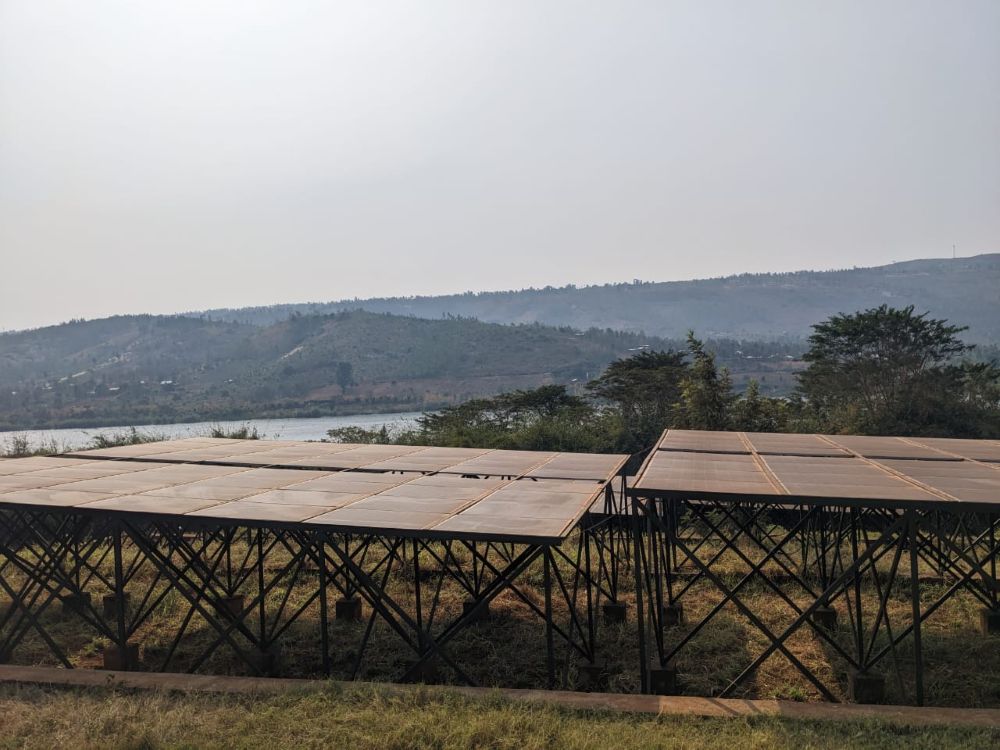
A solar-powered irrigation system installed under the Second Sustainable Agricultural Intensification and Food Security Project (SAIP II) is helping hundreds of farmers in Kayonza District restore agricultural production, increase crop yields, and improve household incomes after years of struggling with unreliable access to irrigation water.
The intervention rehabilitated irrigation infrastructure serving farmers in Kabare Sector, where damaged facilities had sharply reduced the area under irrigation and affected agricultural production.
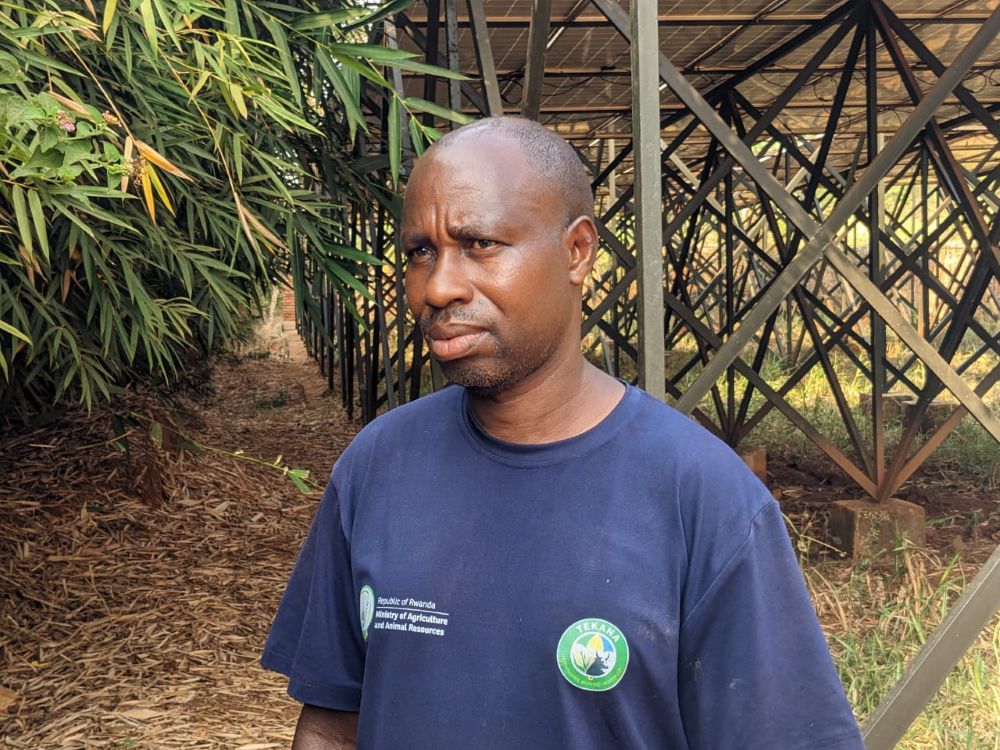
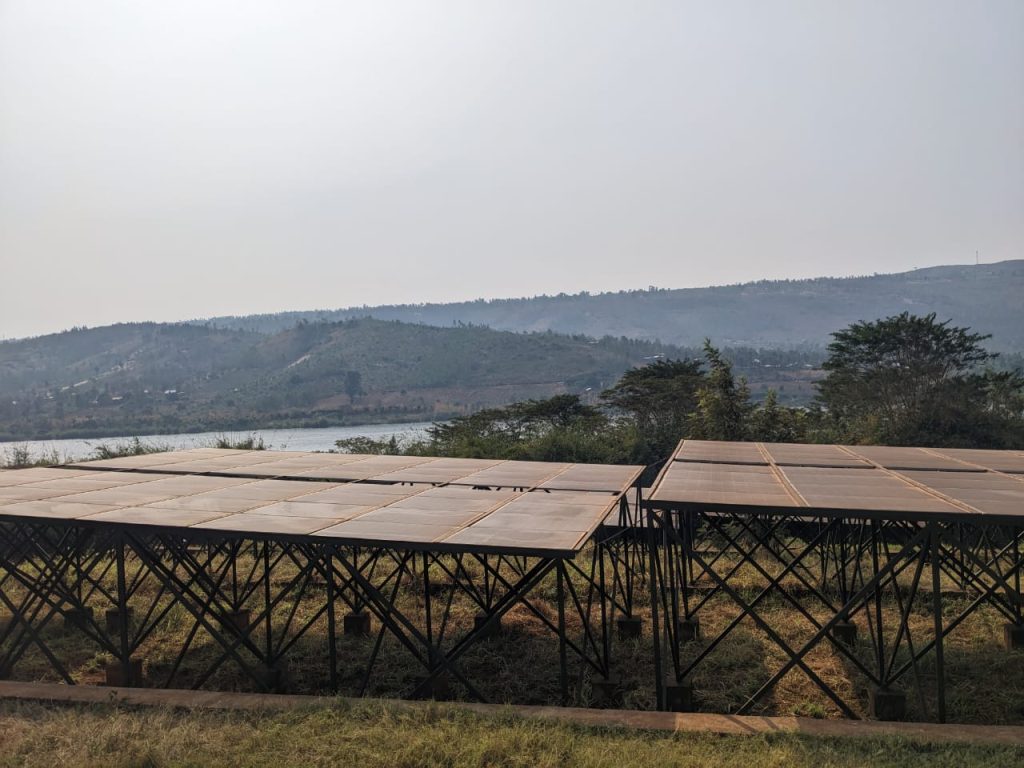
Faustin Ugirumurera, President of the UBUZIMA BWIZA KAYONZA 4 Water Users Association, said SAIP II supplied 540 solar-powered irrigation units and associated pipelines, representing an investment of approximately Rwf800 million.
“Our association manages and facilitates irrigation water for farmers in this area,” he said.
According to Ugirumurera, the community previously depended on a dam in Kabare Sector that originally supplied irrigation water to about 365 hectares of farmland.
However, damage to the irrigation infrastructure reduced the irrigated area to only about 65 hectares, leaving many farmers unable to cultivate their land effectively.
“Through SAIP II, the damaged irrigation infrastructure was rehabilitated, restoring water access and allowing farmers to resume farming on a much larger area,” he said.
The Water Users Association works with farmer cooperatives that rely on the irrigation system to produce horticultural crops.
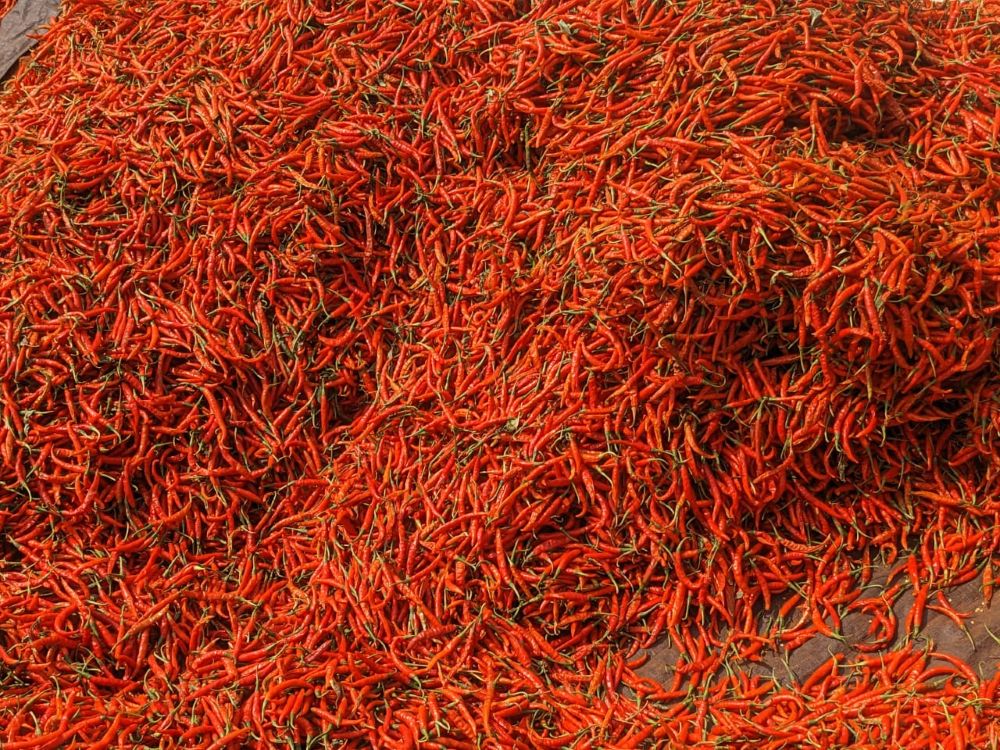
“Our cooperative has 416 members. We mainly grow vegetables and fruits, including chili, tomatoes, cabbages, avocados and other fruit crops,” Ugirumurera explained.
The difference in production has been significant.
“Before we received the solar-powered irrigation system, a hectare of chili that should have produced between three and four tonnes often yielded less than 500 kilograms, sometimes only 100 to 200 kilograms because of inadequate irrigation,” he said.
Tomato production was equally challenging.
“There were seasons when farmers planted tomatoes but harvested almost nothing. Today, one hectare can produce about five tonnes, whereas previously we struggled to harvest even 400 kilograms.”
The improved harvests have translated into better livelihoods.
“The increased production has changed our lives. Personally, I have renovated my house and bought a car and a motorcycle. All of this has been possible because of the irrigation scheme and the support provided through SAIP II,” Ugirumurera said.
He noted that the area receives limited rainfall, making irrigation essential for agricultural production.
“In the past, growing vegetables and fruit trees was extremely difficult because water was not readily available. Today, farmers have reliable access to irrigation water, allowing them to farm with much greater confidence,” he added.
To ensure the sustainability of the system, farmers contribute to maintaining the infrastructure.
“When equipment breaks down, members of the GIKADINI Cooperative contribute funds for repairs based on the size of the land each farmer cultivates,” Ugirumurera said.
Jean Damour Uwiringiyima, a member of GIKADINI Cooperative, said irrigation has transformed farming on his 50-are plot.
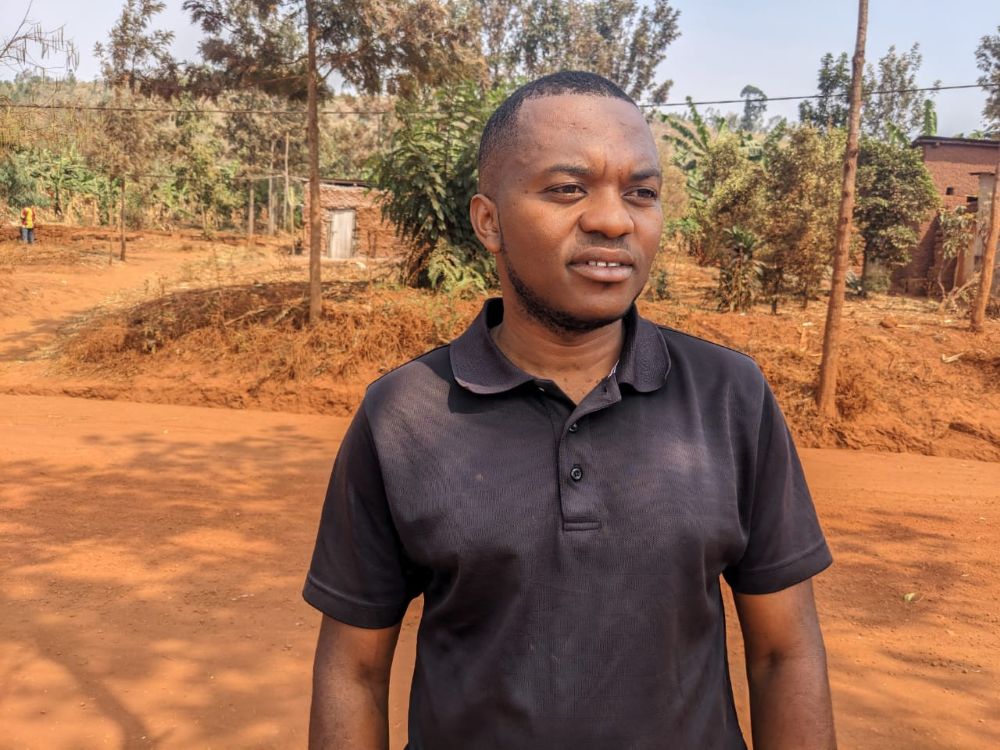
“Before we had irrigation, I used a watering can and walked long distances to fetch water. It required many workers and a great deal of effort. Today, irrigation has made farming much easier and significantly increased our production,” he recalled.
He said chili yields have increased substantially.
“Previously, one hectare produced less than one tonne of chili. Today, the same area yields between 1.5 and 2 tonnes,” he said.
The irrigation system has also reduced production costs.
“When we relied on watering cans, I employed nearly 20 people just to irrigate my crops. Today, only two workers are needed. That has saved me a considerable amount of money,” he added.
The savings have enabled him to invest in his family’s future.
“I have bought five goats, and I now plan to return to school to further my education,” he said.
Jules Higiro, Acting Vice Mayor of Kayonza District, said irrigation investments under SAIP have continued to expand access to water for farmers.

He noted that SAIP I introduced solar-powered irrigation systems benefiting farmers cultivating around 100 hectares, while additional groups farming about 73 hectares also received support. More farmers are expected to benefit from both diesel and solar-powered irrigation technologies.
The irrigation equipment provided through SAIP II has played an important role in increasing agricultural production and strengthening food security,” Higiro said.
“Farmers can now cultivate during different seasons without facing the same challenges caused by inadequate rainfall.”
He added that the project has also created employment opportunities for people living in surrounding communities.
“We encourage farmers to take good care of the equipment and infrastructure because external support will not last forever.”
According to project data, small-scale irrigation interventions in Kayonza District have so far covered approximately 341.7 hectares, benefiting 165 farmers, including 98 men and 67 women.


