
 0
0
 0
0
By Emmanuel Mutangana
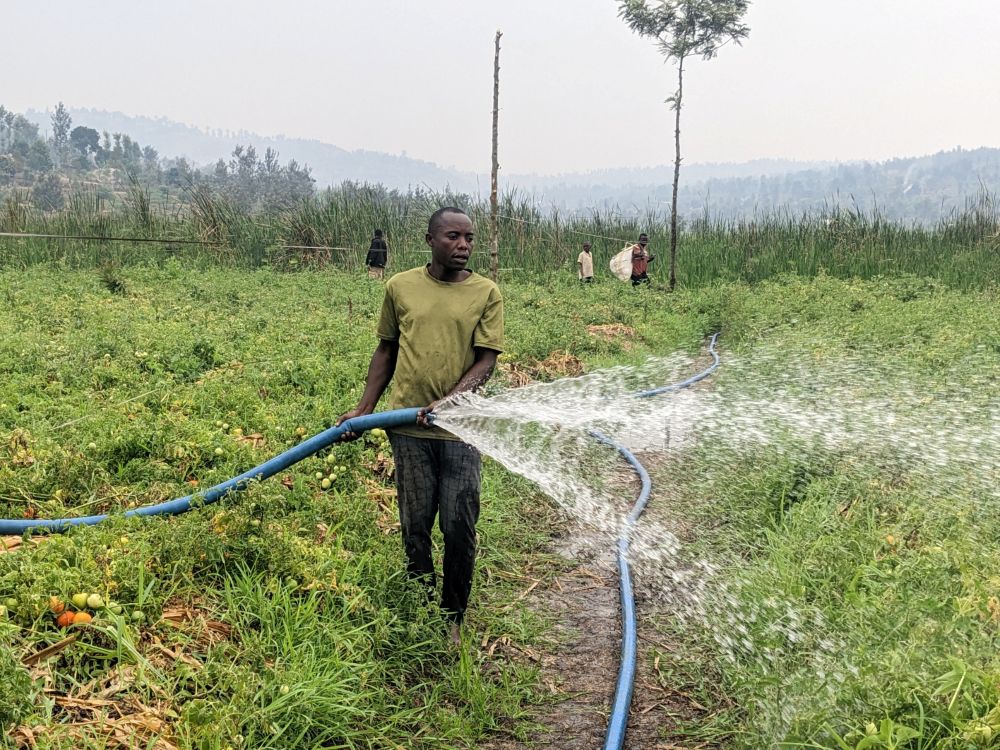
Jean Paul Biregeya relied on a watering can to irrigate his crops for years, limiting both the size of his farm and the harvest he could expect. Today, after receiving a subsidized irrigation pump through the Second Sustainable Agricultural Intensification and Food Security Project (SAIP II), the farmer from Mimuli Sector in Nyagatare District has more than doubled his income from tomato production and expanded his farming business.
Like many smallholder farmers in Rwanda’s Eastern Province, where prolonged sunshine and erratic rainfall often make farming difficult, Biregeya previously depended on manual irrigation.
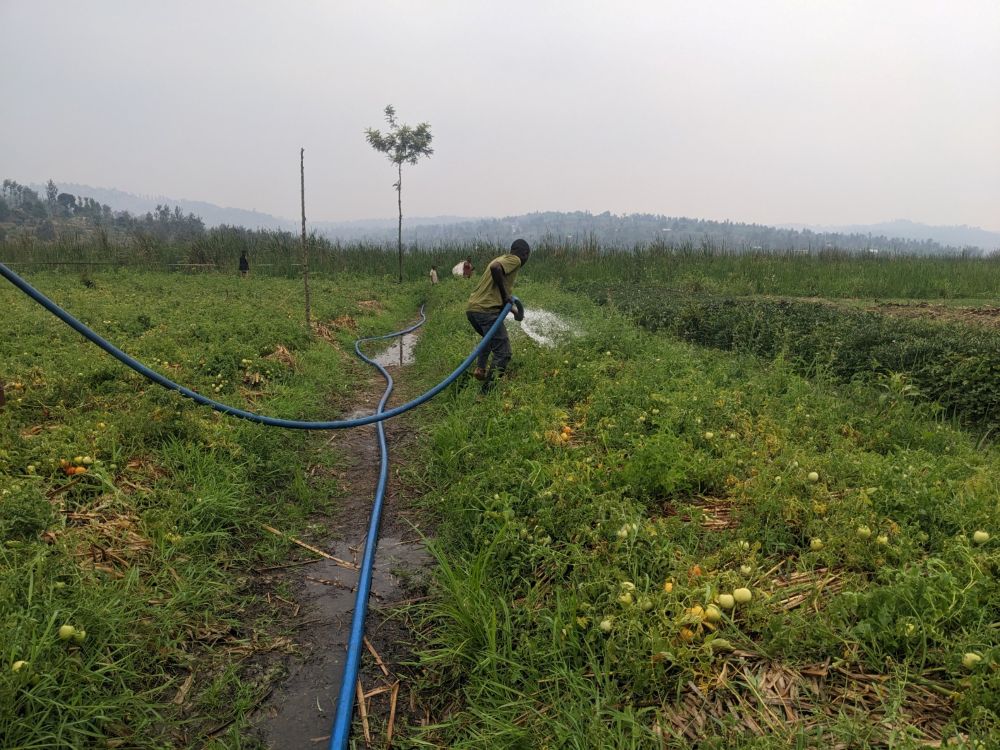
“I used to irrigate my crops using a watering can. Later, I learned about the government’s irrigation support program. I visited the Sector Agronomist, who explained the application process and registered me. Eventually, I received a diesel-powered pump through the program,” he recalled.
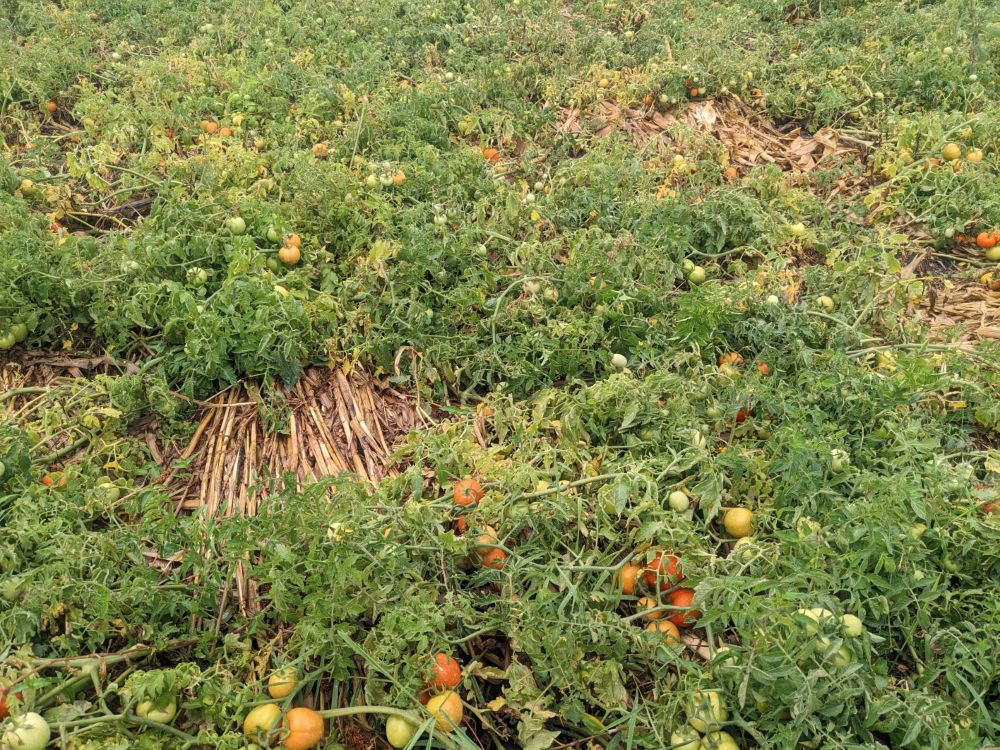
Biregeya grows tomatoes and maize on his farm. Nearly two years after receiving the irrigation equipment, he says the impact has been remarkable.
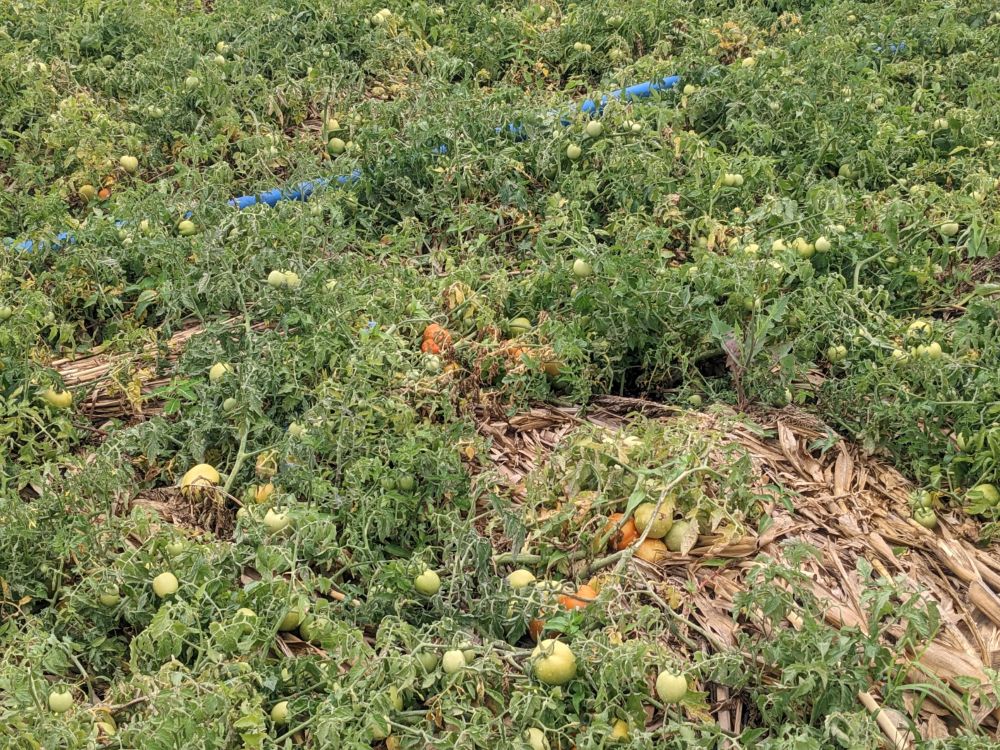
“Before getting the pump, I cultivated tomatoes on half a hectare using a watering can and earned about Rwf1.5 million from the harvest. After receiving the water pump, I harvested tomatoes worth Rwf3.5 million from the same size of land,” he said.
The irrigation system has also improved his maize production.
“On my 1.5 hectares of maize, I used to harvest about six tonnes before receiving the pump. With irrigation, my harvest increased to eight tonnes,” he added.
The increased earnings have enabled him to invest beyond farming.
“The income from irrigation helped me buy a house worth Rwf3.5 million. Earlier, I had also bought a cow valued at Rwf1 million, although it later died,” Biregeya said.
Beyond increasing crop yields, the irrigation pump has created an additional source of income.
“Other farmers who do not own irrigation pumps rent mine and pay for the service. The extra income helps me meet household expenses,” he explained.
Given Nyagatare’s dry conditions, Biregeya believes irrigation is essential for agricultural success.
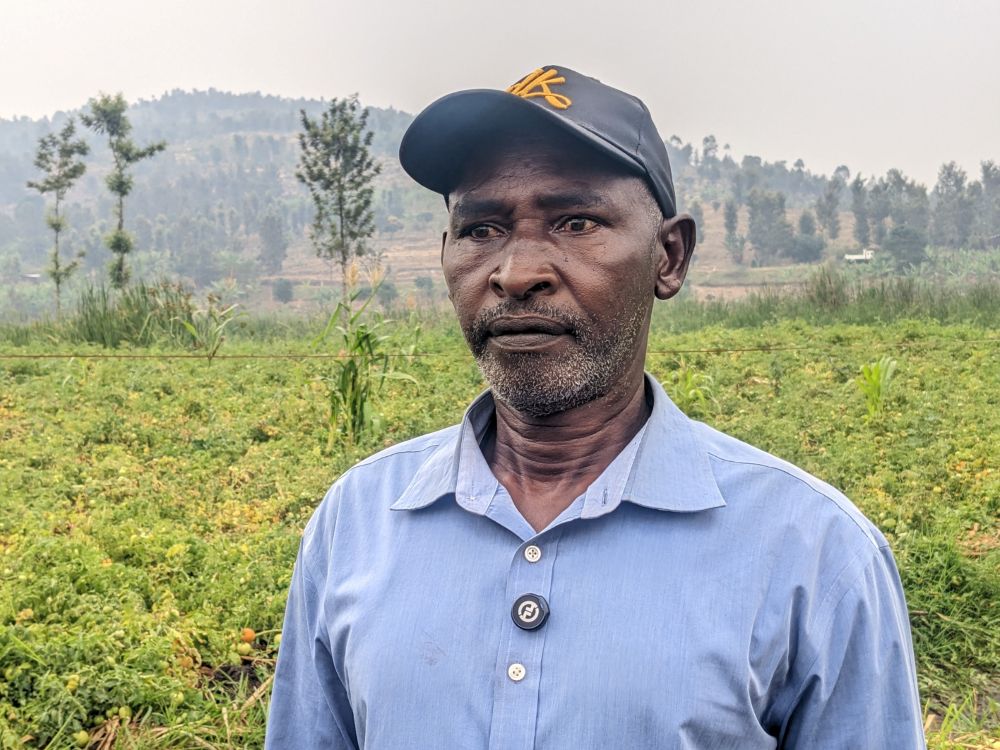
“Our area receives a lot of sunshine, making farming challenging. Many people who are not farming are not unwilling to farm; they simply lack irrigation support,” he said.
He encouraged fellow farmers who have not yet benefited from the program to register.
“I encourage farmers who have not yet accessed irrigation equipment to apply so they too can farm throughout the year,” he added.
According to Innocent Nzabamwita, Irrigation Specialist at the Rwanda Agriculture and Animal Resources Development Board’s Single Project Implementation Unit (RAB-SPIU), SAIP supports farmers cultivating between 0.5 and 10 hectares to access Small-Scale Irrigation Technologies (SSIT).
He said the technologies include diesel-powered pumps and solar-powered irrigation systems, depending on factors such as the farmer’s location, land size, and preferred technology.
“The government subsidizes 50 percent of the cost of irrigation equipment for eligible farmers, while the farmer contributes the remaining 50 percent,” Nzabamwita said.

He added that farmers choosing solar-powered irrigation systems receive even greater support.
“For farmers cultivating between 5 and 10 hectares using solar-powered pumps, the farmer contributes 25 percent, while the government covers the remaining 75 percent.”
“To qualify for the program, farmers must generally have farmland located near a reliable water source, be able to contribute their required share of the equipment cost, and participate through farmer groups or cooperatives,” Nzabamwita explained.
SAIP is funded by the Global Agriculture and Food Security Program (GAFSP) through the World Bank and implemented by the Rwanda Agriculture and Animal Resources Development Board (RAB) through its Single Project Implementation Unit (RAB-SPIU).
The second phase of the project currently operates in 20 districts, focusing on increasing agricultural productivity, improving market access, and strengthening food security.
SAIP II builds on the achievements of the first phase, which introduced small-scale irrigation interventions in nine districts.
Under SAIP I, more than 1,367 hectares were brought under irrigation. SAIP II has already expanded irrigation to approximately 1,200 hectares, exceeding its original target of 1,000 hectares.
Combined, the two phases of the project have reached 3,369 beneficiaries, including 1,916 men and 1,453 women.


