 0
0
 0
0
By Ibrahim Khalilulahi
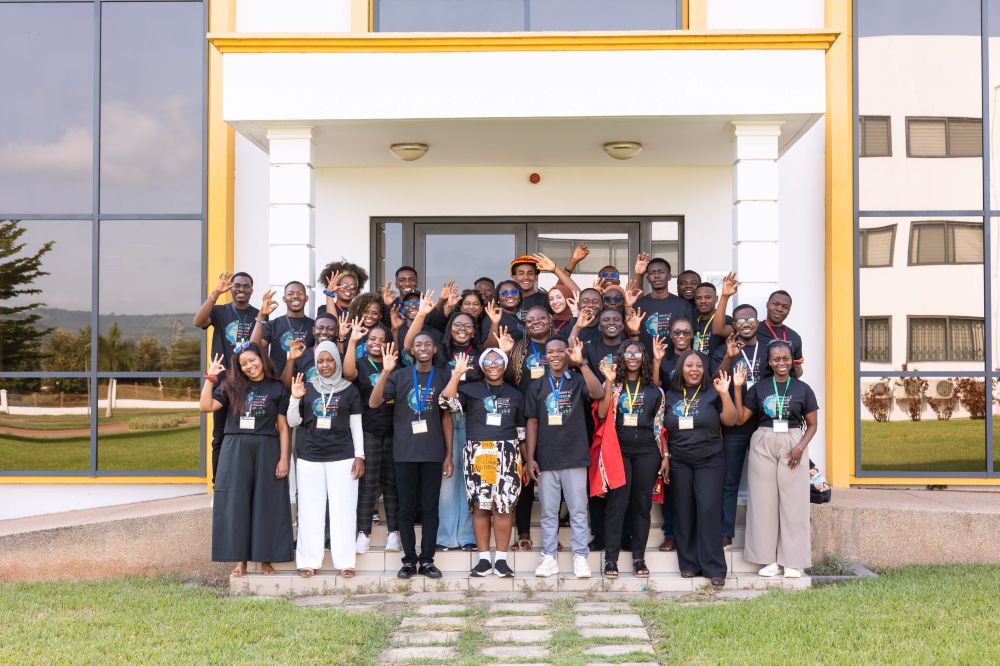
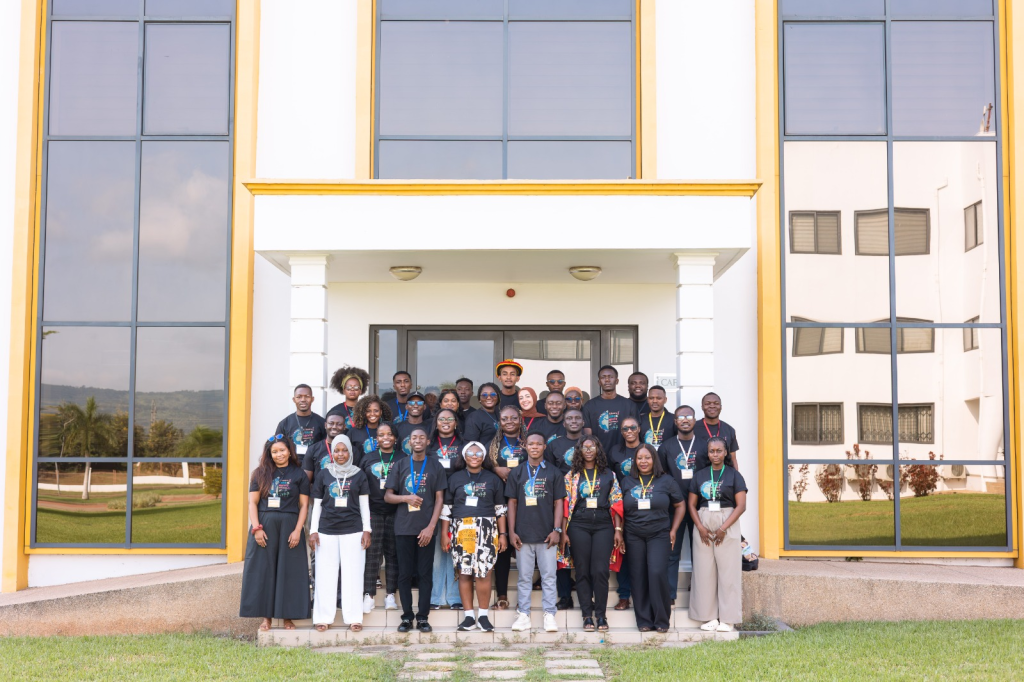
The Global Alliance for Incinerator Alternatives (GAIA Africa) and the Green Africa Youth Organization (GAYO) have commenced the in-person segment of the Africa Zero Waste Academy 2026, a flagship program dedicated to training the next generation of zero waste practitioners, following the successful rollout of the online program last month.
Now in its second year, the Academy equips participants with practical skills to design localized zero-waste systems that reduce emissions, create green jobs, and protect community health. More than 700 climate and waste practitioners from across Africa applied, with careful selection ensuring gender and geographic diversity.
Globally, over 2.1 billion tonnes of municipal solid waste are generated annually. Localized solutions, such as organic waste management and separation of waste at source, are proving vital in tackling the waste crisis and its impacts on climate, biodiversity, and livelihoods.
Accra’s designation by the United Nations as one of 20 cities towards zero waste in March 2026 highlights the growing importance of zero waste models. GAYO’s award-winning Zero Waste Accra Project played a central role, preventing organic, plastic, and electronic waste from ending up in landfills and curbing methane emissions.
“This is not just about managing waste better; it’s about rethinking systems for climate resilience, green jobs, and community health,” said Ama Asiedu, GAIA Africa Zero Waste and Climate Program Associate.
The Academy is built on the understanding that waste and people are deeply connected. It introduces a way of thinking that protects and improves the lives of everyone who handles or is affected by waste. This work must be done through a lens of justice. By upholding human rights, safeguarding the livelihoods of waste pickers and waste workers, and designing systems that prevent harm from the very beginning.
“Zero waste is a systems transformation agenda that challenges us to rethink and redesign the economic and material systems that generate waste,” explains Fathia Selasi Charway-Glover, Project Coordinator, Zero Waste Cities, at GAYO. “Achieving zero waste requires intentional investment in people, knowledge, policy coherence, and inclusive infrastructure that recognizes waste as a resource rather than a liability. The Academy represents a critical investment in that transformation by building the technical capacity and cross-sector collaboration needed to accelerate the transition towards a circular economy.’’
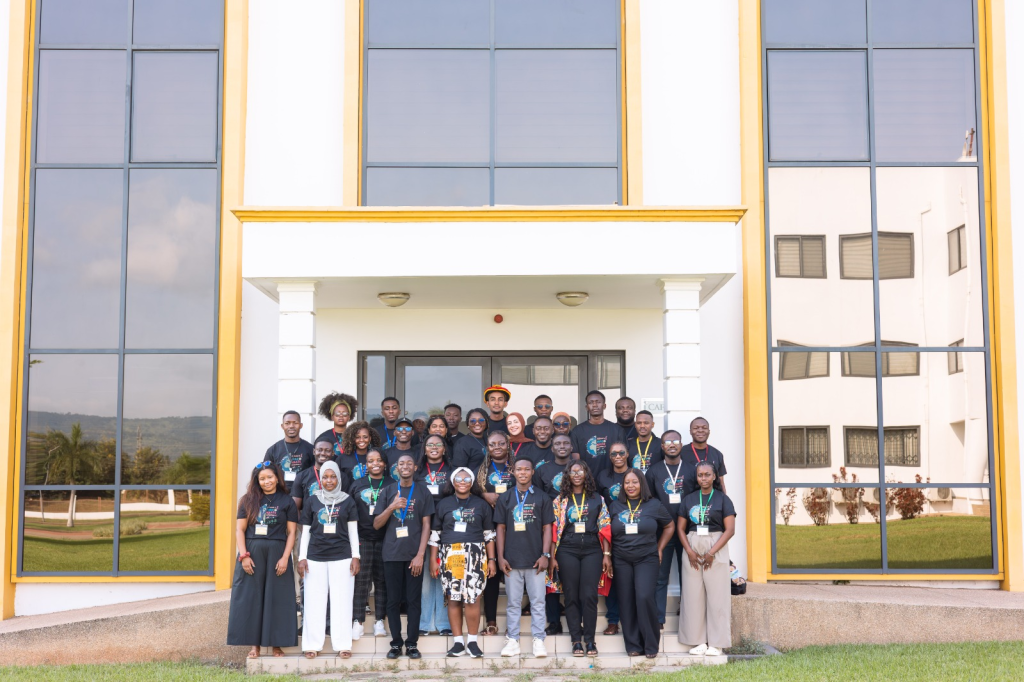
Participants have completed a five-week virtual program covering movement building, waste characterization, and monitoring frameworks. This week’s in-person session in Ghana consolidates their learning with expert presentations and site visits to zero-waste projects in Accra.
“We believe each participant has a vital role to play in shaping sustainable practices and policies within their communities. The insights and knowledge exchanged here will drive significant change towards achieving a Zero Waste Africa,” added Ama Asiedu.


