 0
0
 0
0
By Annonciata Byukusenge
KARONGI, Rwanda, have completed about 20% of an ambitious environmental restoration project along the Congo–Nile ridge, a government official said, as the country pushes to protect water sources, boost farm productivity, and curb environmental degradation.
The initiative, known as the Congo–Nile Divide (CND) restoration project, is being implemented across 10 districts in western and southern Rwanda and is expected to cost more than 66 billion Rwandan francs (about $50 million) by the time it ends in 2028.
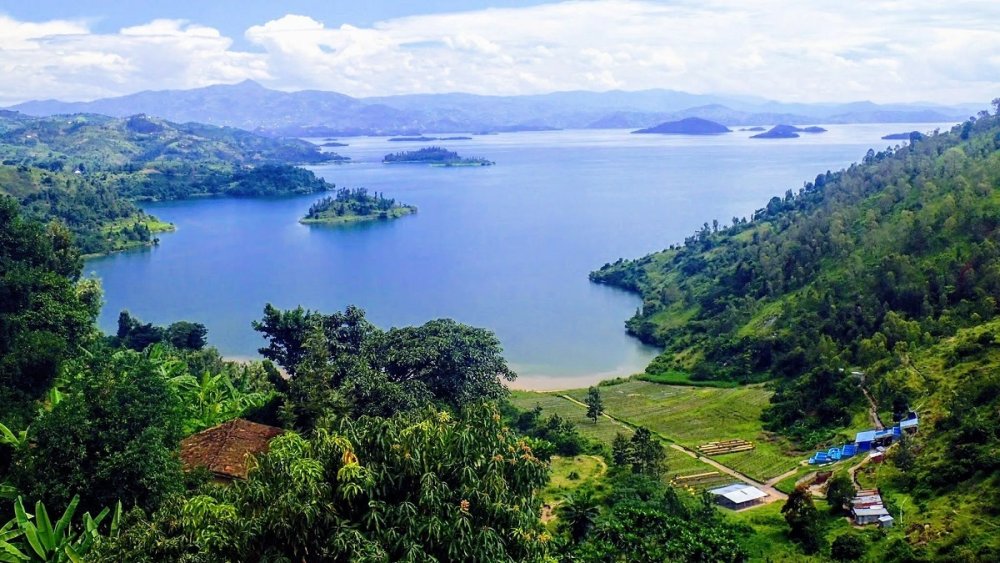
Officials from several institutions toured Karongi district on Jan. 15 to review progress on the project, which began in 2024 and aims to rehabilitate a fragile chain of mountains separating waters that flow toward the Congo River basin and the Nile basin.
The ridge plays a critical role in Rwanda’s ecosystem, feeding streams and rivers that supply drinking water and support hydroelectric power generation.
“This project is about protecting the source of life,” said Dr. Emmanuel Rukundo, director general of the Rwanda Water Resources Board.
“When erosion damages these mountains, sediment pollutes rivers. That makes water treatment more expensive and affects power generation at dams.”
The program includes planting mostly indigenous trees, building terraces to prevent soil erosion, and protecting riverbanks. Authorities say these measures will help stabilize the landscape while improving agricultural productivity for nearby communities.
For residents living along the ridge, the project is already creating small but meaningful opportunities.
Jean Claude Ngendambizi, who works preparing tree seedlings for planting, said the daily wage of about 4,000 Rwandan francs has helped him cover basic expenses.
Paying for health insurance and school fees and contributing to the Ejo Heza savings scheme has become easier. Severe erosion has damaged many farms in the valleys, making this project crucial for us.
Environmental officials say restoring native vegetation is a key focus, especially in areas where wildfires have degraded forests and invasive grasses have taken hold.
“In places that burned frequently, a grass species called ibishihe has spread and disrupted biodiversity. Dr. Concorde Nsengumuremyi, Director of the Rwanda Forestry Authority. We plan to restore the indigenous trees that once grew here.”
Native species are better suited to withstand climate change, resist disease, and absorb higher levels of atmospheric pollution, he said, while also providing habitat for insects such as butterflies and bees.
The project also includes the rehabilitation of 1,000 hectares of pastureland and the construction of terraces across roughly 1,000 hectares in the districts of Karongi and Rutsiro.
Across the entire restoration zone, authorities estimate that about one-fifth of the planned work has already been completed, a pace they say puts the project on track to finish on schedule.
Beyond farmland and communities, the program will also restore critical forest ecosystems, including 1,500 hectares in Nyungwe National Park and 500 hectares in Gishwati–Mukura National Park.
Officials hope the work will strengthen Rwanda’s climate resilience while safeguarding water systems that millions of people rely on every day.


