
 0
0
 0
0
By Christophe Uwizeyimana
In Rwanda’s Eastern Province, the landscape of Ndego Sector in Kayonza District is marked by fertile valleys and rolling hills that hold great potential for agriculture. Yet despite this natural advantage, the area is frequently affected by prolonged dry spells that disrupt farming activities and threaten household food security.
Against this backdrop, a group of determined women has come together to turn challenges into opportunity. Organized under the Group “Tinyuka Mugore Urashoboye”, loosely translated as “Rise Up Woman, You Can”. These farmers have been strengthening their agricultural activities with support from the Kayonza Irrigation and Integrated Watershed Management Project Phase 2 (KIIWP2).
Through the project, the women have received training, improved seeds, and fertilizers, enabling them to expand cassava farming and improve productivity. However, while yields have increased, they say the long-term sustainability of these gains depends on access to irrigation systems.
Women turning knowledge into production
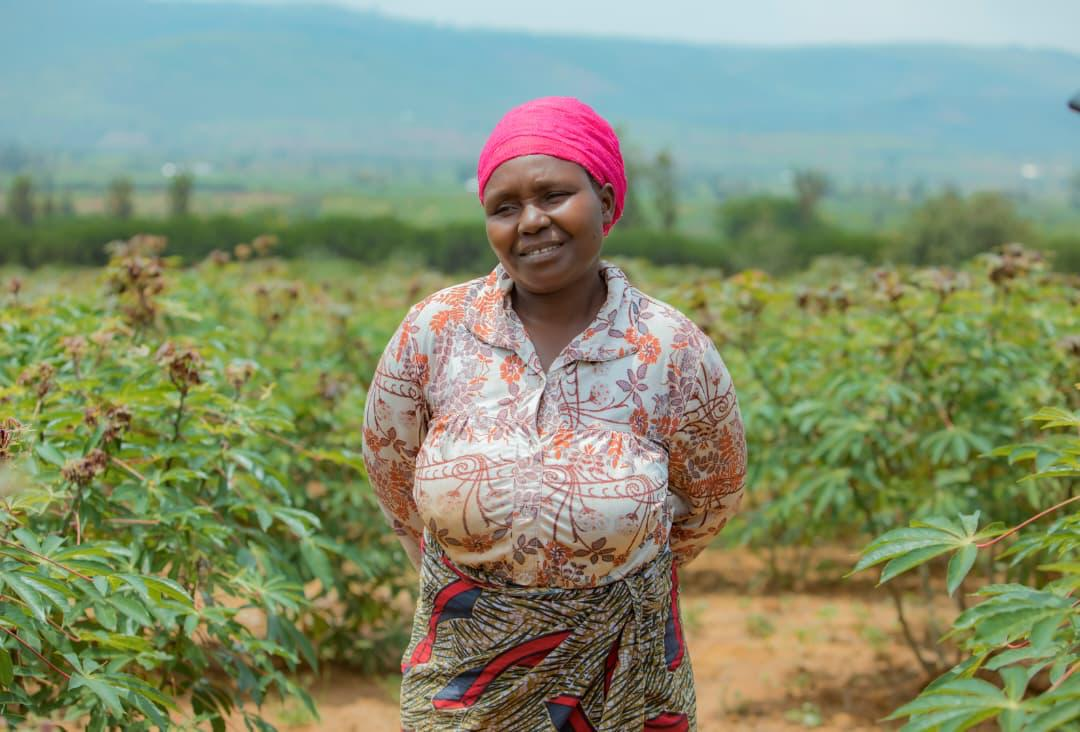
Mukamurenzi Marie Jeanne, a resident of Gasabo Village in Kiyovu Cell, explains that the Group started as a small one of women who wanted to overcome their fear of engaging in larger economic activities.
“As women here, we were initially hesitant to engage in large-scale work. We began by supporting each other as a group, even exchanging livestock. We first started with pig farming, but later realized it was not enough. So, we expanded the group and began cultivating cassava, multiplying seeds and distributing them to local farmers. Today we grow cassava that benefits the entire community,” she said.
She adds that despite their progress, farming remains vulnerable to the harsh climate. “Sometimes we incur losses because of the intense heat in this area. What we need most is access to water. Just below us lies Lake Ihema, and its water could be used to support irrigation.”
Visible impact of KIIWP2 support
KIIWP2 has played a key role in strengthening the group’s capacity. Mukamurenzi says the project provided improved planting materials and technical guidance that enabled them to expand their farming activities.
“Through this project we received seeds and training. It helped us grow our activities. From the profits I earned in this group, I now own eight pigs. My house used to be in poor condition, but today I have managed to renovate it and improve my family’s living conditions.”
Another member, Kankindi Julienne, who has been part of the group for two years, says the project transformed their approach to agriculture. “Through KIIWP2 we learned how to multiply and plant improved seeds. They also taught us savings practices and continue to monitor our progress.”
With the knowledge she gained, Julienne expanded her farming land. “I now cultivate cassava on 1.5 hectares and expect a good harvest. Thanks to the income from the group, I have also started livestock farming and currently own three goats.”
Irrigation seen as the missing link
Despite these achievements, members say drought remains their biggest obstacle.
“We grow soybeans and maize, but they often dry up because of the heat,” Julienne explains. “If we had an irrigation system, we would farm with confidence because we would be sure of harvesting.” According to the farmers, irrigation would allow them to cultivate throughout all agricultural seasons and maximize the fertile soils of Ndego.
“Our land is very productive; cassava, maize, beans, everything grows well here. With irrigation, we could farm all seasons and even produce enough to support other communities rather than depend on aid,” she said. Nyirahabimana Vestine, another group member from Mwulire Village, shares a similar experience. Before joining the group, she owned no livestock.
“This group has changed my life. Through cassava farming I started with one pig, and now I have five. This year we also shared profits and each member received three chickens. What we need now is an irrigation system so that we can maintain consistent production.”
Linking local efforts with national development goals
The group currently has 18 members, most of them women, who cultivate improved cassava varieties known locally as “Nsize Bashonje.” Their efforts align with Rwanda’s broader national agenda to modernize agriculture and strengthen resilience to climate change through irrigation and watershed management.
Projects like KIIWP2, implemented in partnership with the Government of Rwanda, are part of wider initiatives led by the Ministry of Agriculture and Animal Resources (MINAGRI) to increase agricultural productivity, improve rural livelihoods, and reduce vulnerability to climate shocks. However, the women of Ndego say that without reliable irrigation infrastructure, the knowledge and resources they have received risk being undermined by recurring drought.
For them, irrigation is not just about water, it is about protecting progress, strengthening food security, and ensuring that the benefits of development programs reach rural communities in a lasting way. As these farmers continue to transform their livelihoods through collective action, they hope that future investments in irrigation will help turn Ndego’s fertile soil into a year-round engine of agricultural growth.
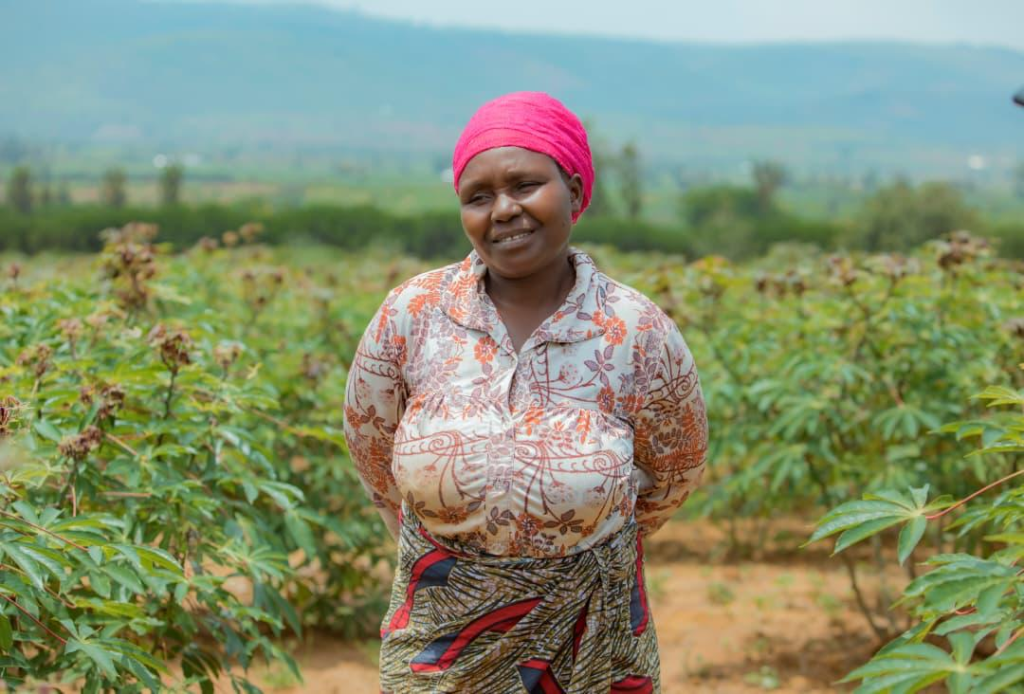
Photo:Mukamurenzi Marie Jeanne, a member of the “Tinyuka Mugore Urashoboye” cooperative in Kayonza District, says support from the Kayonza Irrigation and Integrated Watershed Management Project Phase 2 (KIIWP2) has helped women farmers expand cassava production, though irrigation remains essential to address drought in the area.
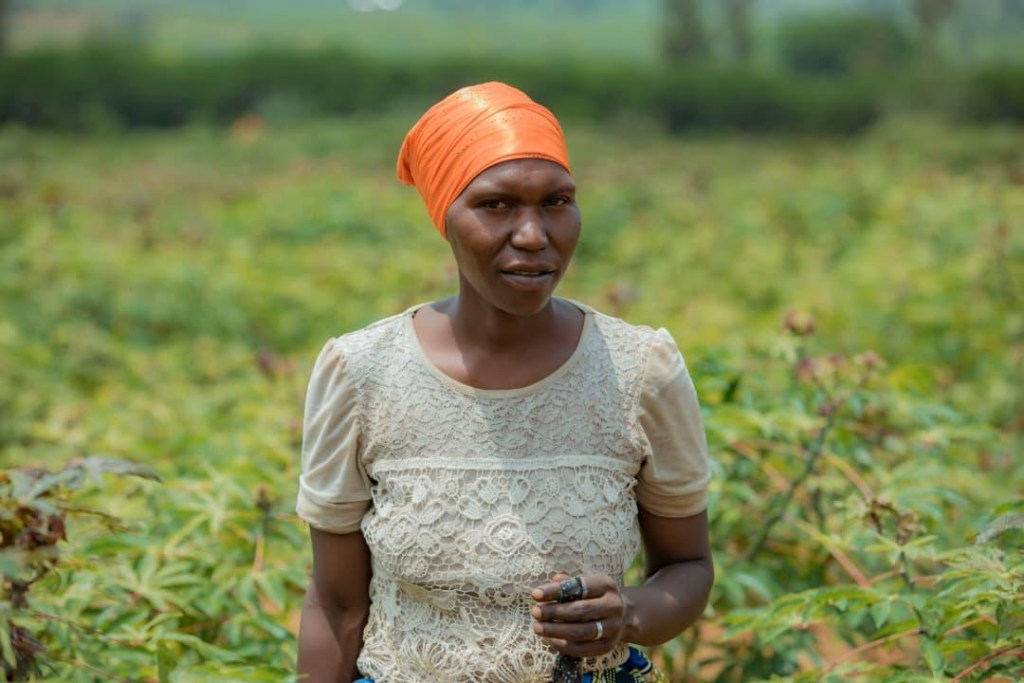
Photo: Kankindi Julienne, a member of the “Tinyuka Mugore Urashoboye” group in Kayonza District, says training and support from KIIWP2 helped her expand cassava farming and start livestock rearing.
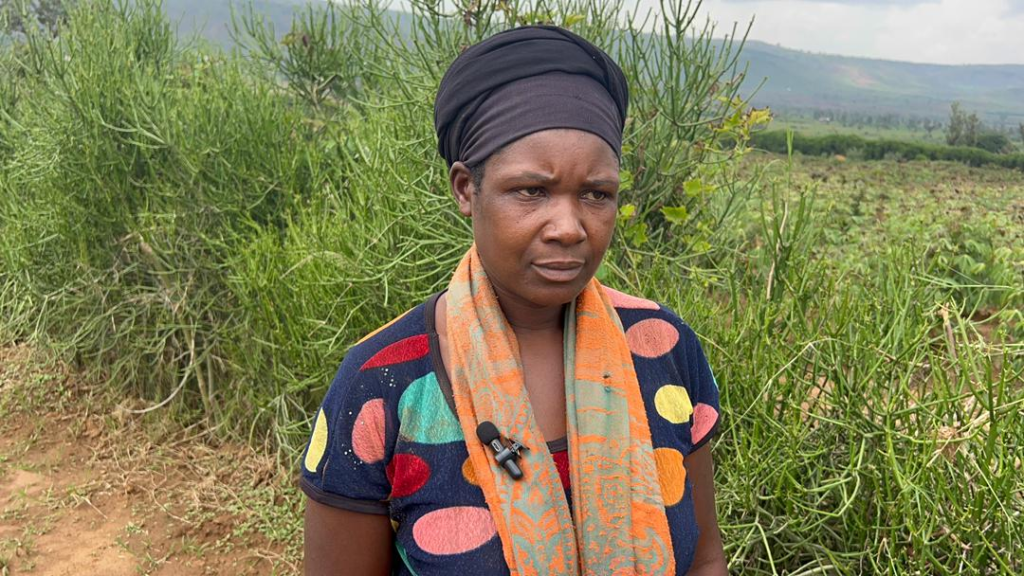
Photo: Nyirahabimana Vestine, a member of the “Tinyuka Mugore Urashoboye” group in Kayonza District, says cassava farming supported by KIIWP2 helped her grow from owning no livestock to raising five pigs.
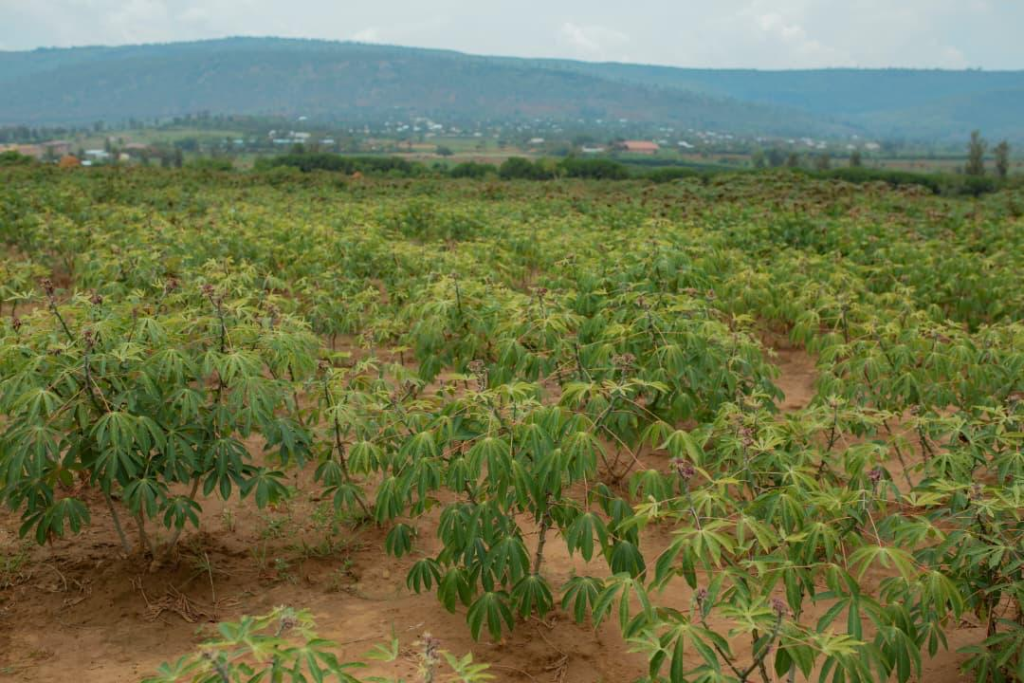
Photo: A thriving cassava plantation in Kayonza District, cultivated by local farmers to improve food production and income.


