 1
 0
By Kellia Umutoniwase –
Some residents say that they do not have enough information about diabetes, commonly known in Kinyarwanda as “Igisukari.” Some people go to a health facility and discover that they have the disease, while they had believed they were captured or affected by witchcraft. This belief prevents them from going to a health center for screening.
Research by the World Health Organization (WHO), in collaboration with Rwanda’s Ministry of Health, shows that 2.9% of Rwanda’s population, about 203,344 people, live with diabetes.
The research indicates that nearly 90% of people with type 2 diabetes do not know they have the disease because it often has no symptoms in its early stages.
Type 2 diabetes is the most common form, accounting for about 90% of cases. It often affects older people and those who are overweight or obese.
Uwamariya Beatrice is 54 years old and from Nyaruguru District. She says she used to think non-communicable diseases affected only wealthy people.
“In the past, we did not think that a poor person could get diabetes, heart disease, or high blood pressure. We thought these diseases affected people in towns because they ate a lot of oily foods. But I later learned that poor nutrition, drinking alcohol, and smoking are among the causes of non-communicable diseases.”
Her neighbor Kanani says that when he became ill in the past, he did not hurry to a health facility for screening. Instead, he sought help from a traditional doctor.
“I never thought I might have another illness. I thought someone had ensorcelled me, so I went to seek traditional treatment, but I was never given medicine that cured me.”
He adds that health workers, together with local authorities, later visited their village and conducted an awareness campaign on preventing non-communicable diseases. Kanani then changed his attitude and went to a health center to be screened.
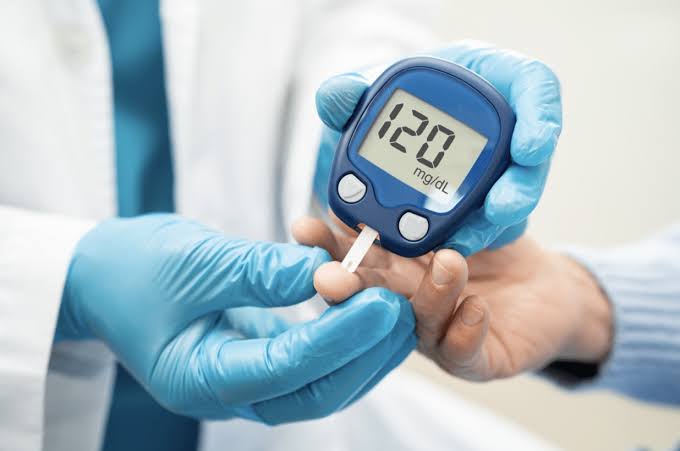
“They found that my blood sugar was high, even though I do not usually drink tea or porridge. However, the doctor told me that alcohol was a problem and that I needed to stop drinking or reduce my consumption. I was among those who immediately began receiving treatment.”
As non-communicable diseases continue to pose a serious public-health challenge, residents of Nyaruguru District are being encouraged to get screened early, eat a balanced diet, and exercise to reduce their risk of diabetes and other diseases that can harm their health.
Uwamariya Beatrice also says that she took part in the screening campaign.
“I went to the health center during the campaign because screening was free. They examined me and found that I was healthy, but the doctor told me that I was eating too little and needed to increase the quality and quantity of food I eat to reduce my risk of these diseases.”
During a non-communicable disease screening campaign in the district, 1,600 people were examined, and 40% were found to have non-communicable diseases they had not known about.
Dr. Ntaganda Evariste, who oversees non-communicable disease programs at the Rwanda Biomedical Centre (RBC), says that 1,600 people were screened during the campaign in Nyaruguru District, and 40% were found to have non-communicable diseases without knowing it.
“Some of the main causes are excessive alcohol consumption and not paying attention to diet. Those who were found to be ill immediately began receiving follow-up care. Some people with heart conditions were referred to the military hospital in Kanombe and King Faisal Hospital for surgery.”
He adds that people should pay attention to their lifestyle and heart health by eating a balanced diet, because these diseases no longer affect only older people; they are increasingly affecting young people as well.
Nyaruguru District Mayor Dr. Emmanuel Murwanashyaka says the number of people found to have non-communicable diseases during the campaign has given the district a responsibility to strengthen awareness campaigns aimed at preventing and fighting these diseases, especially heart disease.
“It is important to make our health a priority in our daily lives. We should avoid stress, limit alcohol consumption, eat a balanced diet, and get screened, because this helps us know our health status and keep our hearts healthy.”
The message to residents is clear: do not wait until a disease causes serious symptoms before going for screening. Knowing your health status early is an important step towards protecting your health.
The latest figures published by the International Diabetes Federation in 2024 show that approximately 589 million people worldwide aged 20 to 79 are living with diabetes. This is estimated to mean that one in nine adults has the disease. About 251.7 million people worldwide, representing 42.8%, have diabetes but do not know it.
In Africa, approximately 25 million adults are living with diabetes, meaning that one in 20 adults has the disease. Africa also has a particularly high proportion of people who do not know they have diabetes: 72.6%, or roughly four in five people.


