 0
0
 0
0
By Annonciata Byukusenge
Rwanda is expanding flood-control measures along the Sebeya River in the West, as forecasters warn that El Niño could bring heavier-than-usual rainfall this autumn to East Africa and other parts of the world.
The river burst its banks in May 2023, flooding the districts of Ngororero, Rubavu, Nyabihu, Rutsiro, and Karongi. More than 100 people died, and another 158 were injured. The floods destroyed 1,205 houses, damaged 600 hectares of crops, and killed about 368 head of livestock.
Relocation and terracing
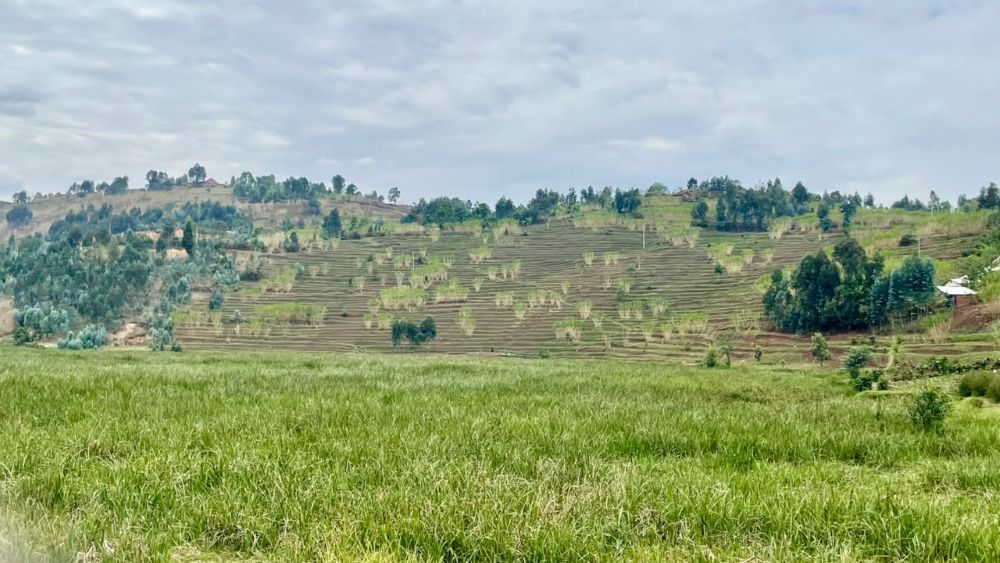
The government first moved families living along the Sebeya River to other areas and compensated them for farmland that had been affected by floods. On the hillsides above the river, local leaders and agriculture facilitators built radical terraces to curb soil erosion, since runoff from the slopes had been feeding water and deposits into the Sebeya.
Jean Baptiste Uwitonze, a tea farmer in Gakondo cell, Nyundo sector, Rubavu district, farms along the riverbank and said flooding used to wipe out his harvest.
“Before the riverbanks were built up, when it rained, the tea would be swept away because the whole marshland was filled with water. He told The Forefront Magazine. We got no yield, even though we had invested a lot of money in growing tea.”
He added that the crops planted on the hillside were also lost to erosion. “So much water came down from the hill above the Sebeya, carrying all the crops with it into the river. Houses were washed away too, and livestock ended up in the Sebeya.”
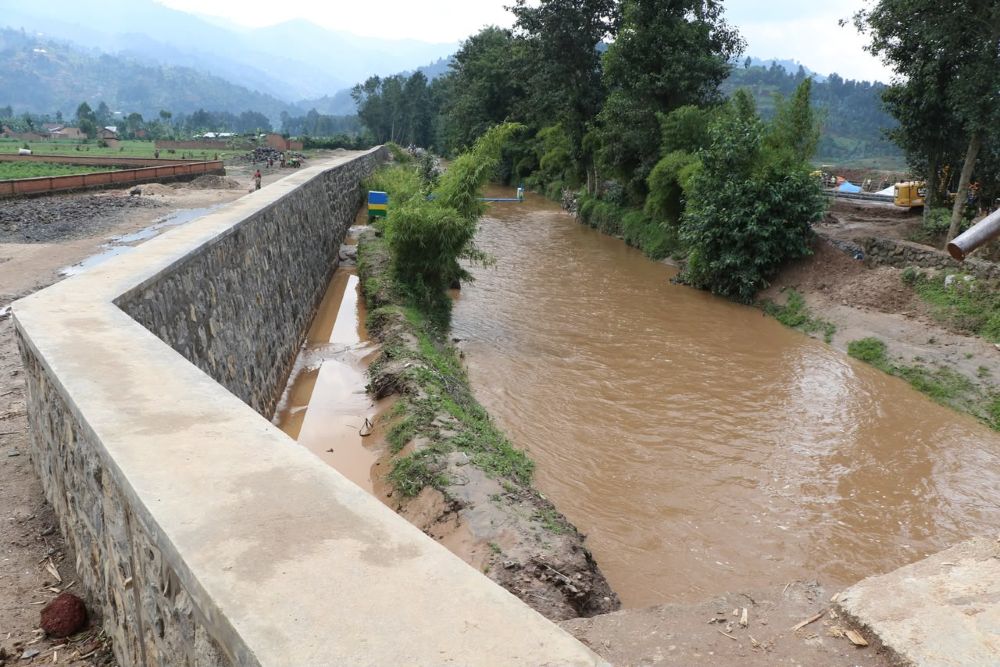
Uwitonze said that the government later dug drainage channels to relieve pressure on the main river channel and end the flooding for good.
Jean Claude Kavamahanga, the agriculture officer for the Nyundo sector, said that the valley floor was once farmed, but residents were compensated so the river could have a dyke; the area has been designated a floodplain buffer.
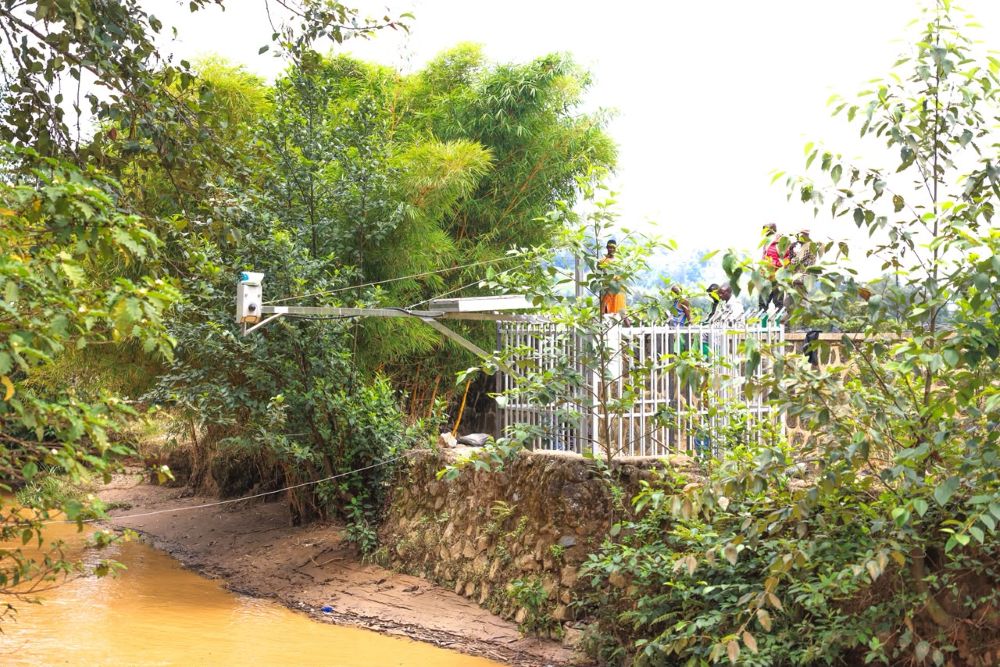
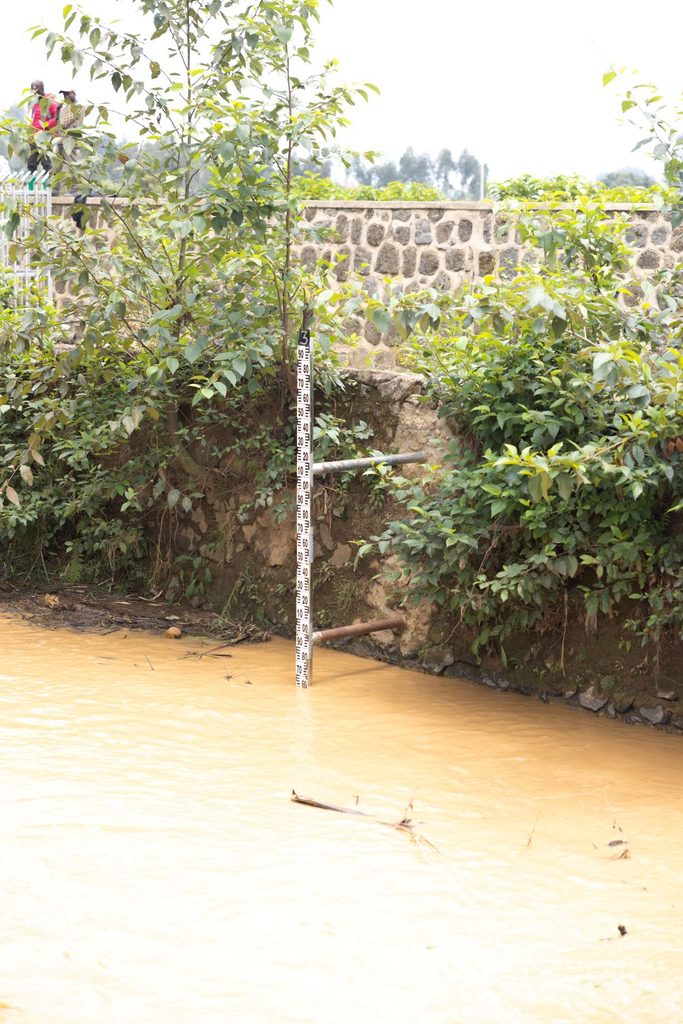
“Once people had been relocated, the valley became a breathing space for the Sebeya. Drainage channels were dug, and we installed instruments in the river to measure normal water levels and show when a rise could cause flooding. There has been no flooding here on the Sebeya since 2023.”
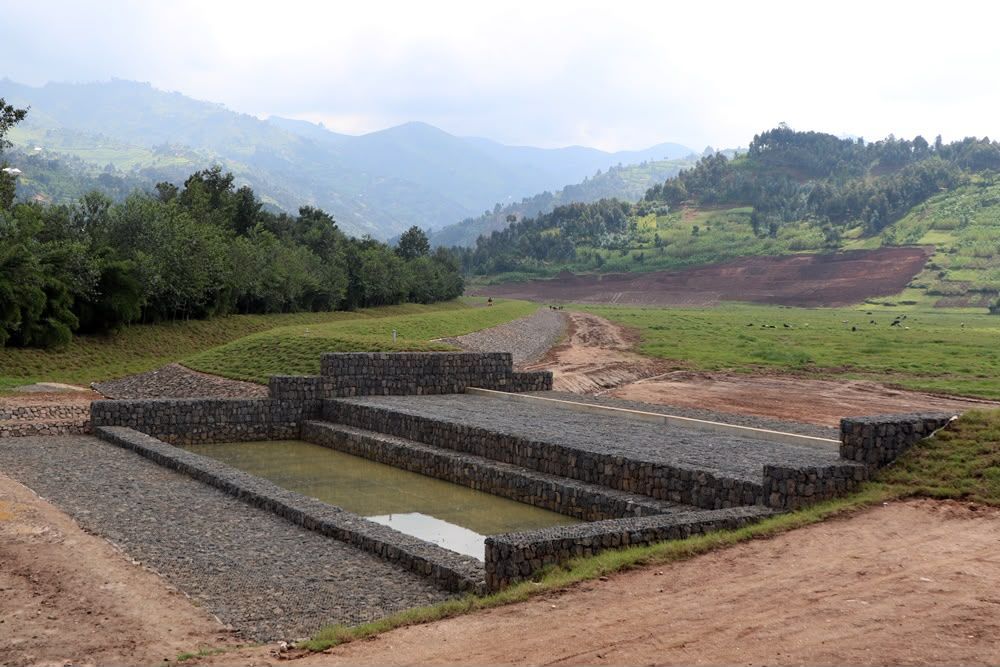
Kavamahanga said terraces now cover 296 hectares of the hillside above the river. A small dam in Gakondo cell, built in the buffer zone, can hold 5,000 m3 of water.
Residents welcome the works.
Jean Bosco Uwimana, who lives near the Sebeya River, said that the new infrastructure had ended the losses residents suffered in the rainy season.
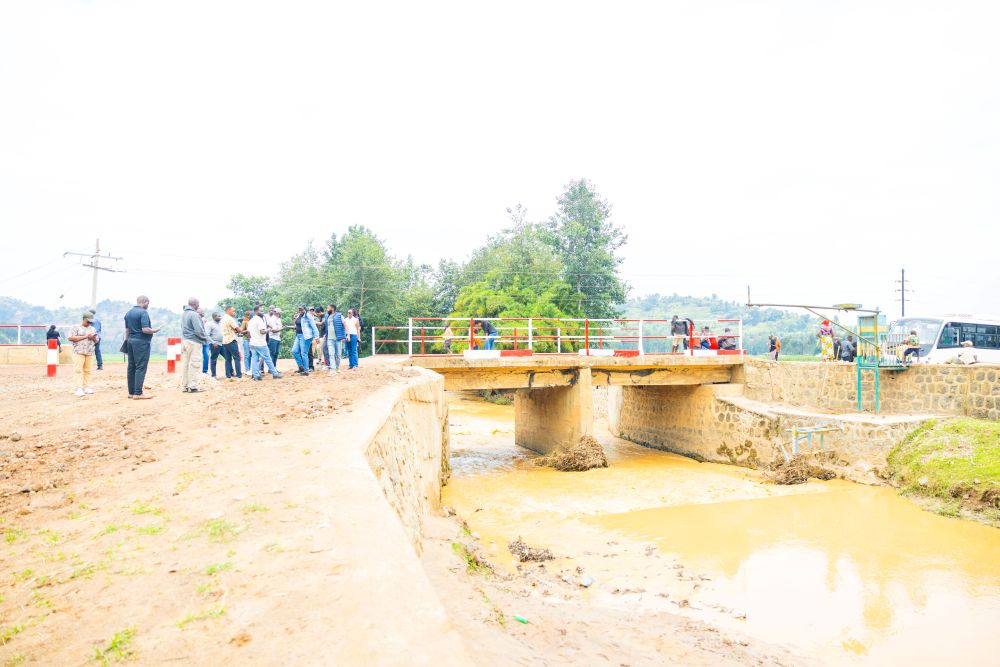
“We thank the government for rescuing us from the sadness of the Sebeya overflowing. They built us a strong bridge that water cannot carry away, and they built drainage channels with strong materials. The Sebeya now has room at both the inlet and the outlet. We have no fear of flooding, although it took people and property from us.”

New measures ahead of El Niño
Ndahiro Jacky, a specialist at the Rwanda Water Board (RWB) in the department of developing appropriate sets of modeling and forecasting tools for water supply and demand, flood management, and soil erosion risks. She said that work on flood defenses had been stepped up after the El Niño warning. A large dam in the Kanama sector can hold 2 million cubic meters of water.
“This dam supports the buffer zone, because even when there is a lot of water, it reaches the Nyundo sector with much less pressure, as there is a small dam there too.”
She added that both dams have separate channels that carry water away from the main river. An early-warning station is also being built on the Sebeya to alert authorities when floods are pending. Such stations are placed in flood-prone “hotspots.”
“The station under construction will help us get information on flooding on the Sebeya because it will take measurements electronically, and we will see them immediately. The equipment is modern, and if it detects signs of pending flooding, it will sound the alarm.”
The government is also urging the public to prepare for the heavier rains. Guidance issued through the national meteorology agency, Meteo Rwanda, and the Ministry in charge of Emergency Management (MINEMA) includes.
The key advice is securing roofs against strong winds; clearing blocked drainage channels; installing tanks to collect roof runoff where possible; avoiding shelter under trees; and unplugging electrical appliances during storms.
Fernande Nyiransabimana, a MINEMA official in charge of training and community engagement. Said that the ministry works with Meteo Rwanda to prepare warnings and advice for the public.
“Meteo gives us the weather forecasts, and we work together to prepare messages and advice for citizens. We use text messages because 85% of Rwandans own a mobile phone, according to the 2024 EICV7 survey. The messages also go out on social media, radio, and television, and Meteo publishes and broadcasts forecasts every day.”
According to El-Ninõ, from late 2026, parts of Eastern Africa could see above-average rainfall, increasing the likelihood of flash floods, riverine flooding, and landslides. Burundi, Ethiopia, Kenya, Rwanda, Somalia, and parts of Tanzania and Uganda may be exposed, particularly in low-lying and urban areas with poor drainage. Floods may damage homes, roads, schools, and health facilities while disrupting humanitarian access.