 0
0
 0
0
By Annonciata Byukusenge
Some farmers who once struggled due to limited knowledge of modern agricultural practices say their lives have changed for the better after receiving training and support through the SAIPII project. By moving away from unstructured, traditional farming methods, they have increased their yields and improved their livelihoods.
Ruburikabesiga Joy, a farmer from Kabarore Sector in Gatsibo District, shares her journey. For many years, she farmed without proper technical knowledge, which limited her productivity.
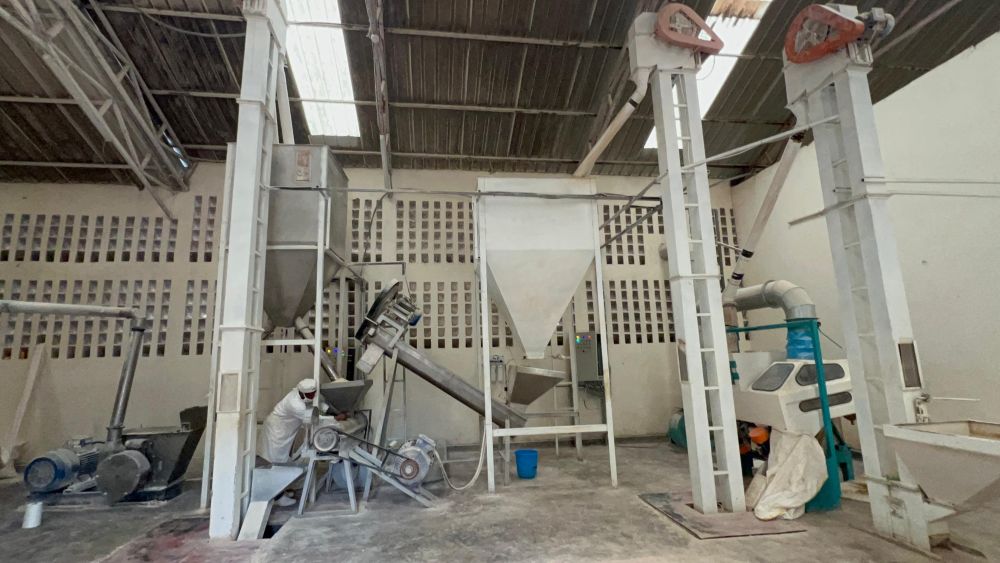
“In 2023, I learned that the Rwanda Agriculture and Animal Resources Development Board (RAB) was accepting project proposals from farmers for financial support. I had been growing maize, but I didn’t have the skills or expertise to do it professionally. My proposal was selected, and I received equipment, including machinery and support to construct a building. That’s how I was able to set up a maize flour processing plant.”
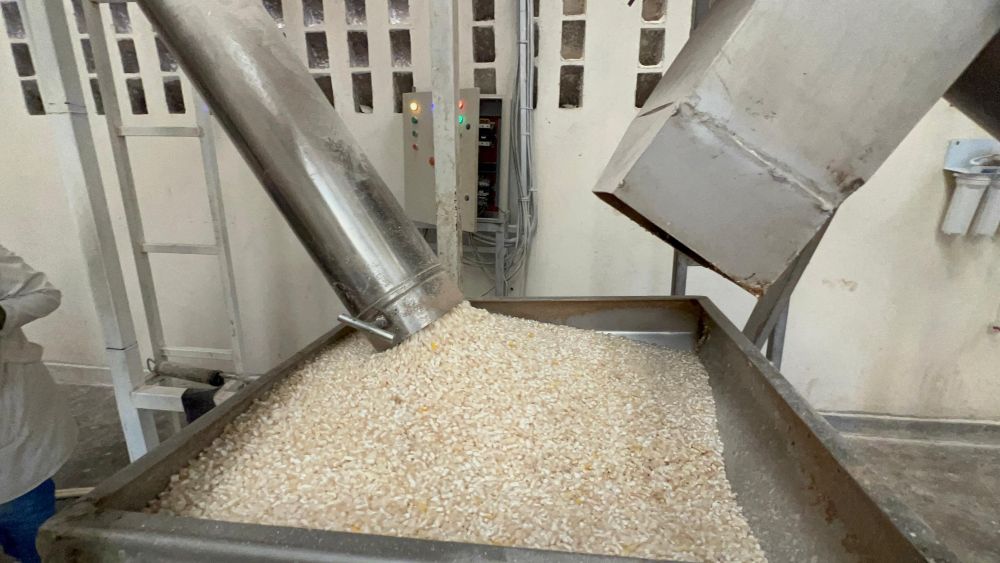
Joy explains that owning a factory once felt like an impossible dream, especially as a woman. However, the agricultural training she received and the opportunity provided to farmers enabled her to turn that dream into reality.
“I encourage fellow farmers to make the most of the opportunities available to us. Agriculture is the backbone of our economy. The maize we process into flour comes directly from local farmers whom I buy from. The plant currently produces six tons of maize flour per day. This business has transformed my life. I can now pay my children’s school fees, and our living conditions have greatly improved.”
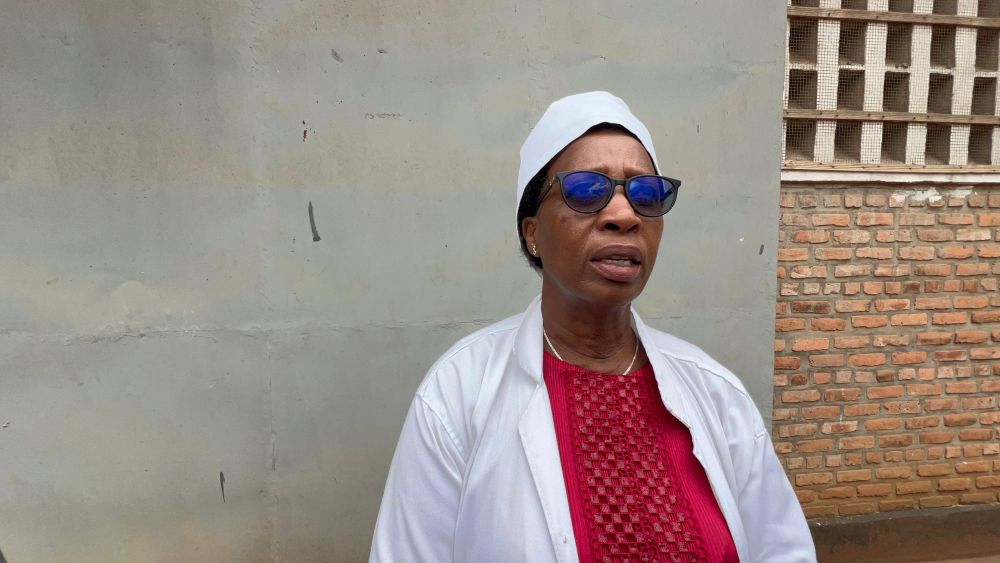
She adds that the entire project is valued at 158 million Rwandan francs, of which she personally contributed 42 million.
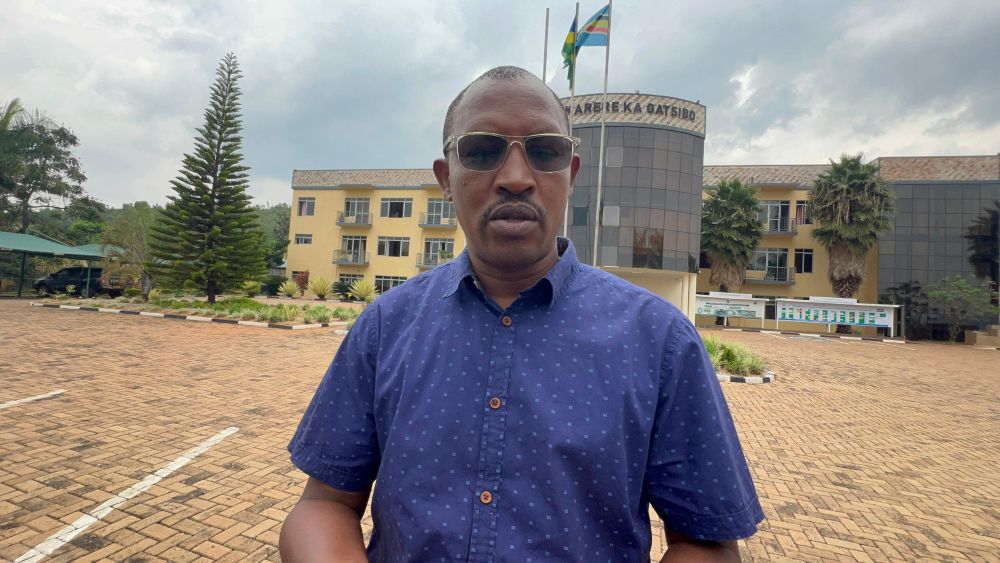
Sekanyange Jean Leonard, the vice mayor of Gatsibo District in charge of economic development, commended the SAIPII project for its role in improving residents’ livelihoods.
“It’s not only agro-processing industries that received support. We also benefited from irrigation systems and farming machinery. However, the journey is still long. Our district is frequently affected by drought, so we need more investment in irrigation infrastructure. We urge farmers to take good care of the equipment and infrastructure they have received, because the SAIPII project will not last forever.”
Among other things that SAIPII has supported farmers are the irrigation systems for small areas, irrigation on consolidated land, and farming machines. These machines are not only used for farming but also for plowing, cultivating, transporting fertilizer, watering, and baling livestock grass.
The role of SAIPPII in fighting malnutrition in Gatsibo
Gatsibo District has long been one of the areas with a high number of children under five suffering from stunting and other forms of malnutrition. For years, this was a serious concern for families and local leaders alike. However, that situation has gradually improved, and the SAIPPII project has played a significant part in bringing about this change.
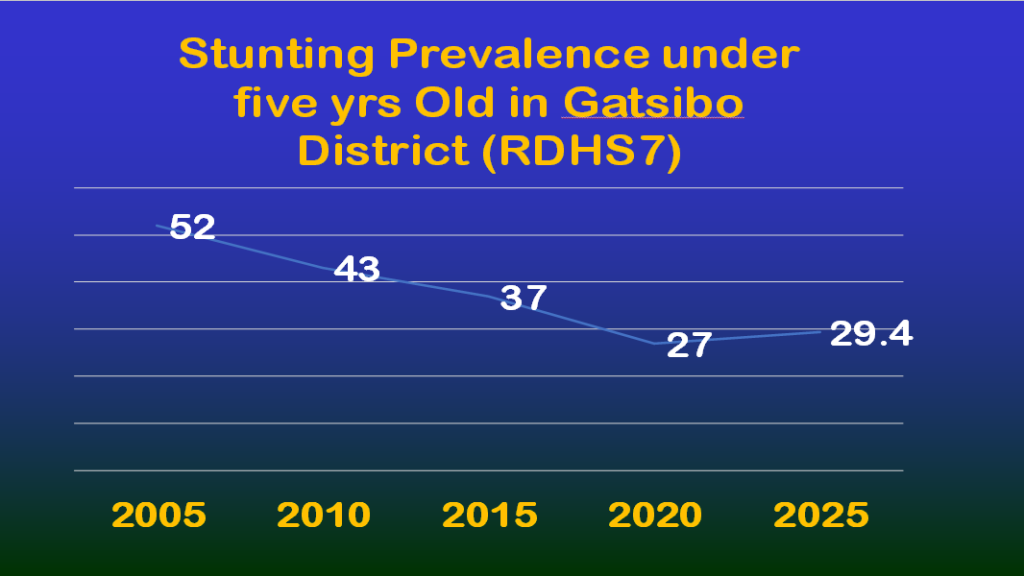
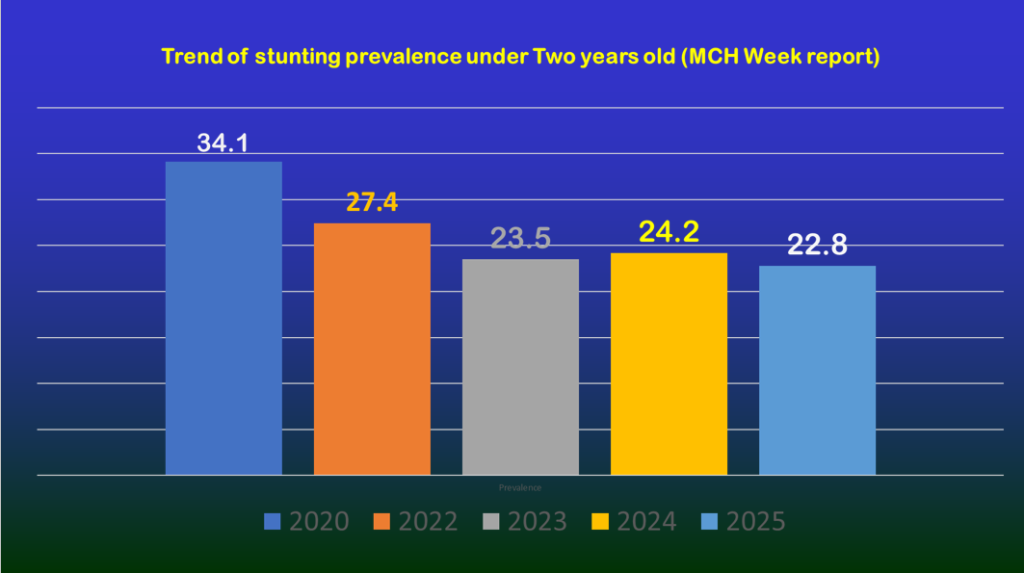
“In 2005, the rate of stunting among children in our district stood at 52%. In 2022, when SAIPPII began supporting vulnerable households by providing small livestock such as chickens and pigs, we made a deliberate decision to prioritize families with stunted children or those showing signs of malnutrition. They started to eat eggs regularly, and their health improved. Since then, we have seen steady progress. According to the DHS 2025 report, the stunting rate has dropped to 29.4%, and our own weekly monitoring reports show it has gone down even further to 22.8%,” said FED Sekanyange.
This progress reflects not only improved access to nutritious food but also a stronger sense of community support and a commitment to protecting children’s health in Gatsibo.
What the SAIP II Project provides
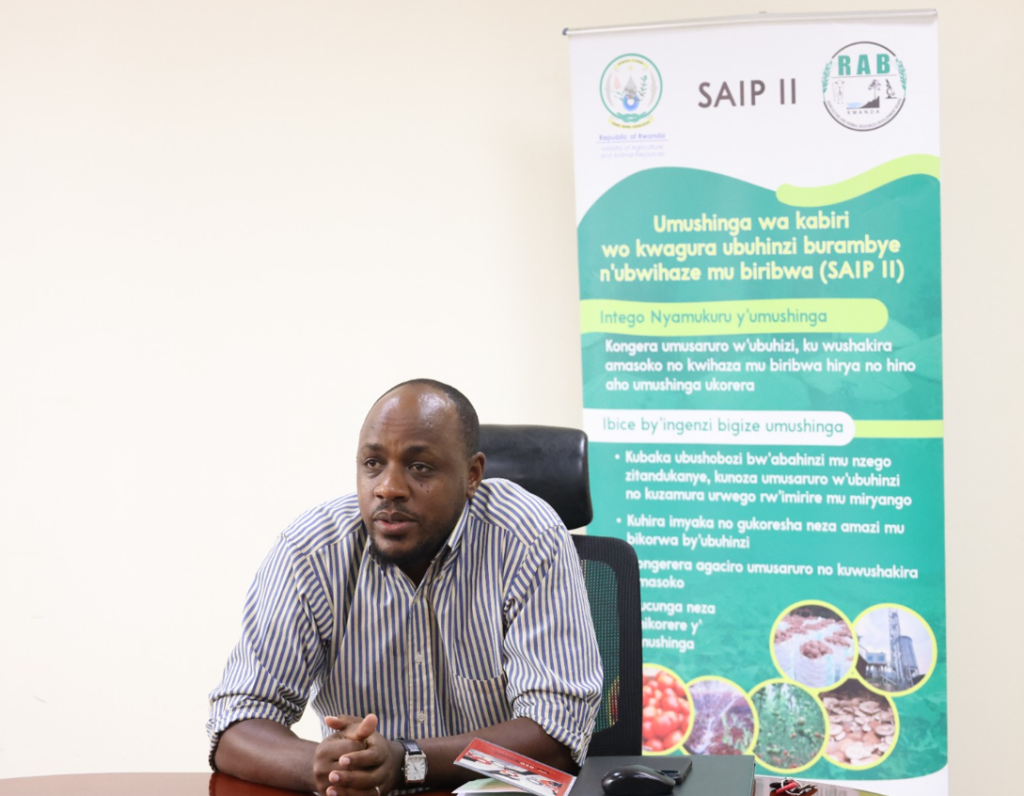
Mutabaruka Ezra, the SAIP project manager at RAB-SPIU, explains that the support goes far beyond training.
“The goal of SAIP II is to expand sustainable agriculture and strengthen food security. To achieve this, we have helped farmers access irrigation systems and small-scale irrigation. Some have also received support in post-harvest handling and adding value to agricultural by-products.”
He adds that SAIP II builds upon the achievements of the earlier SAIP I project. Through SAIP II, irrigation systems have been developed to cover 1,780 hectares of farmland.
“It’s not just about irrigation. We train farmers in proper post-harvest handling, from harvesting to storage and marketing. For fruit and vegetable farmers, we have provided cold storage facilities to ensure their produce reaches the market in good condition.”
Overall, the SAIP project required an investment of approximately 20 million US dollars, while irrigation activities alone accounted for about 5.7 million US dollars.